What Most People Get Wrong
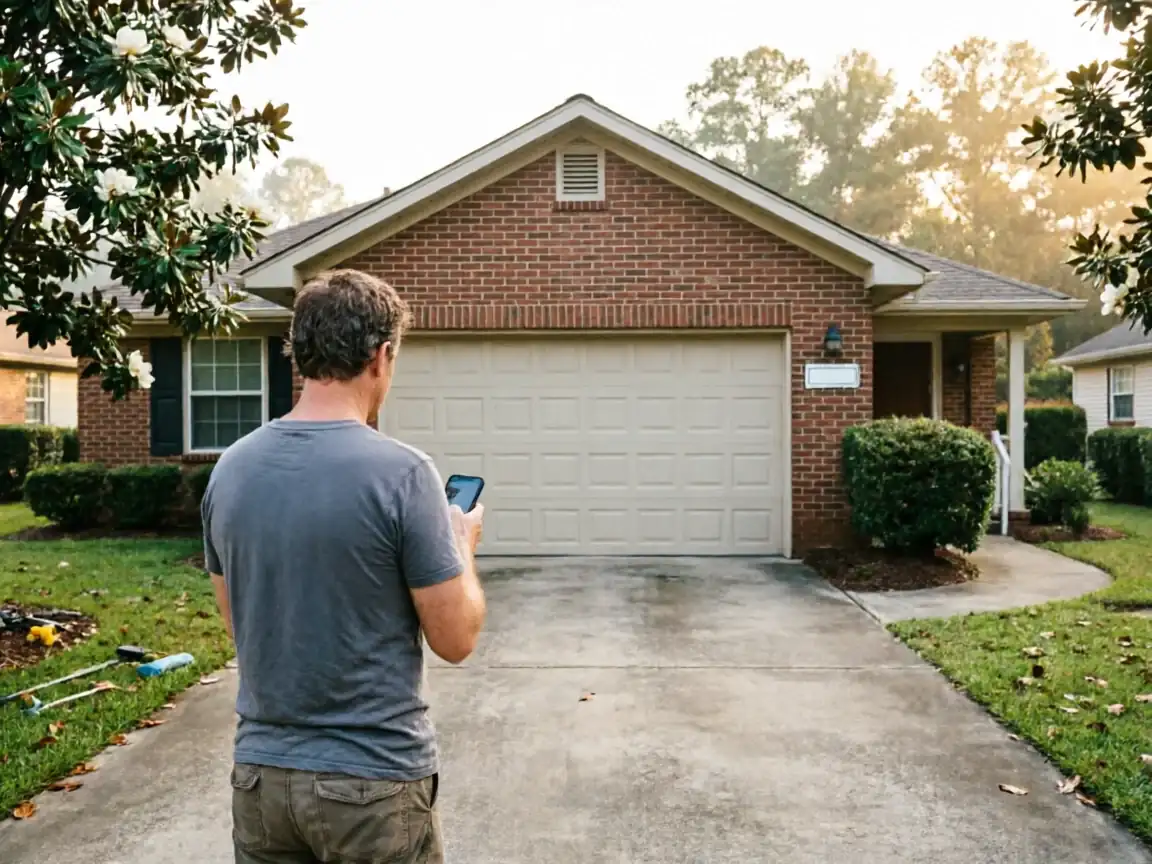
Most homeowners around here treat a sticking or noisy door like a universal problem with a universal fix. It isn't, not on this housing stock. Most houses in this service area went up between 1972 and 2011, with the median build year sitting at 1991. That's not old-house territory with hand-cut jambs and warped original hardware - it's a specific generation of builder-grade garage doors and chain-drive openers, most installed once and never touched again.
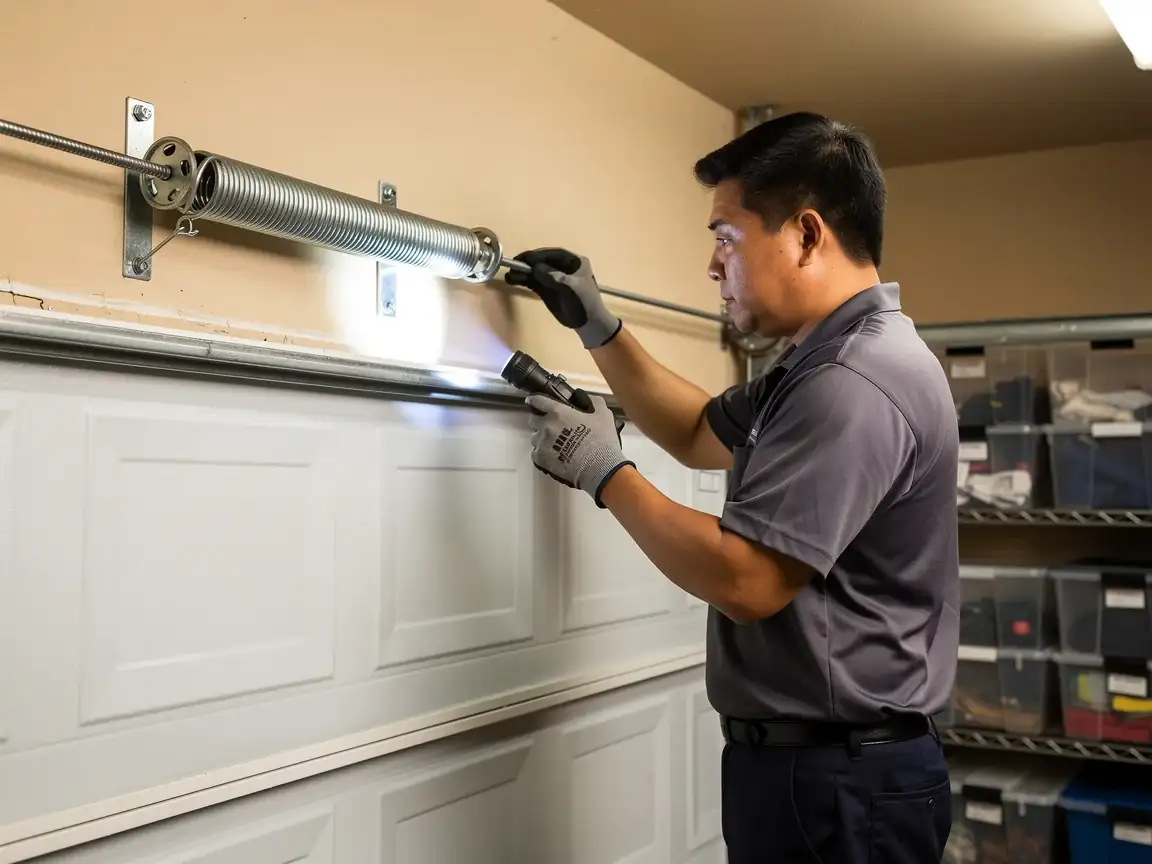
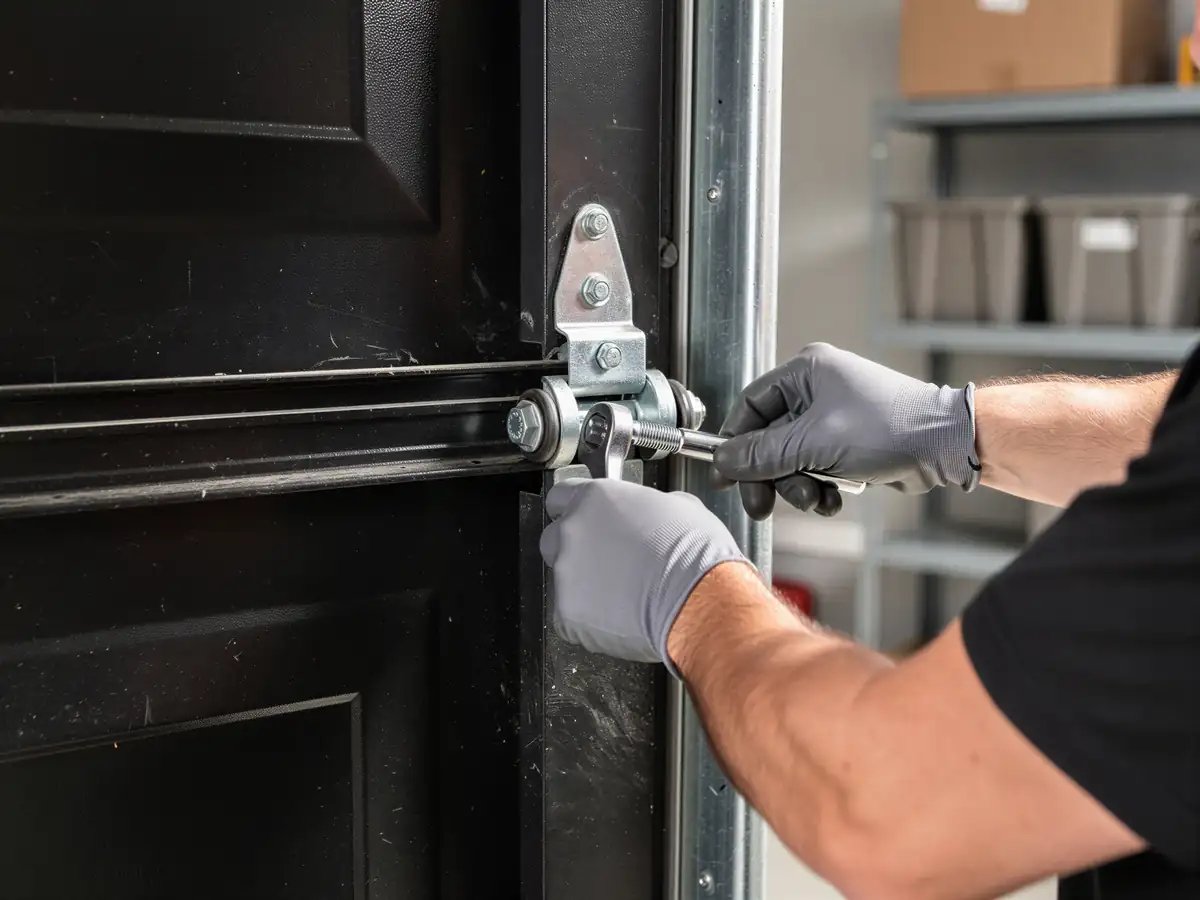
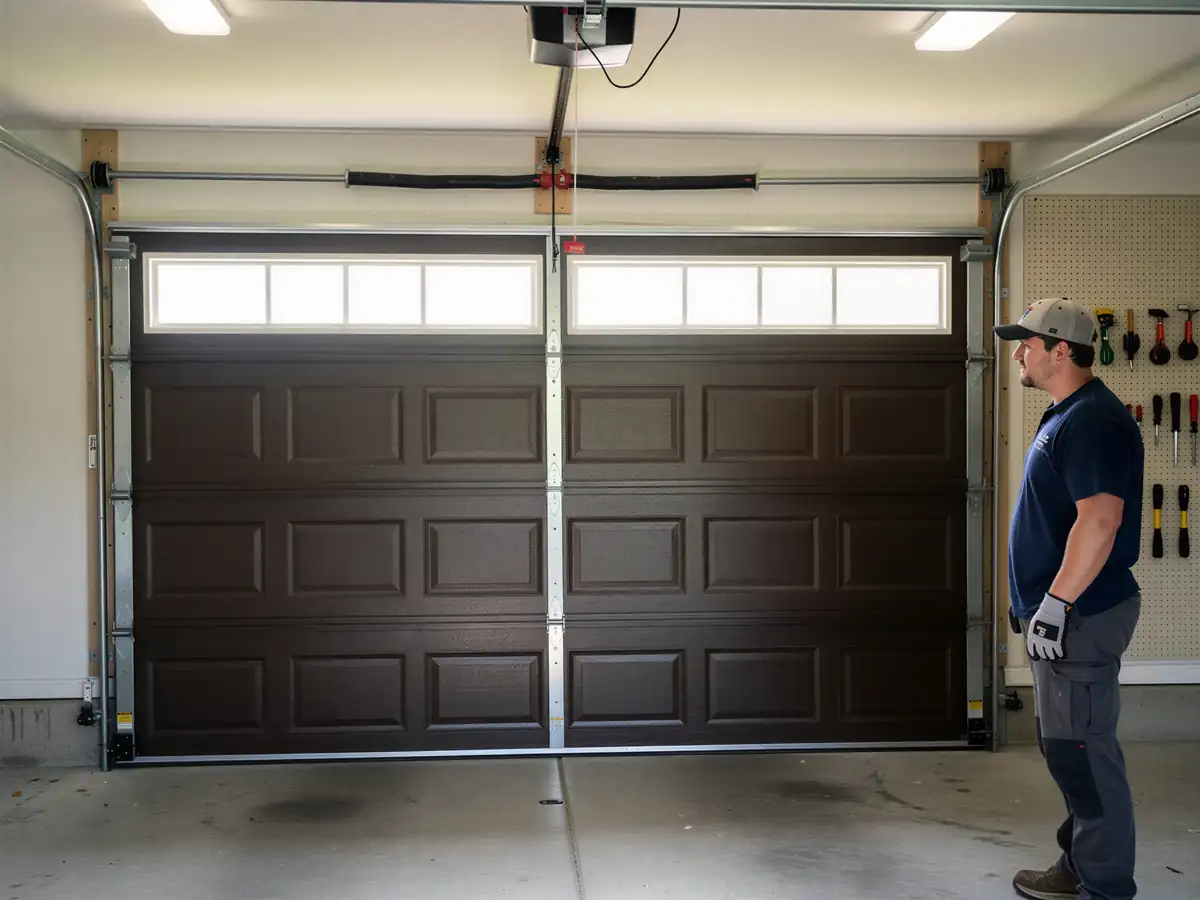
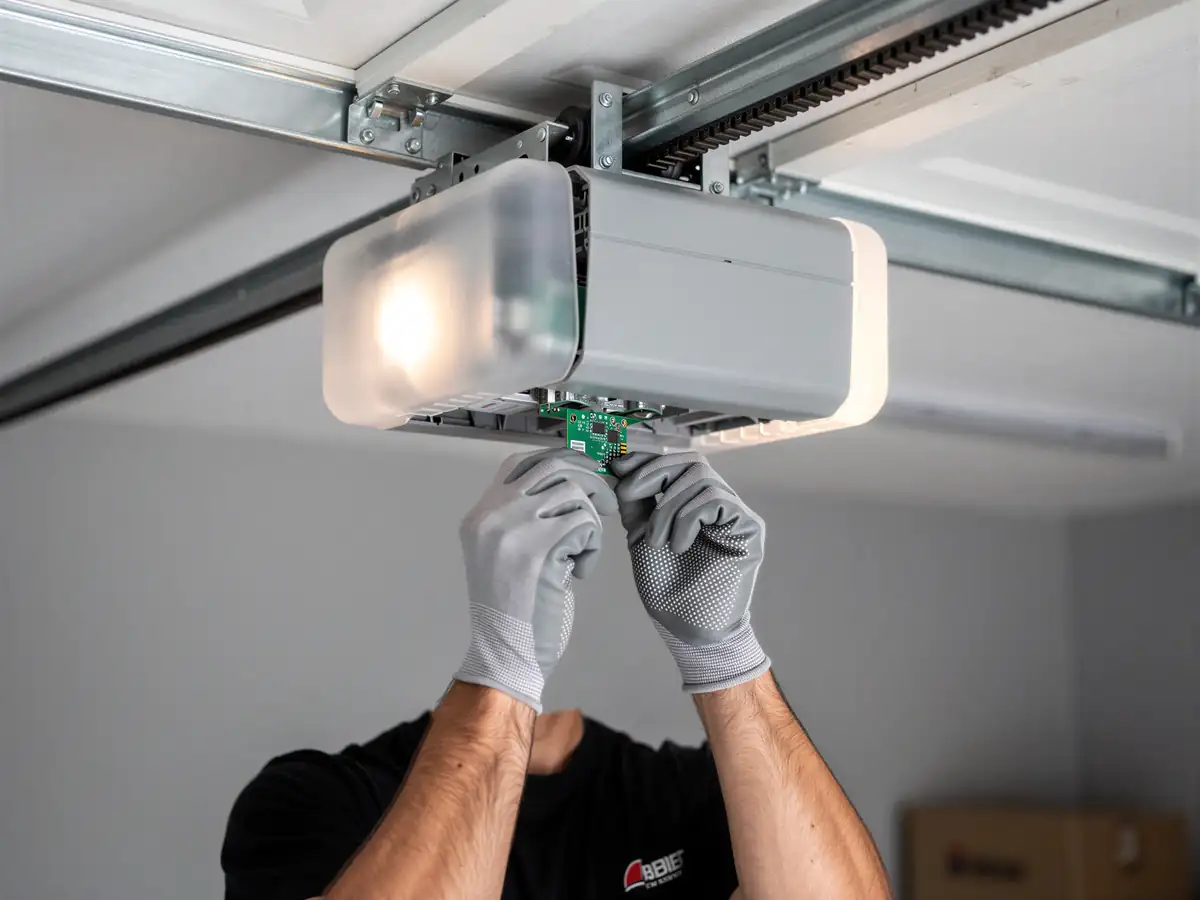
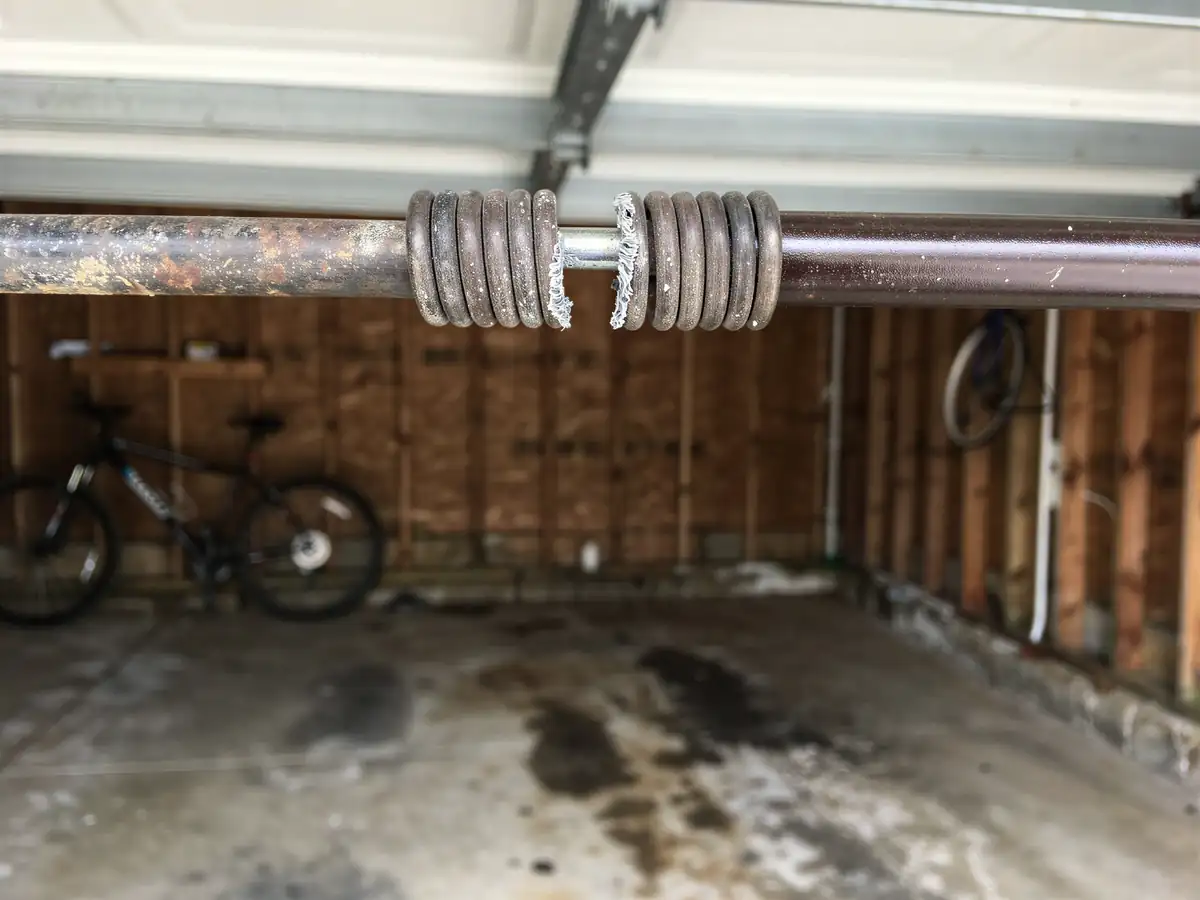
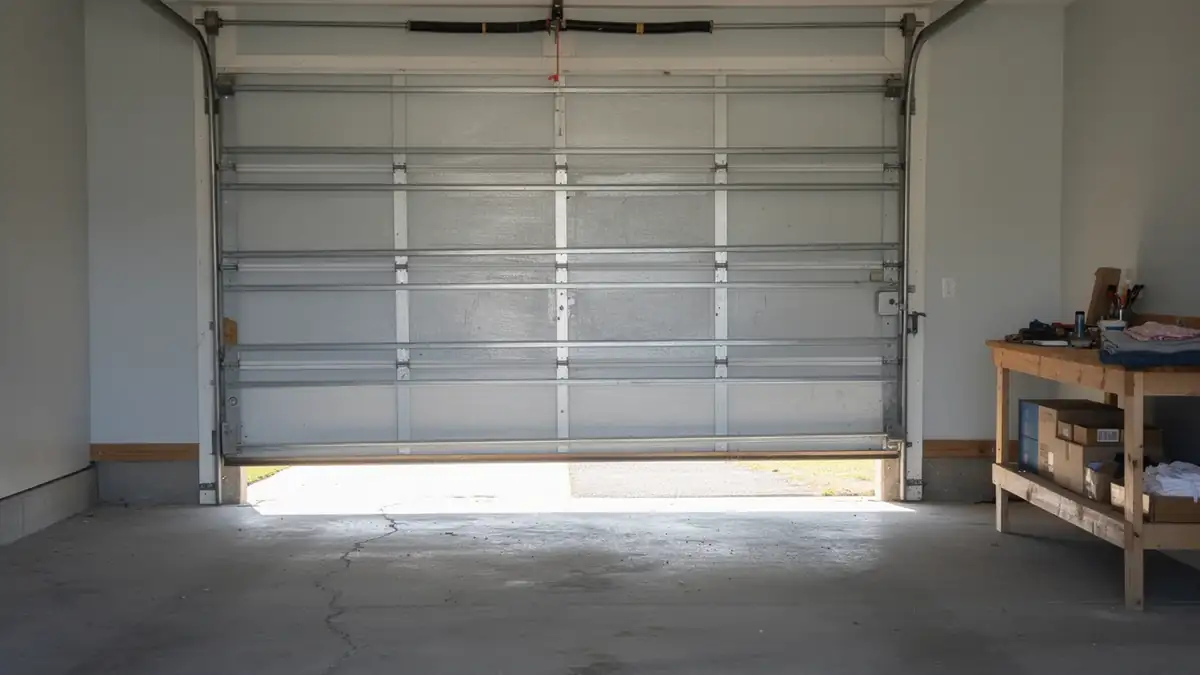
The mistake is assuming the opener itself is the problem when it's usually the spring or the rollers that are actually past their service life. An opener from the early 90s can still run fine on a motor level while the torsion spring underneath it has been stretched past safe tension for years. People replace the loud part (the opener) and leave the dangerous part (the spring) alone.
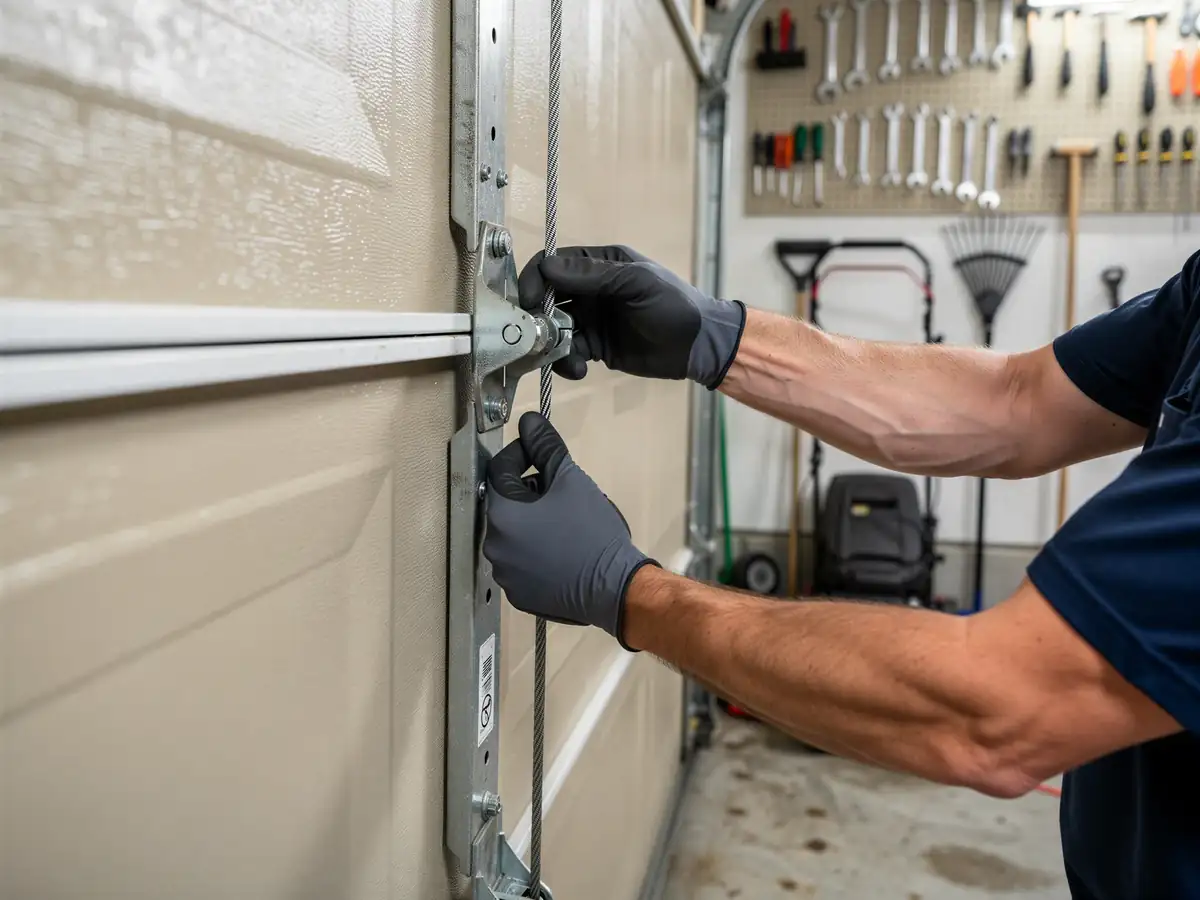
The other mistake is assuming every house in the area has the same setup. With a mix of 1980s and 90s builds across the service area, you've got different track styles, different spring gauges, and in some cases openers that were already a model behind when they went in. A fix that works on one street doesn't automatically work three streets over.
The Cost of This Job
We don't have a universal price to hand you here, and we'd rather tell you that than make one up. What we can tell you is how the decision usually breaks down for houses of this era and this area's income profile. Median household income here runs $73,654, which is enough that most owners aren't stretching to make a repair-versus-replace call - they're choosing based on which actually solves the problem, not which they can scrape together.
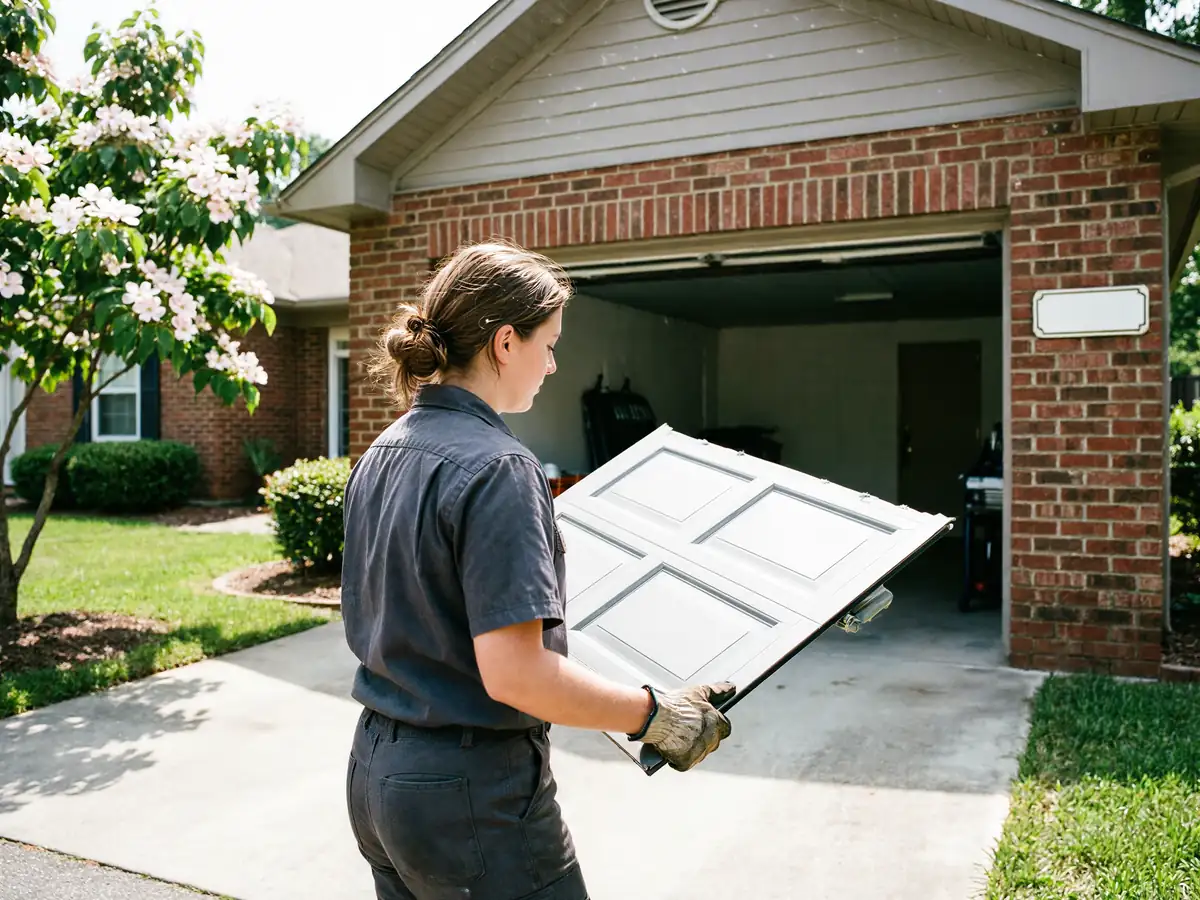
That matters because a door built in the 1980s or 90s, still running its original spring and opener thirty-plus years later, is usually past the point where a single repair buys you much time. Replacing a worn spring on a door with a failing opener and rusted track hardware is three jobs disguised as one. Sometimes the honest number is higher than a homeowner expects for what looks like "just a spring."
The limitation worth saying out loud: we can't quote a number without seeing the door. Spring size, track type, and opener age all move the cost, and on houses from this build range those three things vary more than people expect.
What Local Conditions Do
The climate band here is mild with only occasional freeze events
Not the deep freeze-thaw cycle that chews up hardware further north. That changes what actually fails first on a door from this era. It's not ice cracking a panel seam - it's humidity. Steel doors and tracks from the 1980s and 90s builds sit through long stretches of damp air with only brief cold snaps, and that pattern favors corrosion on exposed hardware over the kind of sudden metal fatigue you'd get from hard freezes.
On an occasional cold morning, a thirty-year-old torsion spring that's already lost tension can bind tighter than usual and make the door feel like it's fighting the opener
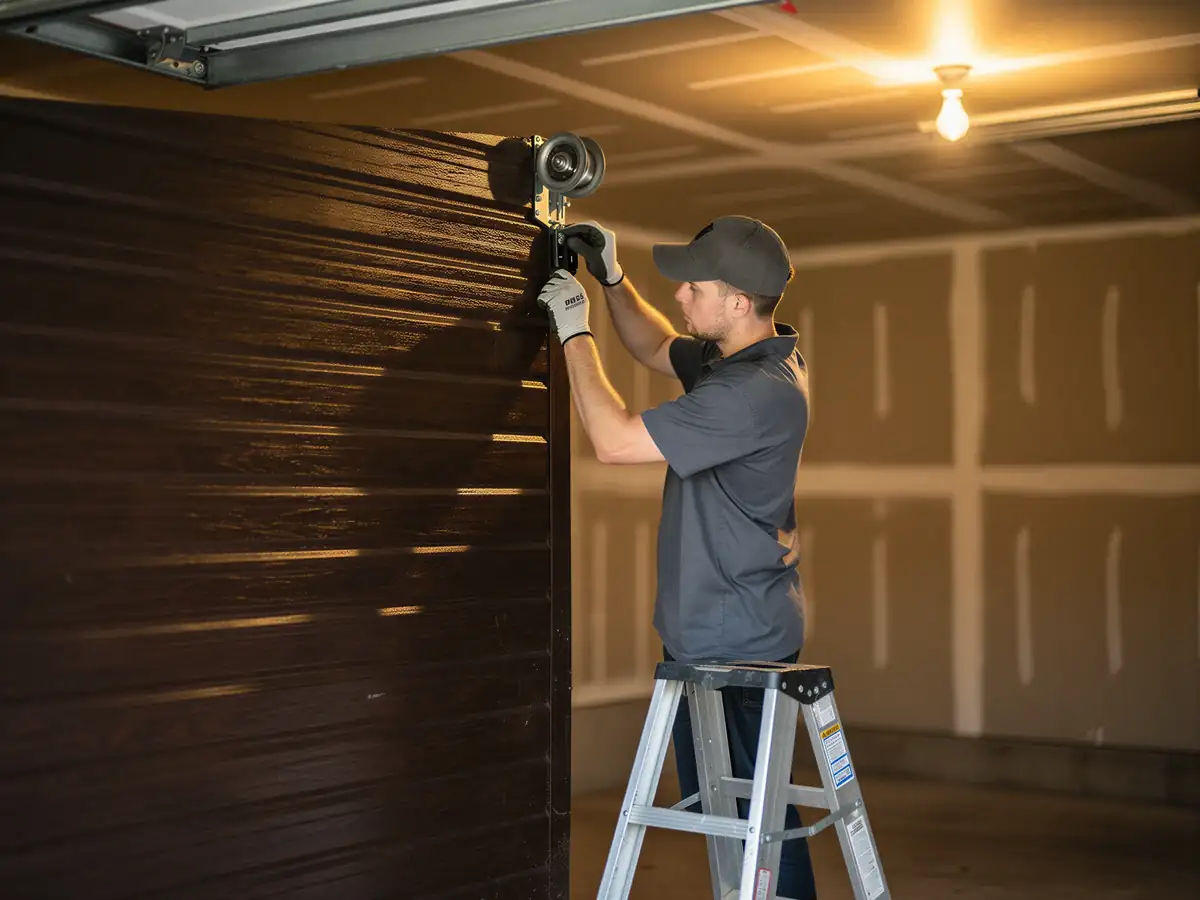
That's not a cold-weather problem on its own - it's an old-spring problem that the occasional freeze exposes. Rollers original to a 1991-era door are often steel, not nylon, and steel rollers on a door that's mostly dealing with humidity rather than ice tend to show wear as noise and grinding before they show it as failure.
None of this is severe-weather damage
It's slow wear, on schedule, for houses built in this window.
What Is Going On
Put the pieces together and the pattern is straightforward. A median build year of 1991 means a lot of the openers and springs in this service area are thirty-plus years into hardware that's typically rated for far less. With 592 owner-occupied houses out of 862 households in the area, that's a large share of homes carrying original or near-original garage door equipment that's simply aged out, not broken by any one event.
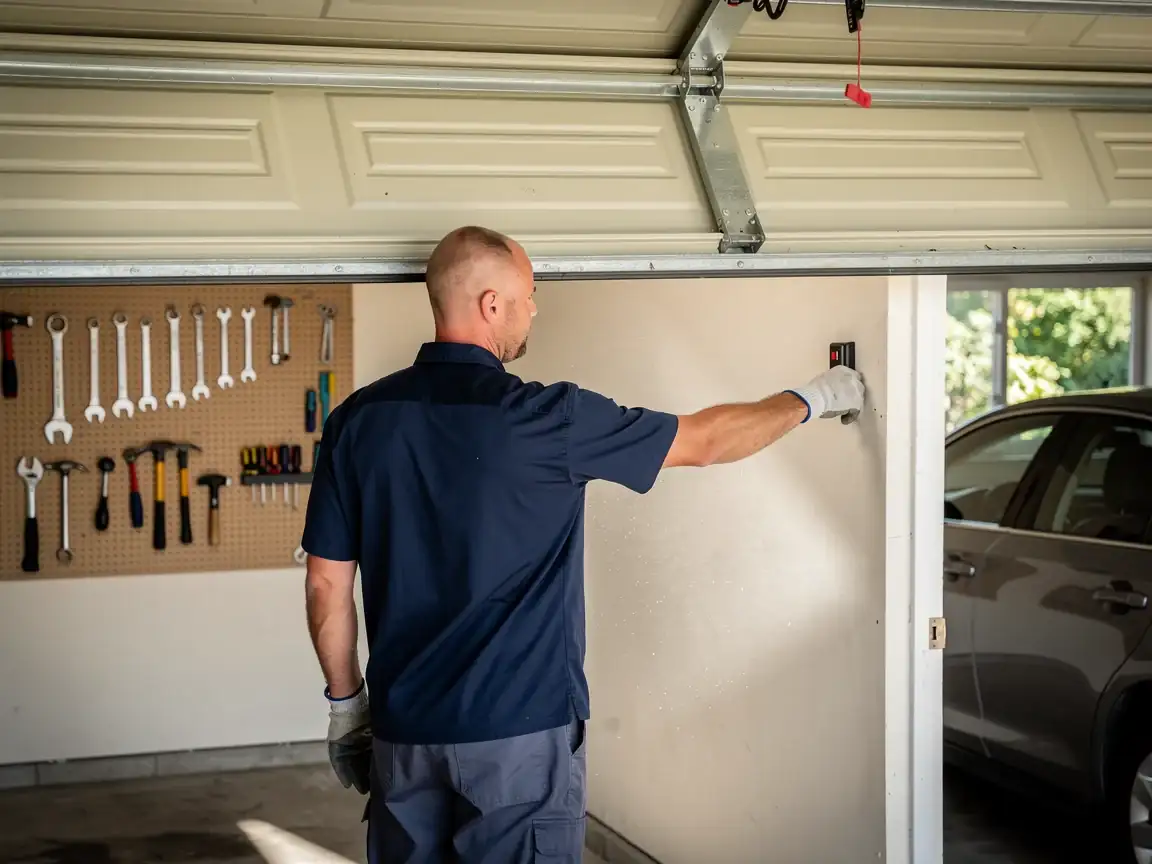
Out toward the mix of 1980s and 90s builds means steel doors paired with chain-drive openers, not the belt or direct-drive units that came later. That generation of opener is reliable but loud, and it's the kind that tends to get serviced only when it fails outright rather than on any kind of schedule.
The honest read: if your door and opener both date to the original build, you're not managing a single fault, you're managing the end of a service life. A spring repair on a door that age sometimes buys a year. A full door-and-opener swap, on a house built in this window, tends to be the thing that actually stops the callbacks.