How We Fix It
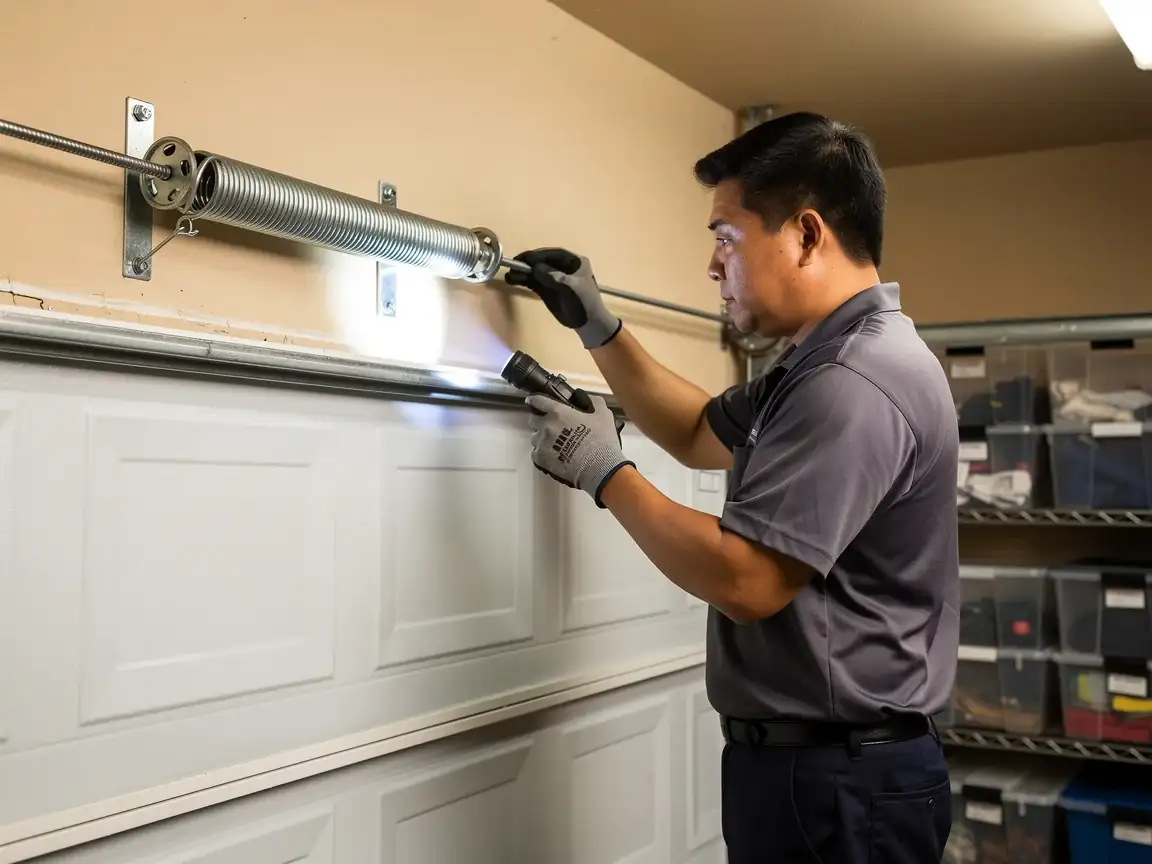
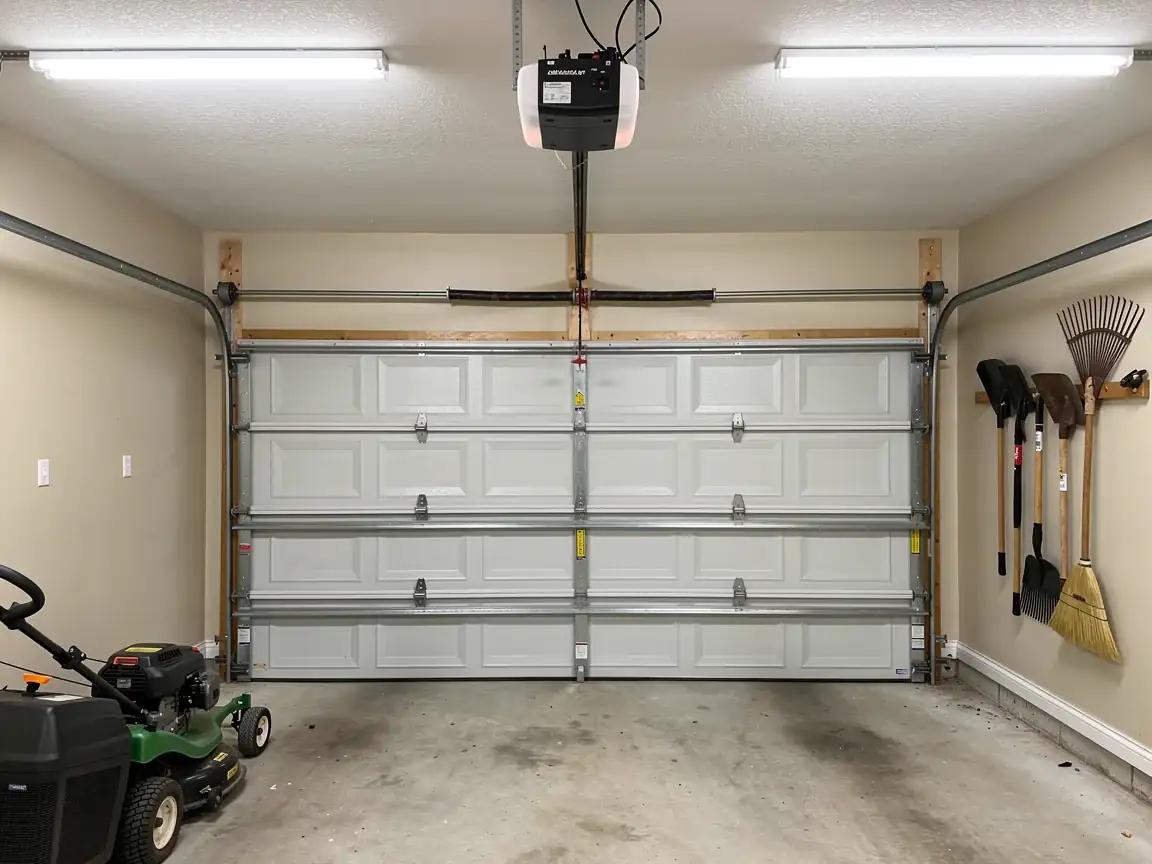
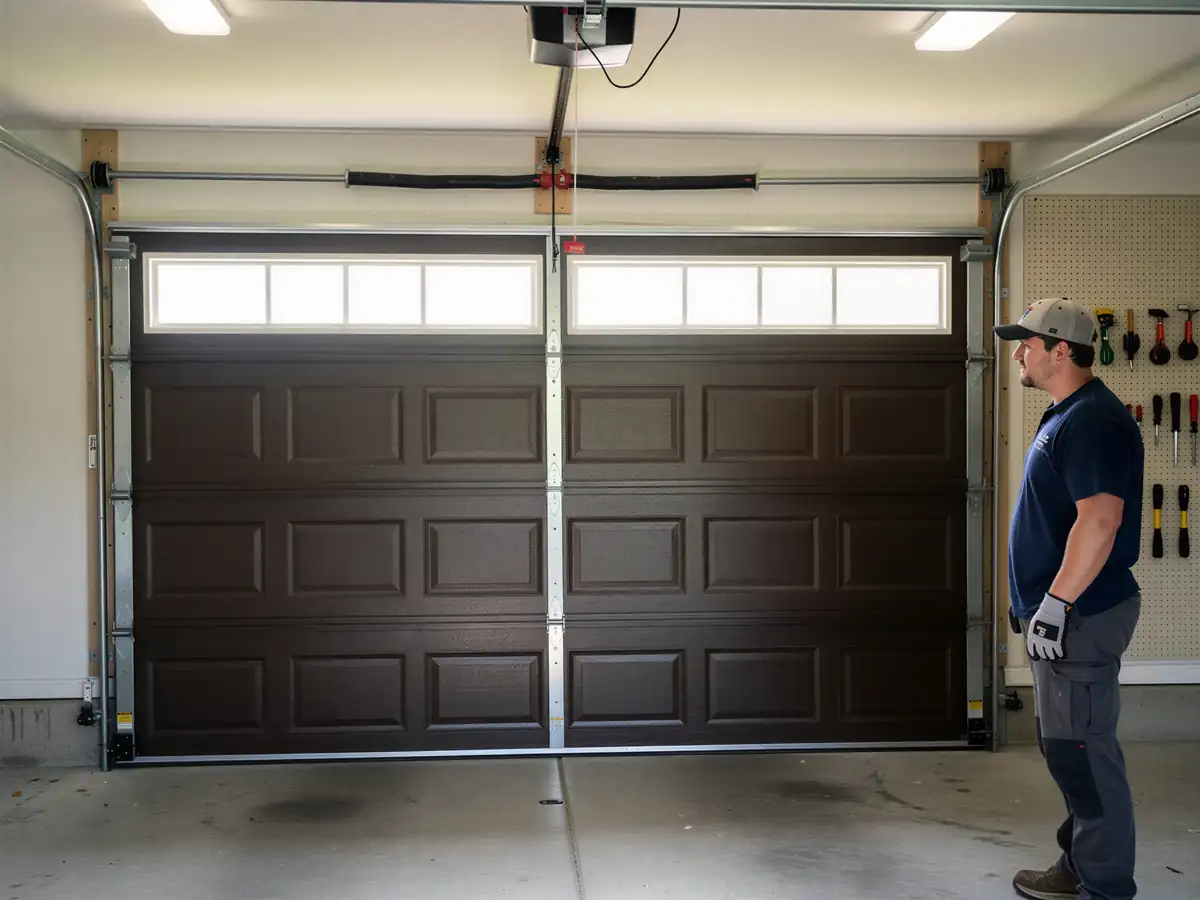
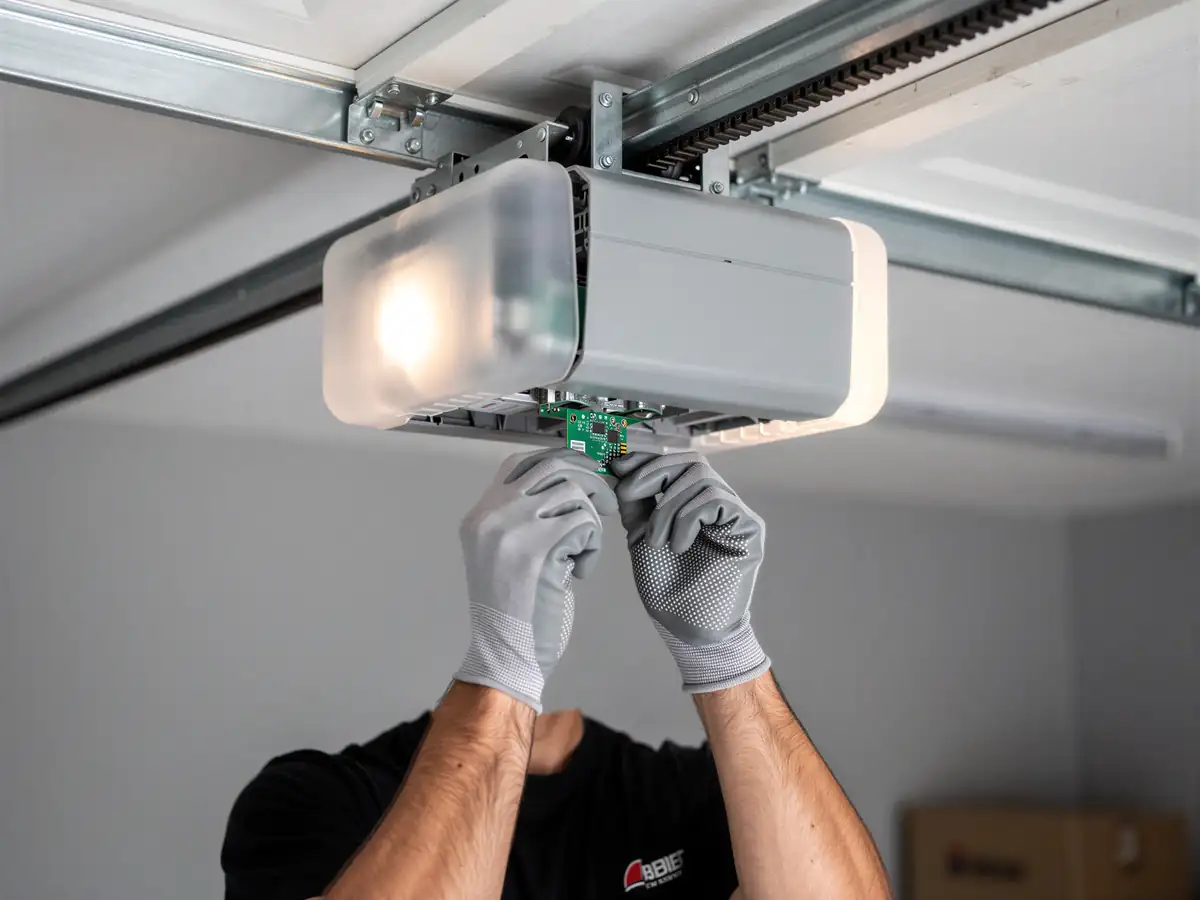
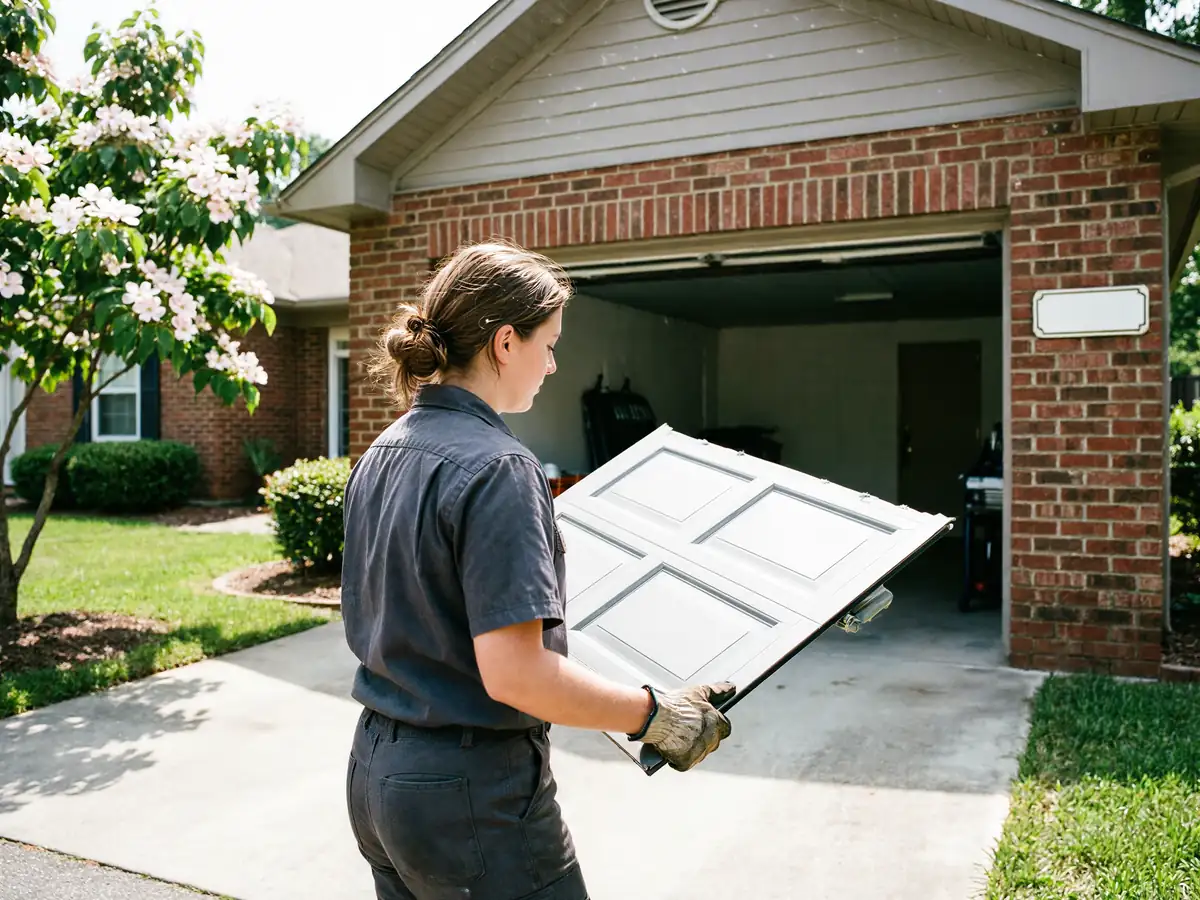
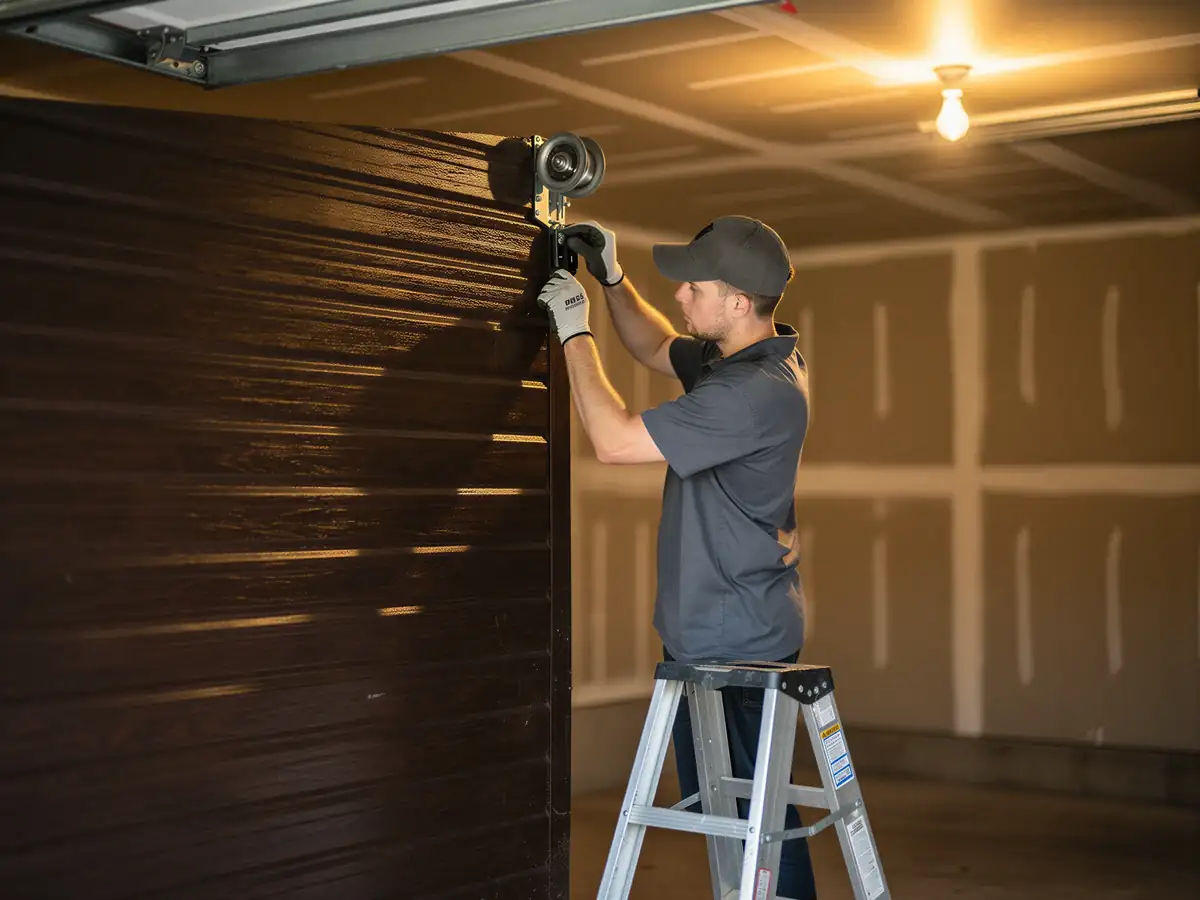
Most calls we run in Columbus start with one of three things: a torsion spring that's let go, an opener that's grinding or not responding, or a track that's bent enough to throw the rollers out of line. We pull the door off the opener first and check it by hand - that tells us right away whether the opener is doing the work the springs should be doing, which is the fastest way a motor burns out early.
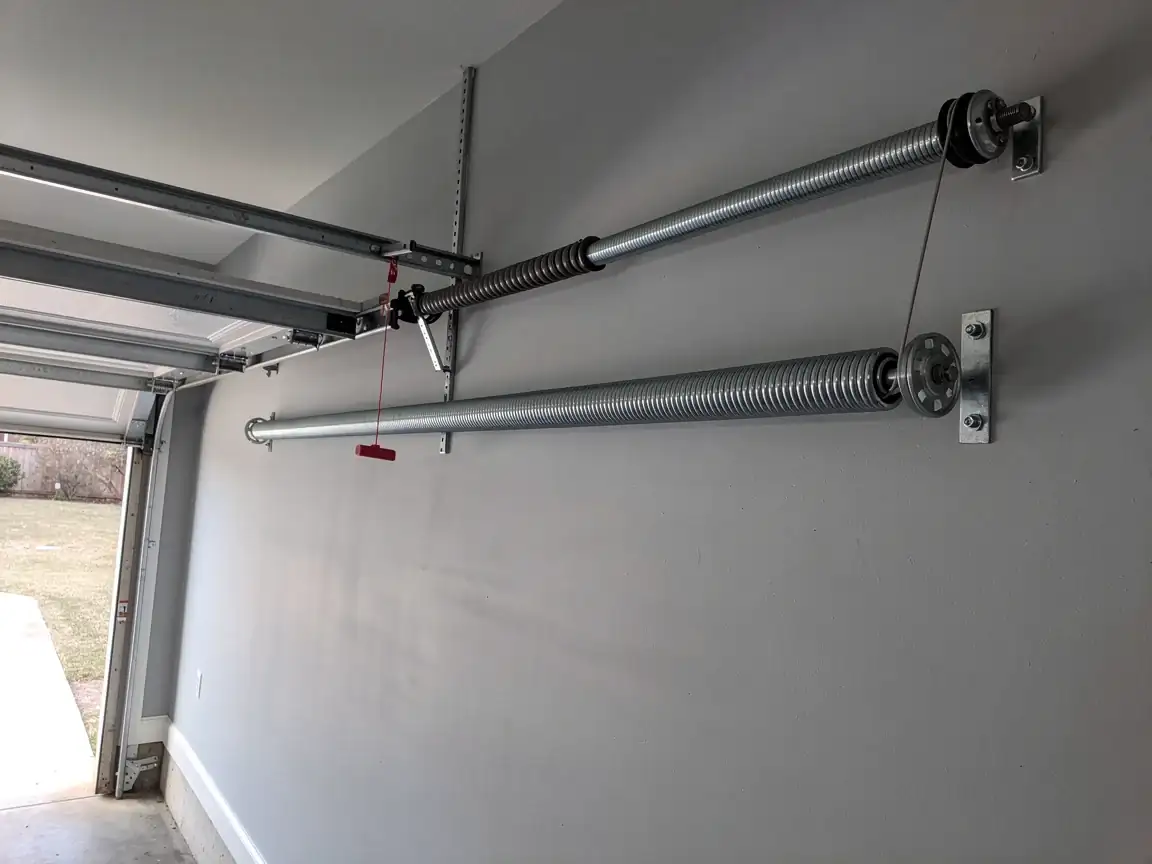
If it's a spring, we match it to the door's weight and cycle count rather than just swapping in whatever's closest, since homes built across the 1972-2011 run here came with a wide range of door weights and spring sizes. If it's the track, we check whether the bend is from age or from an impact - a bent track from a backed-into door is a different repair than one that's sagged over three decades.
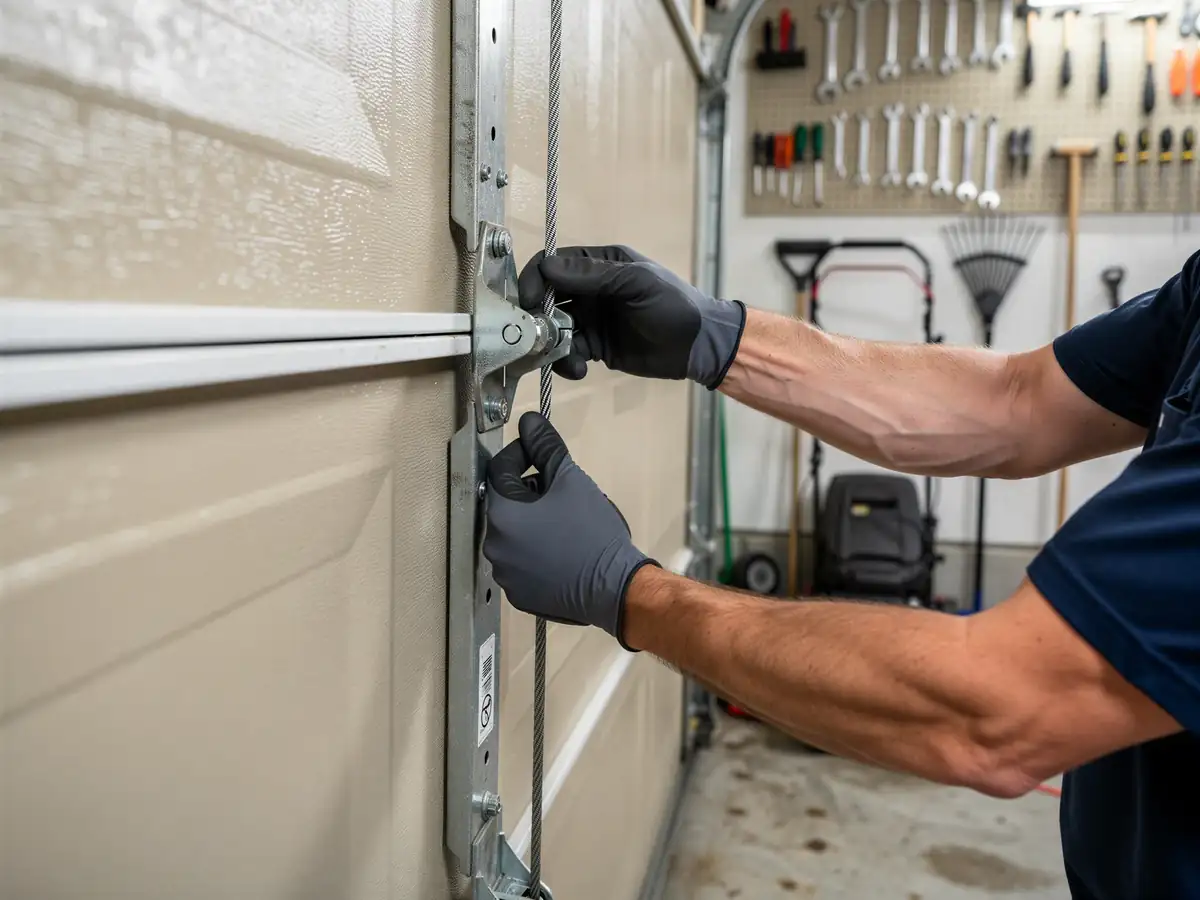
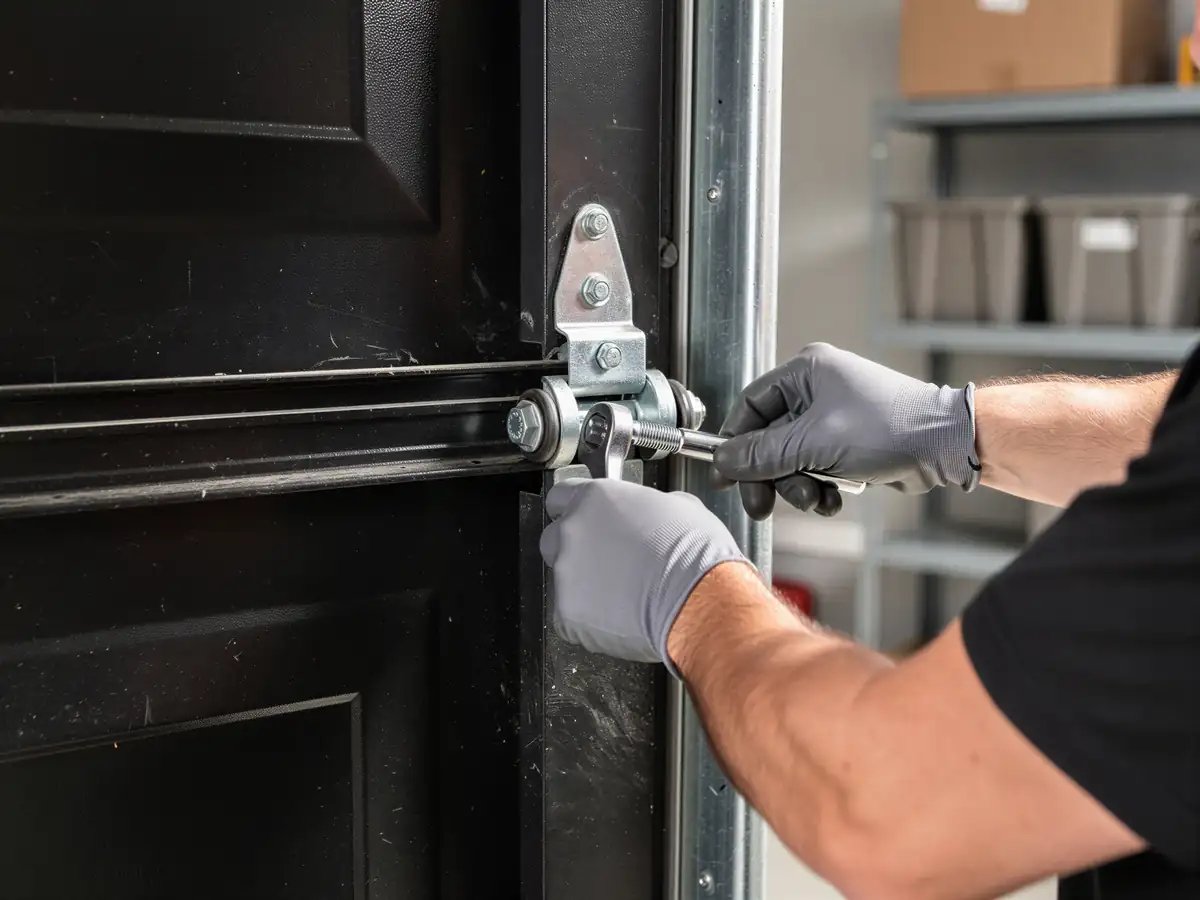
We don't replace a whole door system when the fix is a cable, a hinge, or a set of rollers. If the door itself is sound, we say so, and we tell you when a full opener swap actually makes more sense than another round of part repairs on an old unit.
What You Are Seeing
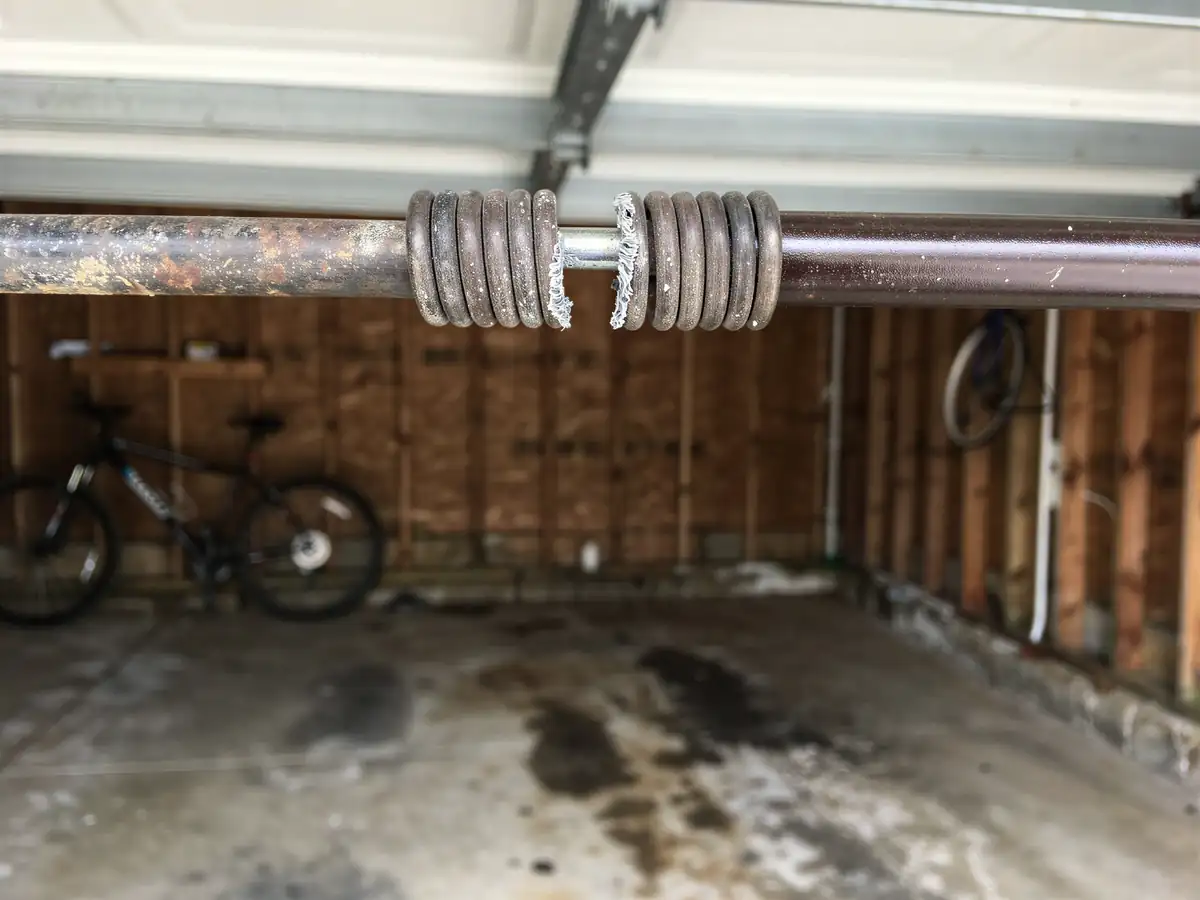
The door won't open past a foot or two, or it opens and then reverses itself halfway down. Sometimes it's a loud bang from the garage followed by the door refusing to budge at all - that's almost always a spring letting go, not the opener failing. Other times the door runs crooked, scraping one side of the frame, which points to a track out of alignment or a cable that's jumped its drum.
On older openers, you'll hear the motor straining or humming without the door moving - the gear inside has stripped because the springs stopped carrying their share of the weight months before anyone noticed. With 592 owner-occupied houses across the area we work in, and housing mostly dating to the 1980s and 90s across the two main pockets we see the most, a lot of these doors are running original or first-replacement hardware that's well past the point where small noises matter.
Why It Happens Here
Columbus sits in a mild climate with occasional freeze
Which doesn't sound like much compared to harsher regions, but it's exactly the kind of swing that wears out galvanized spring coating and steel track brackets slowly instead of all at once - rust creeps in during damp stretches, then a cold snap makes the metal more brittle right when the spring is under full tension. That's a different failure pattern than you'd get in a place with either constant heat or hard winters.
The bigger factor is age
With a median build year around 1991 and stock running from 1972 through 2011, a large share of garage doors in the service area are on their original torsion springs or close to it - most springs are rated for a set number of open-close cycles, not years, and a door opened twice a day for three decades has used up that rating a while ago. Newer builds out toward tend to have fewer of these old-hardware calls than the older pockets closer to simply because the doors haven't logged as many cycles yet.
How to Book
Call and describe what the door is doing - whether it's stuck, reversing, off-track, or just loud - and we'll tell you honestly whether it sounds like a same-visit fix or something that needs a part ordered first. We don't keep every spring size or every opener gear on the truck, so if your hardware is an older or less common size, there may be a short wait on the part.
We work across the Columbus service area, including out toward Waverly Hall and Hamilton for homeowners who call ahead. Have the door's approximate age and whether it's a single or double door ready when you call - it speeds up the diagnosis before we're even on site.