How We Fix It
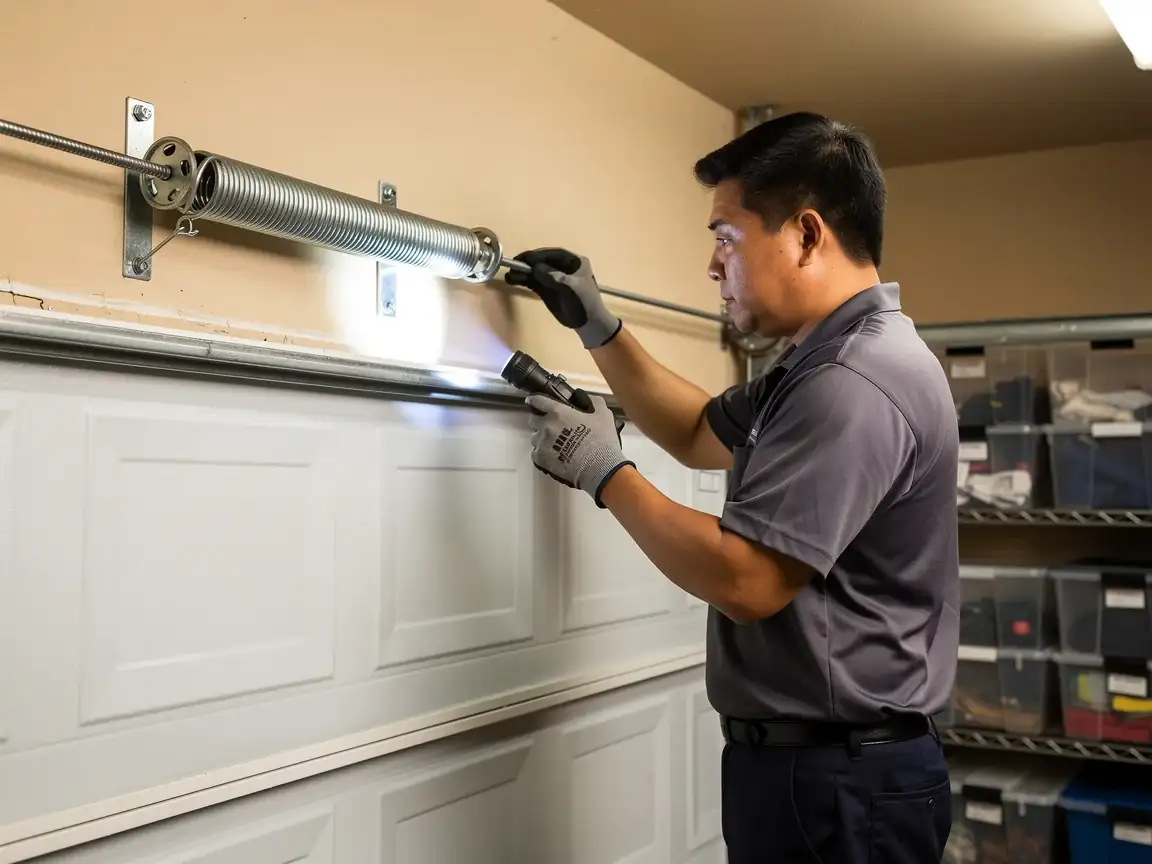
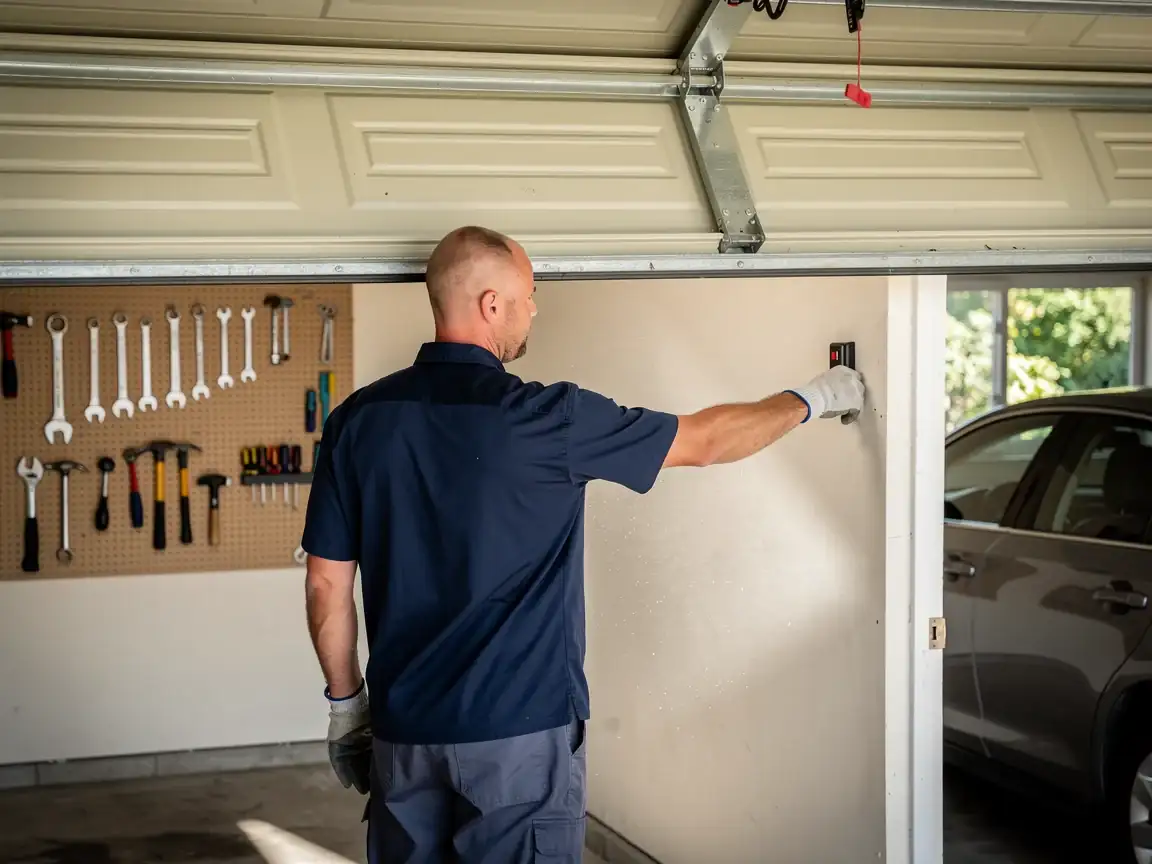
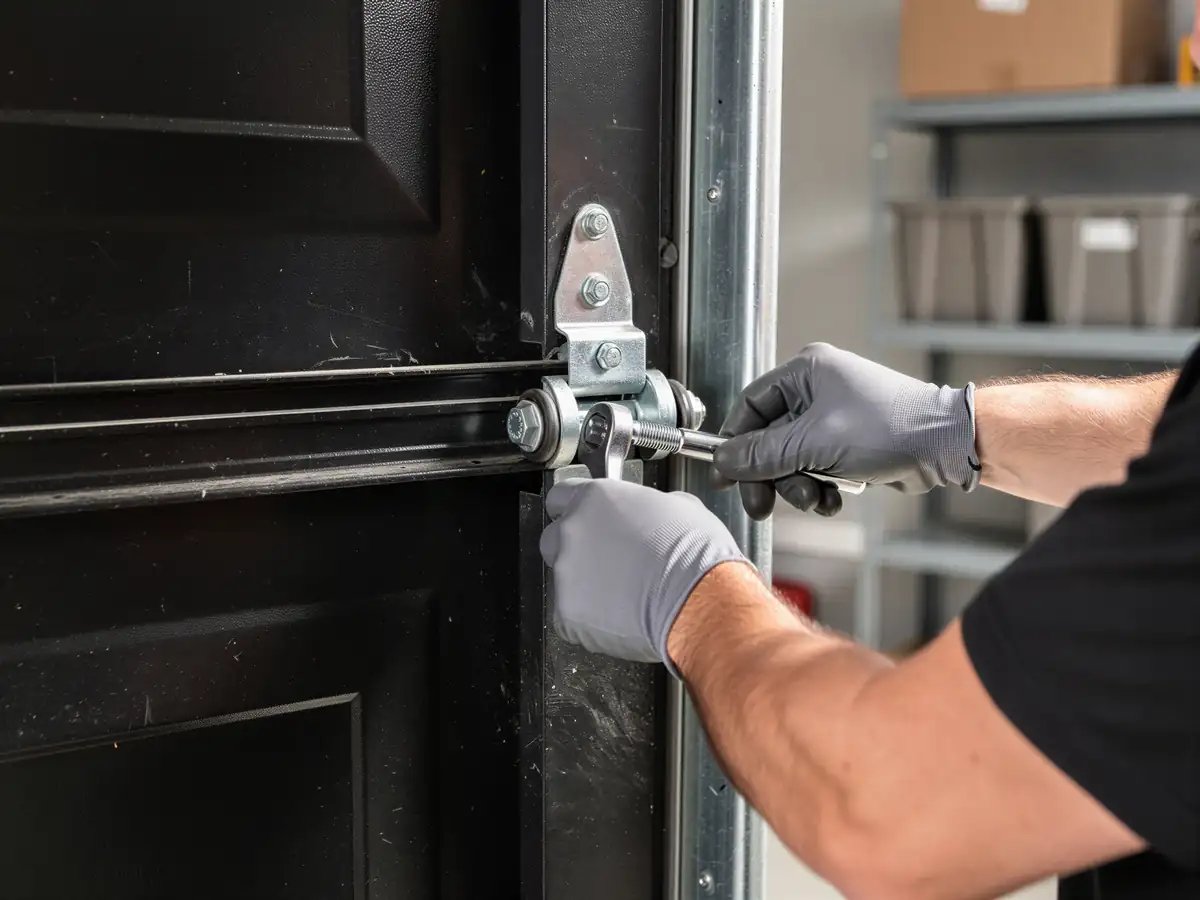
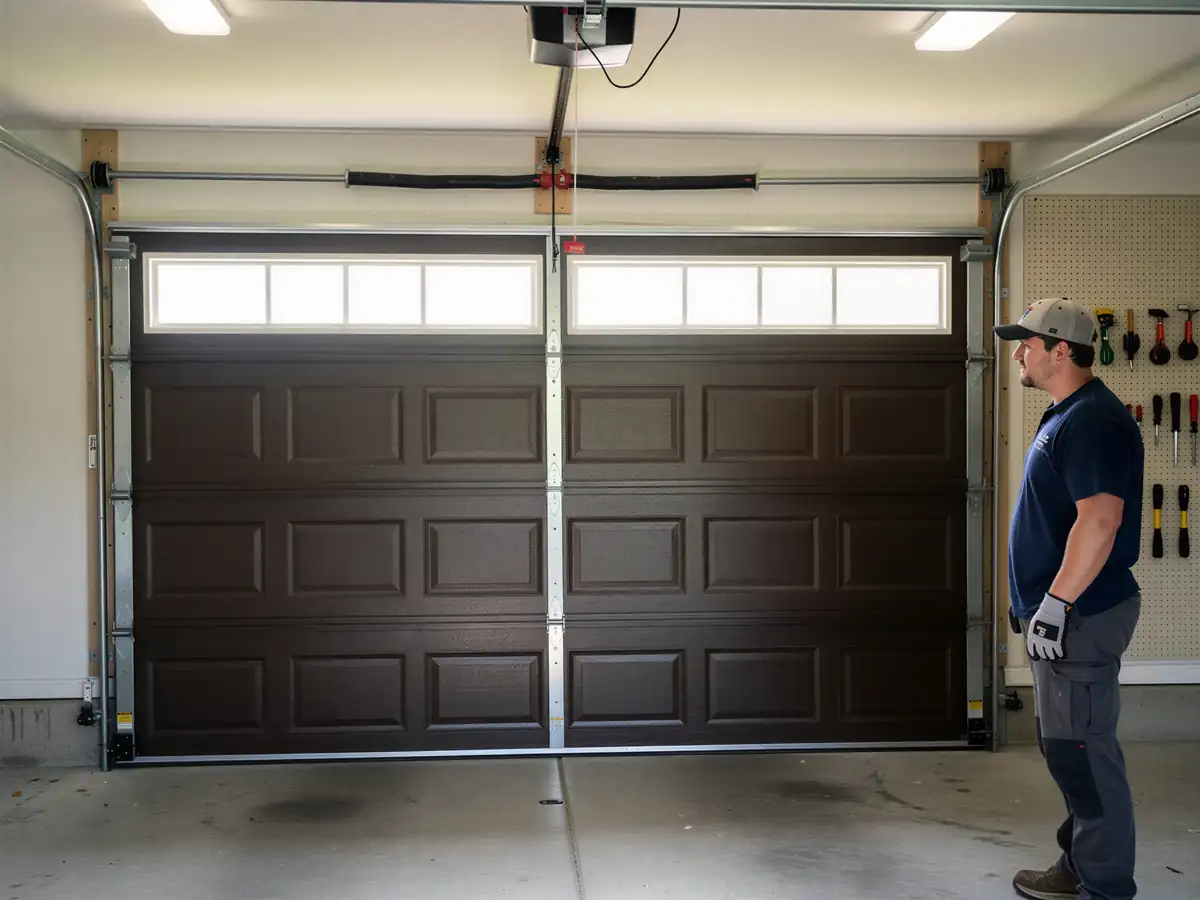
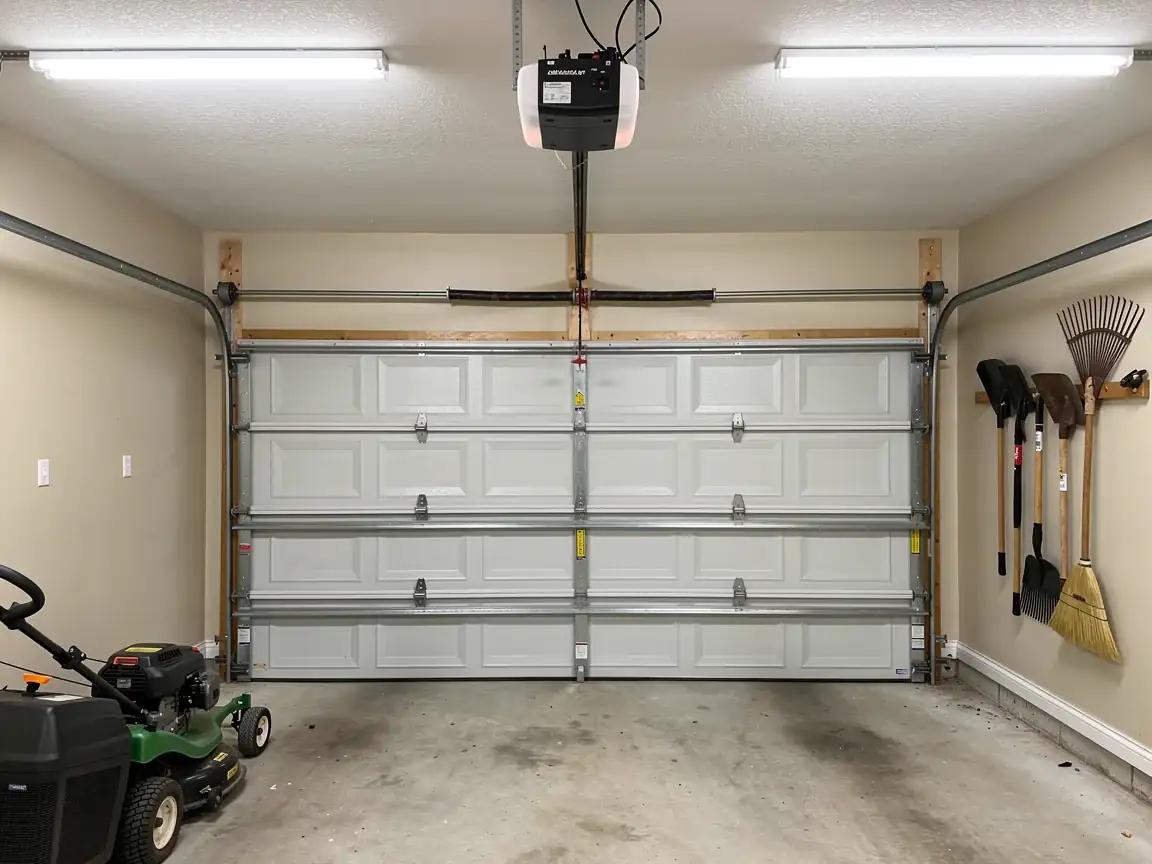
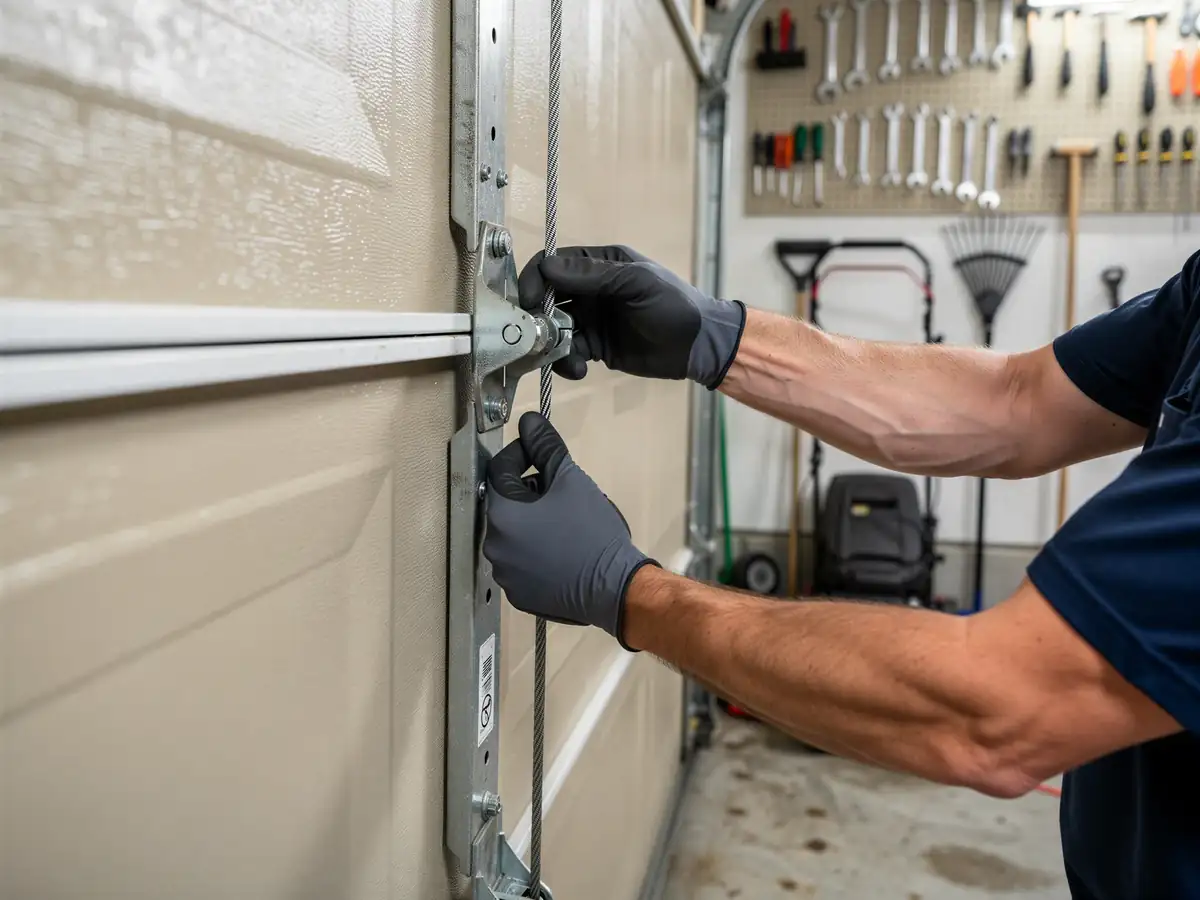
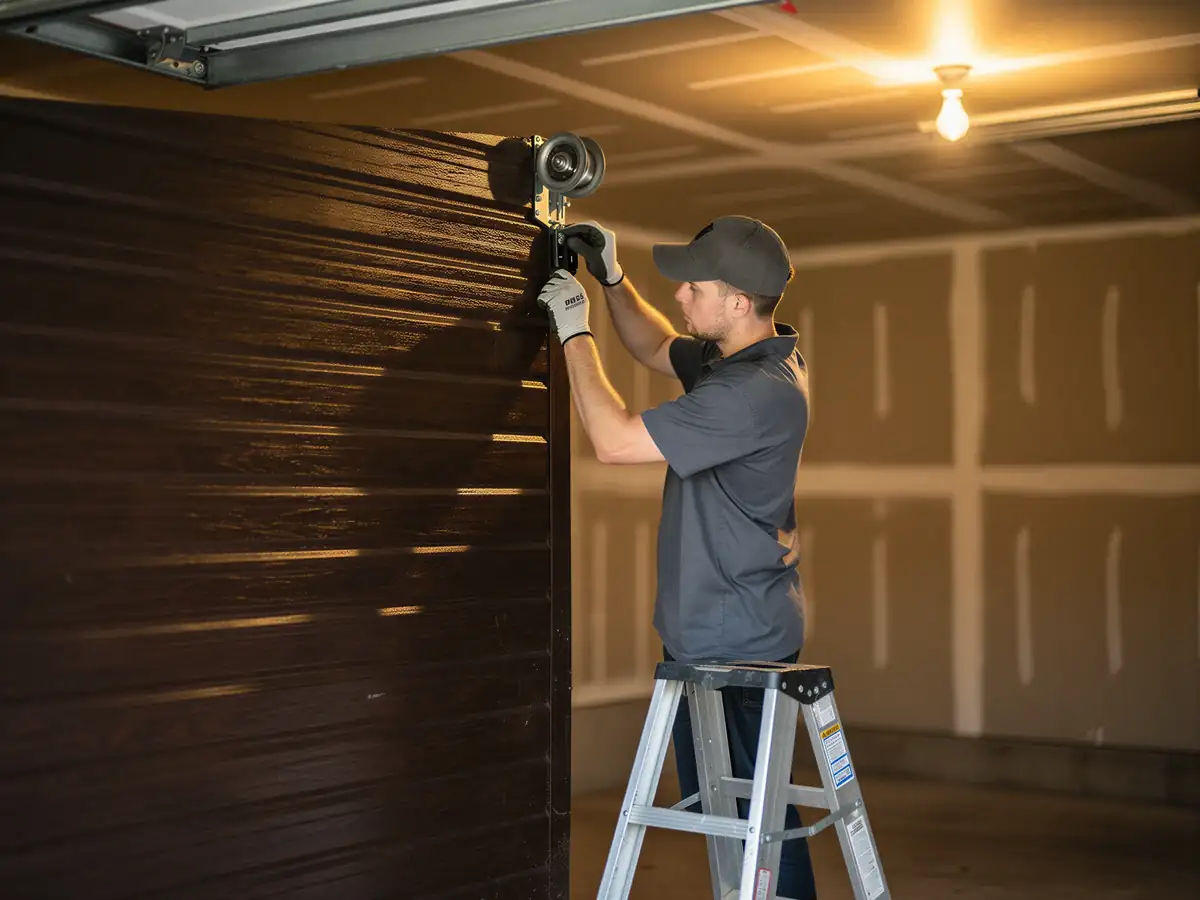
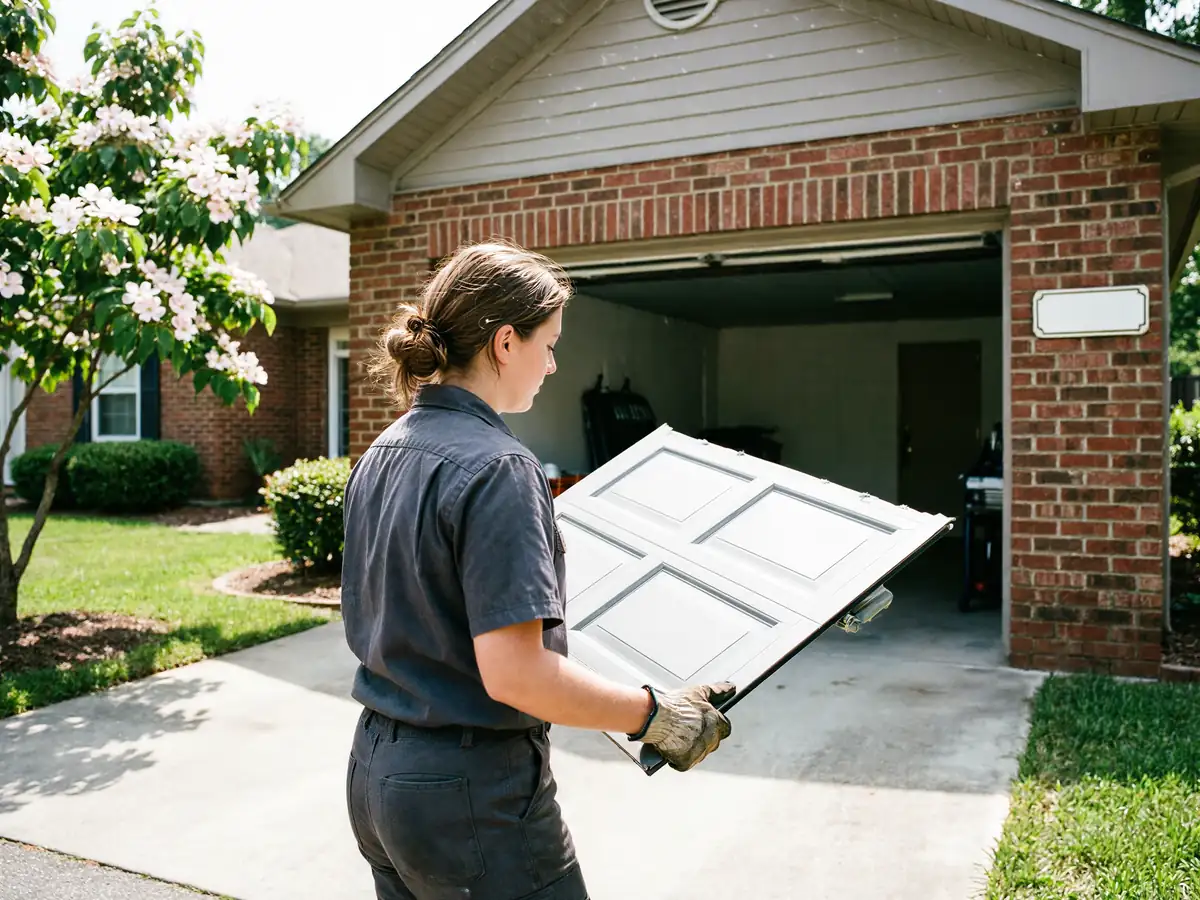
We start by finding out whether the panel can be swapped on its own or whether the whole door needs to come down. Sectional doors are built in individual panels bolted to the hinges and tracks, so in most cases we can pull the damaged section and bolt in a replacement without touching the rest of the door. We order from the same manufacturer run when the door's old enough that the original profile is no longer made, which happens more than you'd think on doors installed back when a lot of this area's housing went up.
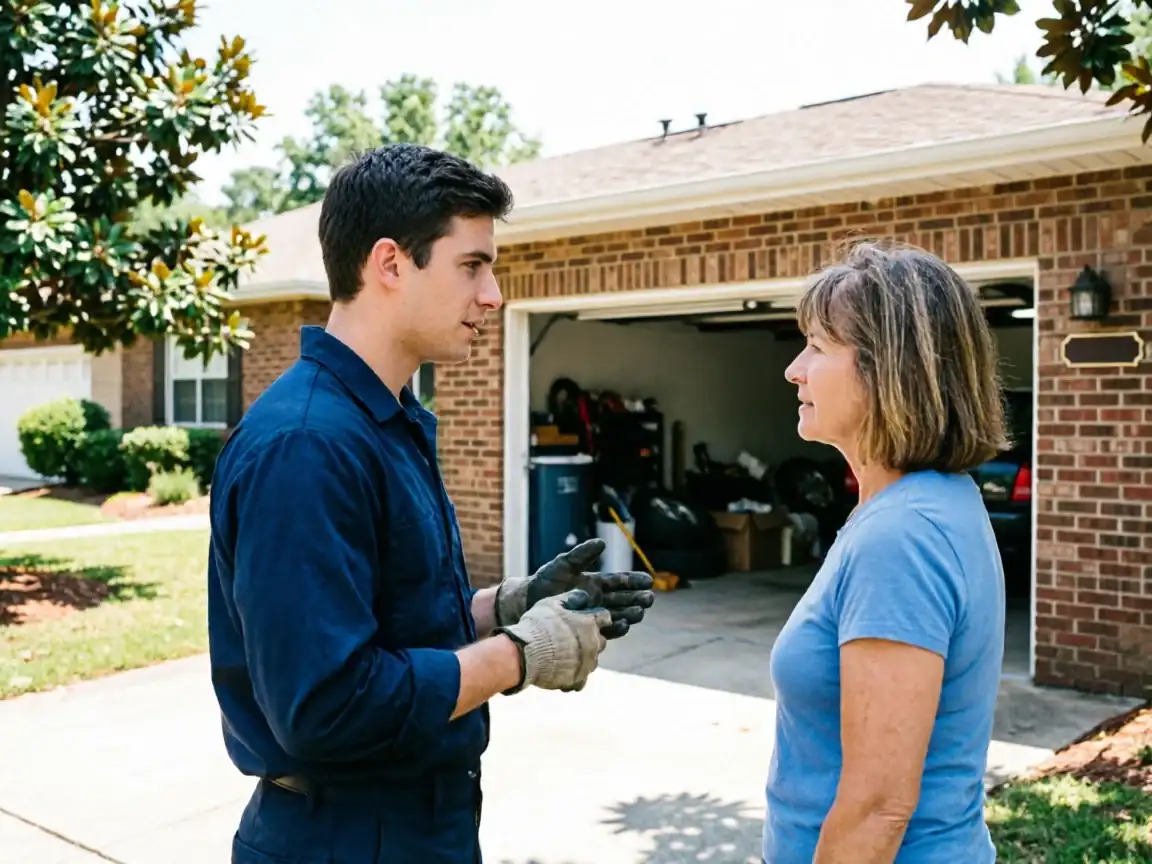
Here's the honest part: if your door was installed in the early 1990s and the manufacturer has since changed its panel groove spacing or embossing pattern, a perfect color and texture match isn't always possible. We'll tell you straight if that's the case before we order anything, and lay out whether a close match on one panel is worth it or whether you're better off replacing all the panels at once so the door reads as one piece. We don't push a full door replacement when a panel swap will hold up fine - that call gets made on the actual door in front of us, not a sales script.
What You Are Seeing
The calls we get are pretty consistent. A bottom panel with rust bubbling up through the paint near the weatherstrip, usually worse on the side that sits lower or catches runoff. A dent from a bumper tap or a thrown mower rock that's put a crease across one panel's steel skin. Cracking along the bottom edge where the panel flexes every time the door opens, especially on doors that get used several times a day.
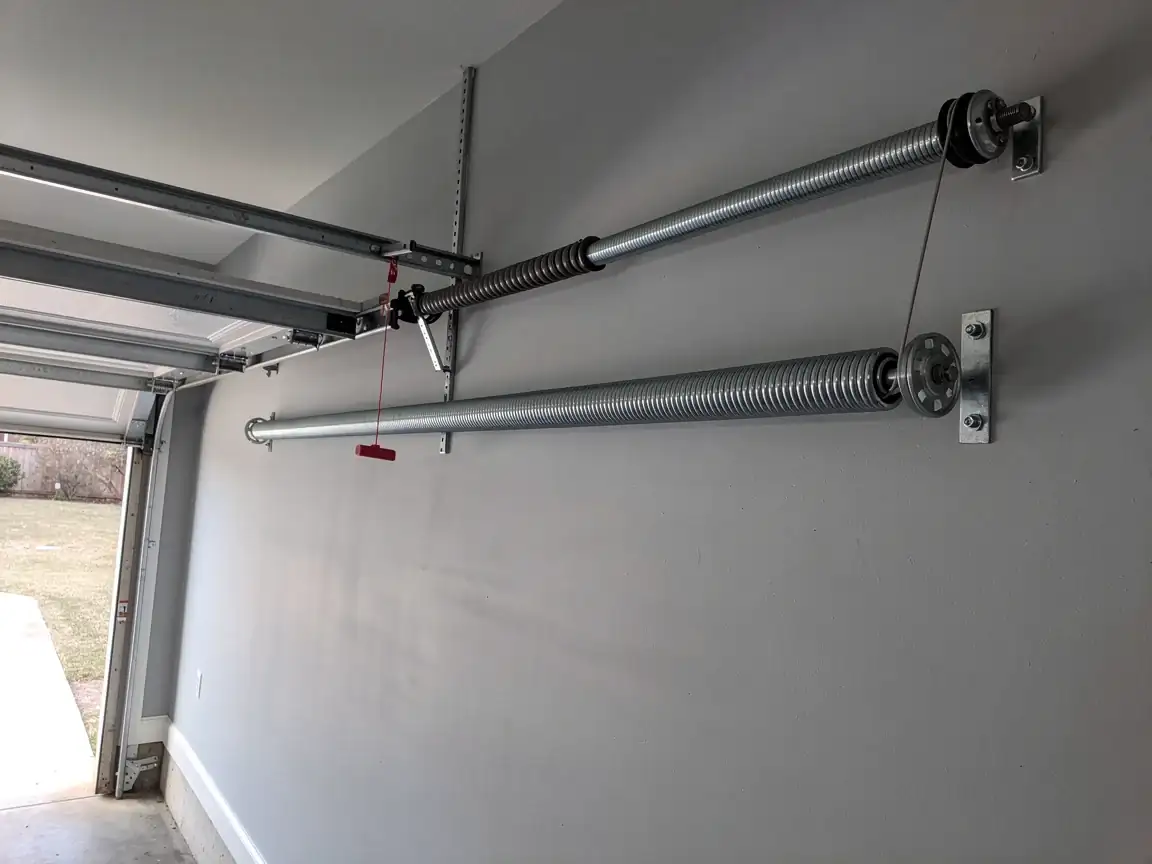
Sometimes it's less obvious - a panel that looks fine from the driveway but has hardware pulling loose from softened, rusted-through steel behind the hinge, which usually shows up as a door that racks or binds in the track on one side before anything visibly breaks. If you're seeing daylight through a seam that used to sit flush, or paint that's lifted and flaking in a pattern that follows the bottom foot of the door, that's a panel problem, not a spring or opener issue, and it won't fix itself.
Why It Happens Here
Most houses this door serves went up between 1972 and 2011
With the median build year sitting at 1991, and the bulk of the stock across the two main pockets of the service area dates to the 1980s and 90s. That means a lot of original steel panels are now thirty-plus years old, which is close to the end of the line for painted steel skins even on a door that's never taken a hit.
The climate here doesn't throw hard freezes or heavy snow loads at a door
But it does run mild with occasional freeze snaps, and that's its own kind of wear. Steel panels sweat with humidity swings and then see the odd cold night, and that cycle works on the bottom panel in particular, where ground moisture sits longest. It's not the dramatic failure a true cold climate would cause - it's slow rust creeping up from the bottom edge over a couple decades, which lines up almost exactly with how old the panels on these houses are getting.
How to Book
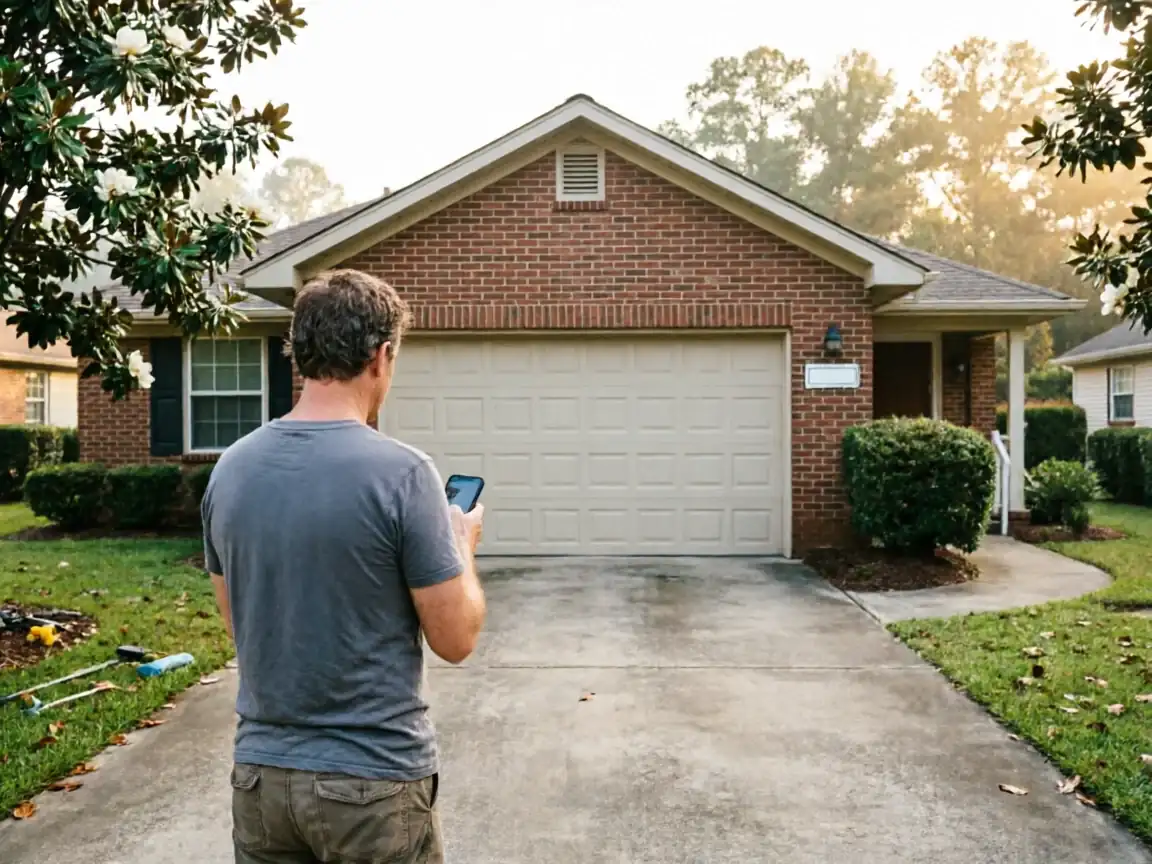
Call and tell us the dent, crack, or rust you're seeing and roughly how old the door is - that's enough for us to start checking whether your panel style is still in production. We cover the full service area, which runs from about three miles to the southwest, out through five miles to the northeast eight miles to the northeast, with Waverly Hall and Hamilton further out at fifteen and eighteen miles. Across that area there are 862 households and 592 owner-occupied houses, a good share of them with original panels from the same build era.
Median household income in the area runs $73,654, which is enough on most jobs to cover a matched panel without having to jump straight to a full door replacement - we'll give you both numbers up front so you can decide. If you'd rather start online, our contact page has the details.