What the Housing Means for Your Door
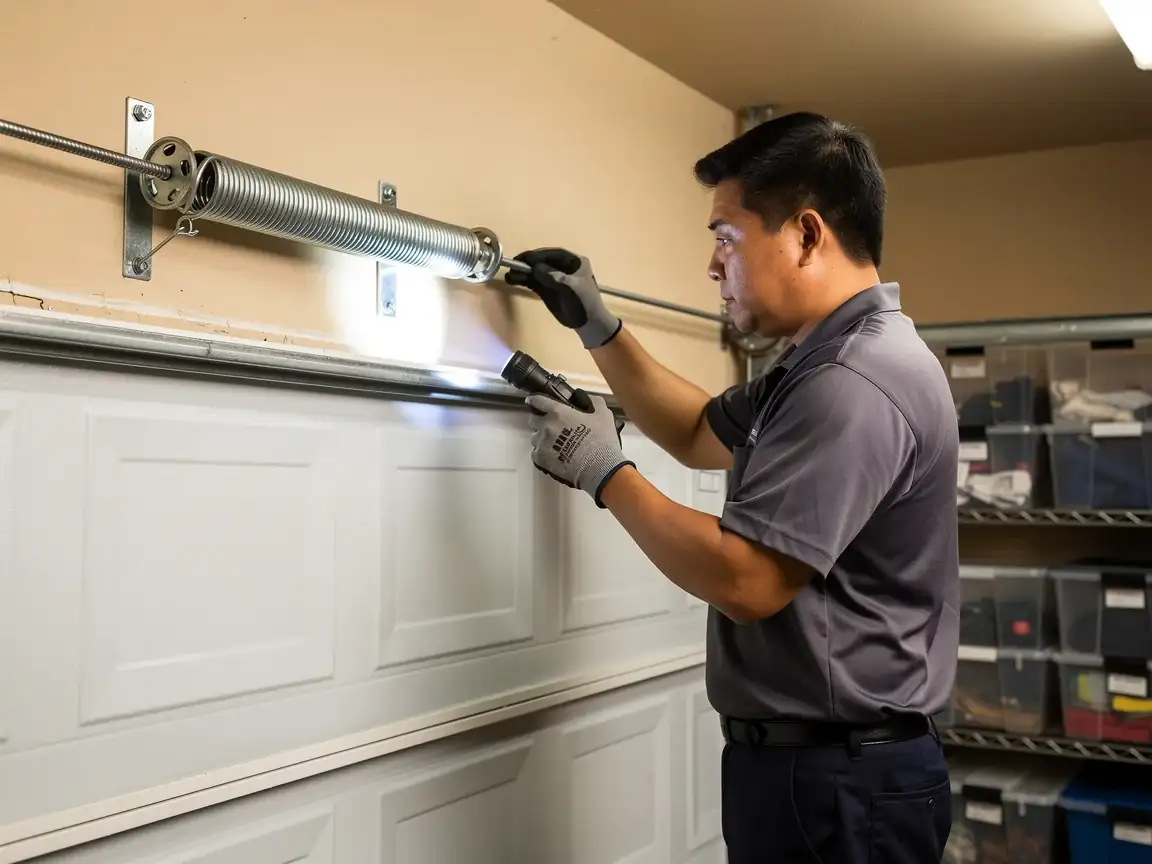
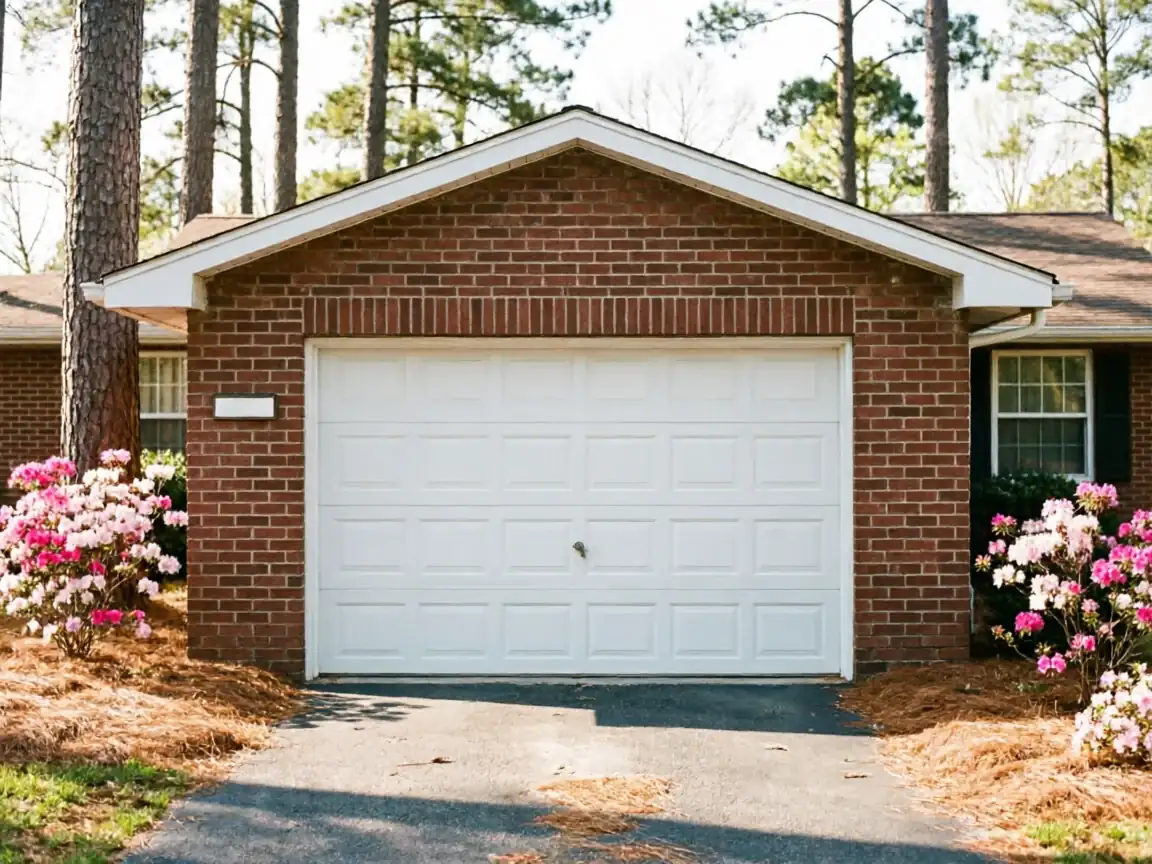
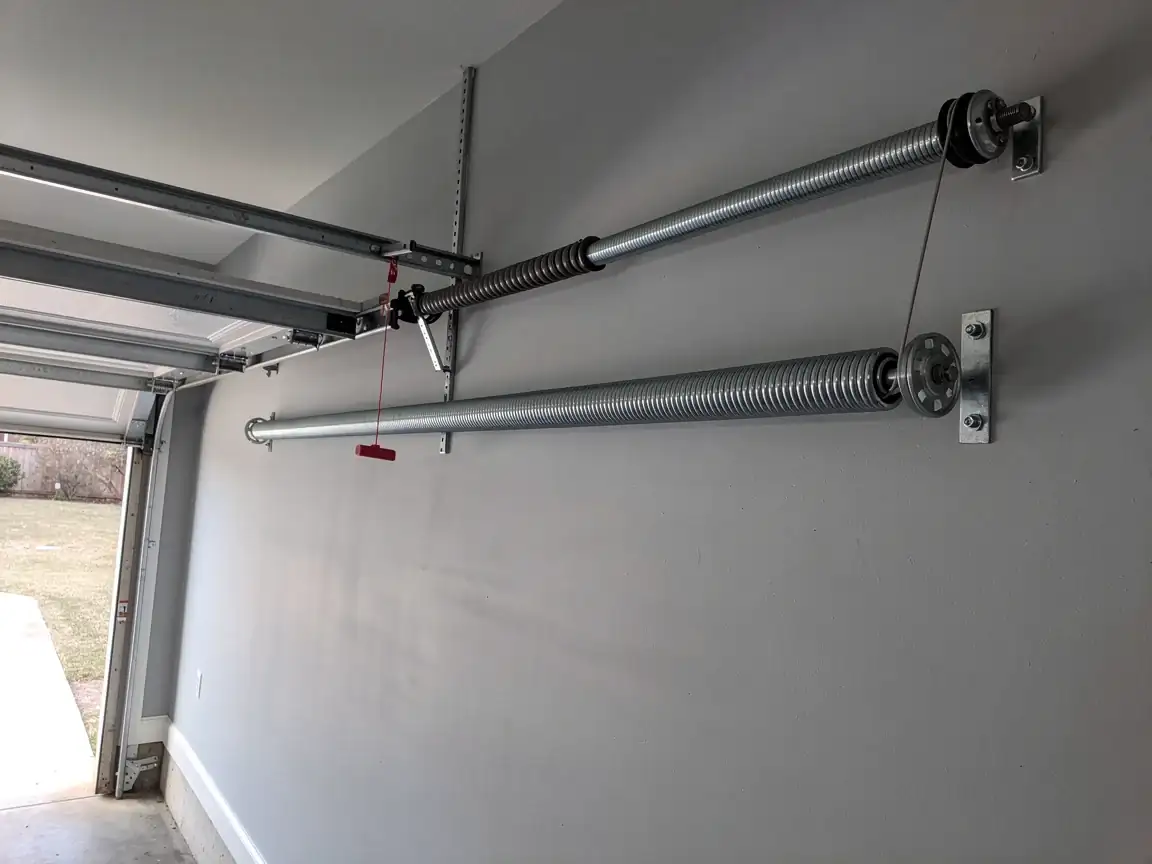
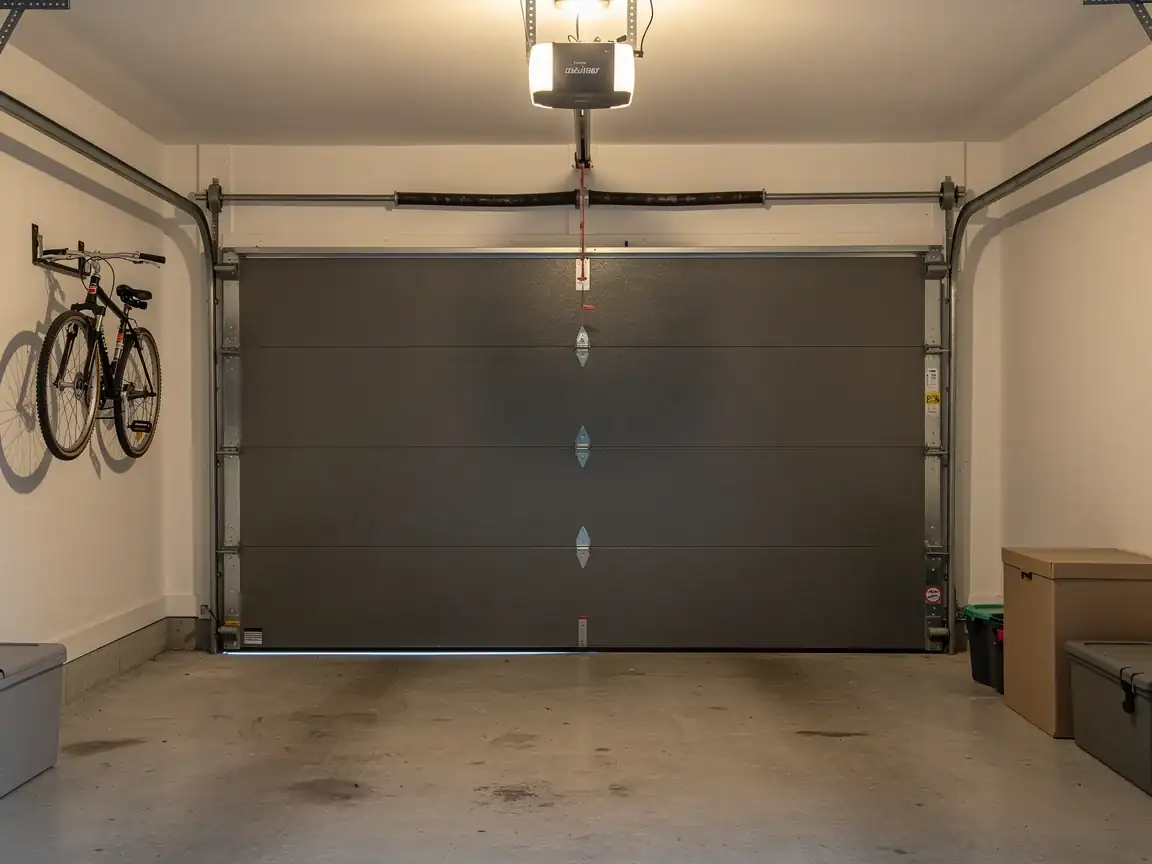
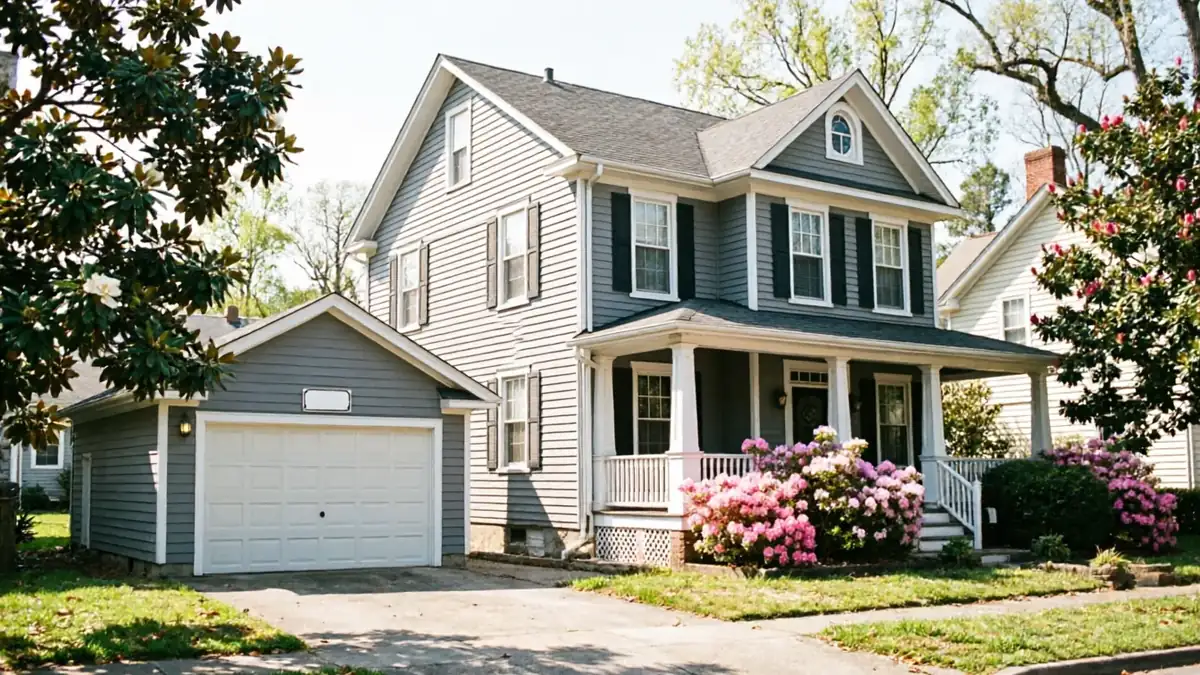
Waverly Hall's housing stock centers on a median build year of 1972, which puts a lot of these garages a solid two decades ahead of the newer construction you'll find closer into Columbus. That matters more than people think. A door hung in 1972 or the years right around it is likely still running on its original track brackets, and if nobody's swapped the spring system out, you're looking at extension springs mounted along the horizontal track rather than the torsion setup that became standard later. Extension springs wear differently, they're louder, and the safety cables that are supposed to contain them weren't always required when these doors went in.
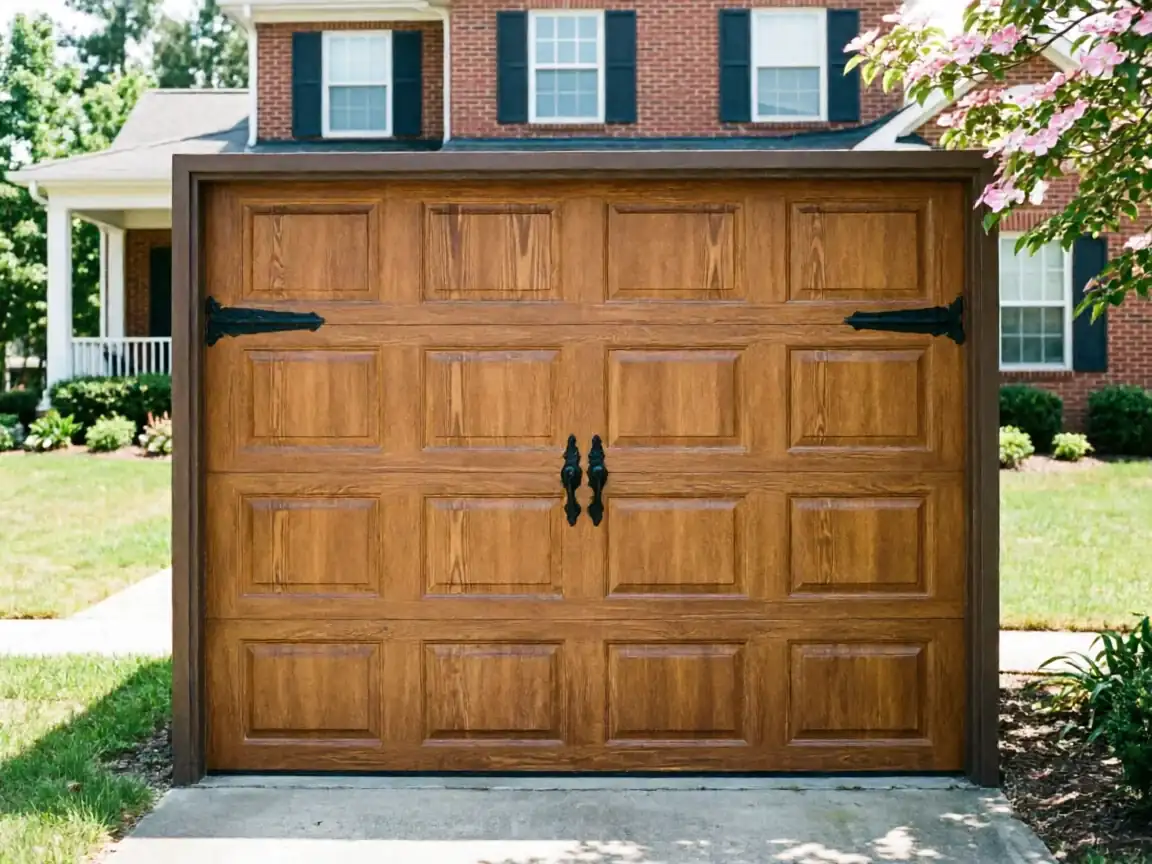
We're not saying every door here is original - plenty of homeowners have replaced openers and sections over the decades. But when we get a call out this way, we come expecting older hardware, not current-code setups. That shapes what's in the truck and what we check first: hinges stretched past spec, bottom brackets that were never meant to carry 50 years of cycles, and lift cables fraying at the drum. If your door still has its factory parts, there's a real chance it's a 1970s door, and that changes the repair math.
Common Jobs Here
The jobs we run in Waverly Hall skew toward wear, not storm damage or installer error. Extension spring replacement comes up often, since a lot of these doors never got upgraded to torsion. Roller replacement is common too - steel rollers from the build era have usually outlived their bearings even if nobody's noticed the noise creeping up over the years.
We also see openers that are on their second or third unit but still paired with the original track and door panel, which can cause fit issues if the replacement opener wasn't matched to the door's weight and travel. Panel rust along the bottom section shows up on houses close to grade with poor drainage, though that's a site-specific issue, not something tied to the whole area.
One honest note: if a door's springs, cables, and rollers are all original from a 1970s install, sometimes the more sensible call is a full hardware changeover rather than patching one failed part at a time, since the rest is close behind it. We'll tell you that straight rather than charge you three separate visits.
The Drive Over
We run out to Waverly Hall from Columbus, about 15 miles each way
That's a trip we plan into the day rather than treat as a quick add-on, so if you call, expect us to give you a window rather than a promise we can't back up with a truck sitting ten minutes out. We don't keep a depot or stock out this direction - everything comes from Columbus, which means the parts on the truck are what we loaded that morning based on what you tell us over the phone.
- 15 miles
Climate-wise, this area sits in a mild band with occasional freeze risk
Which doesn't demand much of a door on its own, but combined with 1970s-era hardware it means metal that's already fatigued from decades of cycling gets a little more brittle on the rare cold snap. It's not a dramatic factor, just one more reason older springs here are closer to the end of their life than the same age spring would be somewhere with zero freeze days.
What Was Built Here
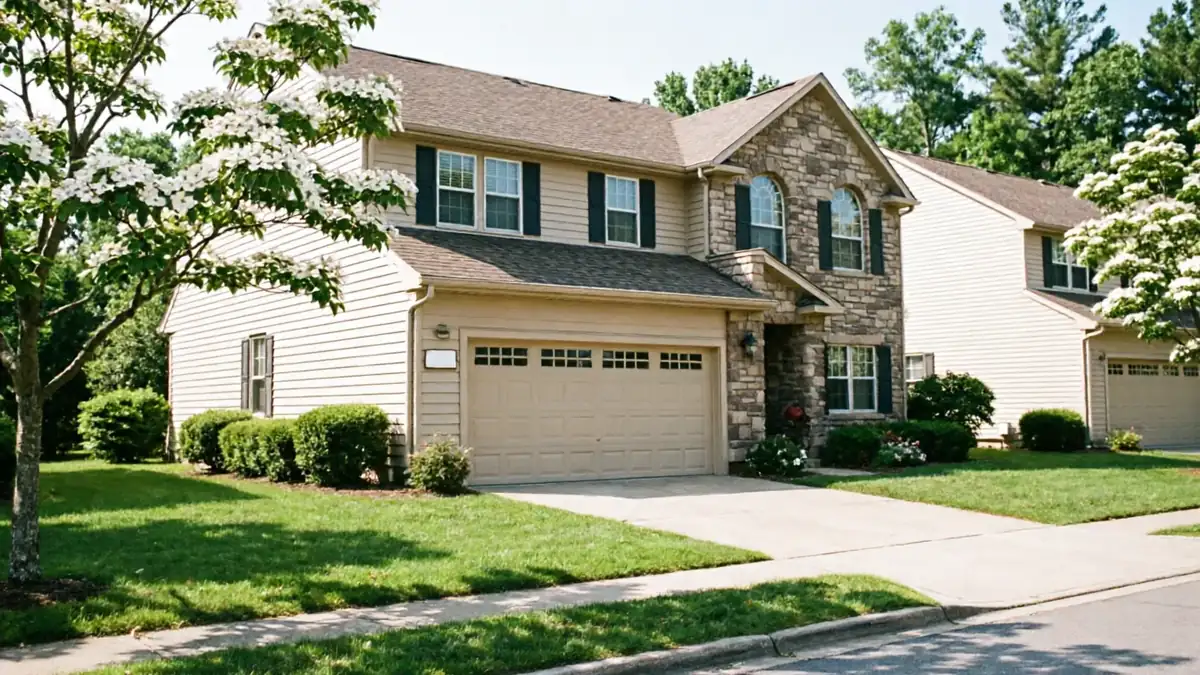
Waverly Hall counts around 277 households, and the housing reflects a town that grew steadily rather than in one big subdivision push - median build year 1972 tells you most of what's here went up well before garage door opener safety reversal sensors were required, let alone before steel-reinforced sections were the default. Median household income runs around $46,806, which tends to track with homeowners who maintain rather than replace outright, and that fits what we see on calls: doors kept running long past when a newer-built home's door would have already been swapped.
We won't pretend to know your specific street or subdivision - we don't have a landmark list for Waverly Hall, just the housing-age and income data that shapes what kind of door and hardware is likely behind your garage wall. If you're not sure how old your door or opener is, that's a fair question to ask us when you call, since it changes what we bring.