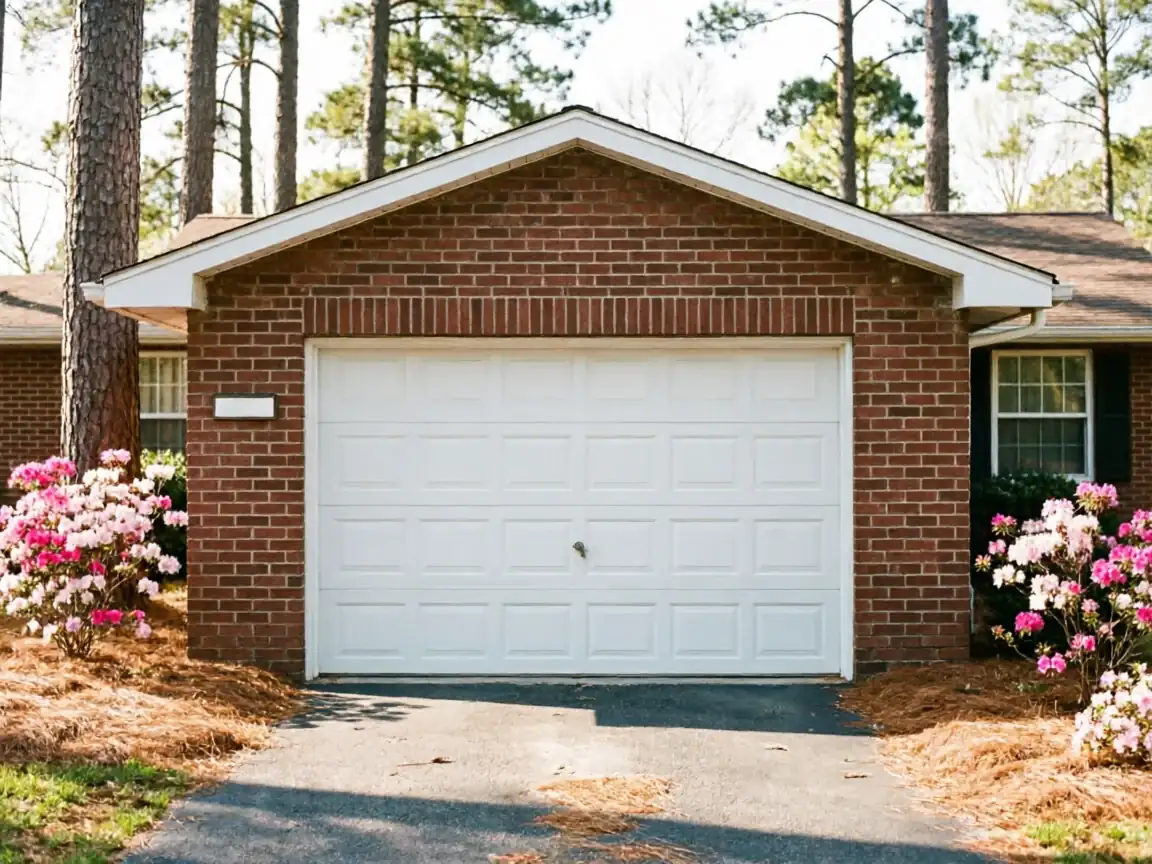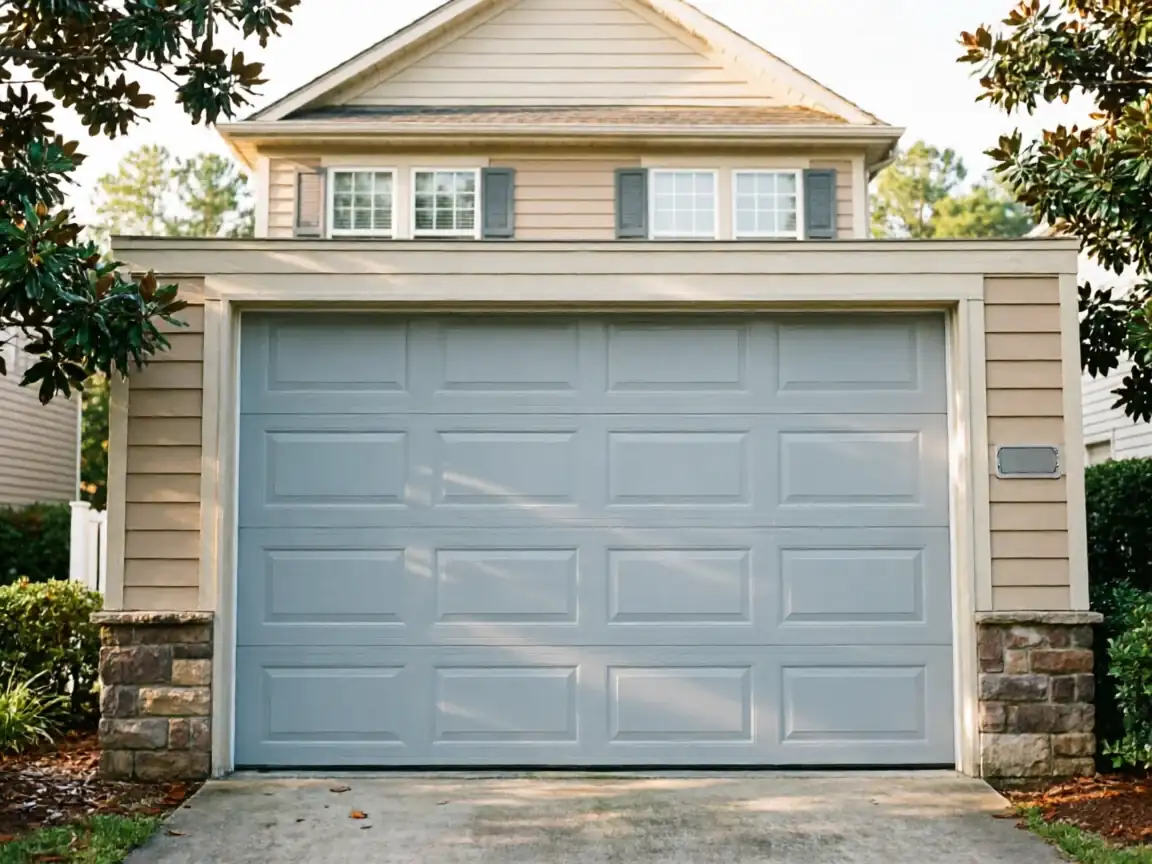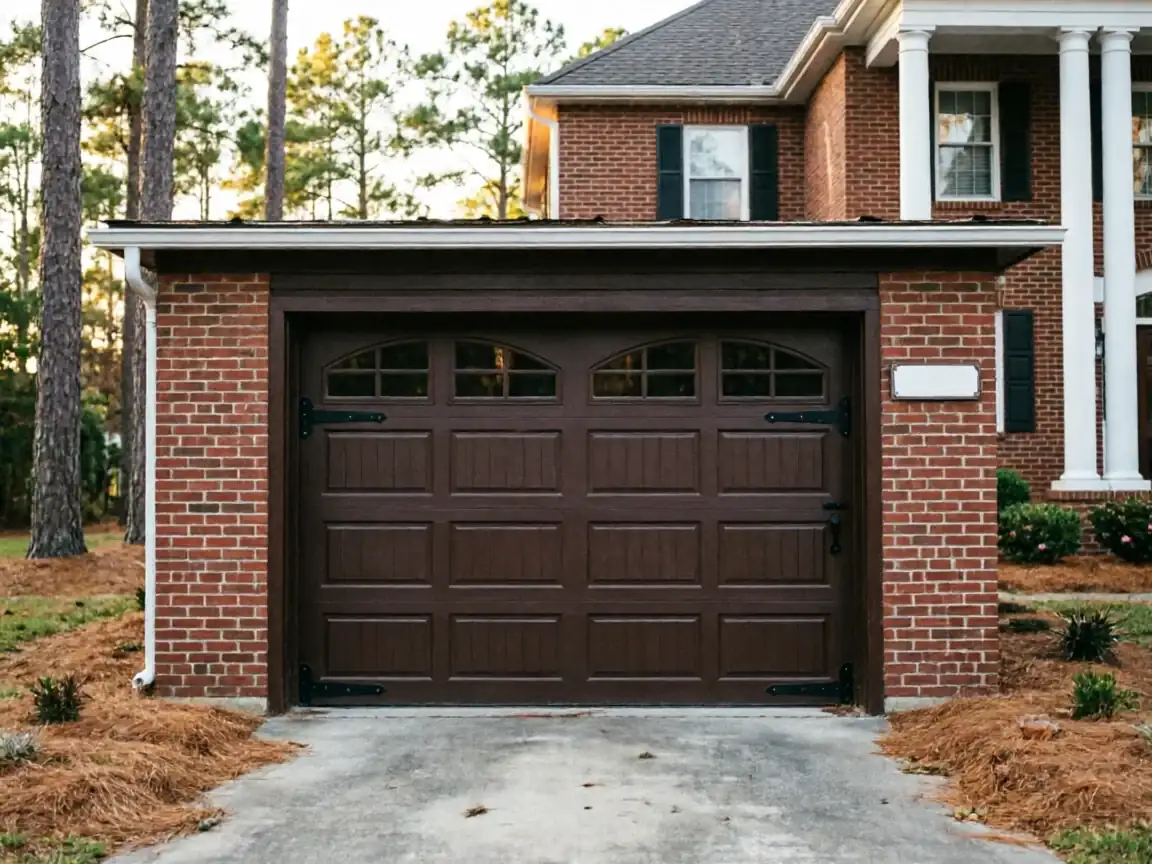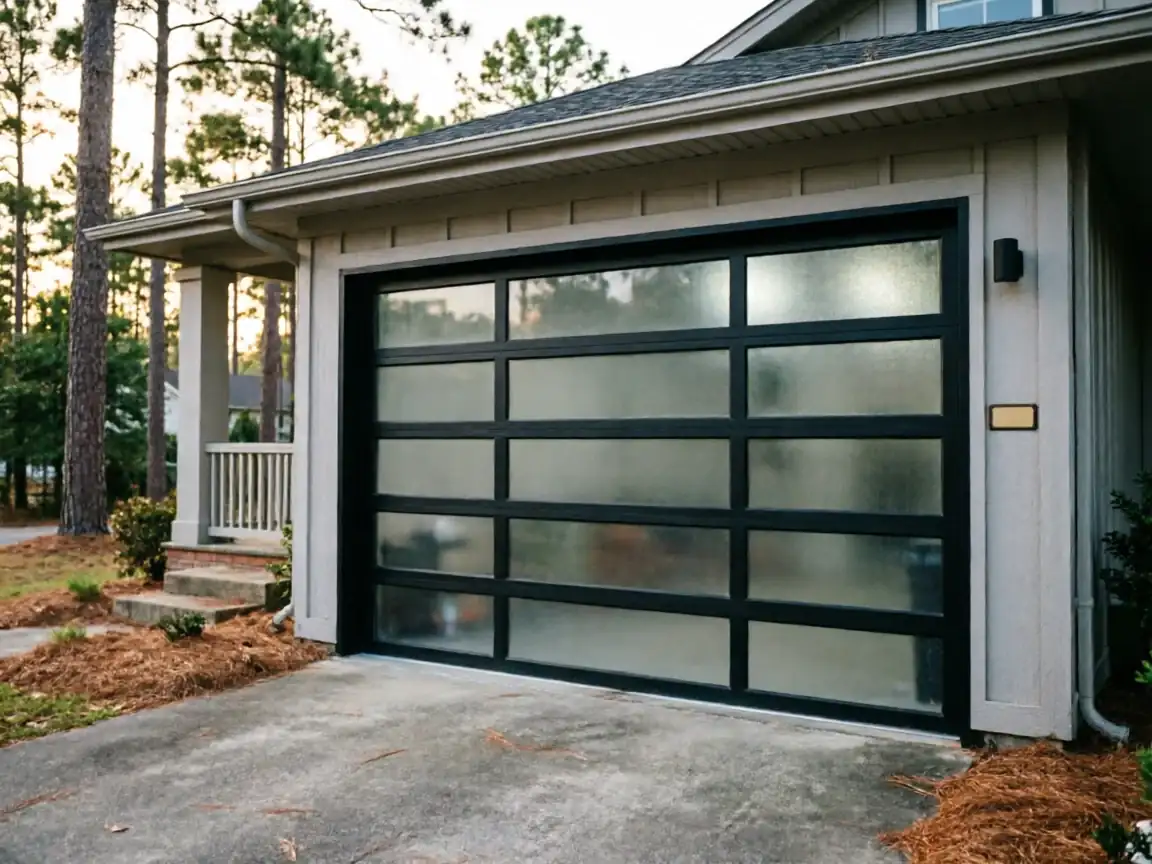
What the Housing Means for Your Door
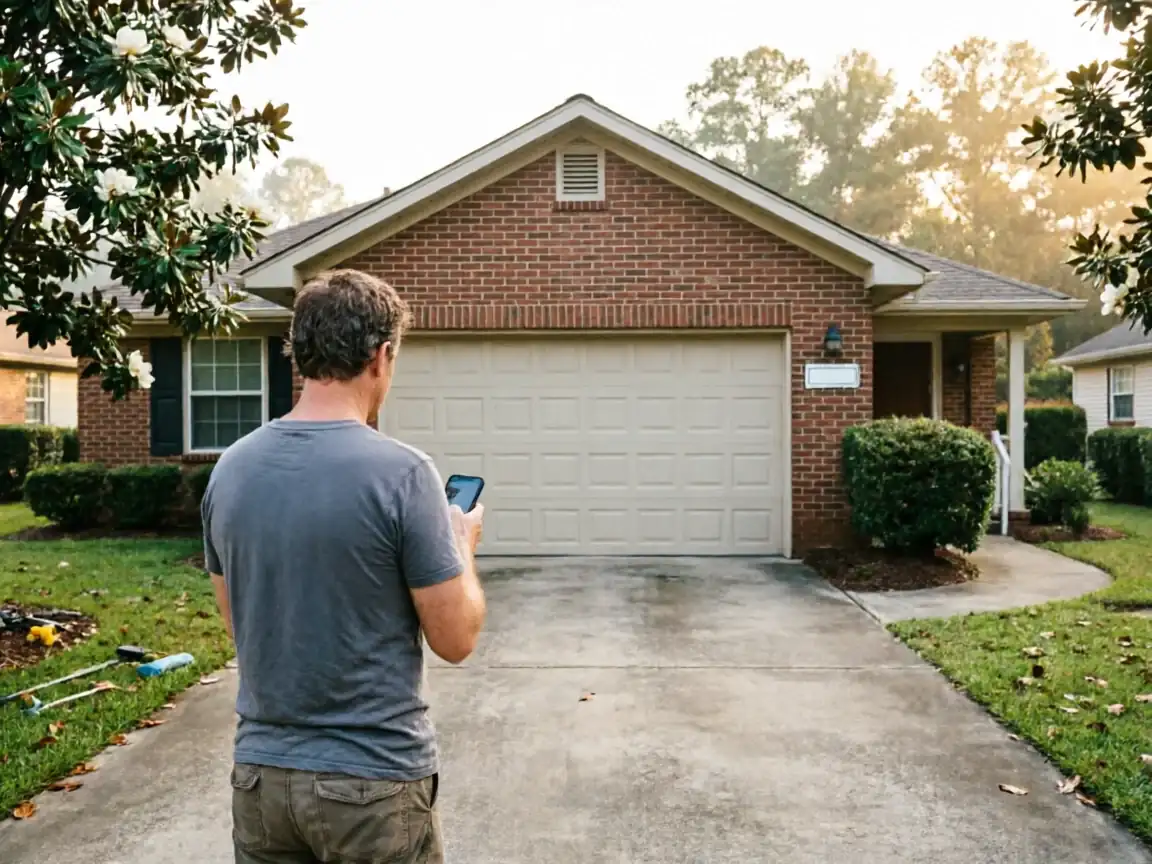
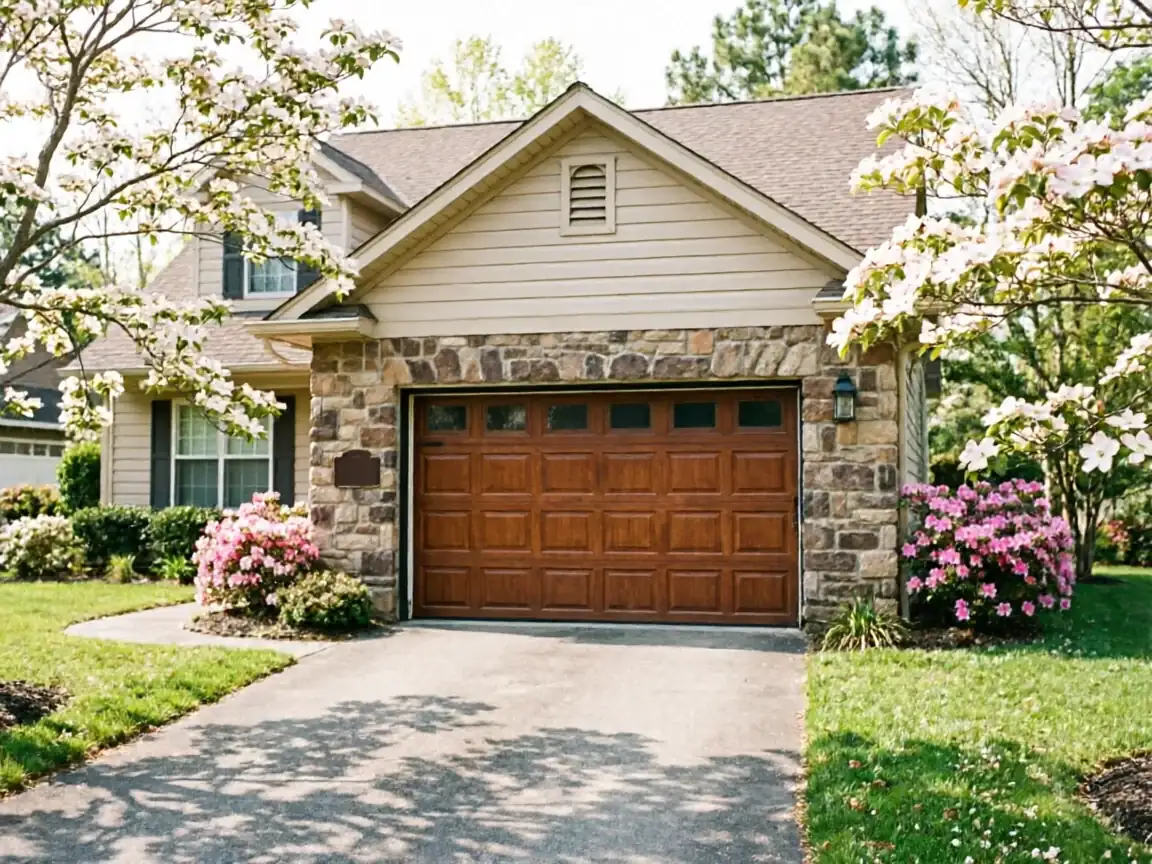
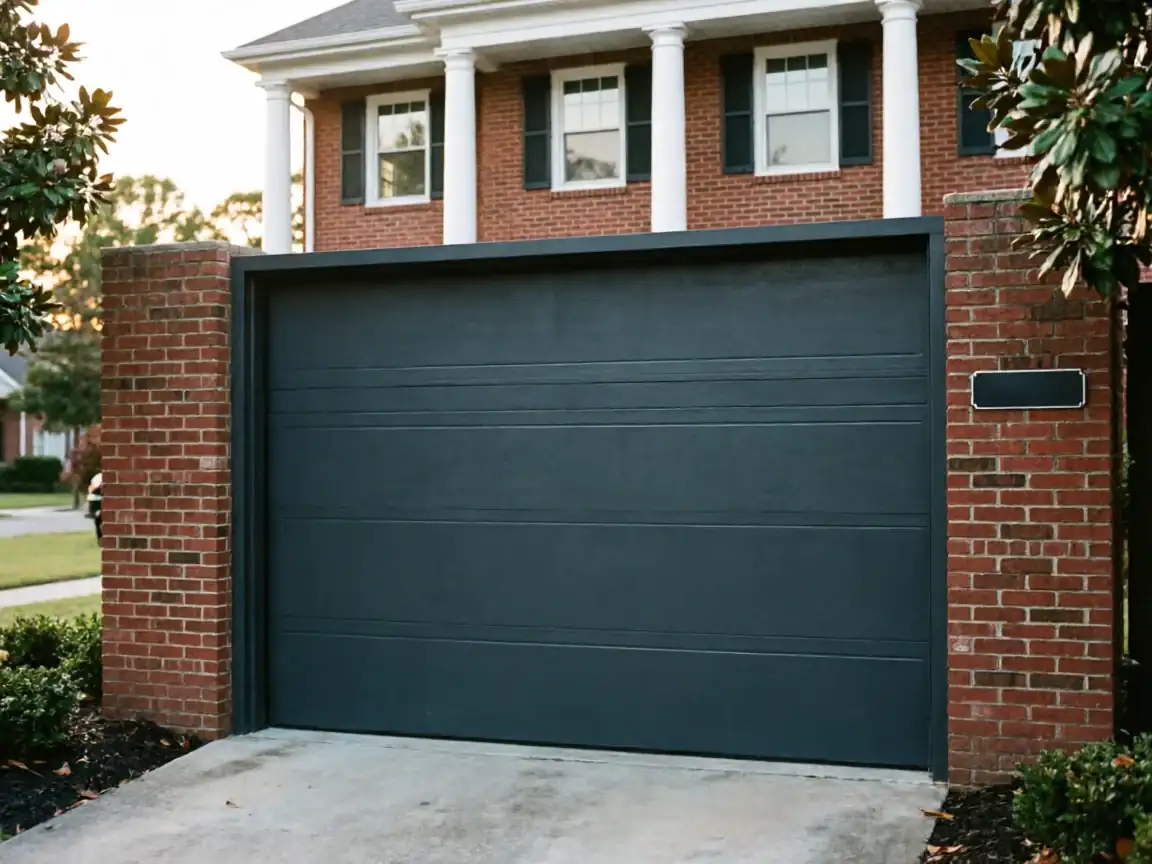
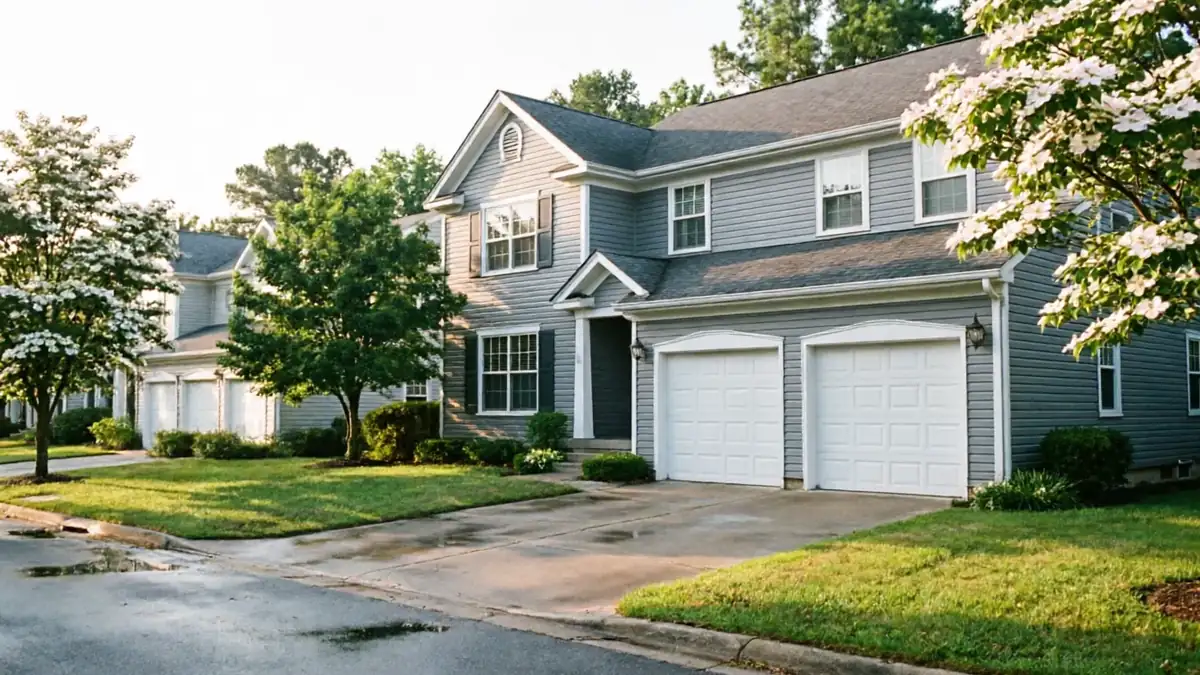
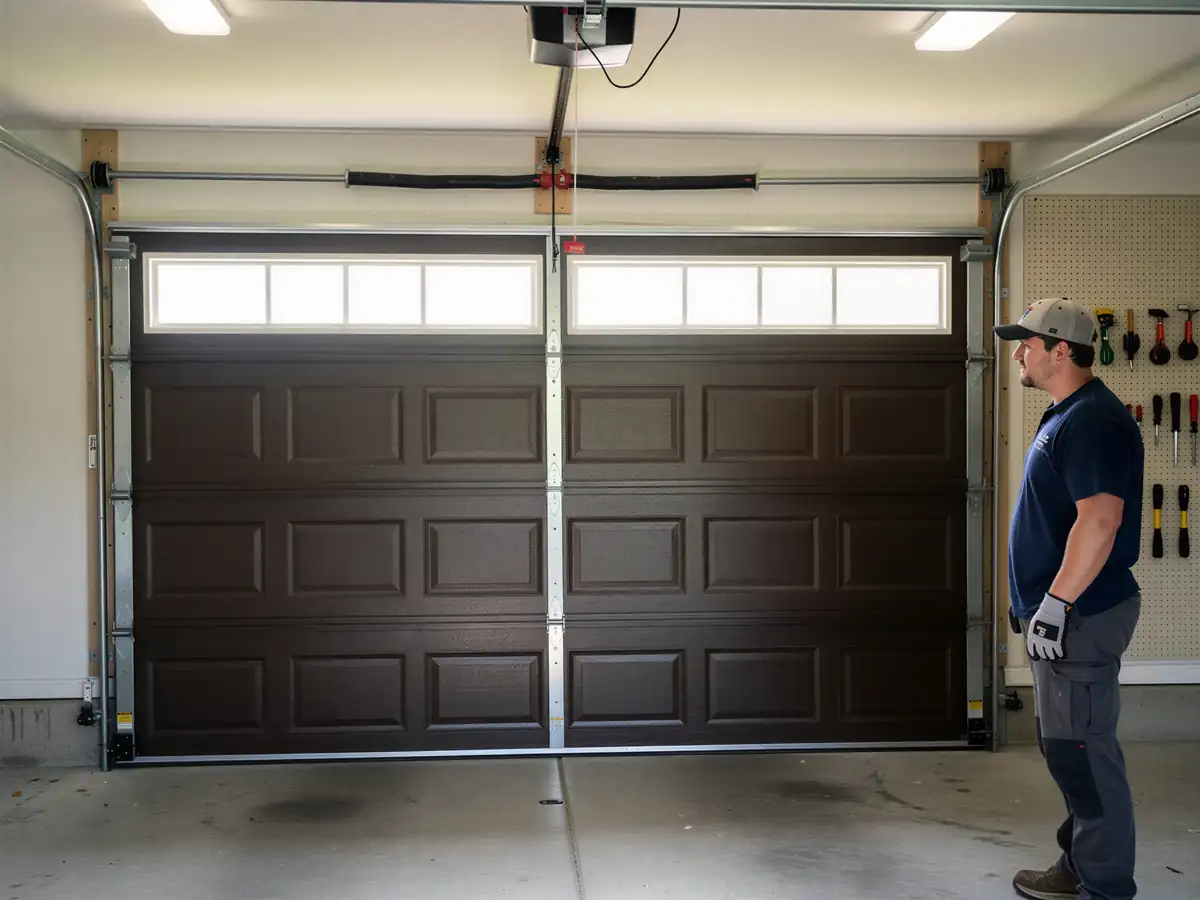
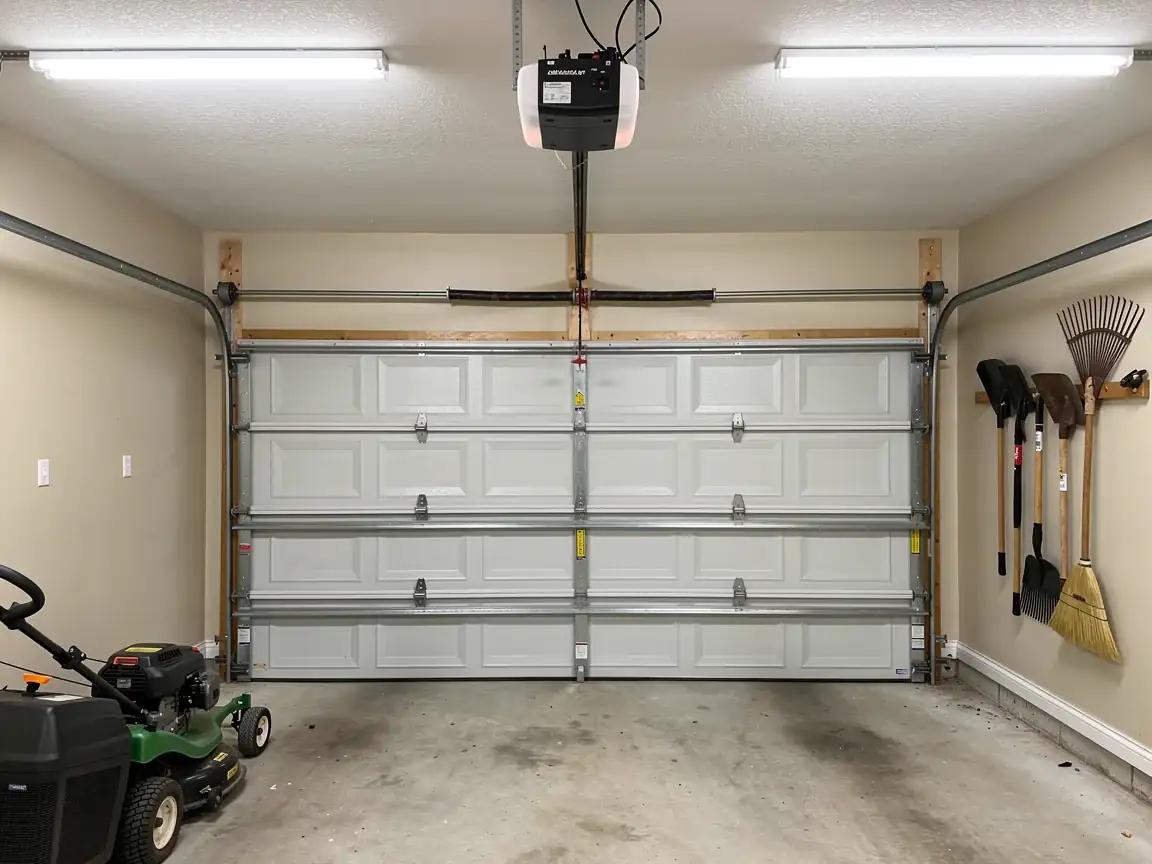
Hamilton is newer than most of the territory we cover. The typical house here was built around 2011, which puts it well past the torsion-spring-on-a-wood-jamb era and into the age of steel track, sectional insulated panels, and openers with rolling-code remotes built in from the factory. That matters because the failures we see here are different from the failures we see on older housing stock closer to Columbus. You're less likely to be dealing with a door that's simply worn out and more likely dealing with a factory part that's failed early, a sensor that's drifted out of alignment, or an opener logic board that's given up well before the door itself shows any wear. With 585 households in the area and a median income of $100,503, a lot of these garages were built with two-car openers and heavier insulated doors from day one, not retrofitted later. That's a different repair than popping a 1990s single door back on track.
If your door is original to a 2011-era build, you're looking at a door in the middle of its service life, not the end of it. Panels and openers from that era are generally still supported, which keeps parts easier to source than it would be on an older house.
Common Jobs Here
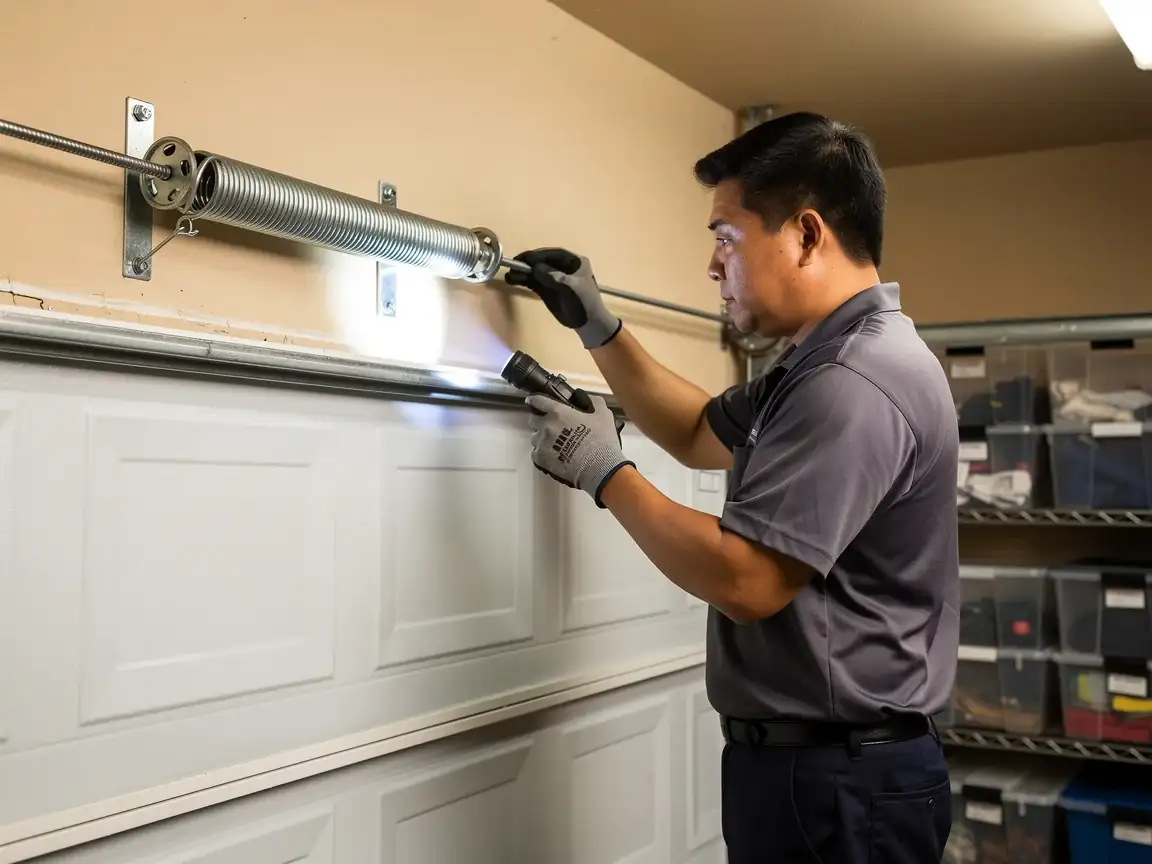
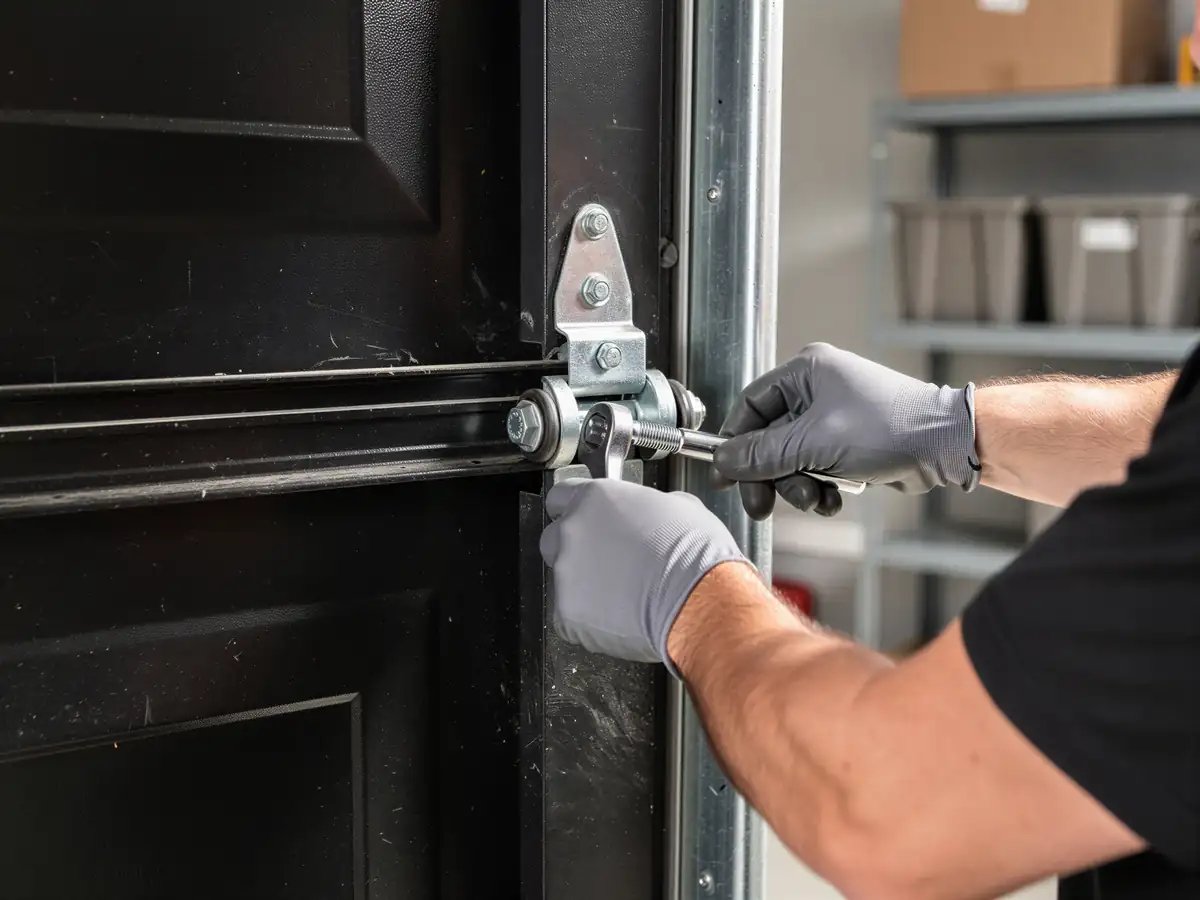
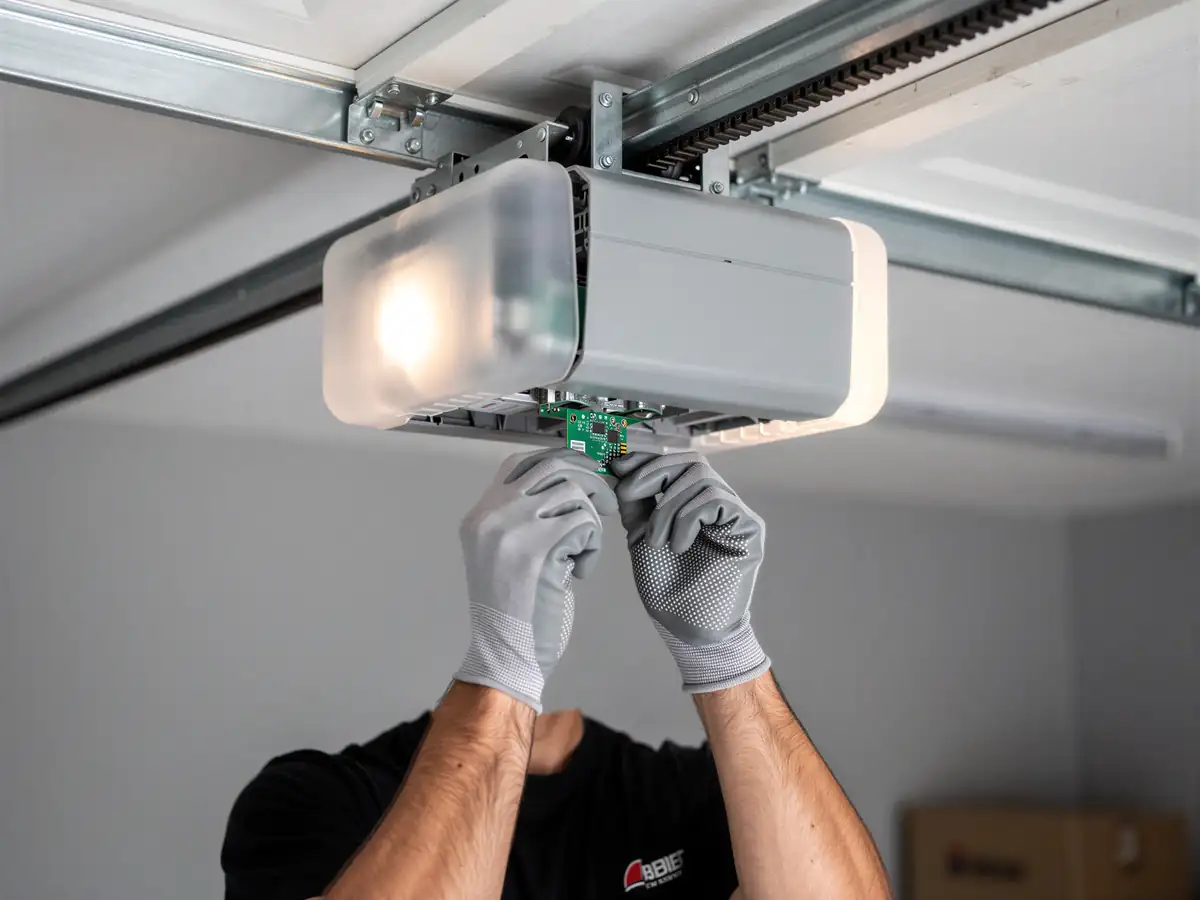
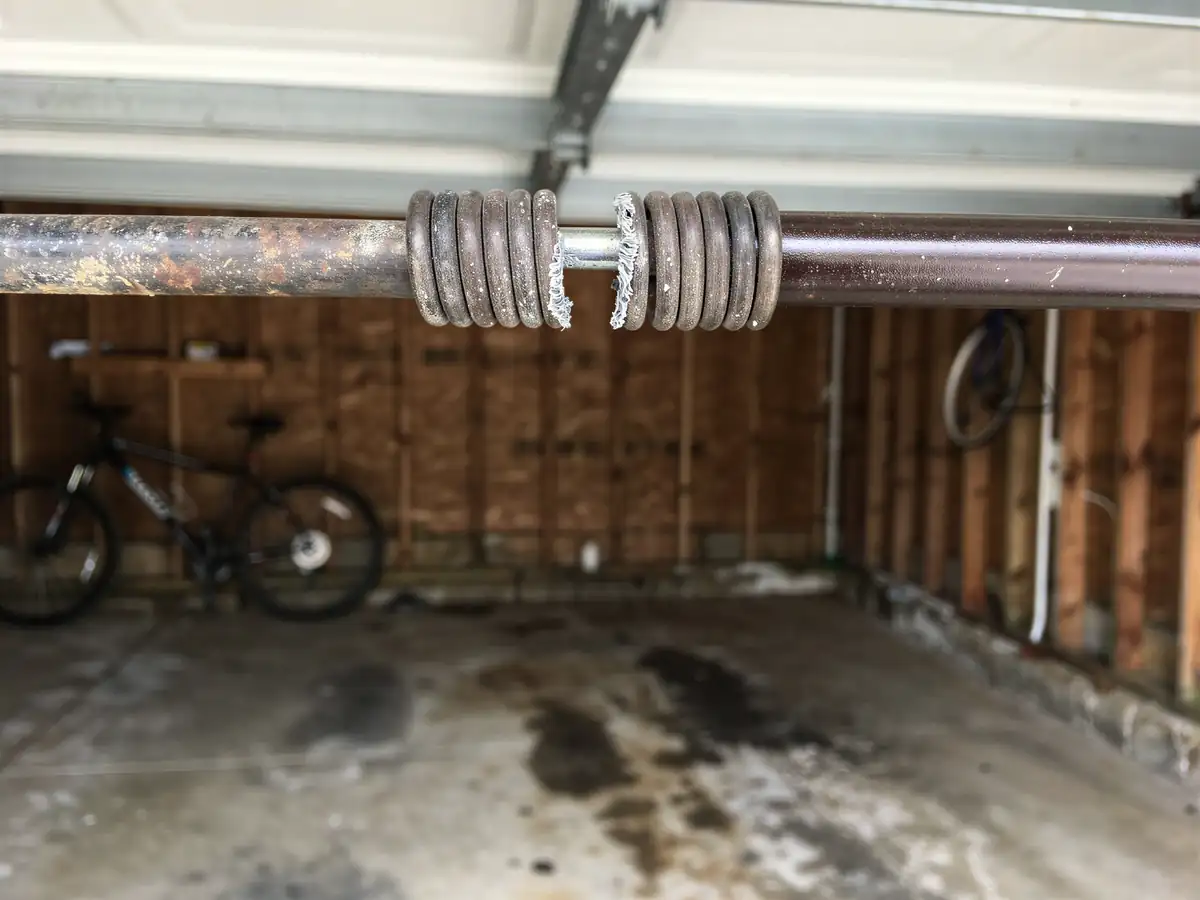
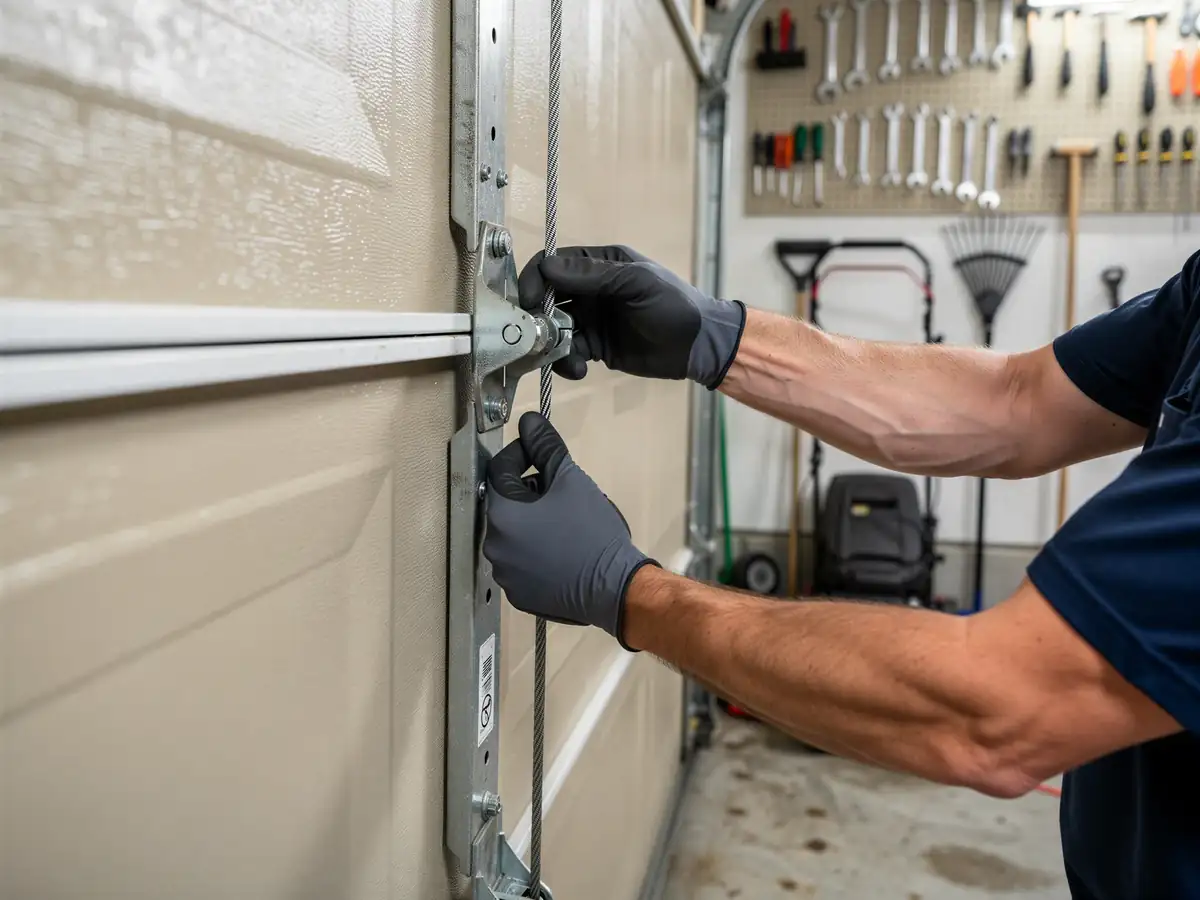
The calls we get from Hamilton skew toward openers and electronics rather than full spring replacement. Logic boards, travel sensors, and safety-eye alignment show up more often here than they do on older stock, simply because these houses have had a working opener running for over a decade and that's about when the first board failures start. Torsion springs on a 2011-build door are usually still within their rated cycle count, so we're not replacing as many of those outright - though a spring that was undersized from the builder can fail early, and we do see that.
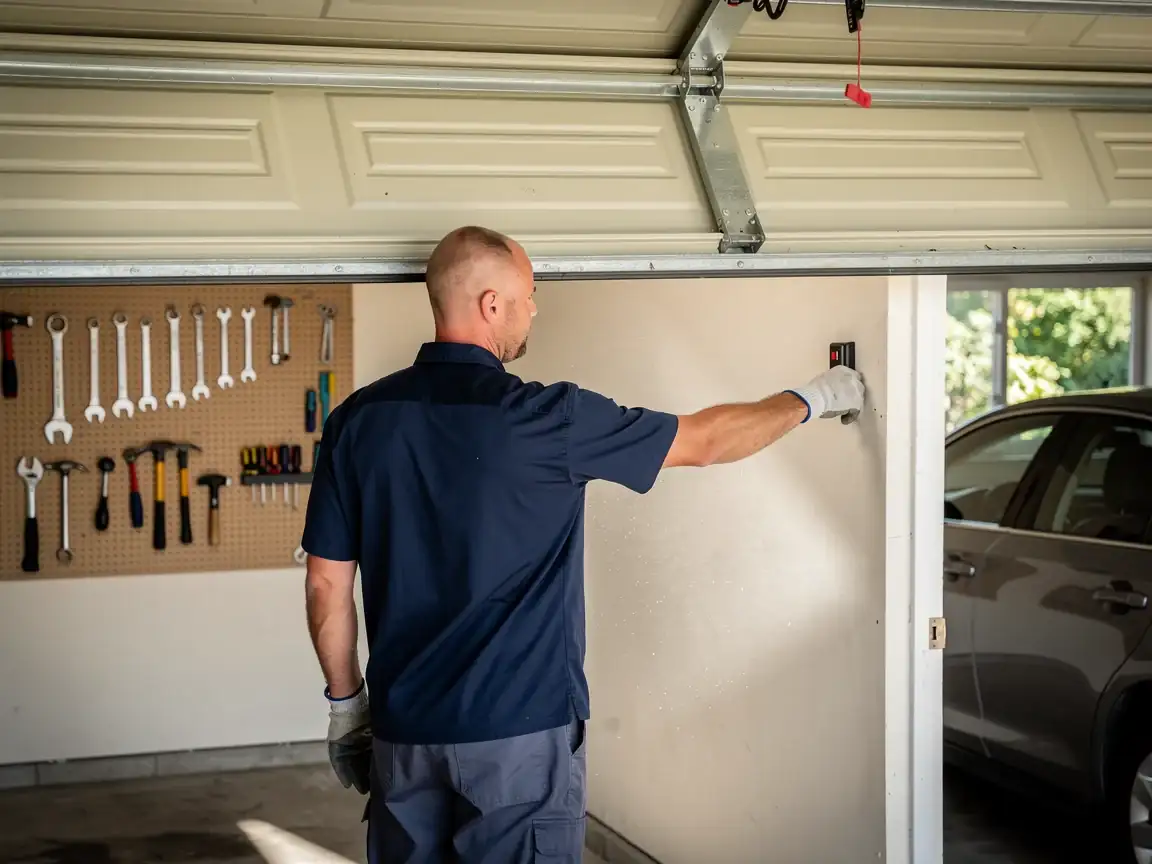
We also get called for panel dents and track misalignment from towed boats and trailers backing in too fast, and for keypad and remote reprogramming after a move-in. One honest limitation: if your opener logic board is a discontinued model, we may need to replace the whole unit rather than the board, because manufacturers don't keep every board stocked for years past a model's run.
The Drive Over
We're based in Columbus, and Hamilton is about 18 miles out
That's a drive we plan for, not a same-day guess - if you call in the morning we can usually work you into that day's route, but we don't promise a specific arrival window before we've looked at the job and the road.
- 18 miles
We carry common torsion springs, rollers, cables, and opener parts on the truck
But if your door needs a less common panel or a specific opener board, that part may need to be ordered in before we can finish the job in one visit.
What Was Built Here
Hamilton's housing is some of the newest in the areas we cover, with a median build year around 2011 and 585 households in the area. That's a sharp contrast to the parent city's housing stock, which runs from 1972 through 2011 with a median closer to 1991 across two older named areas. Newer construction here generally means steel track and sectional doors built to a more current wind and insulation standard, installed under more recent code than what you'd find on a 1980s house.
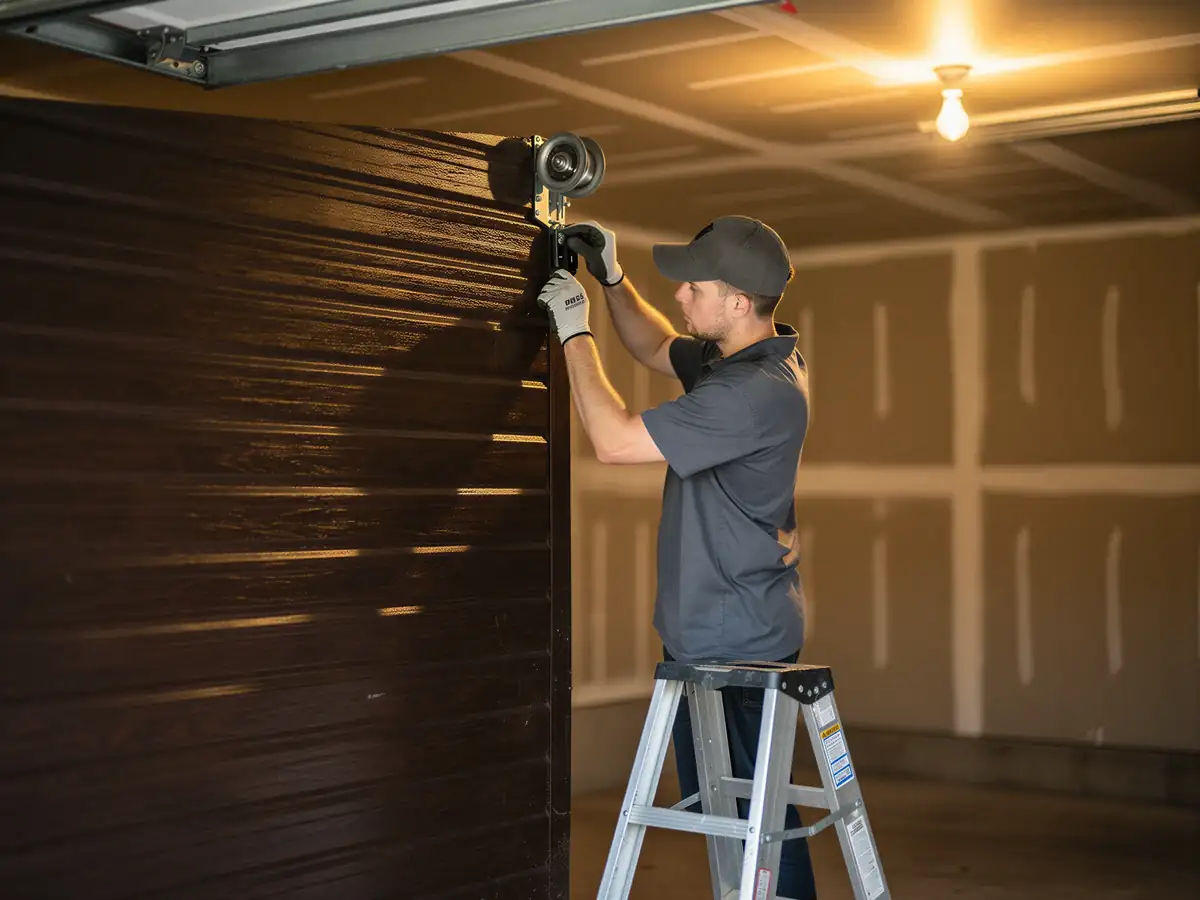
The region sits in a mild climate band with occasional freezes, which is easy on door hardware generally, but a few hard-freeze mornings a year is enough to make an under-lubricated roller or a stiff torsion spring bind up. On newer doors that usually shows up as a noisy cycle rather than a full failure - worth a look before it becomes one.