What the Housing Means for Your Door
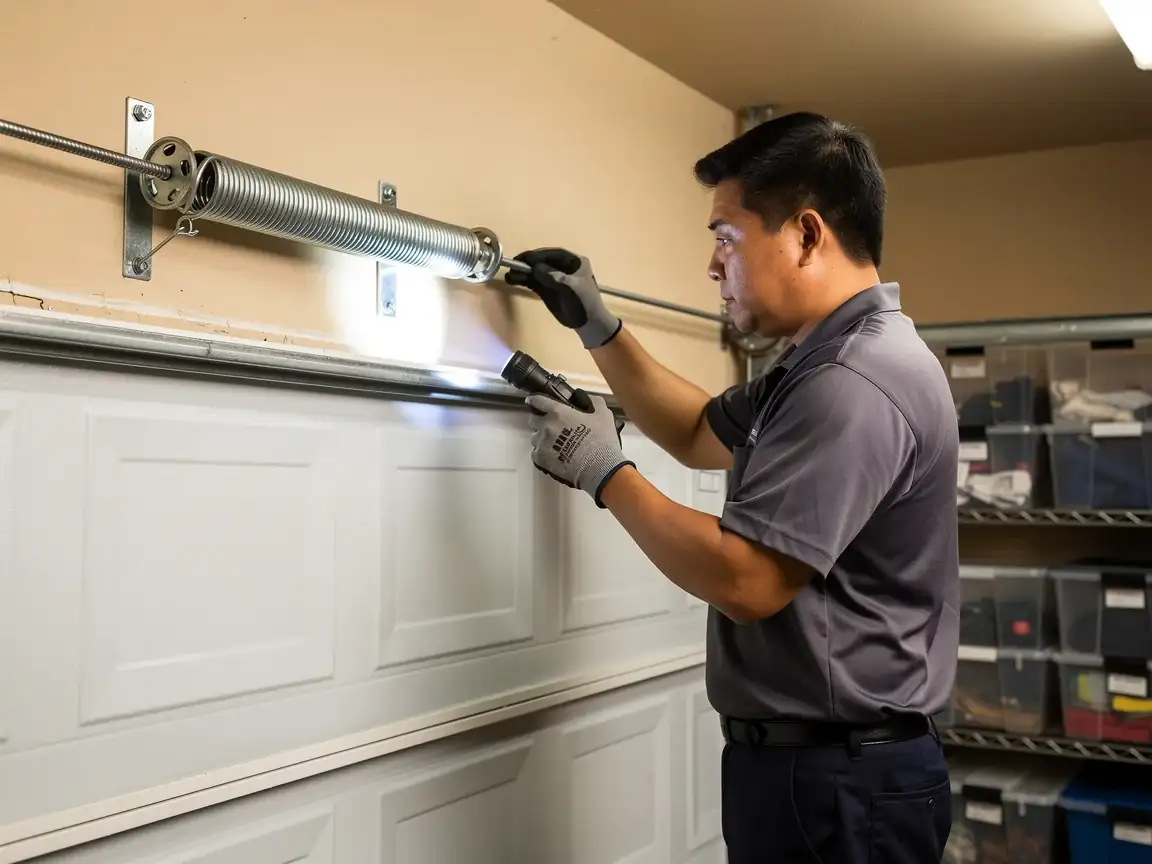
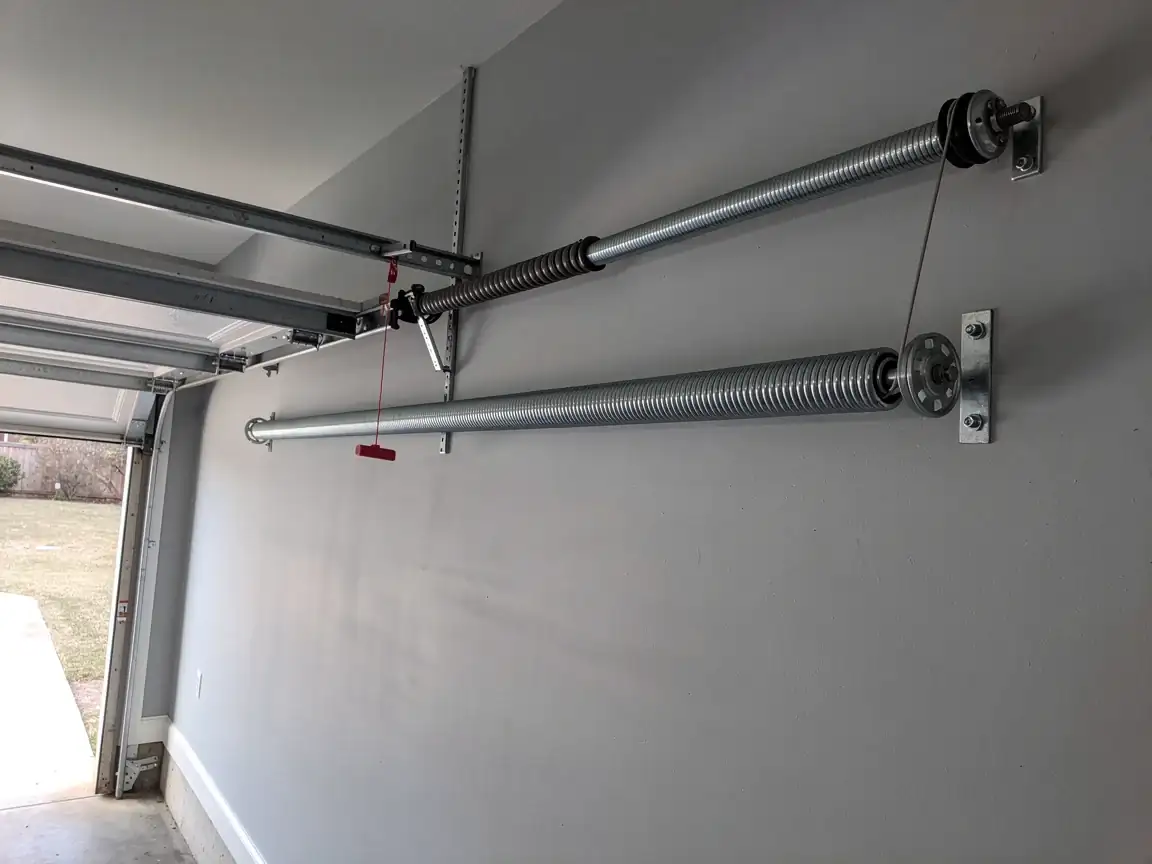
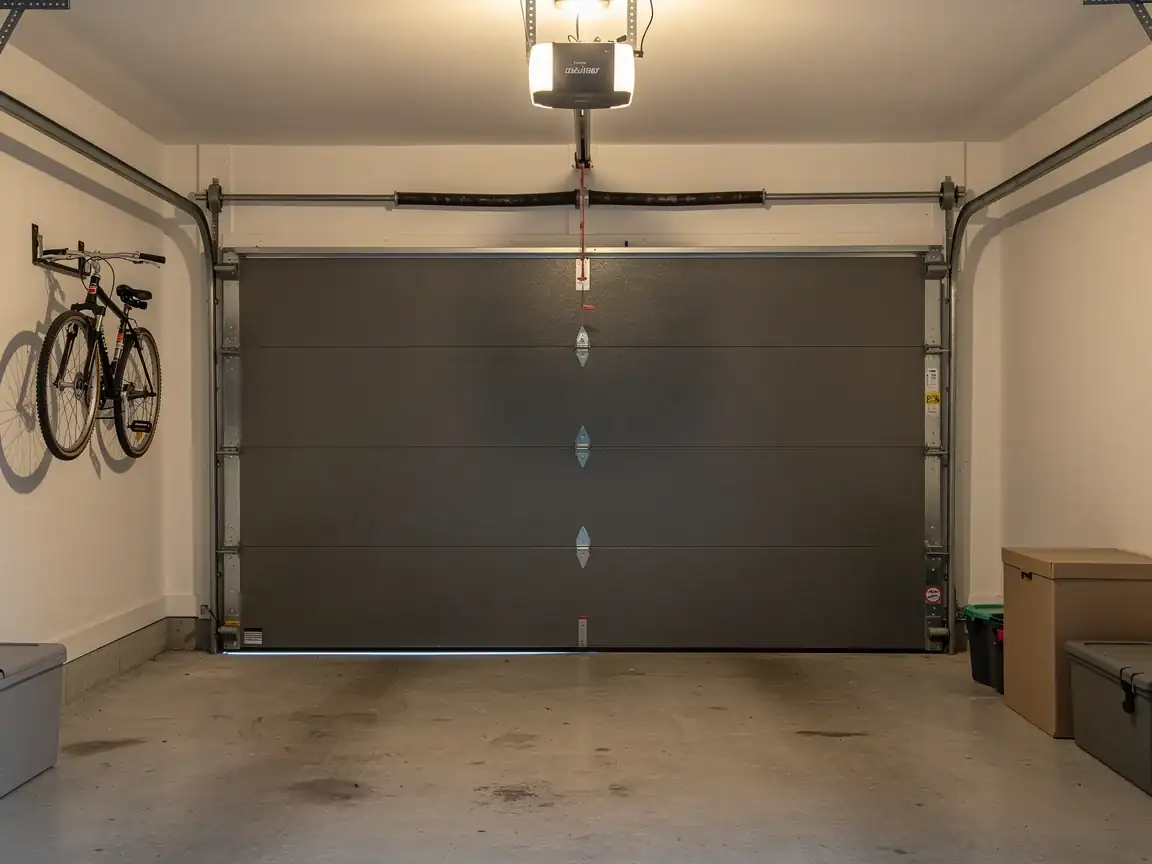
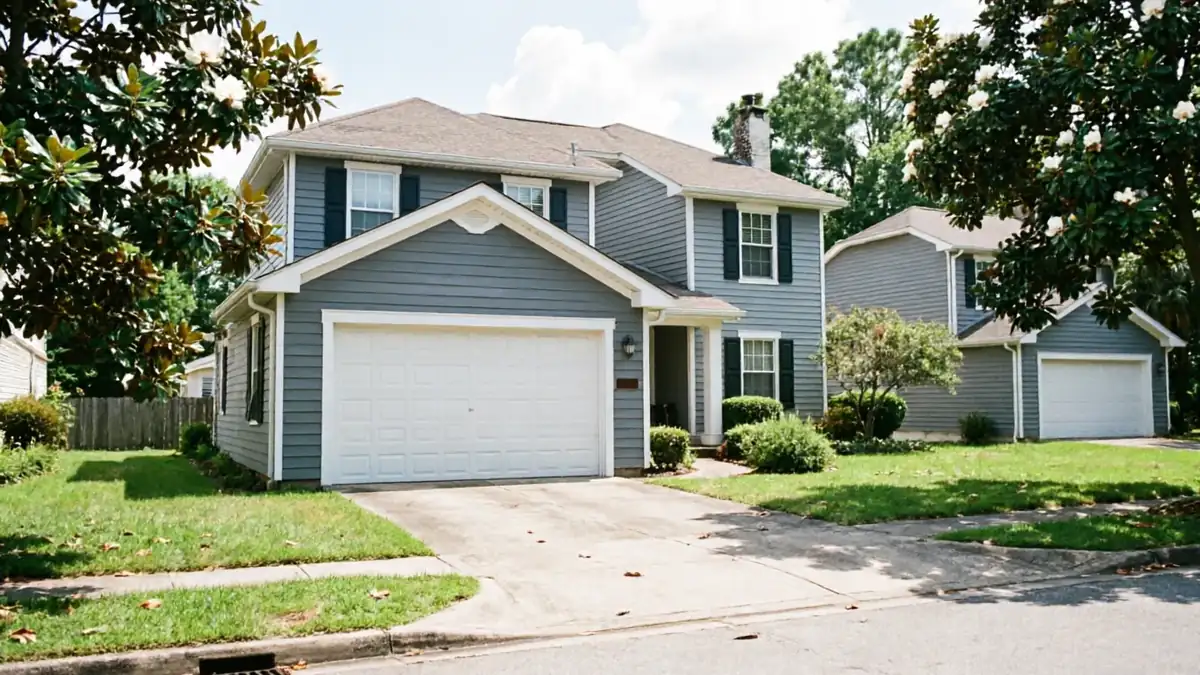
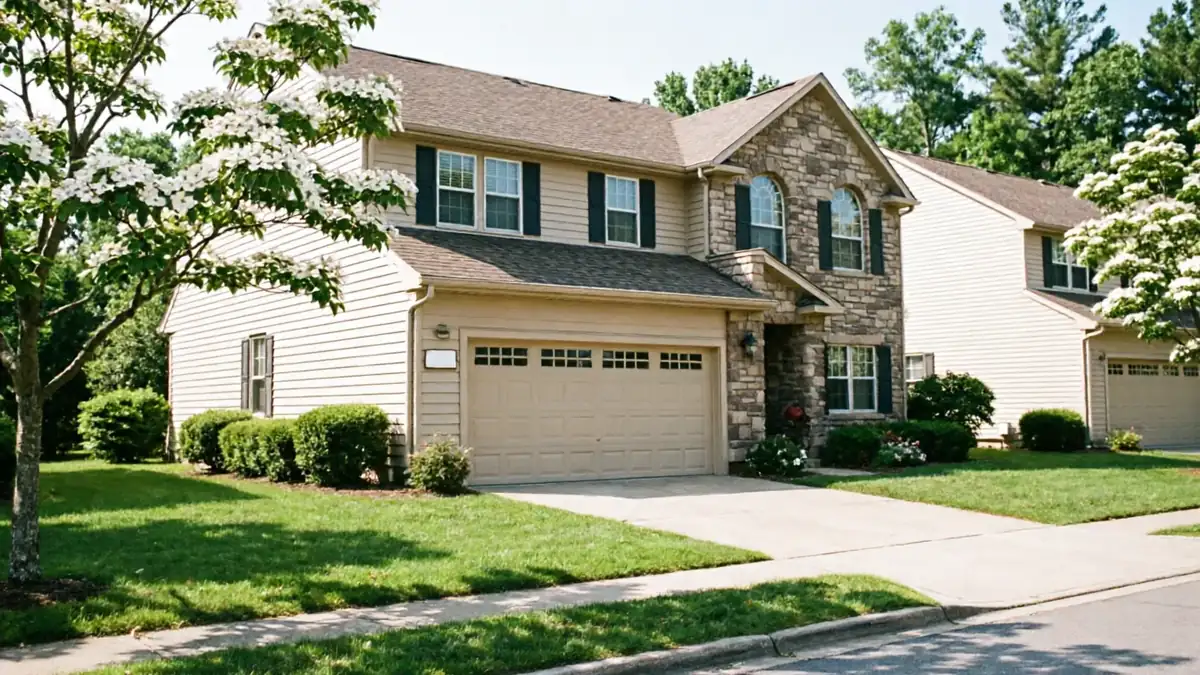
Smiths Station is a newer build pocket compared to a lot of what we see closer to Columbus. The median year built out here lands around 1991, which puts most garage doors and openers into a different generation than the postwar stock we work on elsewhere in the service area. That matters because a door hung in 1991 was almost certainly installed with a standard torsion spring setup and a chain-drive opener, not the older extension-spring, track-mounted systems you find on pre-1960s houses. Parts for 1990s-era torsion systems are still common and easy to match. The springs wear out on the same schedule as any torsion spring - cycle count, not age, is what kills them - but the mounting hardware, drums, and end bearing plates on a 1991 install are a known quantity for us. We're not guessing at obsolete brackets or trying to source a part that stopped being made decades ago. If your house falls into the 1980s-90s range common to this area, your door is probably original or close to it, and if it's never been serviced, it's due. The honest limit here: we can't tell you the condition of your specific door sight unseen - a 1991 install that's been maintained looks nothing like one that hasn't.
Common Jobs Here
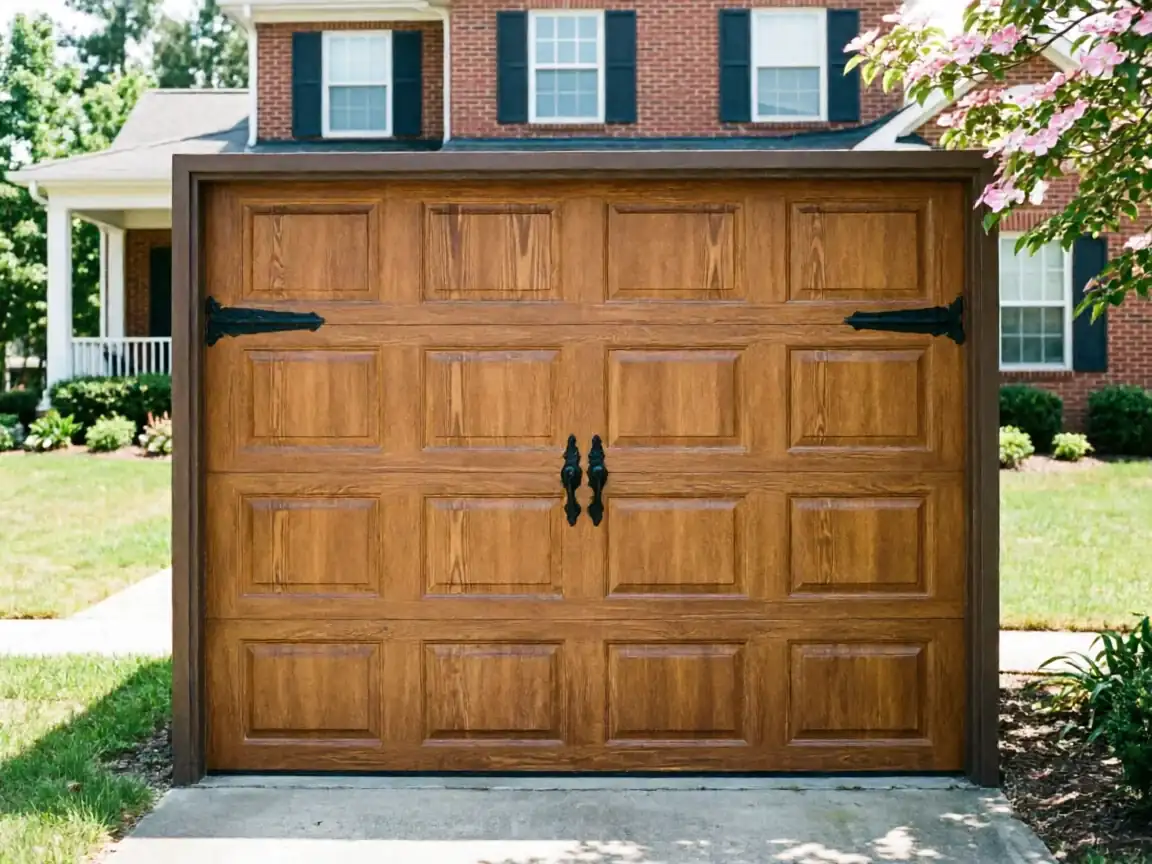
The calls we get from this stretch tend to be wear-and-tear jobs rather than full obsolescence replacements. Broken torsion springs on doors that have logged 20-30 years of cycles. Worn rollers on original steel track that was never upgraded to nylon. Opener logic boards from the 1990s and early 2000s reaching the end of their service life - these are repairable or replaceable, but sometimes the labor-to-replace math favors a new opener over chasing a part for a board that's been out of production for years. Cables fraying at the bottom bracket, especially on doors that have seen one too many DIY spring adjustments. We also see panel damage from backing into a door, which has nothing to do with age and everything to do with a Tuesday. What we don't see as much here: the extension-spring, no-safety-cable setups that are still common in much older housing stock elsewhere in the region. That's a direct result of the build era - this area mostly missed that chapter of garage door history.
What Was Built Here
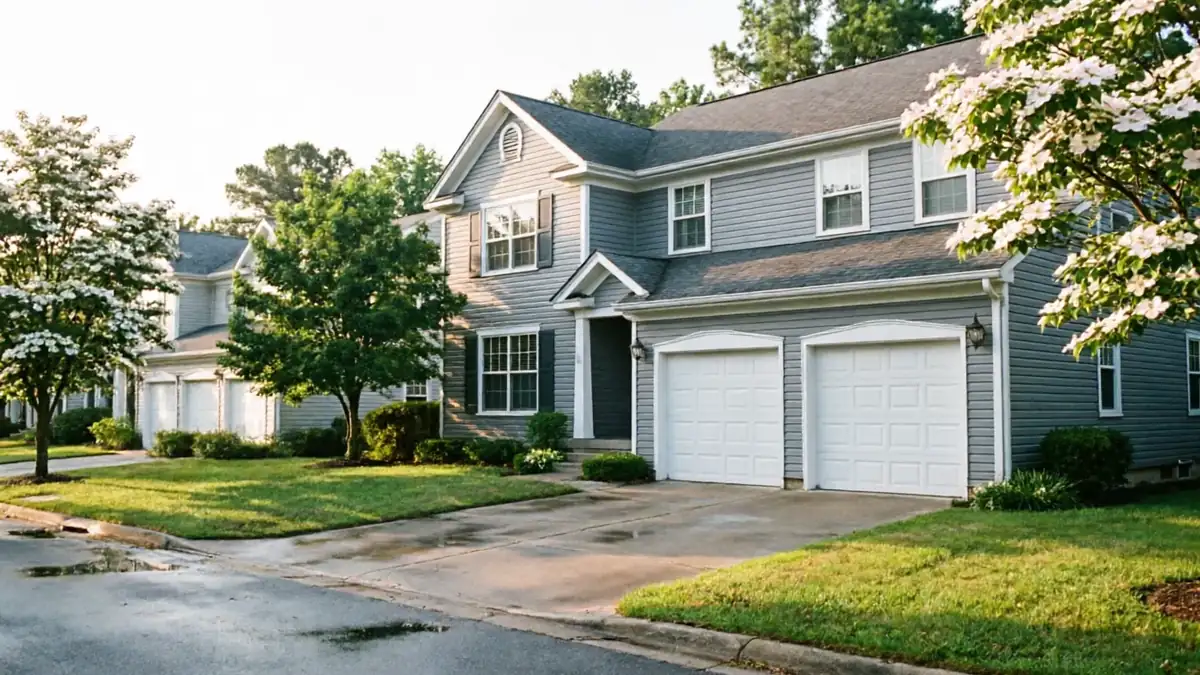
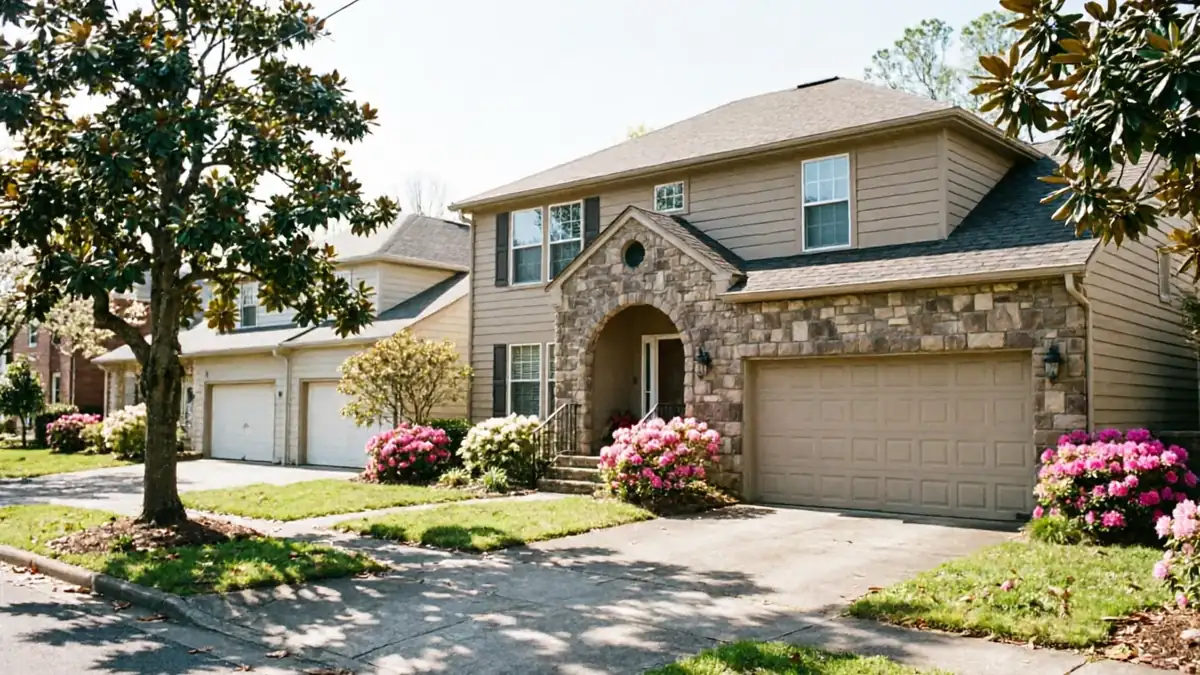
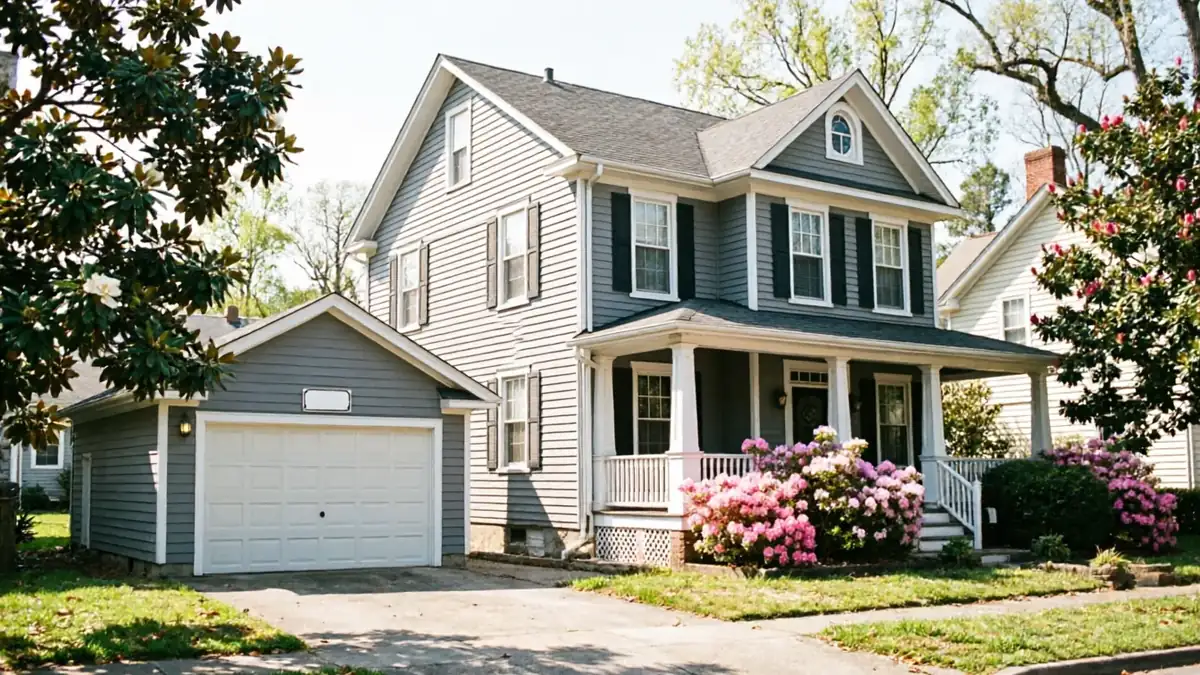
With roughly 1,728 households in this area and a median household income of $57,410, this is a community of mostly single-family homes built within a fairly tight window - the 1980s and 90s, give or take. That consistency is useful for us: when a homeowner calls and tells us roughly when the house went up, we already have a good guess at what's behind the door panel before the truck leaves Columbus. It also means replacement decisions here tend to be more straightforward than in mixed-era neighborhoods. A door that's pushing 30+ years with the original opener is a reasonable candidate for full replacement rather than patch repair, especially once you're replacing springs, cables, and rollers all in the same visit. The climate here is mild with occasional freeze days, which is gentler on hardware than harsher climates but doesn't eliminate the basic wear that comes from thousands of open-close cycles over three decades.