What the Housing Means for Your Door
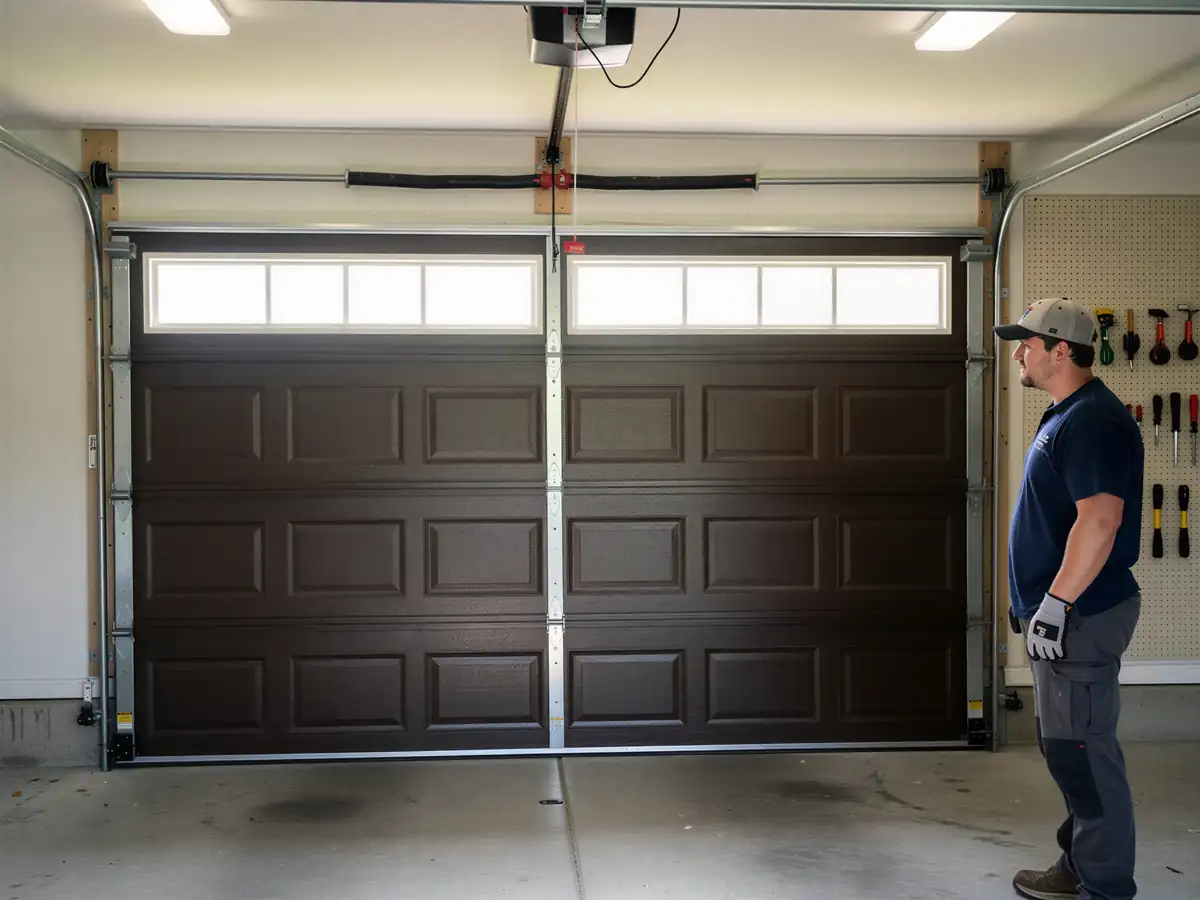
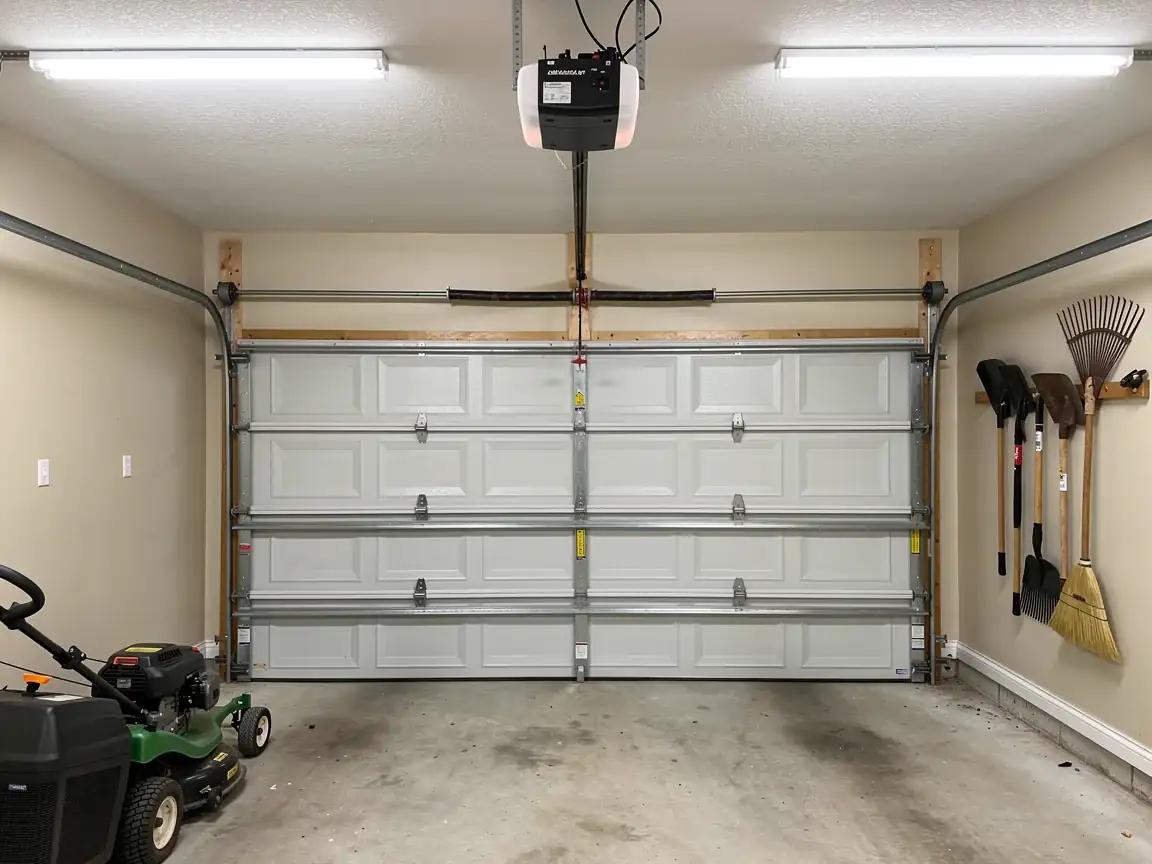
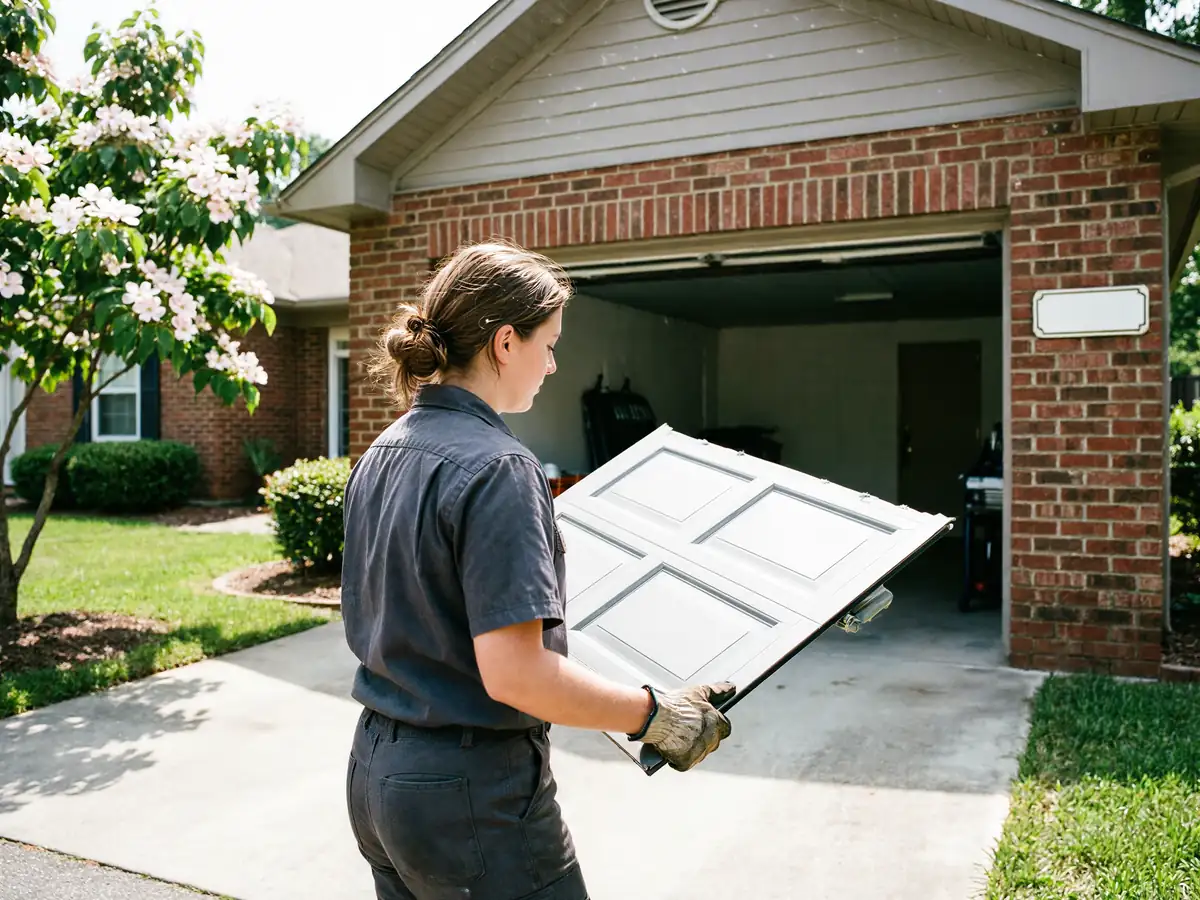
Phenix City's housing stock centers on 1983, which puts it noticeably earlier than the 1991 median across the wider Columbus service area. That ten-year gap matters more than it sounds. Doors and openers installed when a house goes up tend to get replaced once, maybe twice, over forty years - and a house built in 1983 is usually on its second door and its second or third opener by now, often a mismatched pair where the track was never swapped to match a newer panel.
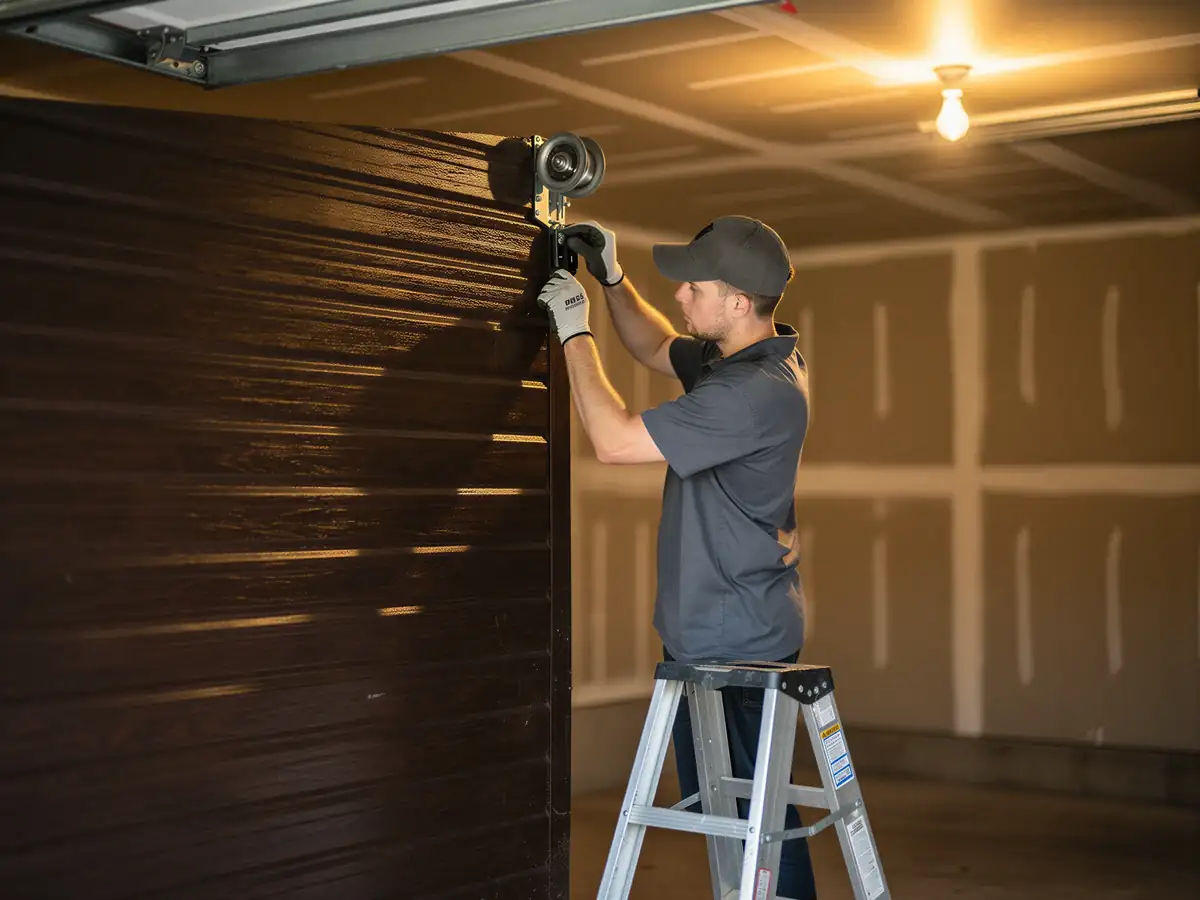
What we see on these jobs: steel sectional doors from a mid-life replacement bolted onto the original galvanized track, openers from the 2000s chain-drive era with worn sprockets, and torsion springs sized for a lighter door than what's hanging on them now. None of that is wrong, exactly, but it's the kind of mismatch that throws off balance and wears cables faster than a door and opener bought as a set.
We don't guess at this from a truck a county over - we look at what's actually on the header before we quote anything. A 1983-era door with a later opener bolted on is a different repair than a straight-up original setup, and pricing it as if it's the same thing is how a job goes sideways.
Common Jobs Here
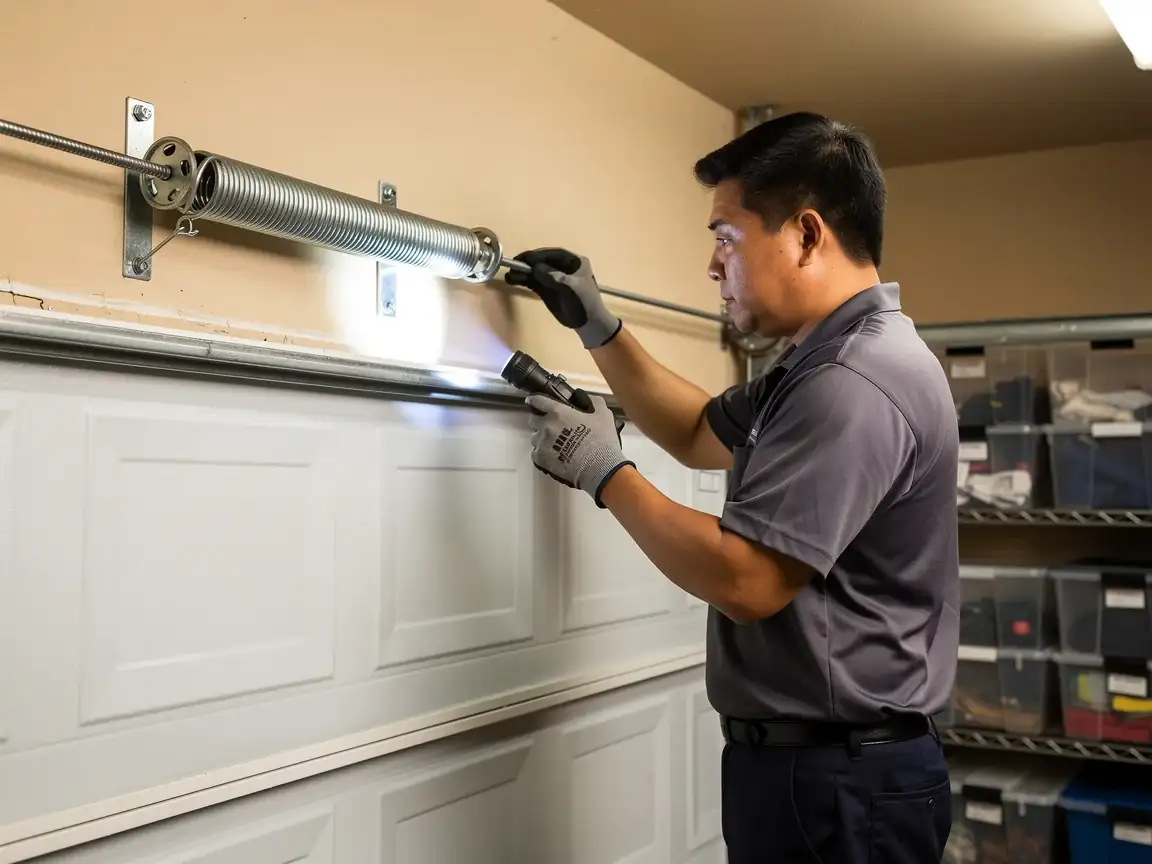
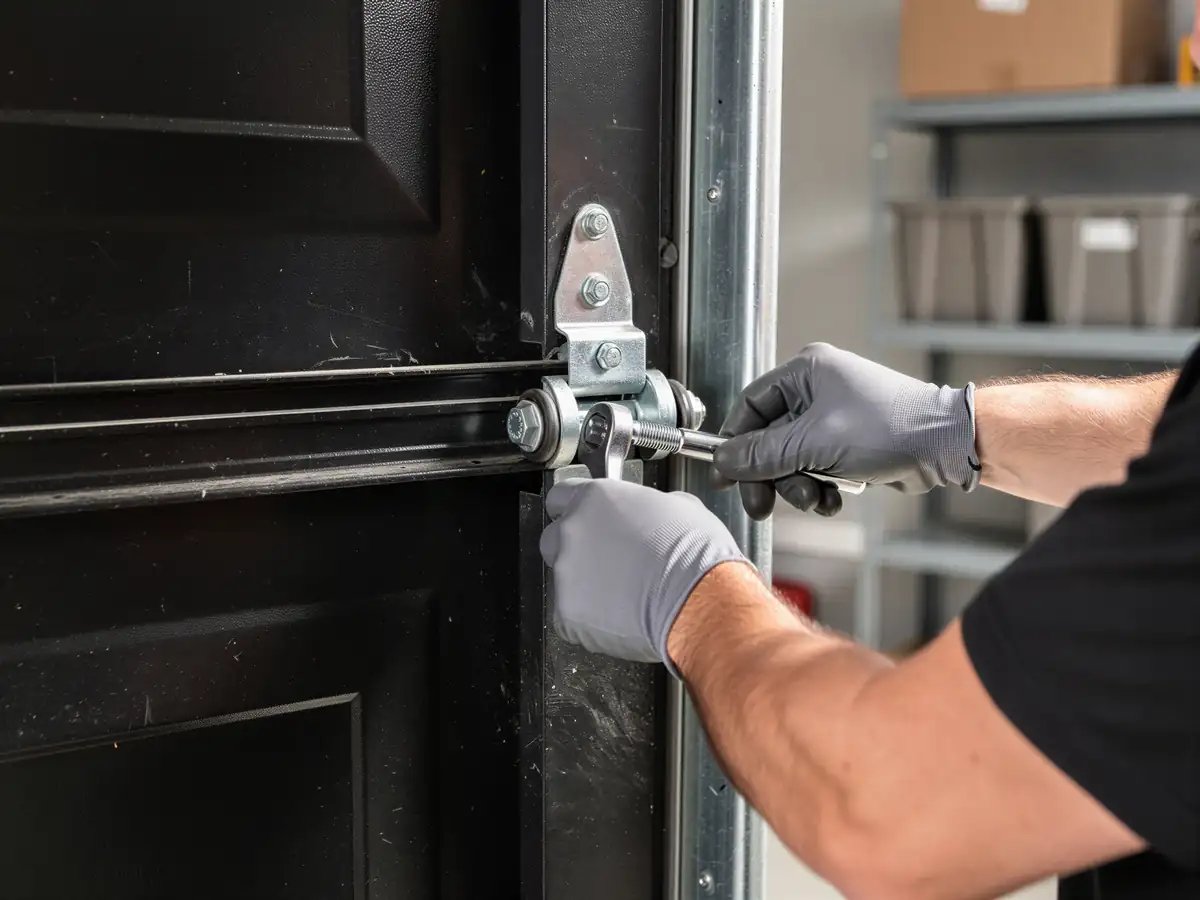
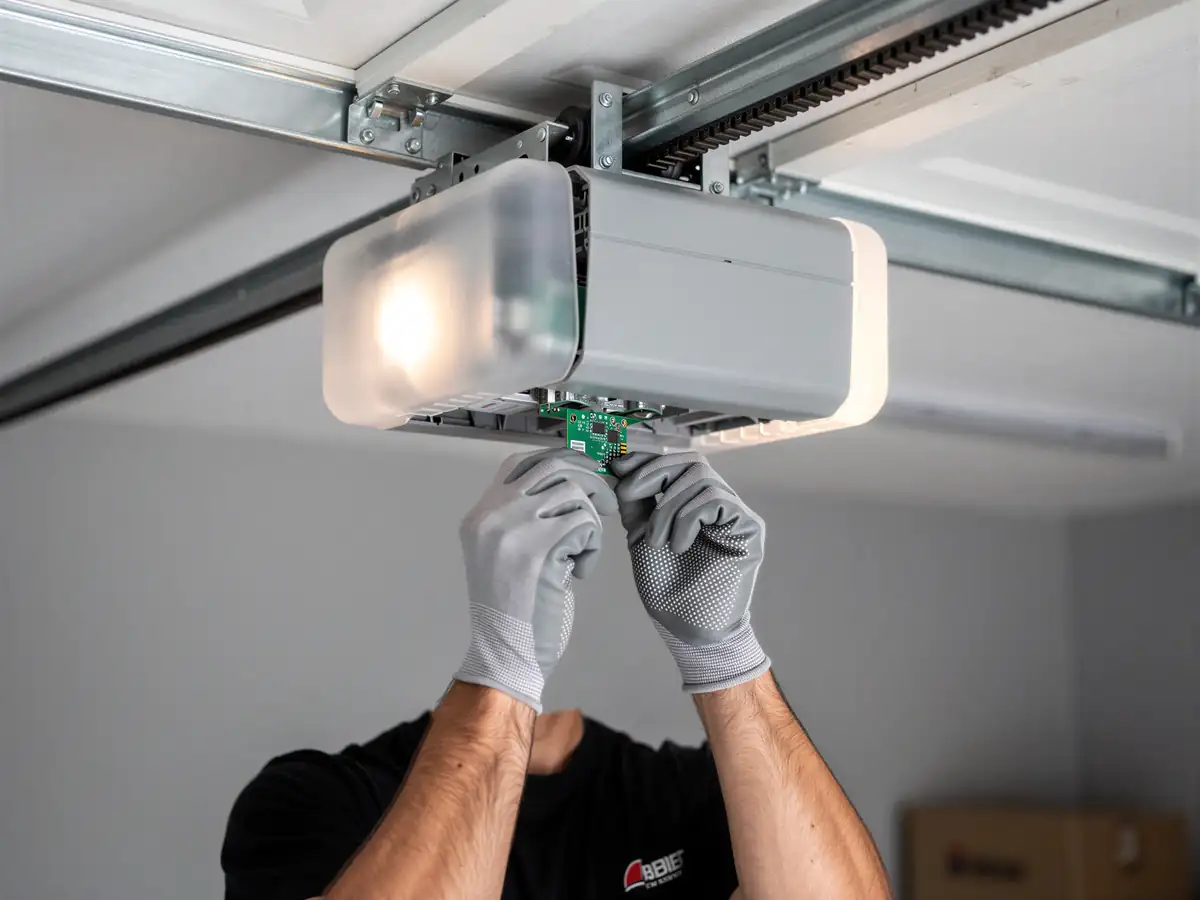
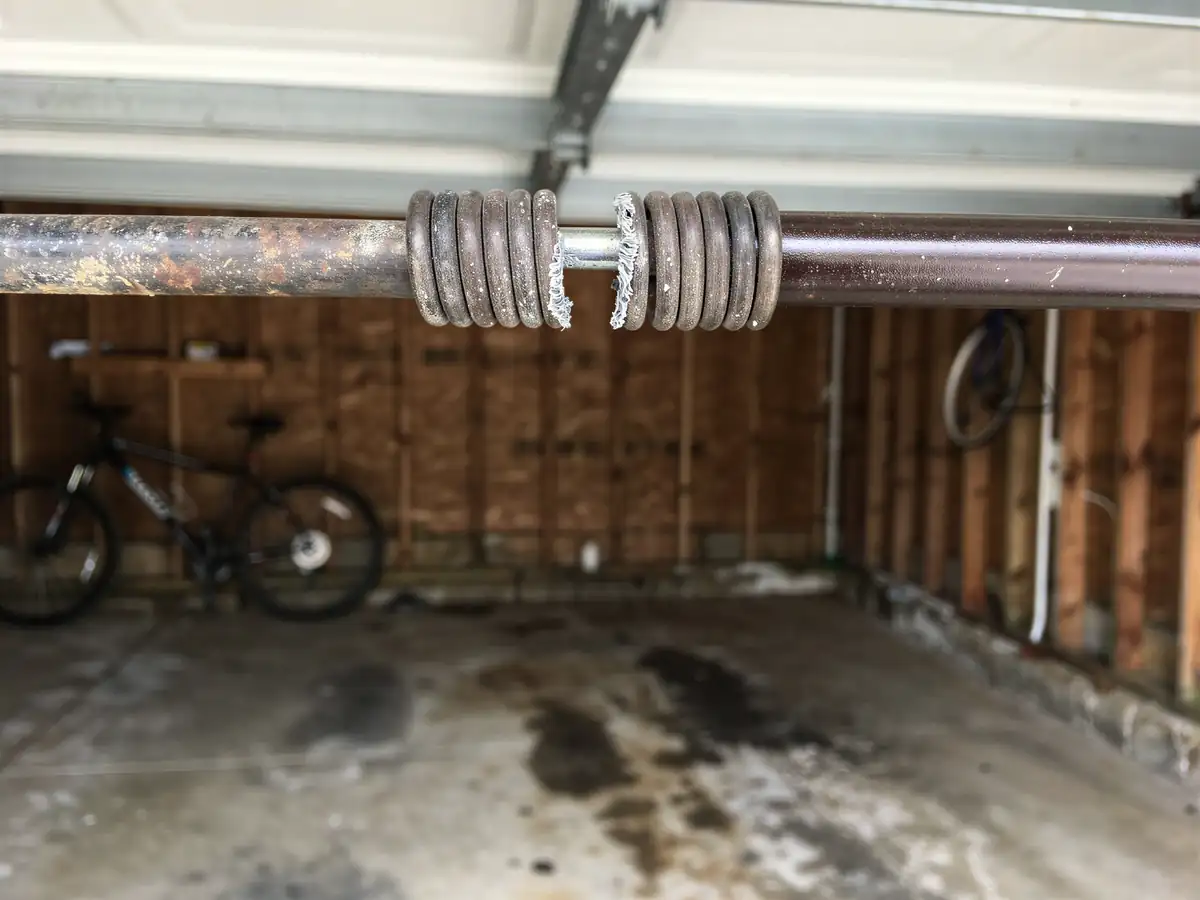
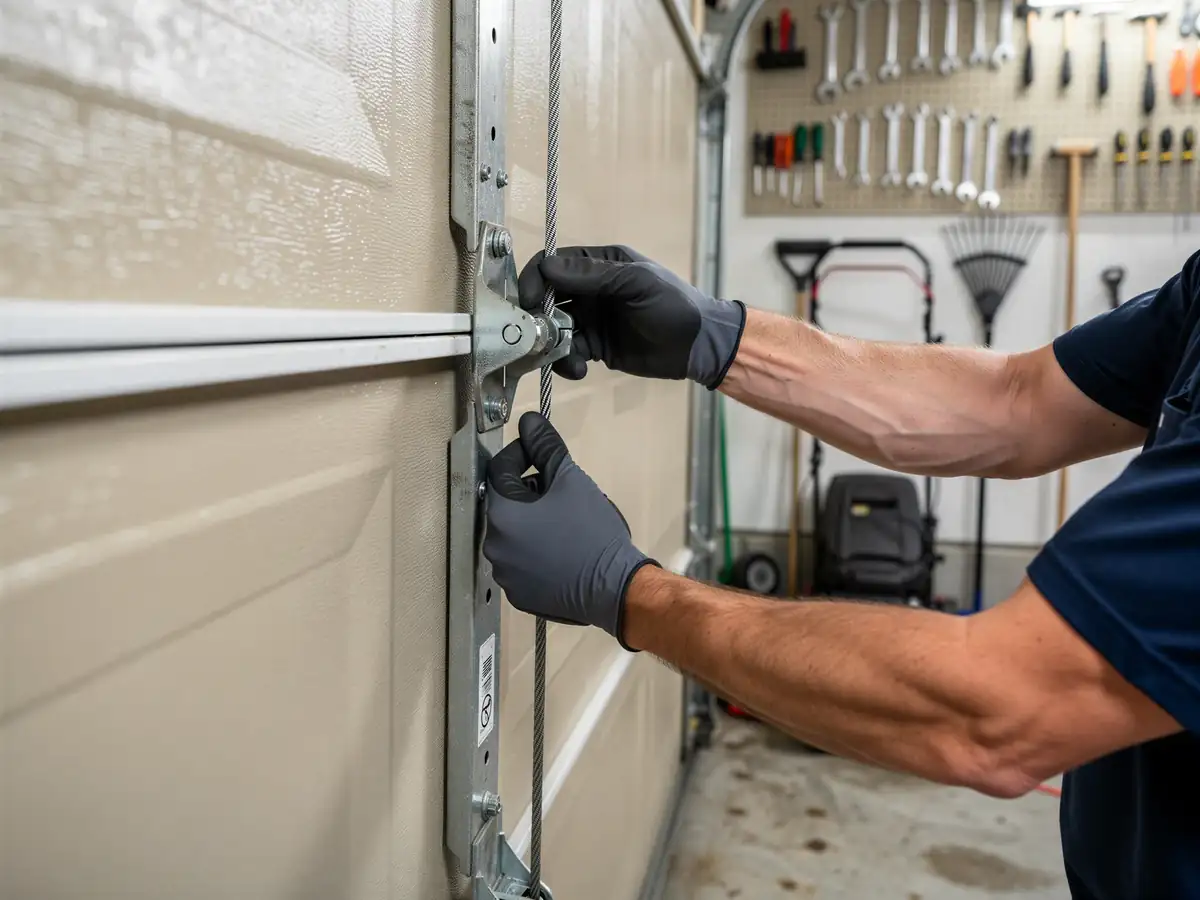
The mismatch described above drives most of the service calls on this side. A torsion spring wound for a lighter original door snaps early once a heavier insulated replacement panel goes up - that's a spring swap plus a recalculation, not a straight parts-for-parts job. Chain-drive openers from the 2000s wear through their sprocket gear and start grinding before they fail outright, which is the point to replace the gear kit rather than wait for the belt to skip off the trolley.
We also see cable fraying where an old drum doesn't match a newer door's cycle count, and bottom brackets worn oval from an opener pulling slightly off true. None of this is dramatic. It's wear that shows up when parts from two different decades are asked to work as one system.
Honest limitation: if a 1983-era track is bent or rusted through, we'll tell you straight that patching it is a short-term fix. Beyond a certain point, re-tracking costs close to what a new door costs installed, and we won't talk you into the cheaper-looking repair just to get a signature.
The Drive Over
Phenix City sits about 3 miles from our shop in Columbus
With right alongside it about 3 miles to the west-southwest. It's a short haul across the river, not a special trip, and we build it into the route the same as any close-in call.
We don't run a depot or a standing crew in Phenix City
Every job here means a truck coming from Columbus, loaded for what the call describes. That's worth knowing up front: if a part isn't on the truck, there's a second trip, same as there would be for any job a few miles out. We'd rather say that plainly than promise a same-visit fix we can't back every time.
What Was Built Here
At 16,376 households, this is a larger pocket than the service area's overall count, and it skews a bit tighter on income - median household income here runs around $49,715, below the $73,654 median for the broader Columbus service area. That gap tends to show up in how repairs get decided: more owners choosing a spring replacement or a gear kit over a full door swap, and fewer opting for top-end insulated panels when a basic steel door does the job.
Climate-wise, this area sits in the same mild band as the rest of the region, with occasional freeze nights rather than sustained hard winters. That's easy on door seals and springs compared to a true cold-winter market, but it still means the odd cold snap tightens steel and stiffens grease enough to make a marginal spring let go on the first really cold morning of the year.
Put together - early-1980s housing, a tighter household budget on average, and a mild-with-occasional-freeze climate - the repairs we price here lean toward keeping working hardware going rather than wholesale replacement, unless the door itself has given out.