What the Housing Means for Your Door
Ladonia's houses mostly went up around 1983, which puts this neighborhood a good eight years ahead of the median for the Columbus service area overall. That matters more than it sounds like it should. A door and opener installed when a house was built in 1983 is running on hardware a decade older than what you'd find on the typical job across the rest of our coverage - older torsion springs, older steel tracks, sometimes an opener from before garage door openers had rolling-code remotes at all.
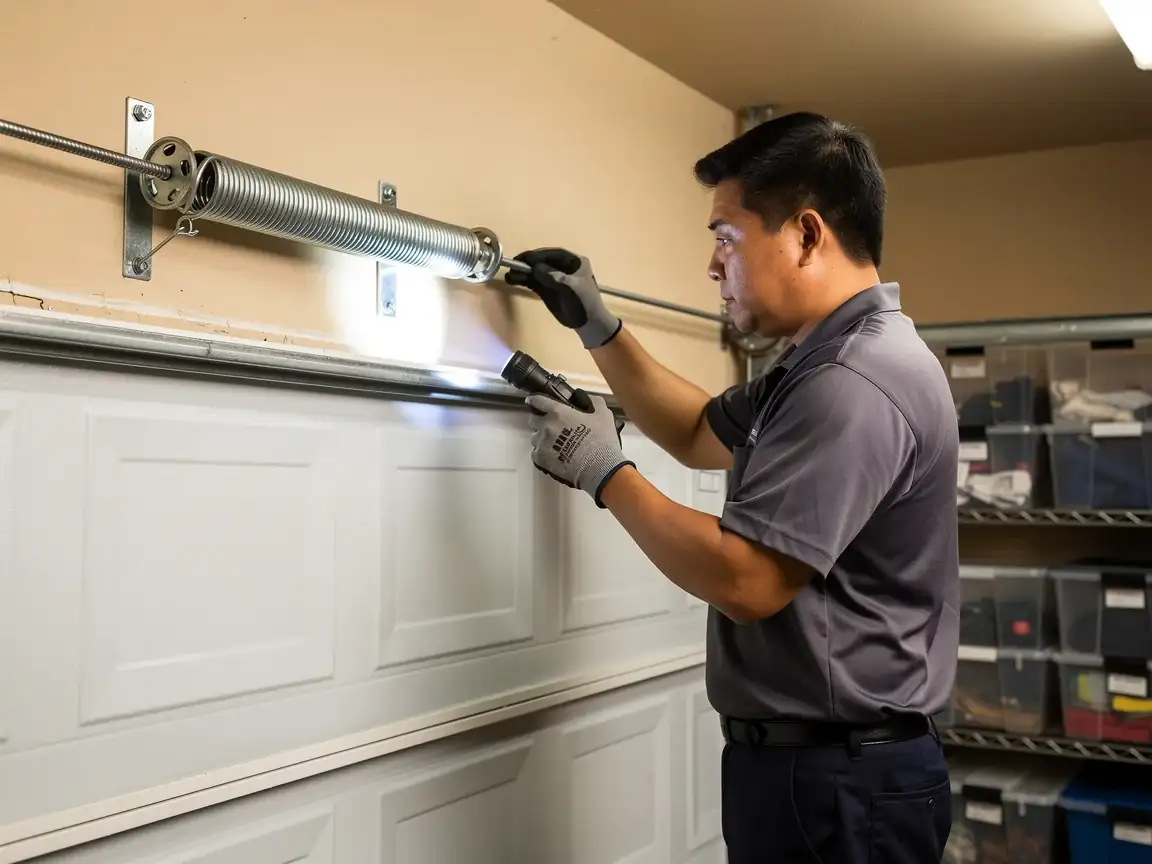
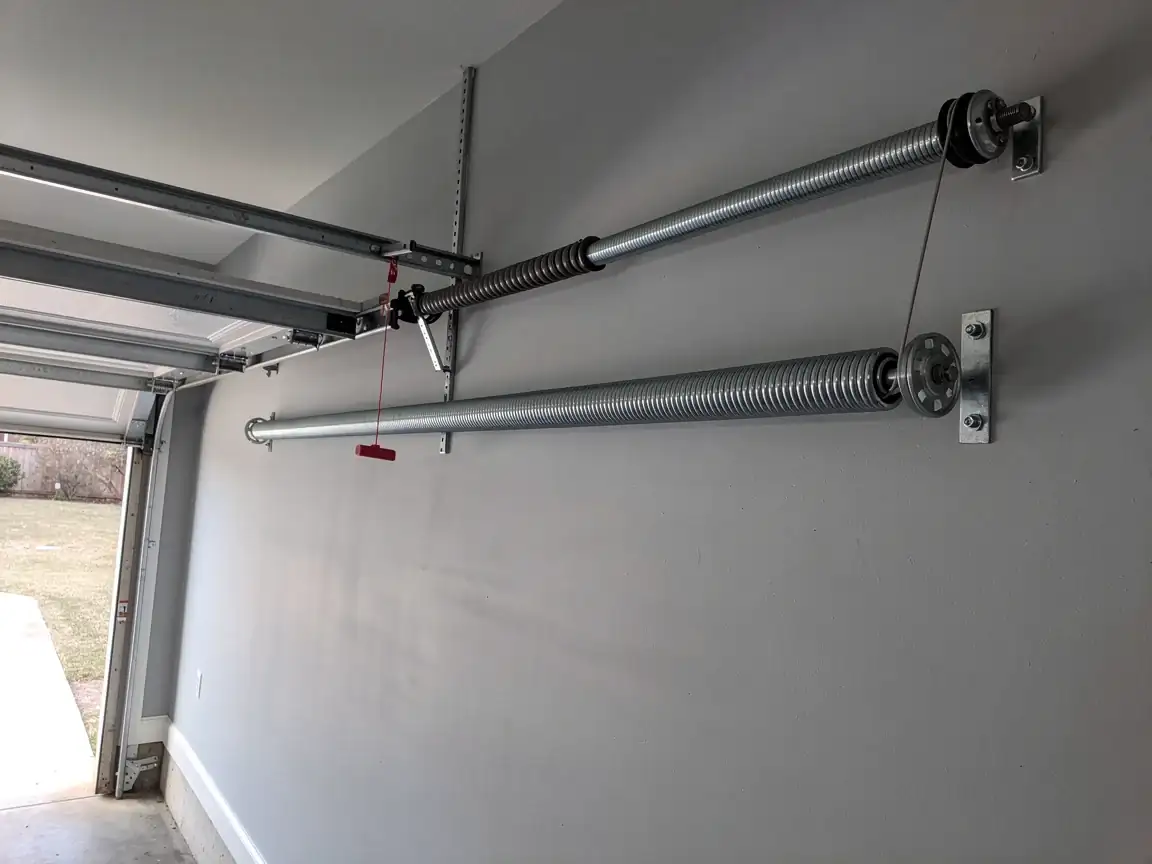
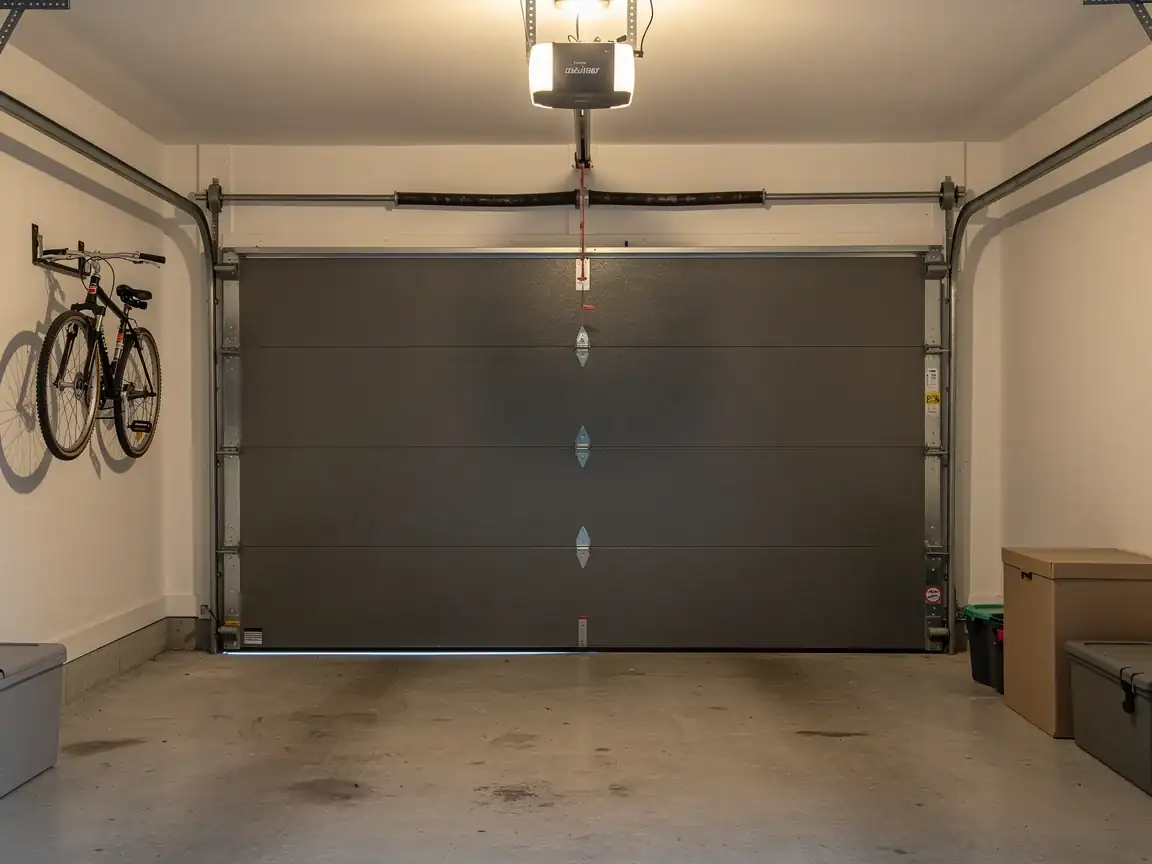
What we see on these jobs: single-torsion-spring setups on double doors that were fine for the lighter wood doors of that era but get overloaded once an owner swaps in a heavier insulated steel door without upgrading the spring to match. We also see galvanized tracks that have started to pit, which throws rollers off their path even when the door itself still looks fine.
We're not going to tell you every door from 1983 is a ticking time bomb. Plenty of them have been maintained and still run smooth. But if nobody's touched the springs or lubricated the track hardware in a long stretch, that's the first thing worth checking, not the opener.
Common Jobs Here
The calls we get from this area skew toward spring replacement on original or near-original torsion setups, plus roller and track work where the galvanized steel has worn thin. Early-80s builders here generally used single-spring systems even on wider two-car openings, and those springs weren't built for forty years of cycles - when one finally lets go, the whole door drops hard and fast.
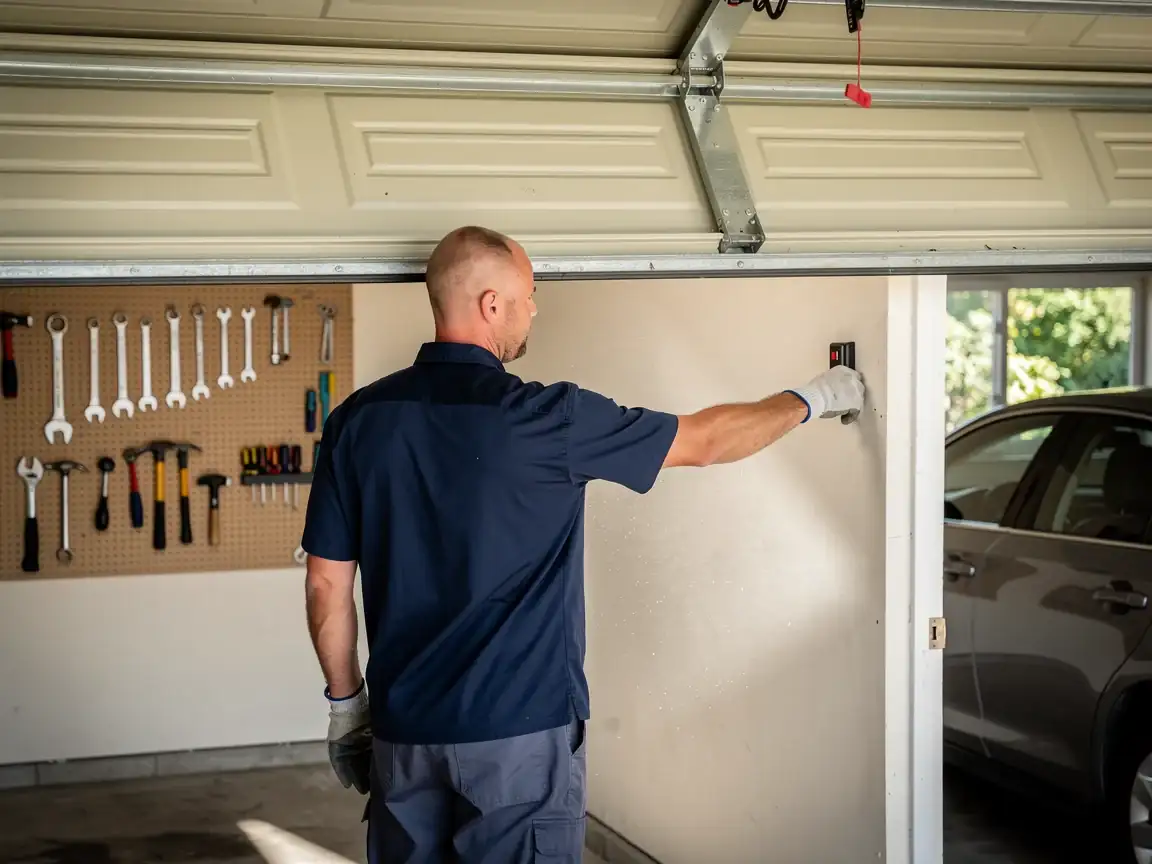
We also see a fair number of opener swaps. A chain-drive unit from that era, if it's even still the original, is loud and usually missing any kind of safety reversal sensor, which modern code expects. Replacing it is often simpler than people assume and doesn't require touching the door or track at all.
One honest limitation: if your track or jamb has shifted with the house settling over four decades, that's a carpentry problem before it's a garage door problem, and we'll tell you to get that looked at first rather than bolt new hardware to a frame that's out of square.
The Drive Over
Ladonia sits about 6 miles from our shop in Columbus, a short run up the road
We don't keep a second location or a drop-box out here - every job starts with a truck leaving Columbus, so when you call, you're getting a straight estimate on timing rather than a promise about a crew sitting around the corner.
- 6 miles
That distance also means we're hauling whatever parts the job needs rather than running back for something we forgot
So a clear description of the problem on the phone - stuck door, broken spring, opener not responding - helps us load the truck right the first time.
What Was Built Here
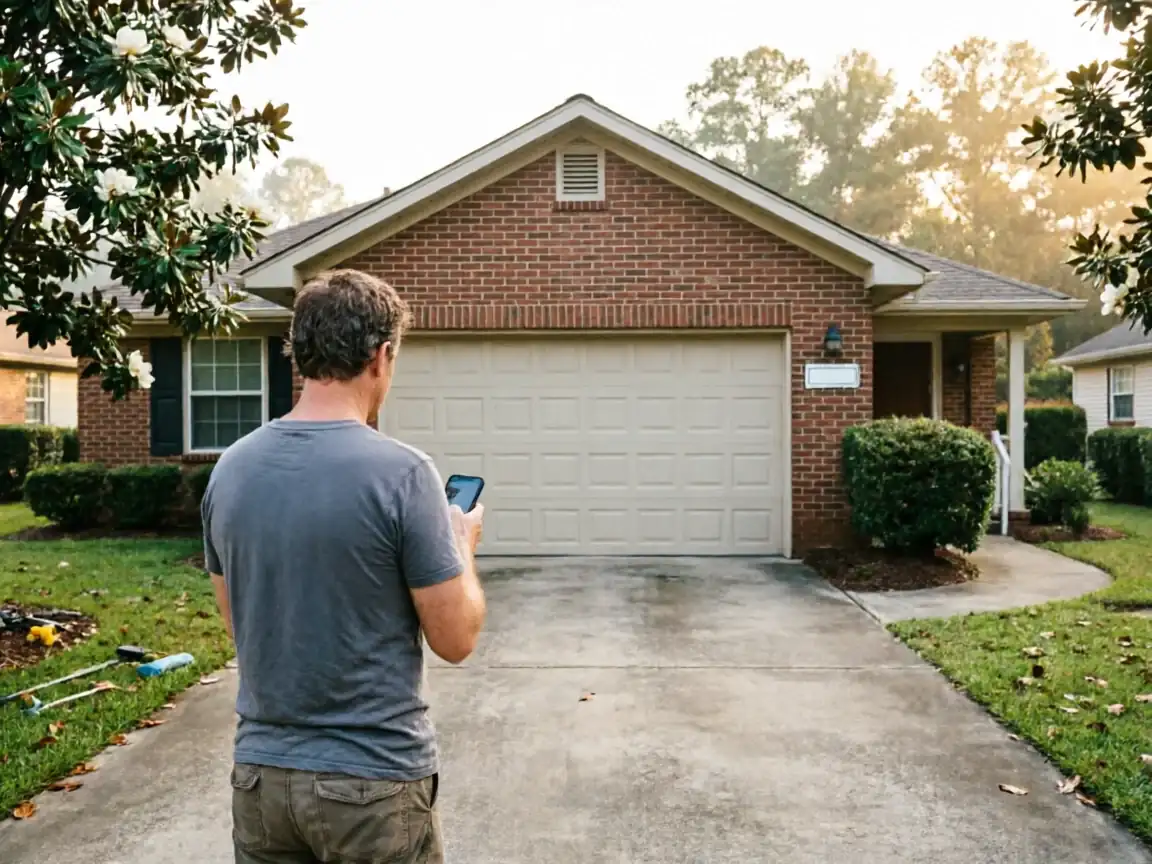
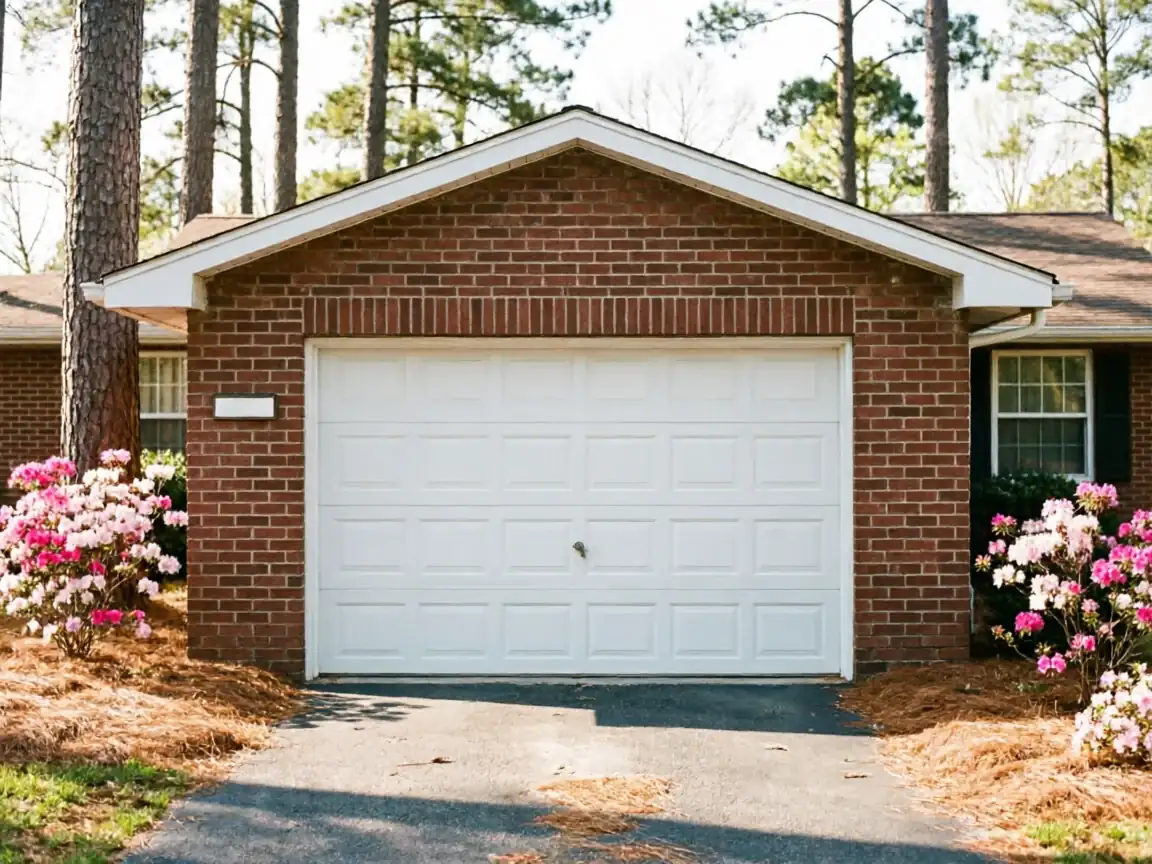
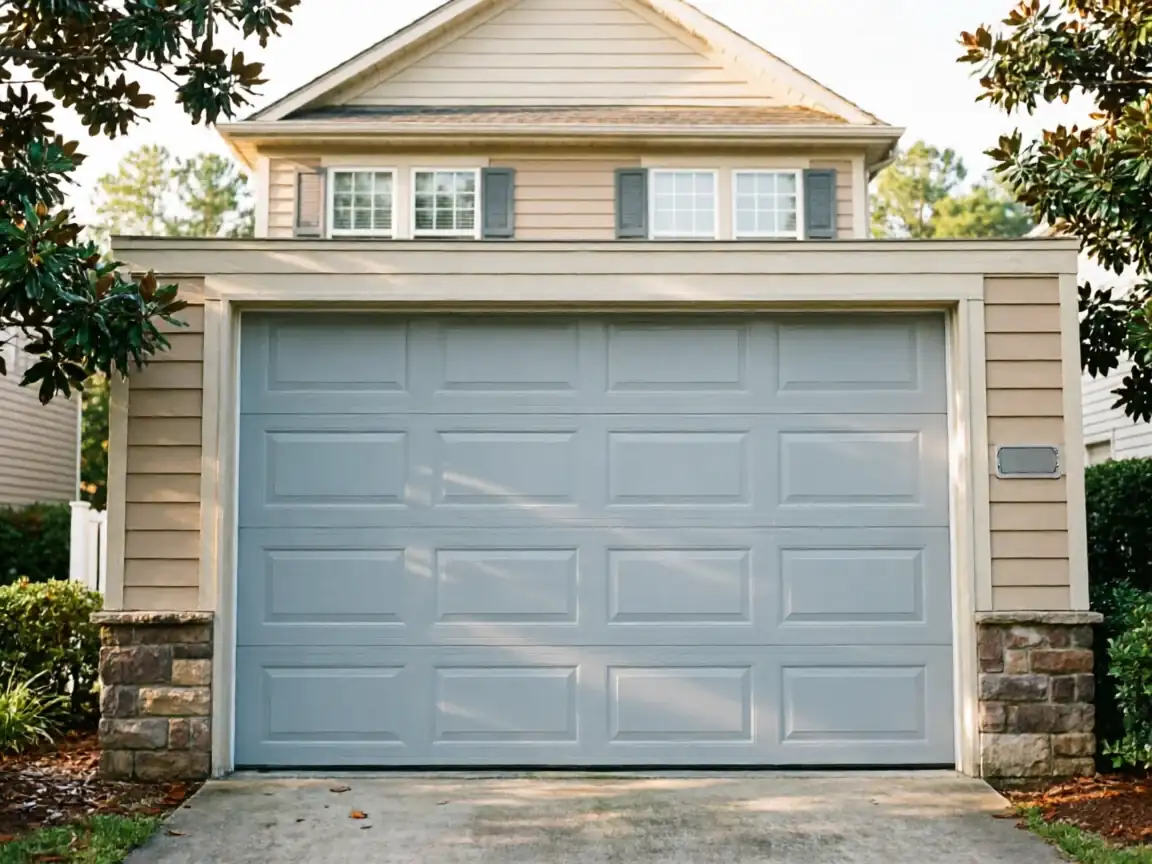
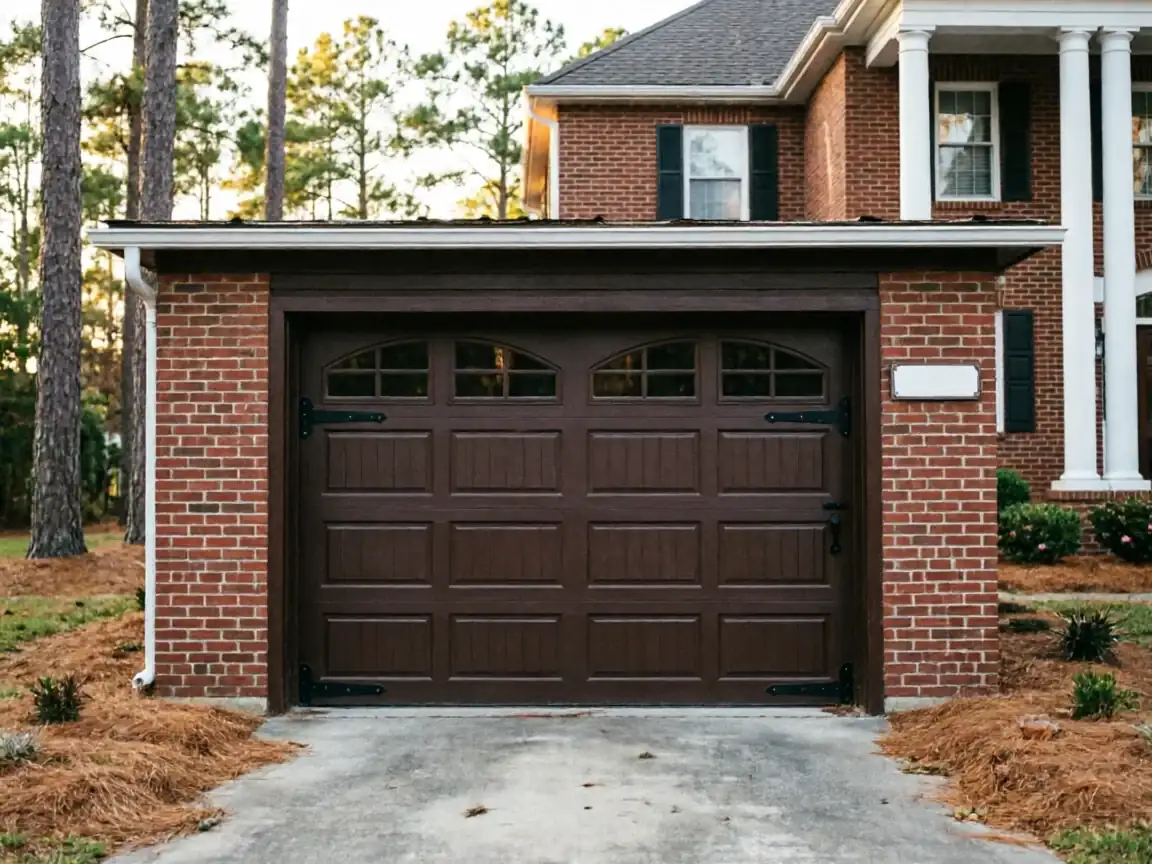
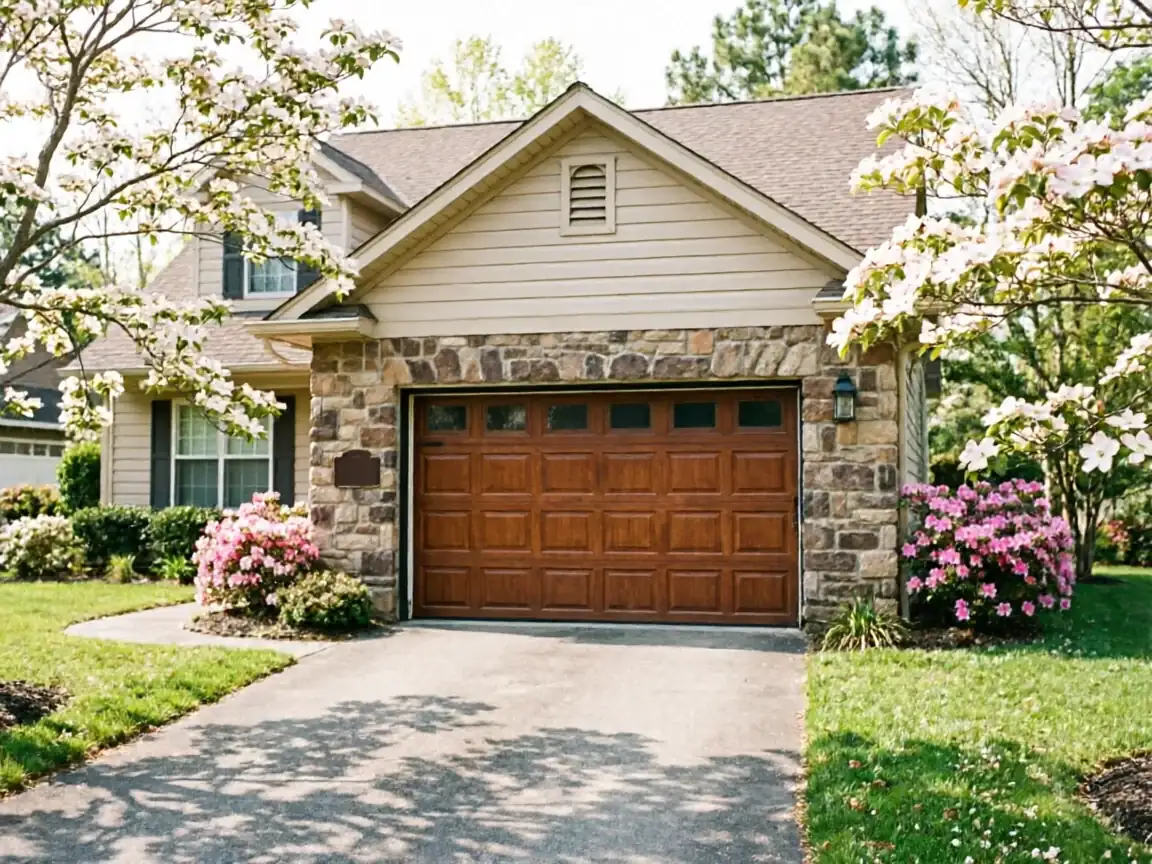
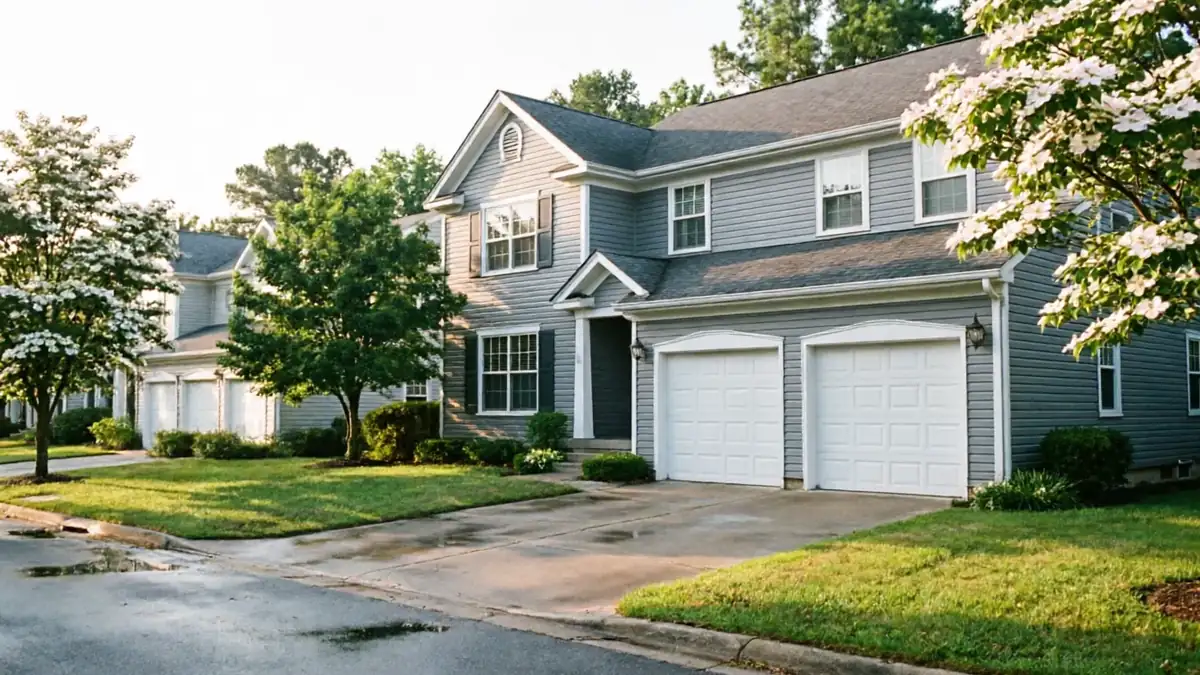
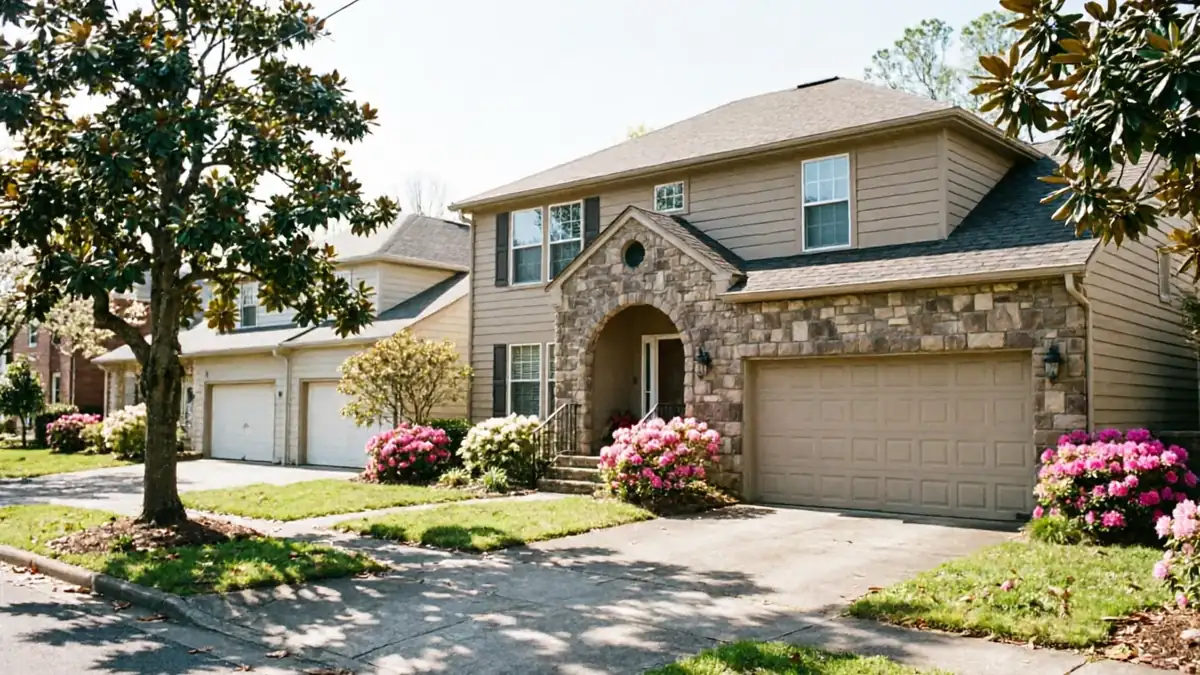
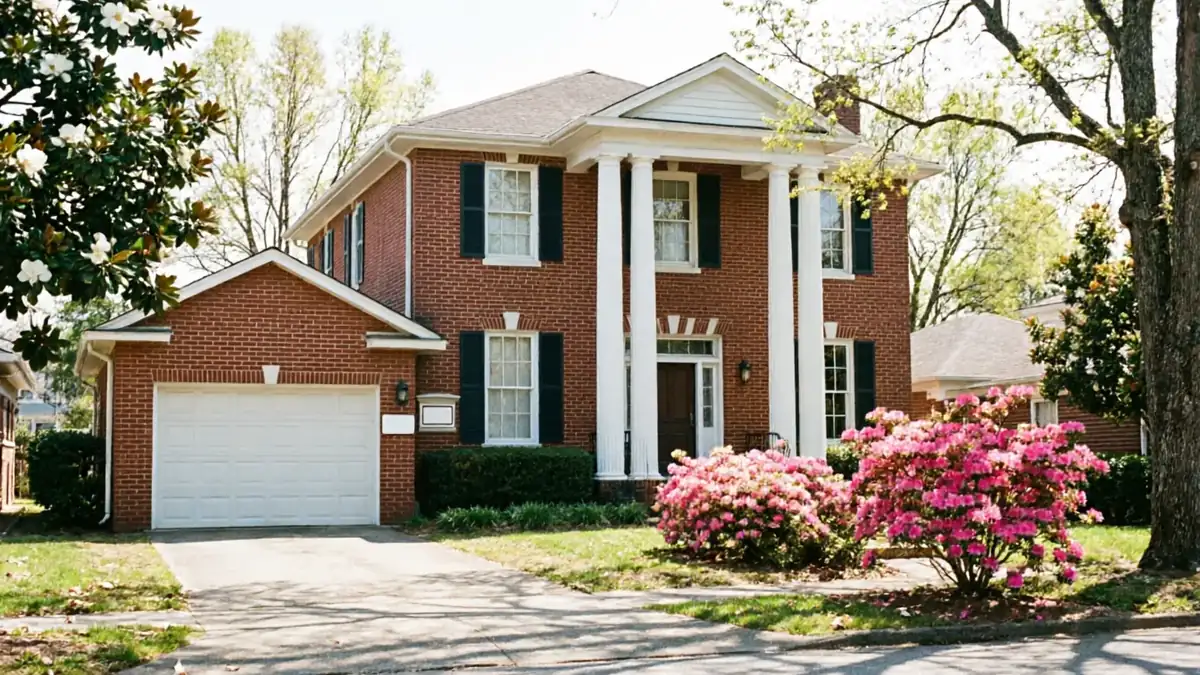
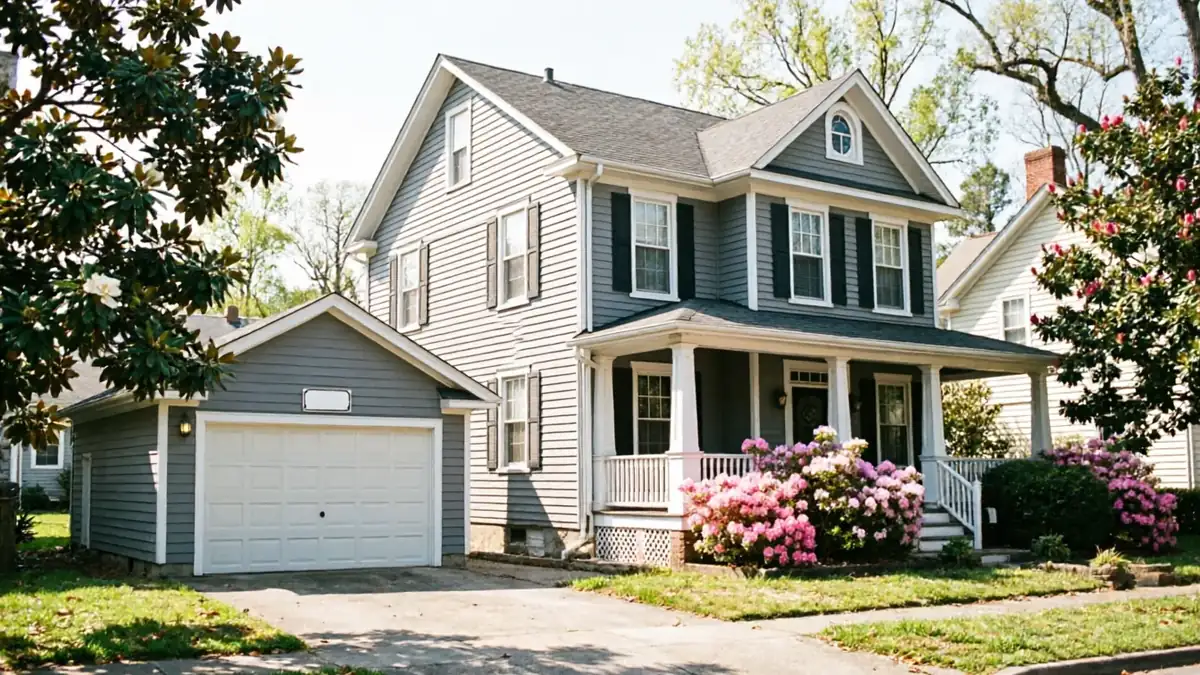
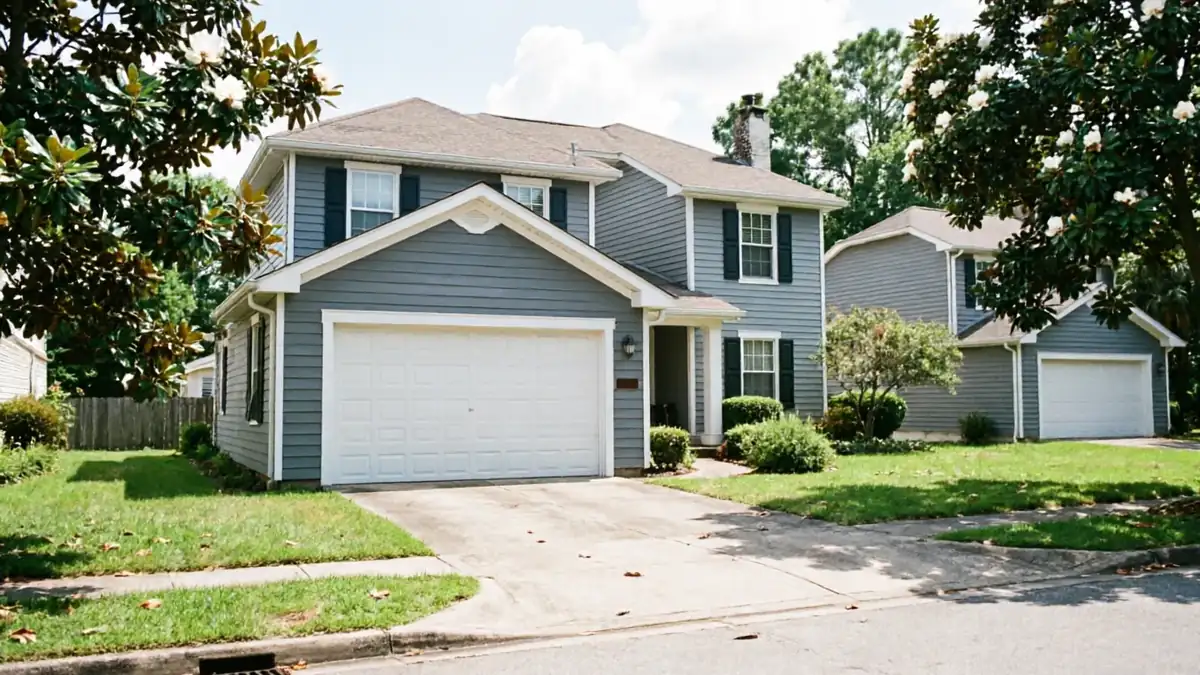
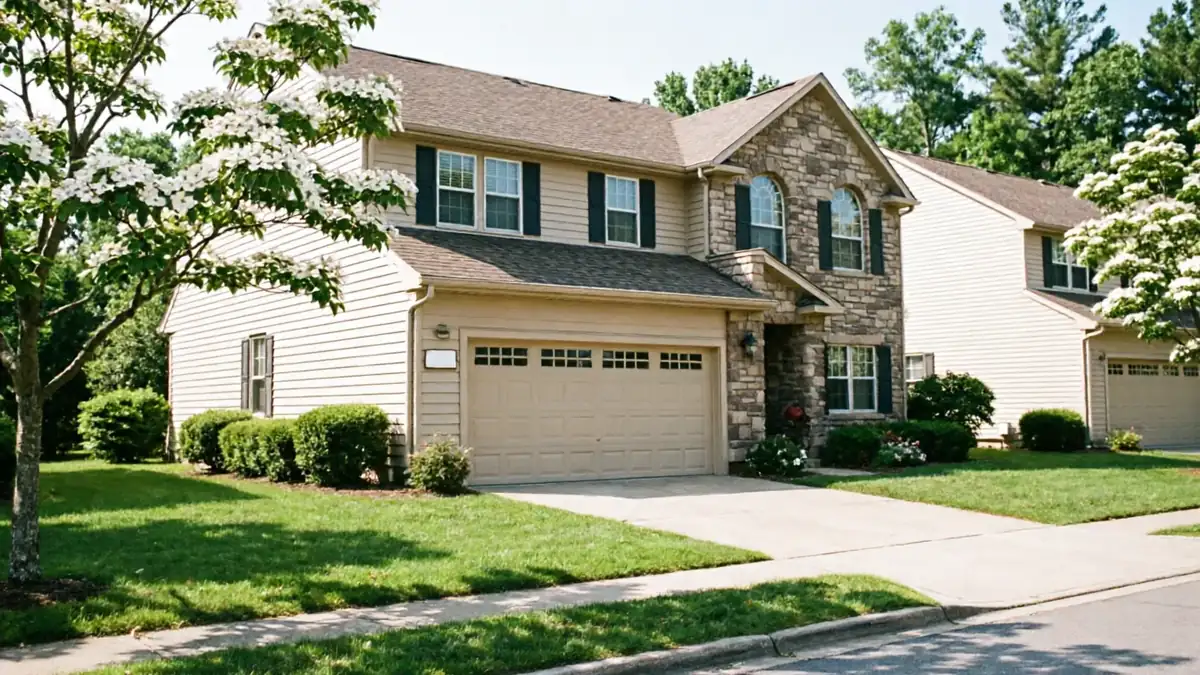
With roughly 1,332 households in the area and median household income around $52,045, this is a working, owner-occupied stretch, not a rental-heavy pocket. Houses from the early 1980s tend to have single-car or modest double garages, standard 7-foot openings, and the kind of steel or wood-composite doors that were standard before insulated steel became the default in the 90s.
The climate here is mild with occasional freeze snaps, which is gentler on hardware than a true freeze-thaw climate, but it still means weatherstripping and bottom seals dry out and crack over the years, letting in enough cold air on a hard-freeze night to matter if you keep anything in the garage you'd rather not freeze.
None of this requires a special door built for extreme weather. It does mean the common failure points on a 40-year-old door - springs, seals, rollers - are worth checking before they fail outright, especially since this area's housing stock runs older than the Columbus-wide median.