What Most People Get Wrong
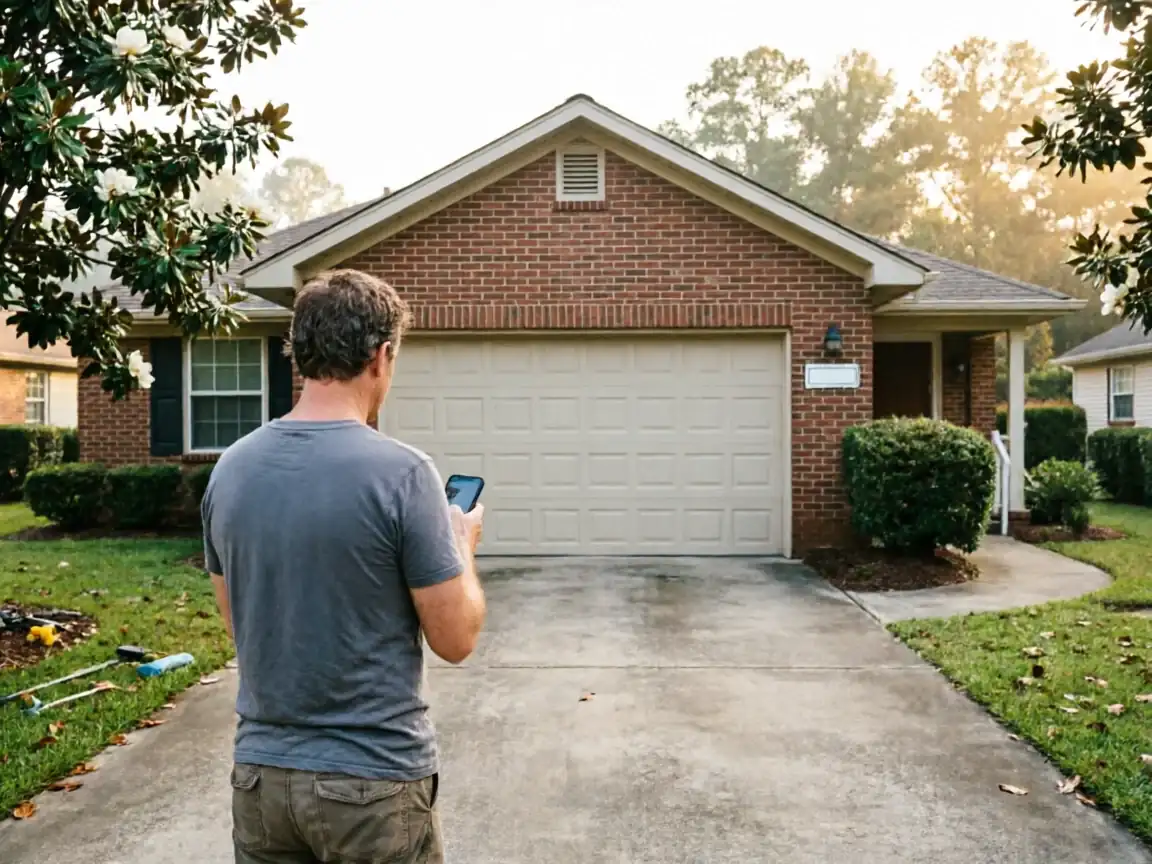
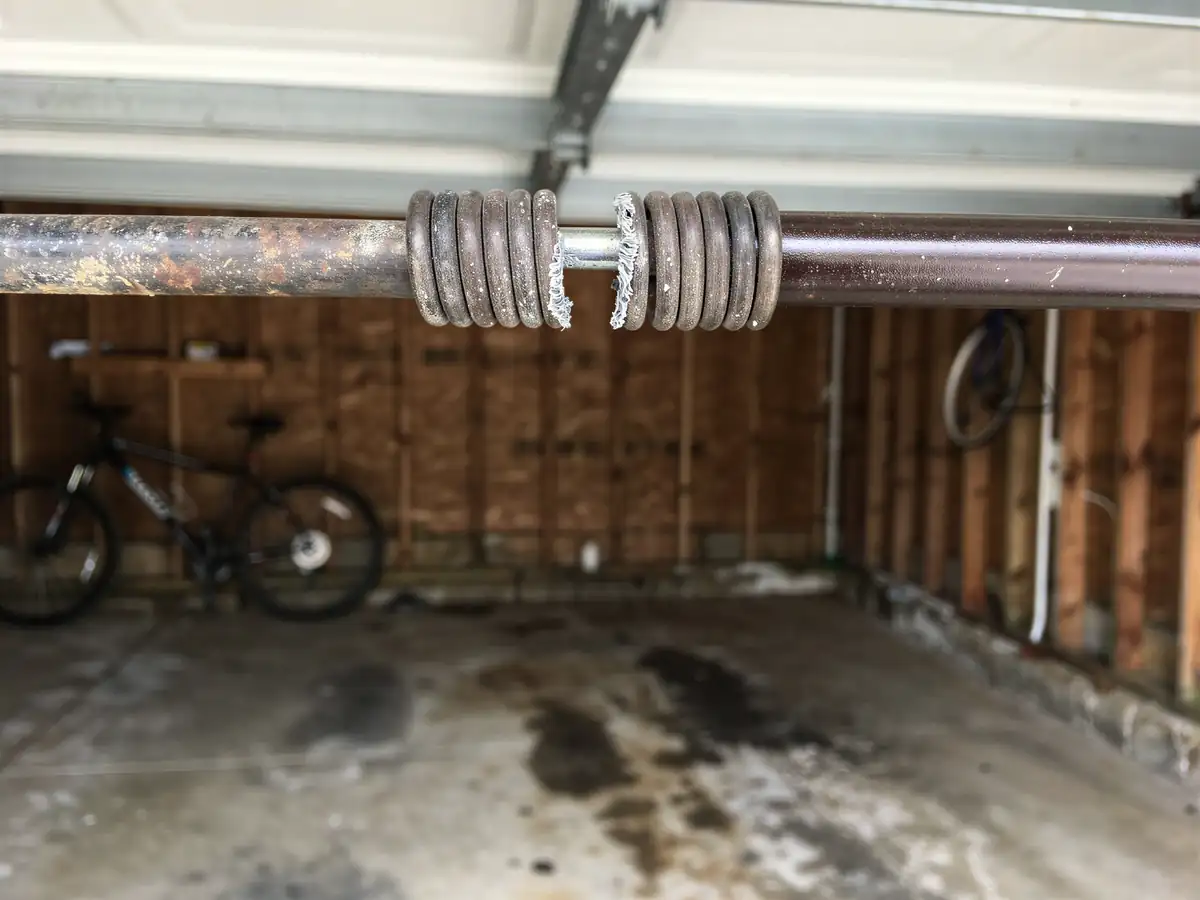
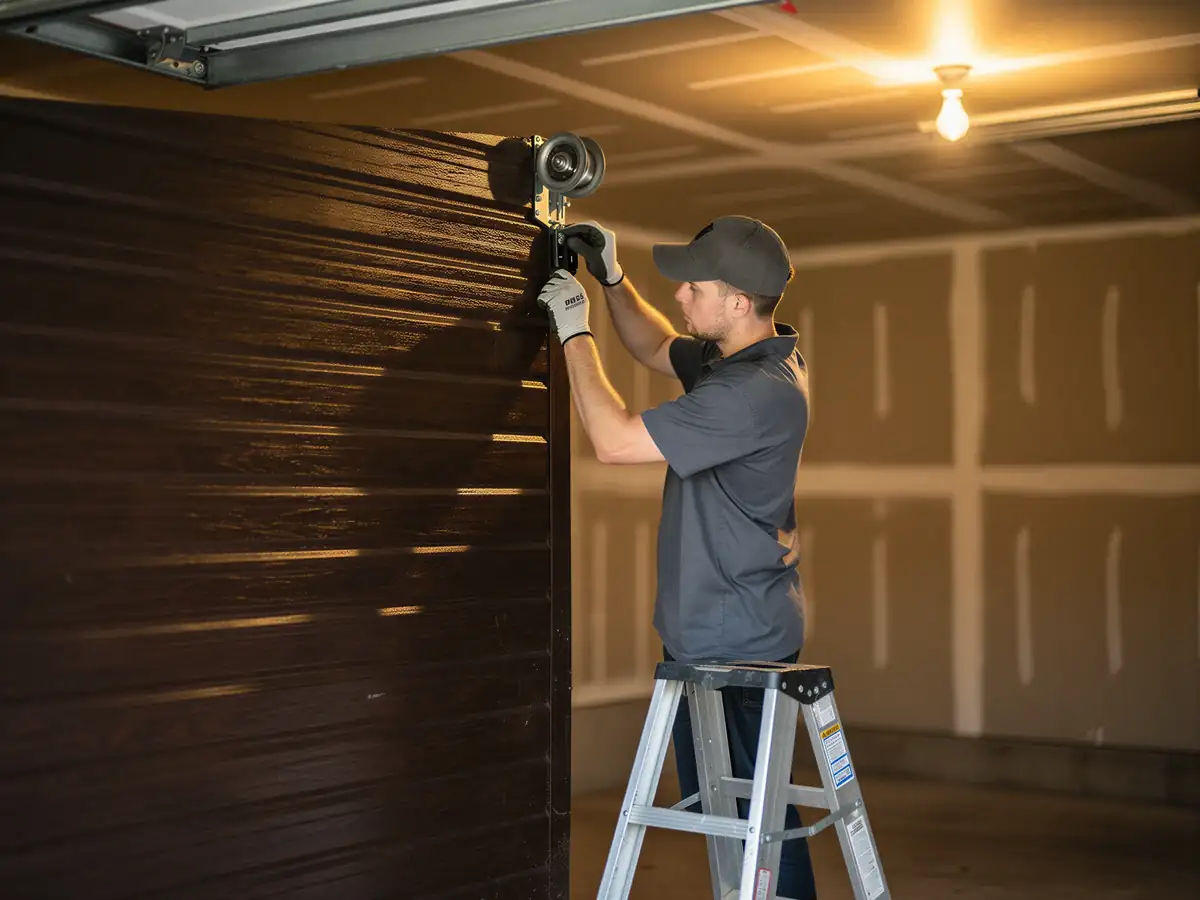
Most of the houses we work on in this part of Columbus went up between 1972 and 2011, with the median build year sitting around 1991. That's a wide stretch, but it means two things people get wrong constantly. First, they assume their opener and spring setup is "basically new" because the house itself doesn't feel old. A door installed in 1991 is over thirty years old, and the torsion spring on it has almost certainly outlived its cycle count already, whether it's broken yet or not. Second, people in the two main pockets of 1980s-90s stock around here assume their neighbor's door and their own door are the same job. They're close in age, not identical - track length, spring wind, and opener mounting changed more than once across that twenty-year build window. A technician still needs to look at the actual hardware before quoting anything. We see a lot of owners who want a phone-quote based on "it's a standard double door, built in the 90s." That's a starting point, not an answer. The other mistake: assuming a stuck door in a mild climate is always a spring problem. Sometimes it's just a track that's walked out of alignment over thirty-odd years of use, which is a cheaper fix than people brace for.
The Cost of This Job
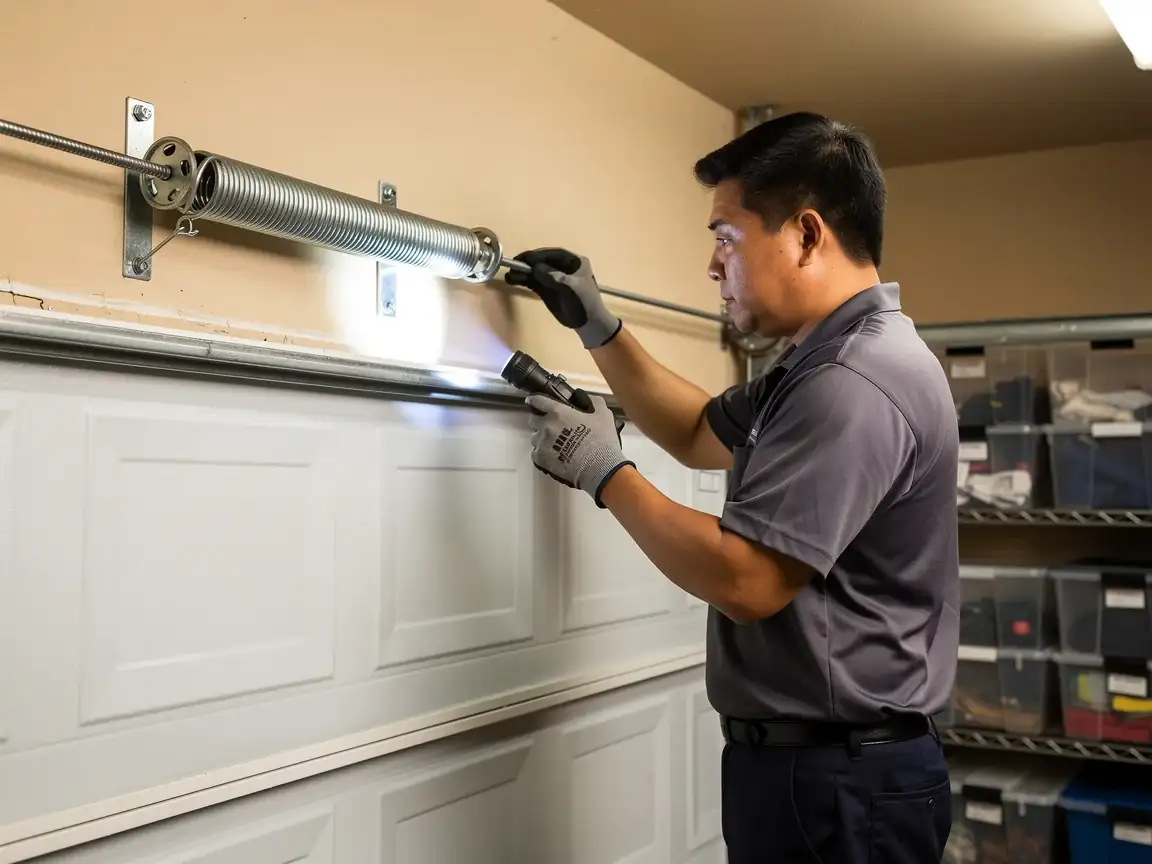
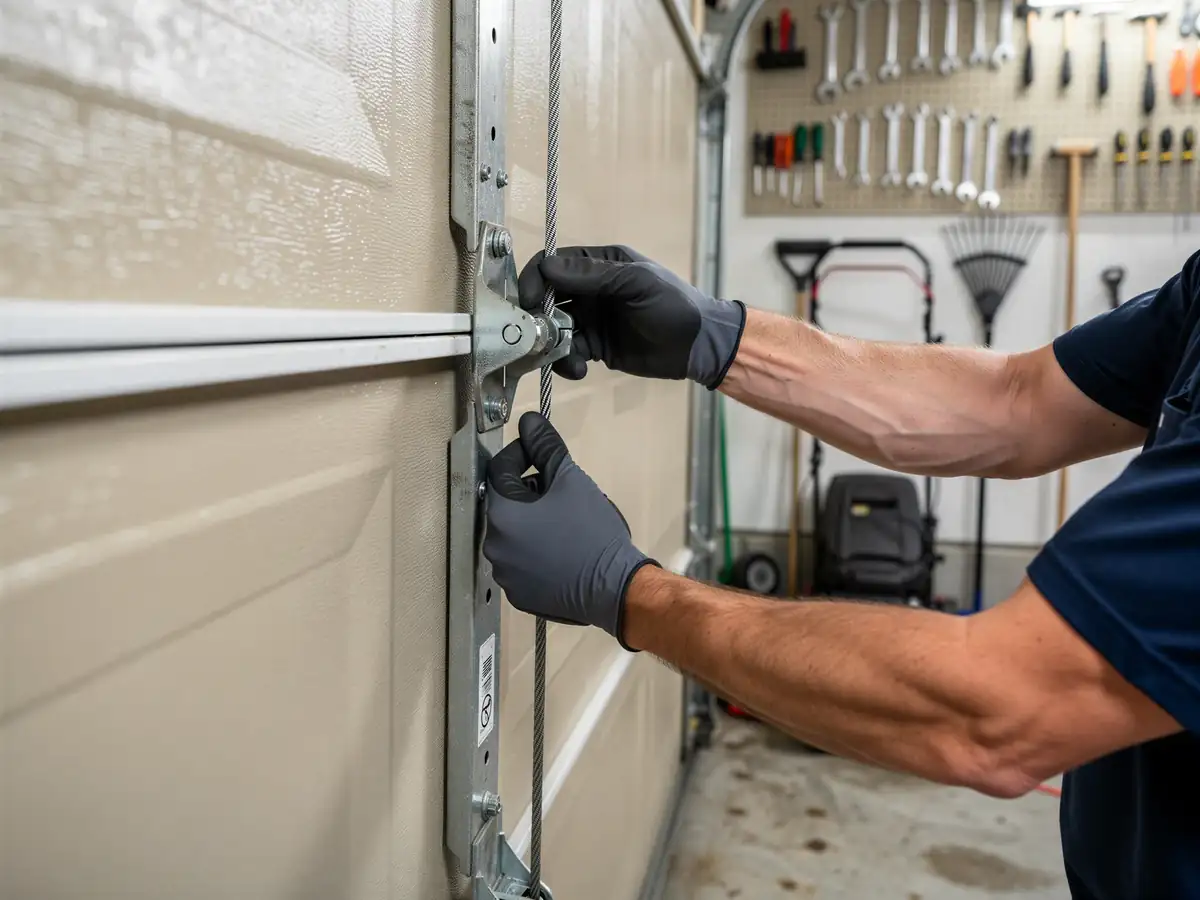
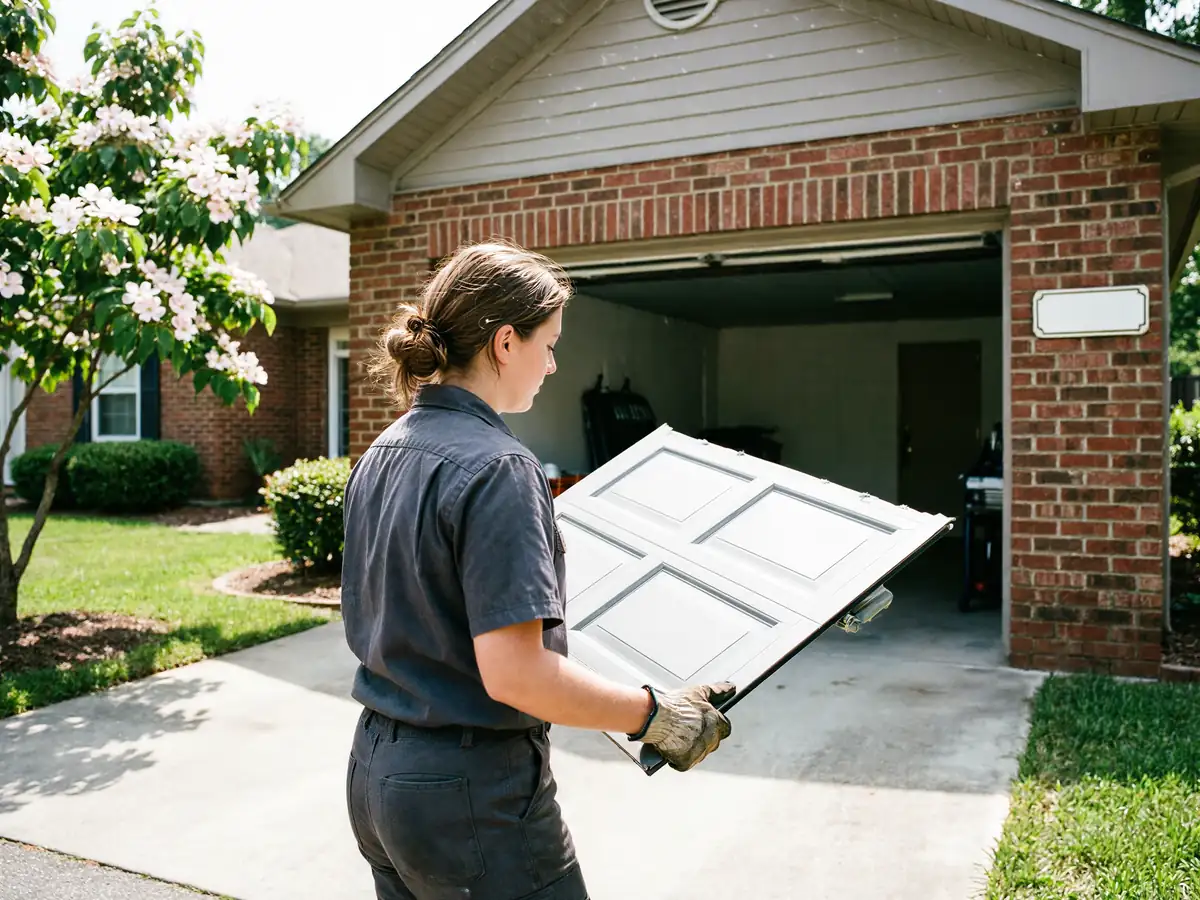
We're not going to put a number here we can't back up, because the honest answer is that cost depends on what's actually failed - spring, cable, roller, opener board, or some combination once one part drags the others down with it. What we can tell you is what drives the job up or down. Houses built in this 1972-2011 window mostly still have their original door and track dimensions even where the opener has been swapped out once or twice, so parts availability isn't usually the problem - it's whether the failure is isolated or whether one bad spring has already chewed up a cable or bent a track. The median household income in this service area runs $73,654, which tells us most jobs here are repair-first, replace-second decisions rather than automatic full-door swaps. That's the right order of operations anyway: fix what's broken, replace only when the door itself (not just the spring or opener) is the problem. One honest limit - if your panel is dented and the door is pushing toward 30+ years old, sometimes a patch repair isn't worth the labor and you're better off pricing a new door. We'll tell you that straight instead of billing you twice.
What Is Going On
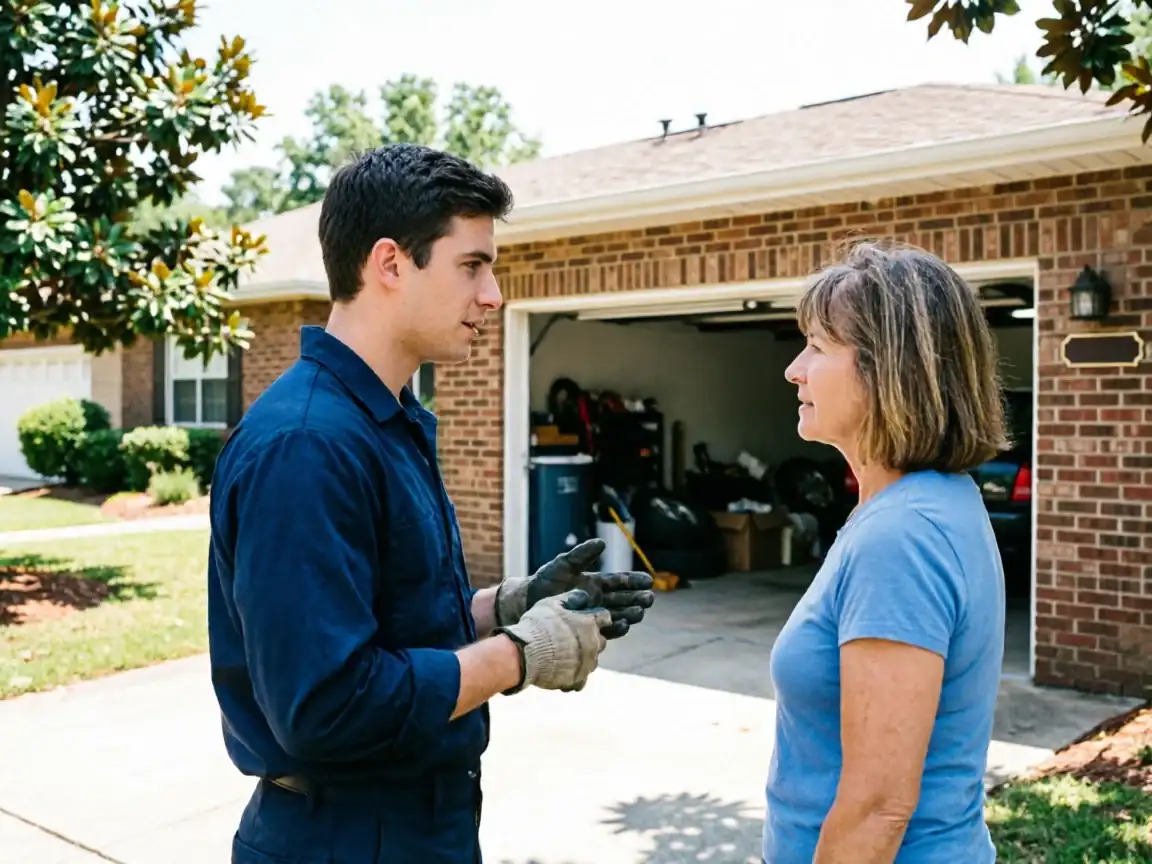
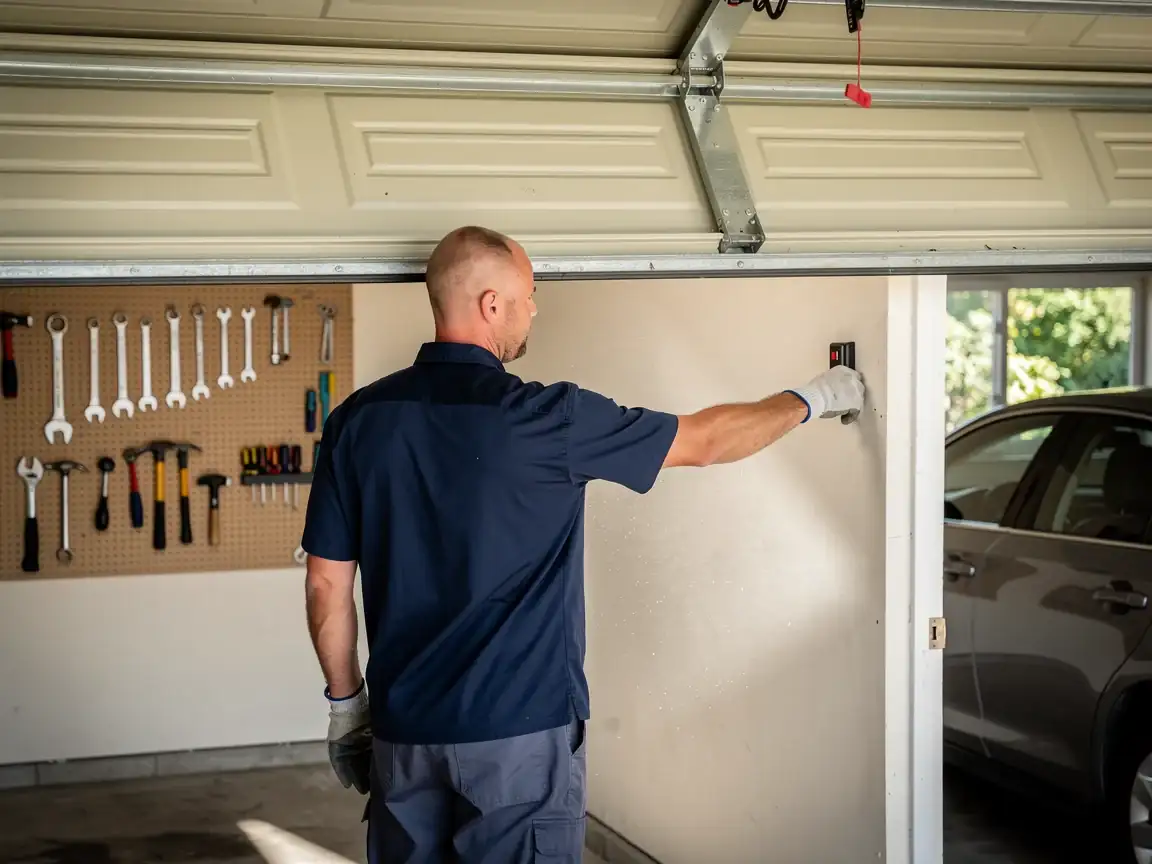
Across the 862 households in our service area, 592 are owner-occupied houses - meaning most of the doors we see belong to people who've owned the house long enough to have inherited whatever the original builder installed, or one prior replacement. Given the 1972-2011 build range, that means we're routinely working on doors and openers that are anywhere from 15 to 50 years past their install date, often with no maintenance history at all, because most owners never think about a garage door until it stops working. The two named pockets of 1980s-90s stock in the area tend to share openers from that same generation, which were built to lower safety-reversal standards than anything sold today - worth knowing if yours has never been swapped. We're a few miles from and the housing pattern doesn't shift sharply between those areas and the main service zone - same build decades, same general wear pattern. So when we show up to a call, we're usually not guessing at the era of the hardware. We're confirming which specific failure in that era-typical setup is the one that finally gave out.