What Most People Get Wrong
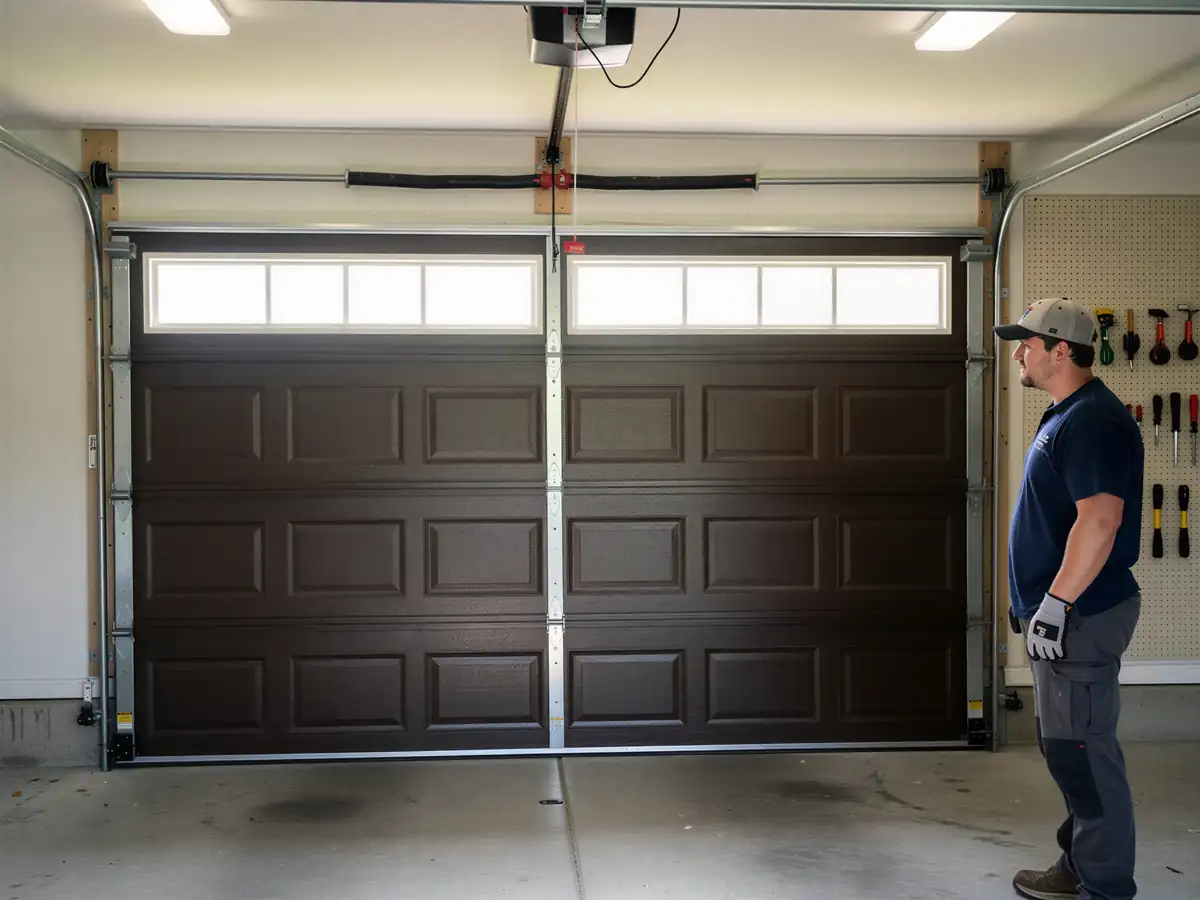
The common mistake here is treating every garage door the same, when the age spread across this service area isn't that wide. Housing in the areas we work went up mostly between 1972 and 2011, with the median build year sitting around 1991, and a good chunk of that stock is concentrated in two named pockets built through the 1980s and 90s. That matters because a door from a 1991 build and a door from a 2008 build use different track widths, different spring wind, and in some cases different opener mounting that a one-size repair kit won't match.
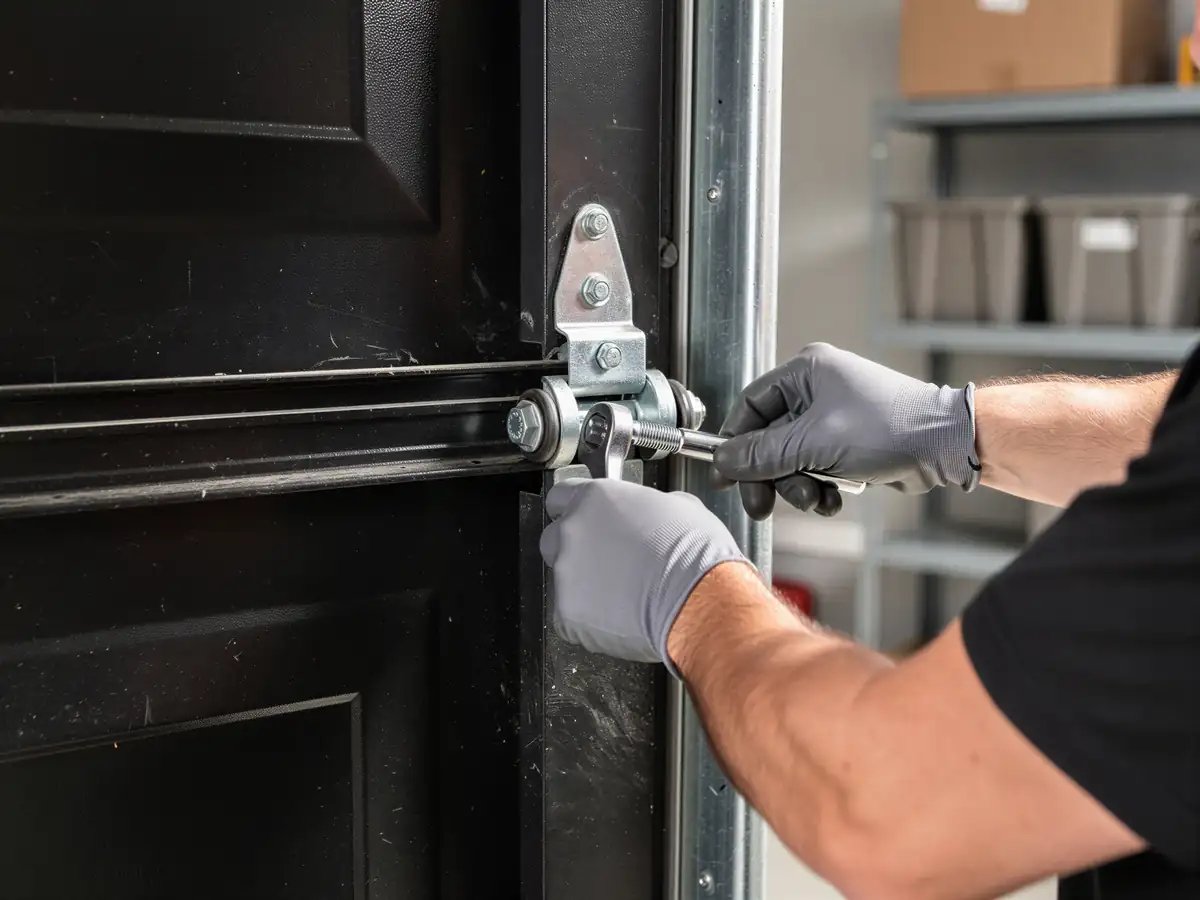
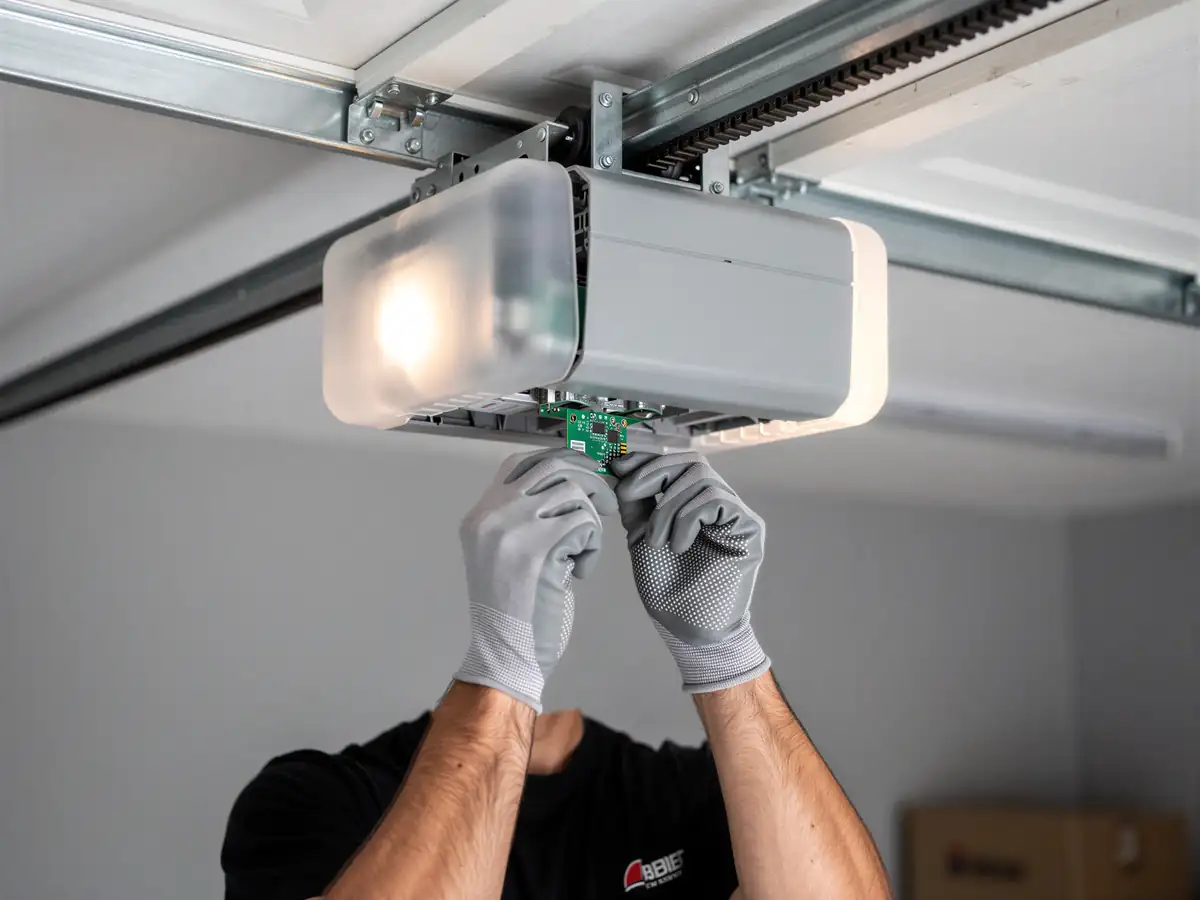
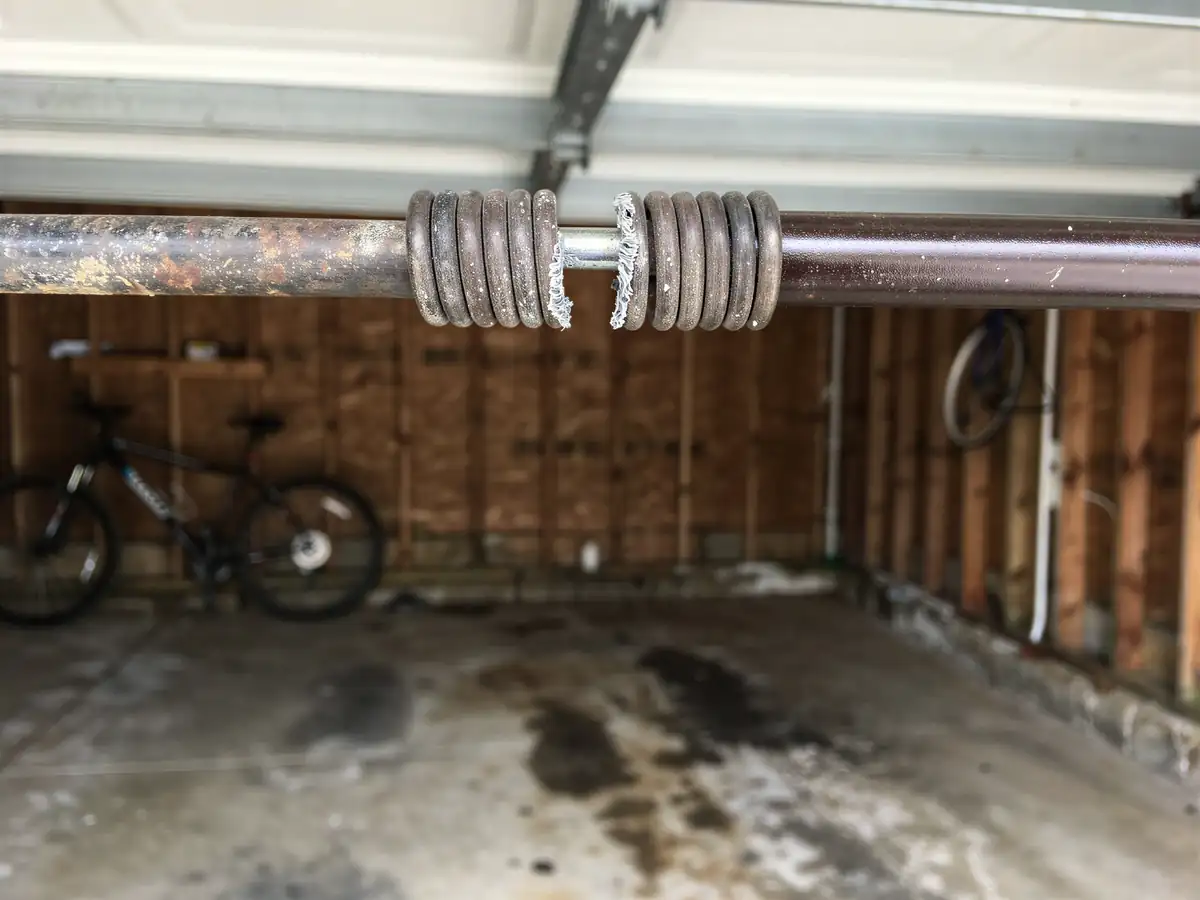
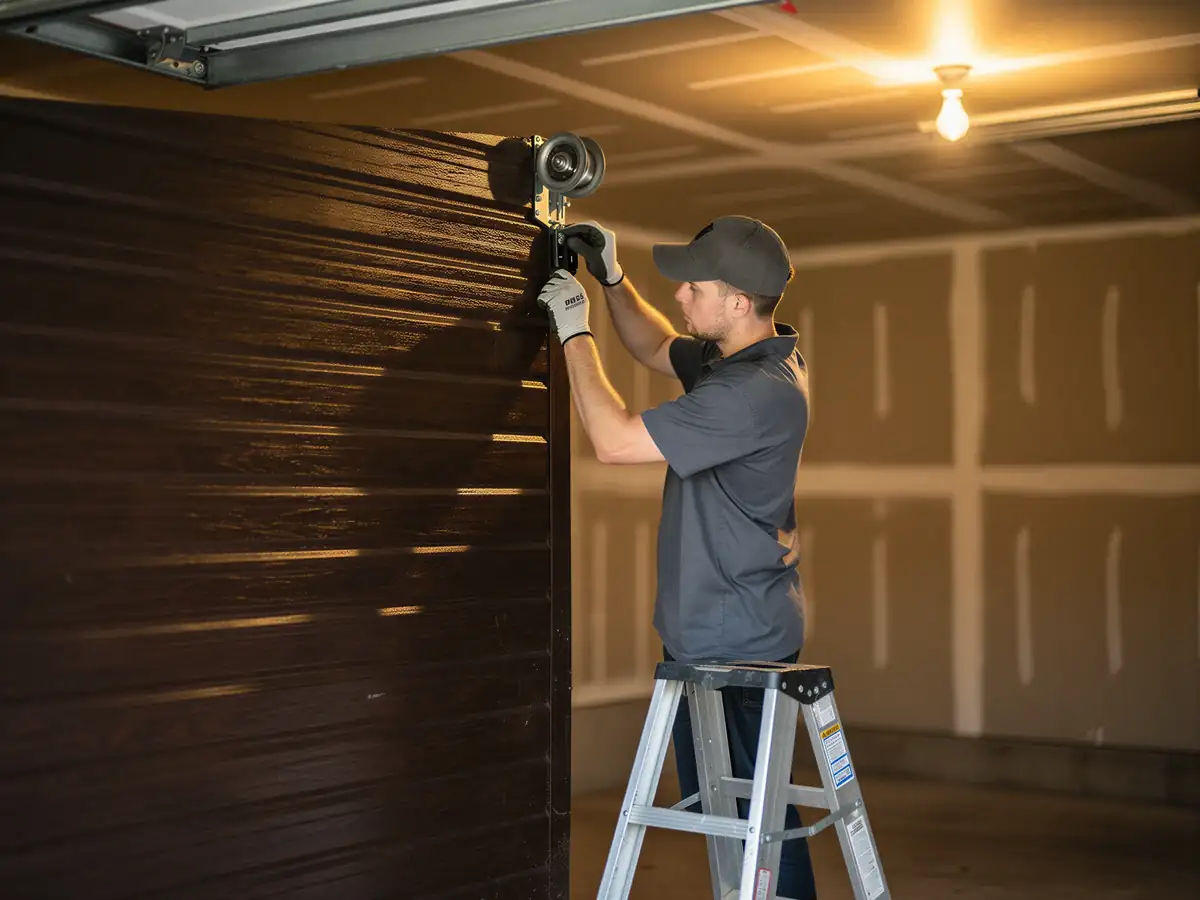
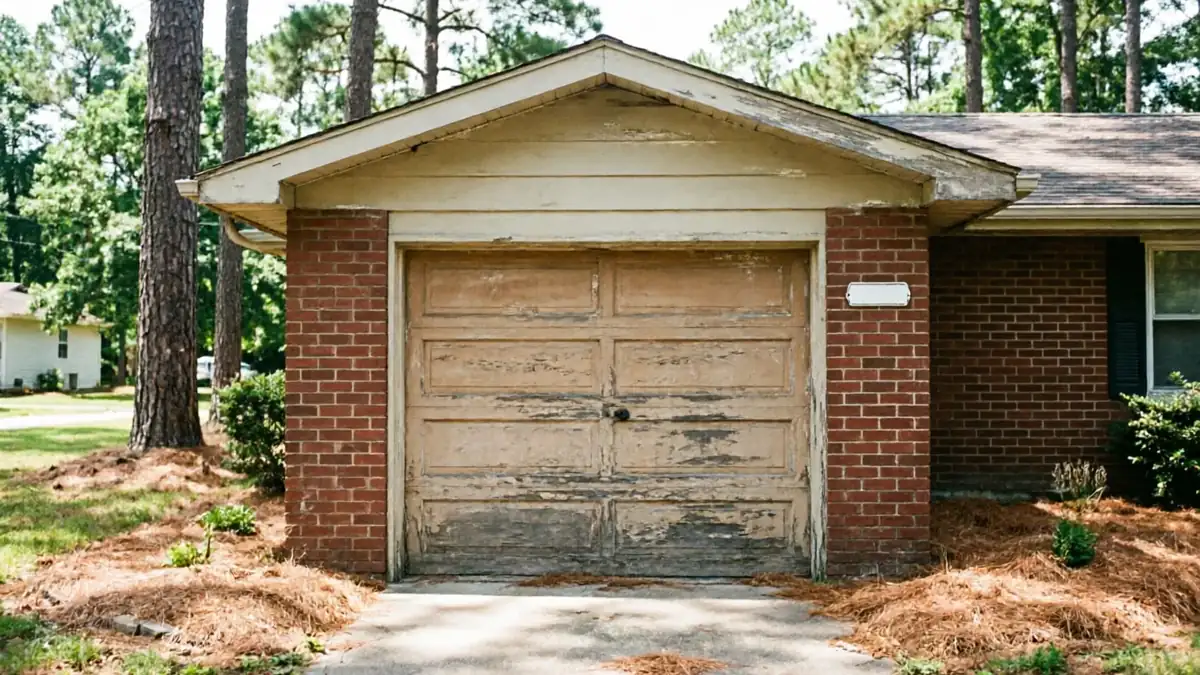
People also assume a door that's 20-plus years old is automatically a replace job. It isn't. A torsion spring, a bent track, or a worn roller on a door from that era is almost always a repair, not a tear-out. What actually pushes a door from this period into replace territory is usually the opener bracket or the panel itself delaminating, not the hardware. If you don't know the install year of your door, check the permit sticker or the manufacturer label on the back panel - that single date tells us more than a walk-around does.
We can't quote a fix over the phone without that information. Guessing the spring size on a 1980s door versus a 2005 door from a description alone leads to ordering the wrong part twice.
The Cost of This Job
We don't have a flat number to hand you here, and we're not going to make one up. What we can tell you is how the housing age affects the decision. Doors built in the 1972-2011 window in this area are old enough that springs and rollers have usually cycled out at least once, but the frames and tracks on most of them are still standard sizes that parts suppliers stock - which keeps a repair a repair instead of a custom order.
The median household income across the service area sits at $73,654, and most of the homes we see are owner-occupied rather than rental, out of 862 households and 592 owner-occupied houses total. That combination tends to mean people want the job done right the first time rather than the cheapest patch, which is a fair way to think about a spring or opener repair: pay for the correct part once.
Where cost actually jumps is when a door's track or frame has been bent out of square for a long time - that's a labor problem, not a parts problem, and it's the one thing that can turn a quick fix into a longer job. We'll tell you on site if that's what we're looking at instead of guessing over the phone.
What Local Conditions Do
This area sits in a mild climate band with occasional freeze
Not the hard freeze-thaw cycling that cracks concrete pads or seizes steel tracks the way it does farther north. That's good news for door hardware - springs and cables here don't take the same beating from repeated ice expansion that shortens their life elsewhere.
What the mild-with-occasional-freeze pattern does mean is that when a cold snap does hit
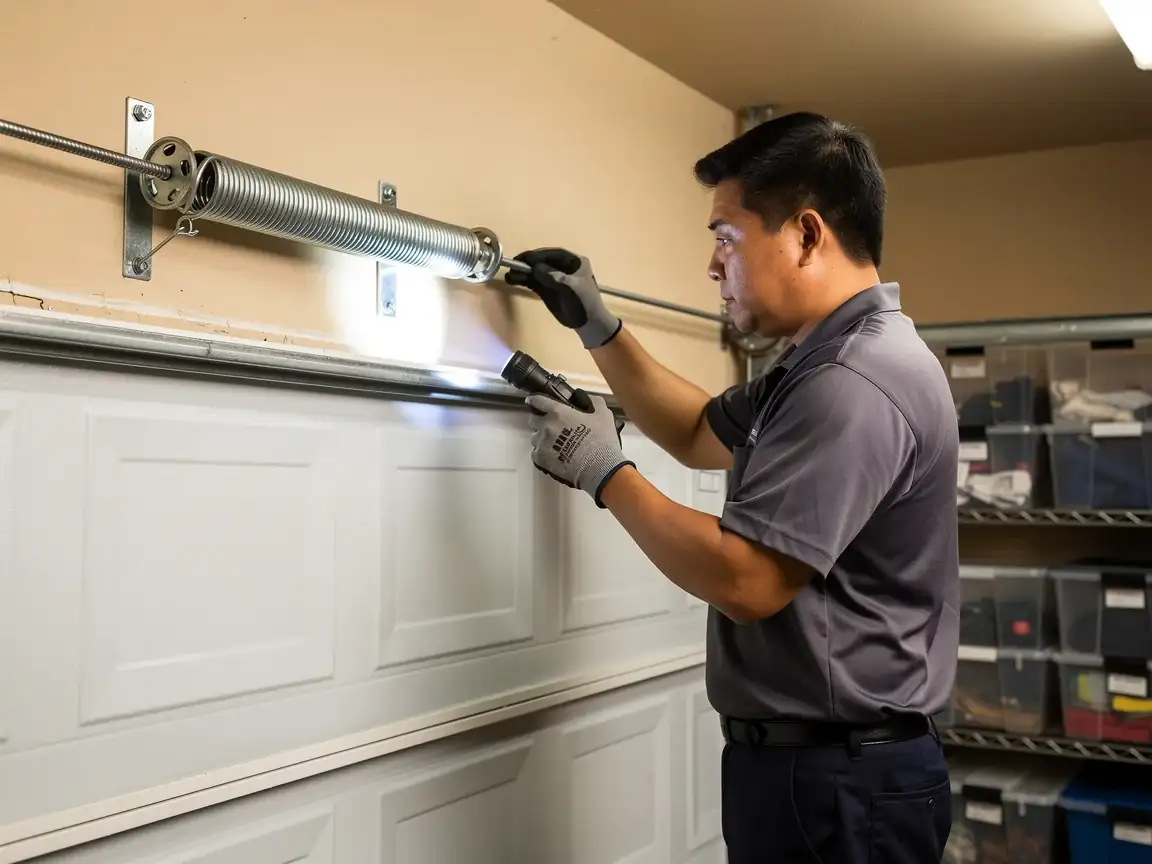
It catches hardware that's never had to deal with it. A torsion spring that's been fine for fifteen years can tighten up and bind on the one or two nights a year it actually gets cold enough to matter. That's usually when we get the call - not a gradual failure, but a door that worked fine last week and won't move this morning.
It also means panel insulation here is doing less work against daily temperature swings than it would in a harsher climate
So if a panel is failing, it's more likely rust, moisture, or age at the seams than a true insulation breakdown from freeze cycling.
What Is Going On
Put the pieces together and you get a fairly consistent picture across this service area: a door built sometime between 1972 and 2011, most likely in the 1980s or 90s if your house sits in either of the two older pockets, running original or near-original hardware, in a climate that's been gentle on it except for a handful of cold nights a year.
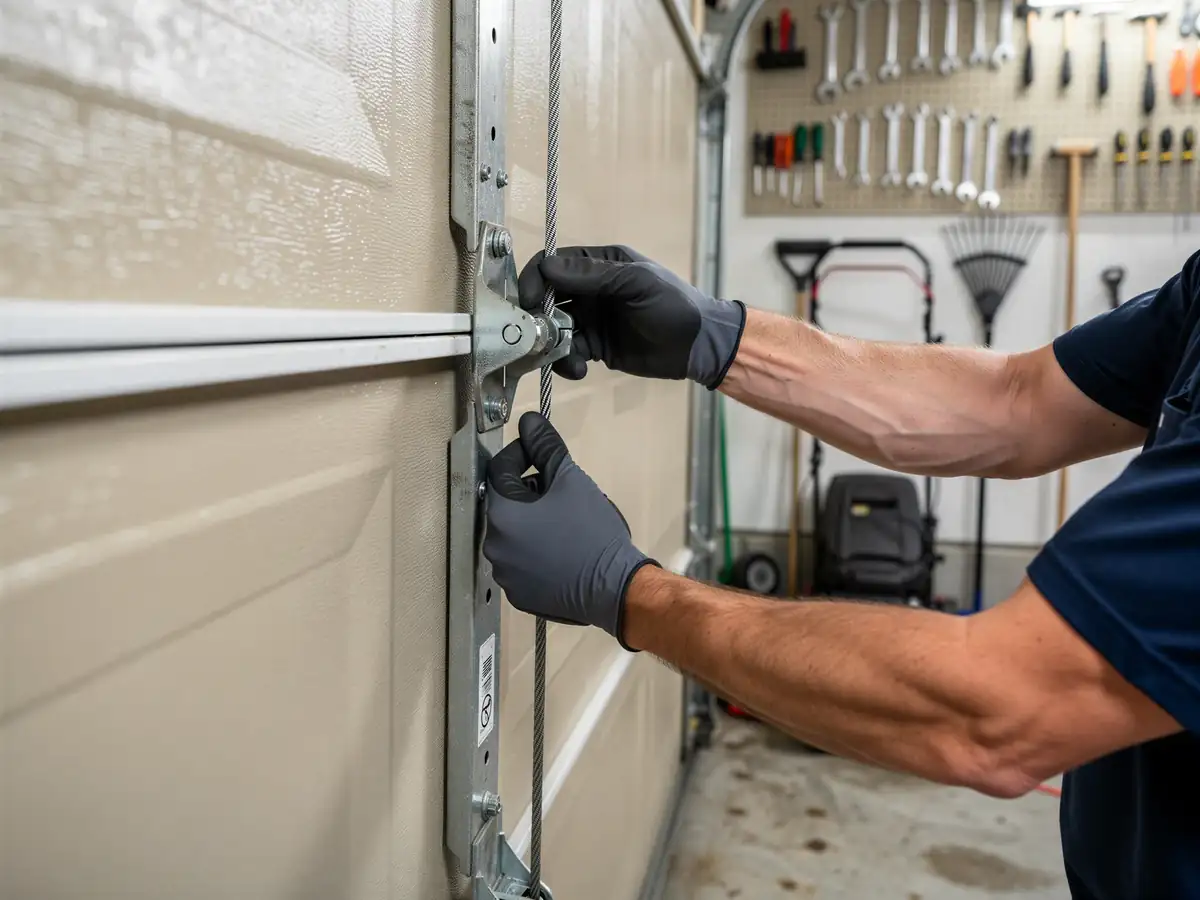
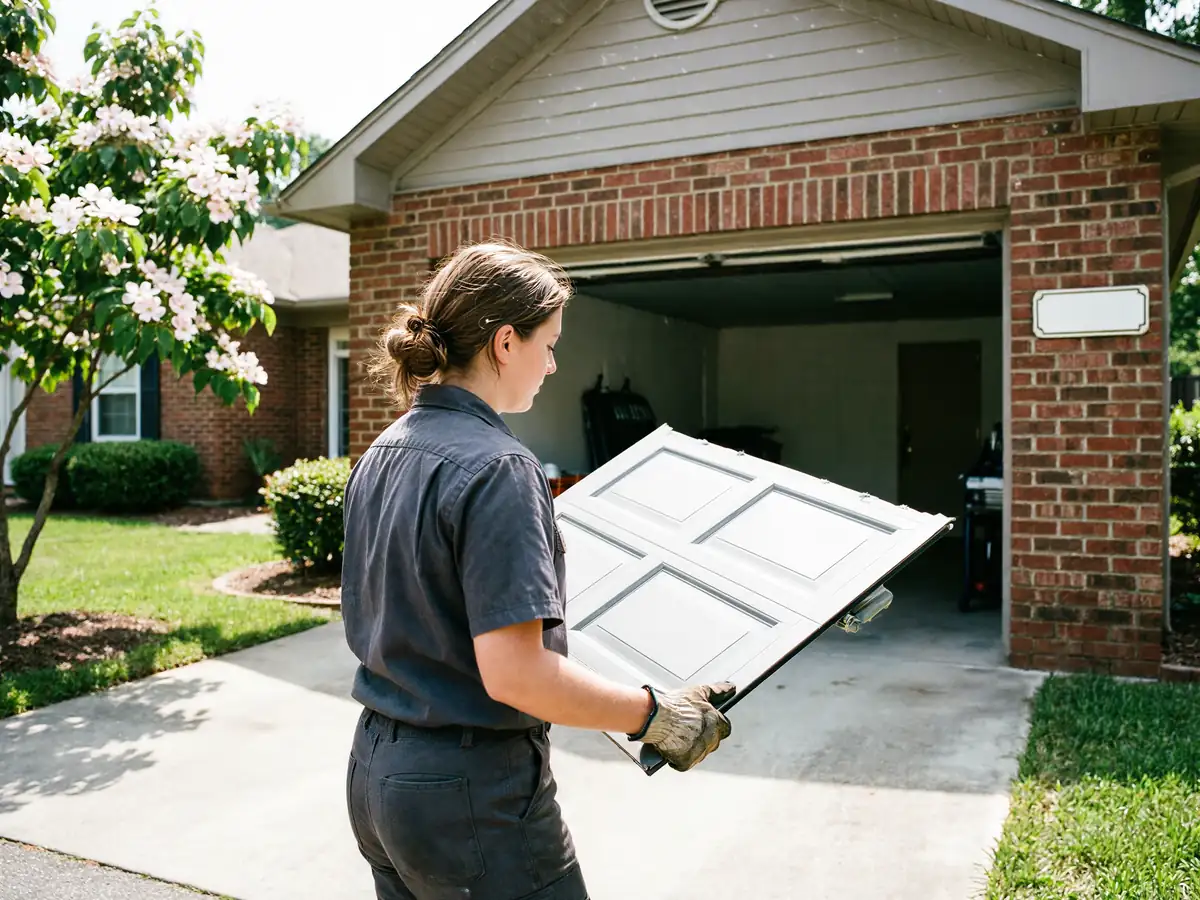
That's exactly the profile where a repair usually beats a replacement - the frame is standard, the climate hasn't corroded the springs, and the failure is almost always one part: a spring, a cable, a roller, or an opener gear. The honest exception is a door where the panel itself has started to sag or delaminate at the bottom seam. That's not something we patch - once the panel's structure goes, the door is a safety risk on the next cycle, and that's a replace conversation, not a repair one.
If you're not sure which category your door falls into, the age of the house is the first clue, not the look of the door from the driveway.