What the Housing Means for Your Door
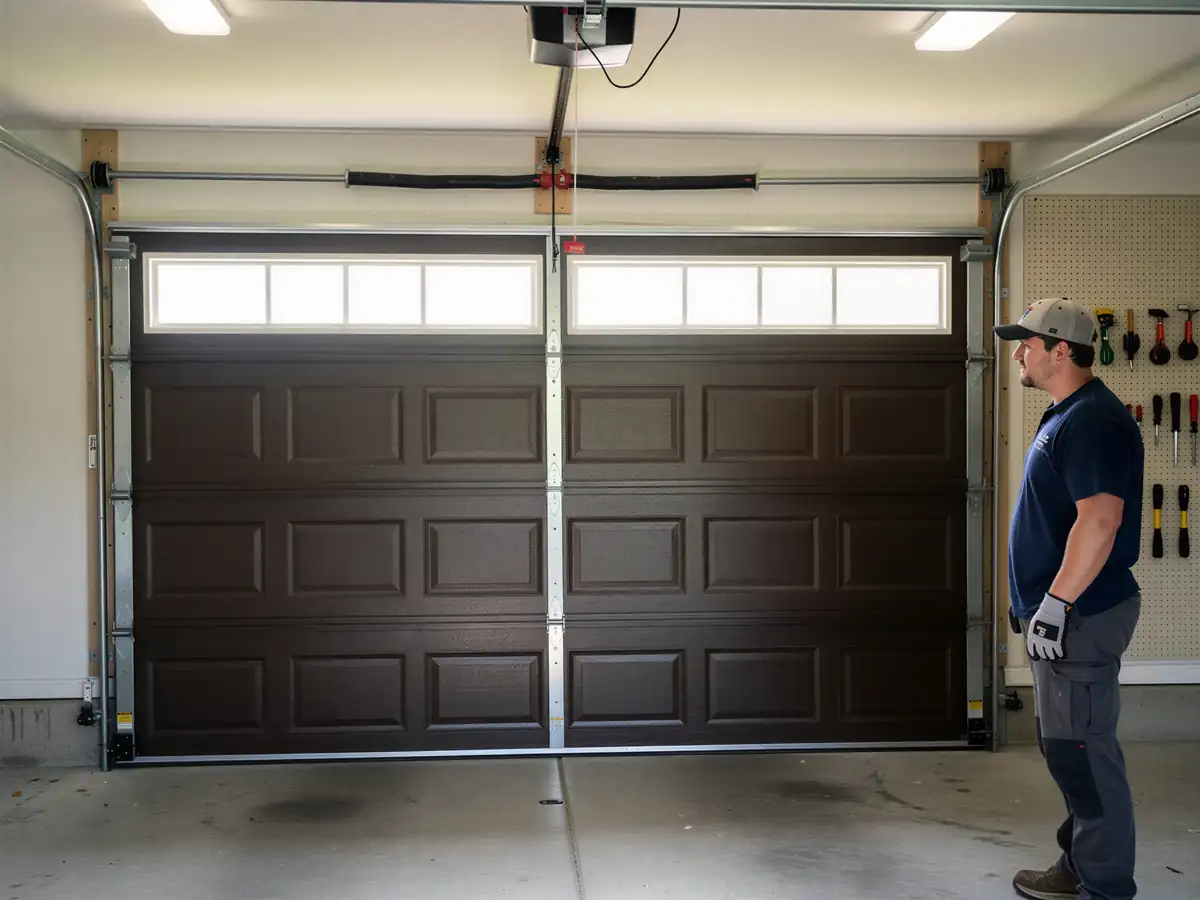
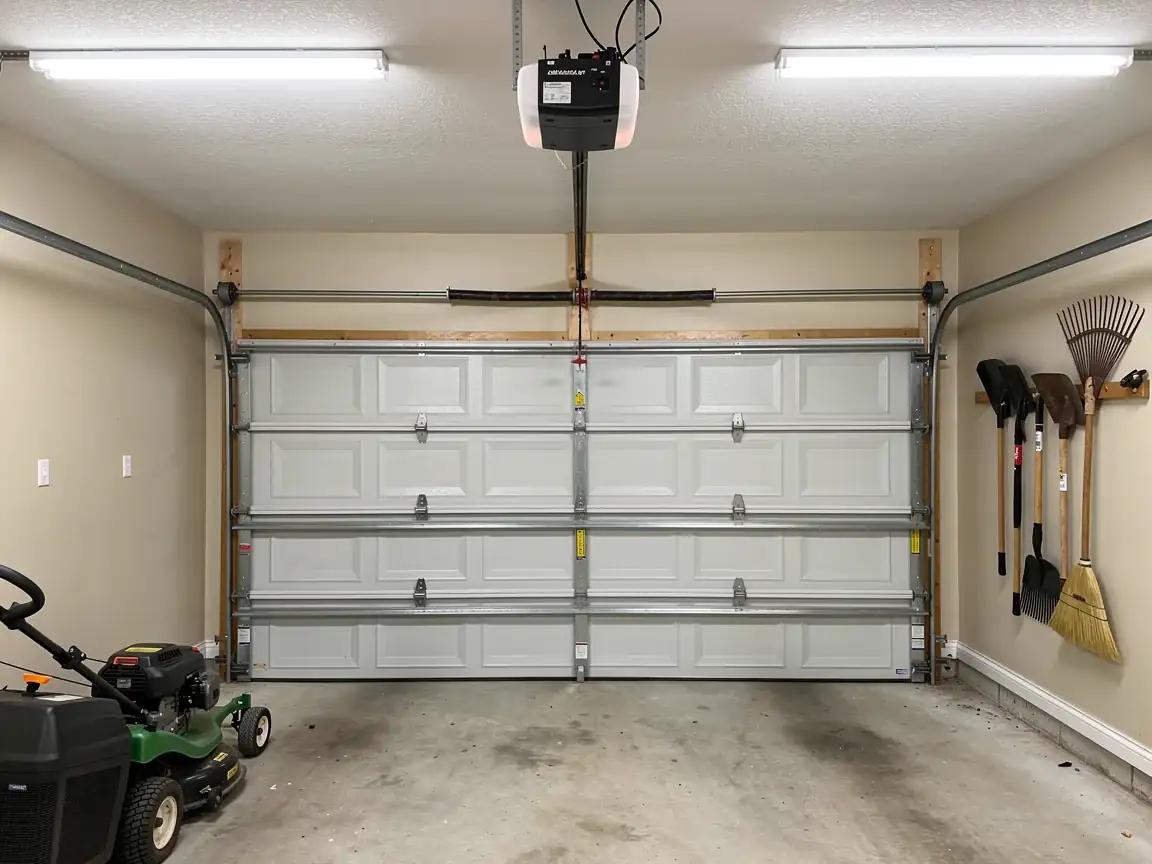
Talbotton sits apart from the newer subdivisions closer to Columbus. The houses out here were mostly built around 1981, a decade or so earlier than the 1991 median across the wider service area. That gap matters on a garage door call. Doors from that era were often installed with lighter-gauge torsion springs and smaller-horsepower chain-drive openers than what went into homes built in the 90s and 2000s. The steel on an early-80s door is usually thinner too, which means dents and bent tracks show up more from a bumped car or a weed-eater left leaning in the wrong spot.
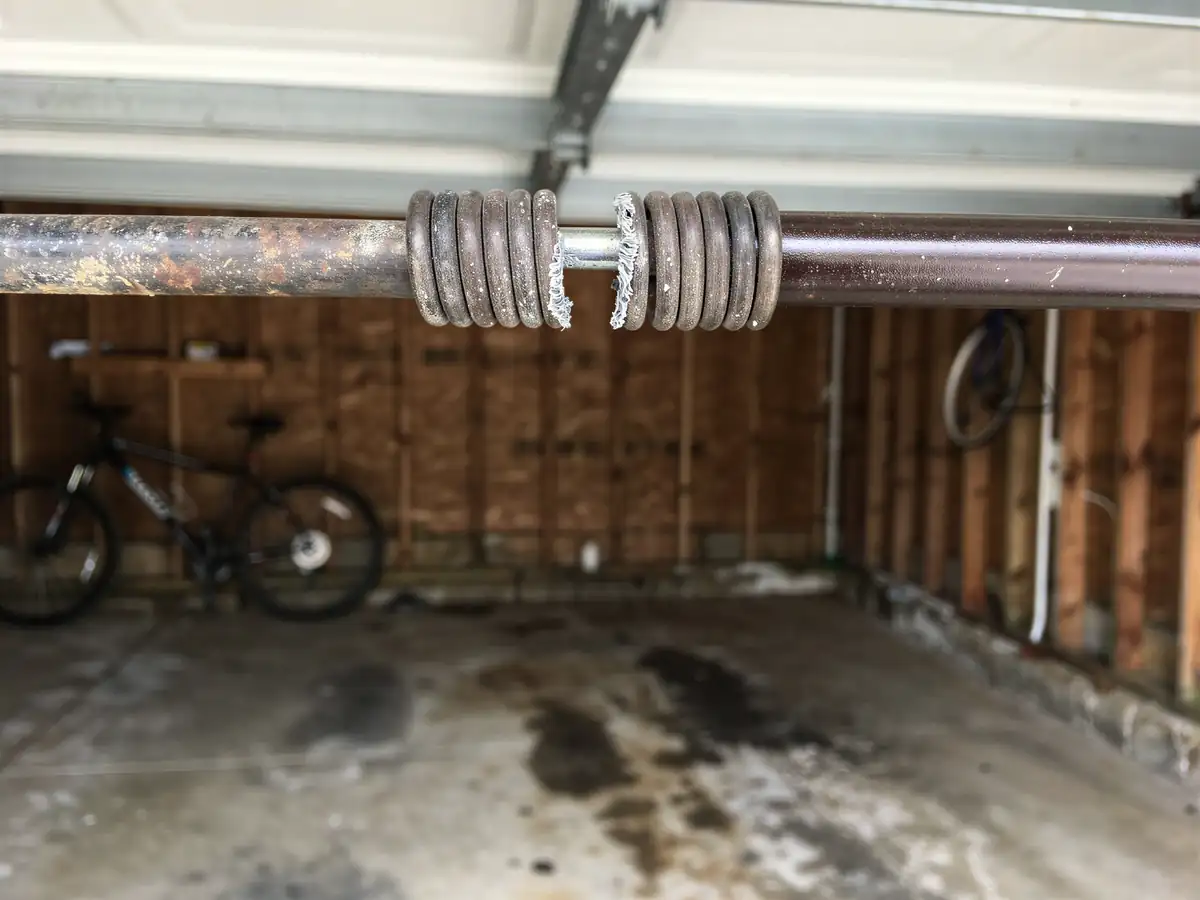
If your house in Talbotton still has its original door, you're looking at hardware that's pushing 40 years old. Springs rated for that door wore out a long time ago on a reasonable cycle count, even if nobody's touched them. Rollers are probably steel, not nylon, which means more noise and more wear on the track over time. None of this means the door is unsafe to use - it means parts fail differently than they would on a door installed in 2005, and a repair here often means sourcing an older spring size or adapting a modern opener bracket to an older rail.
Common Jobs Here
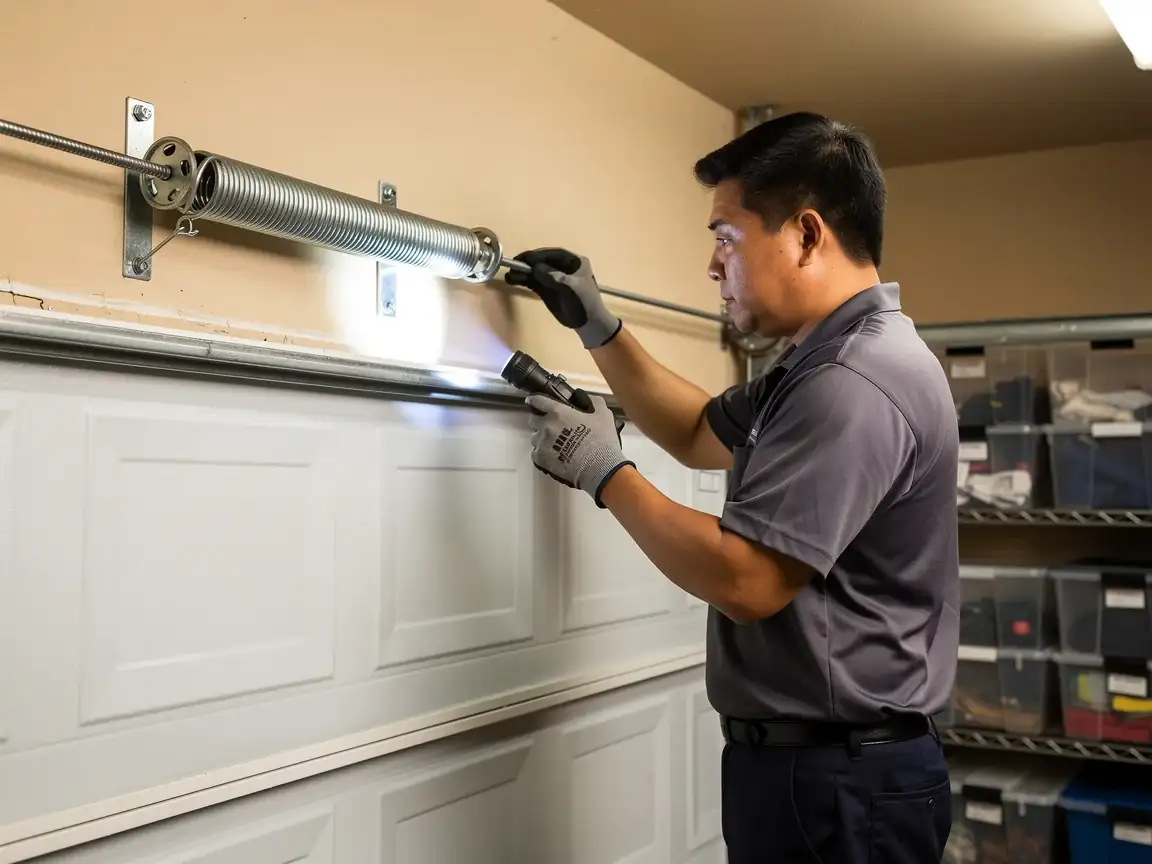
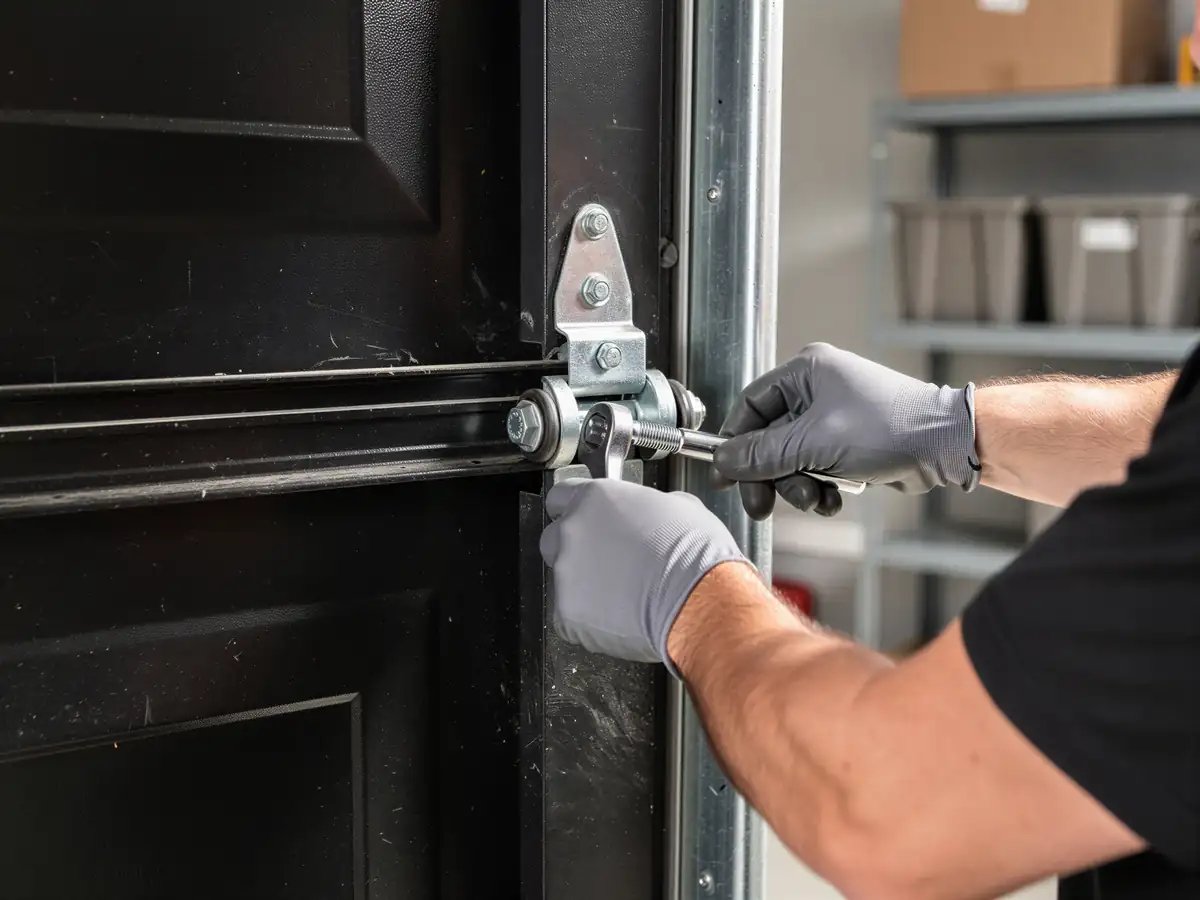
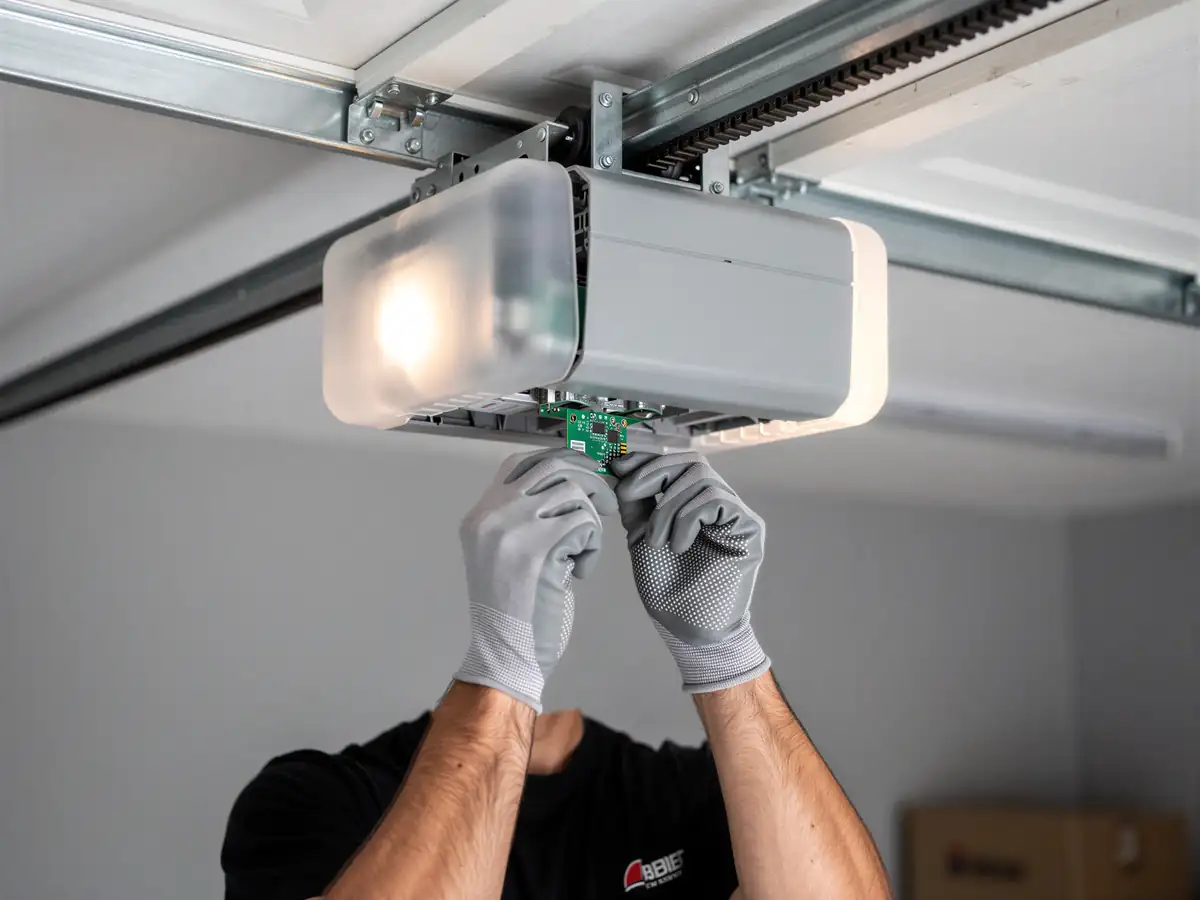
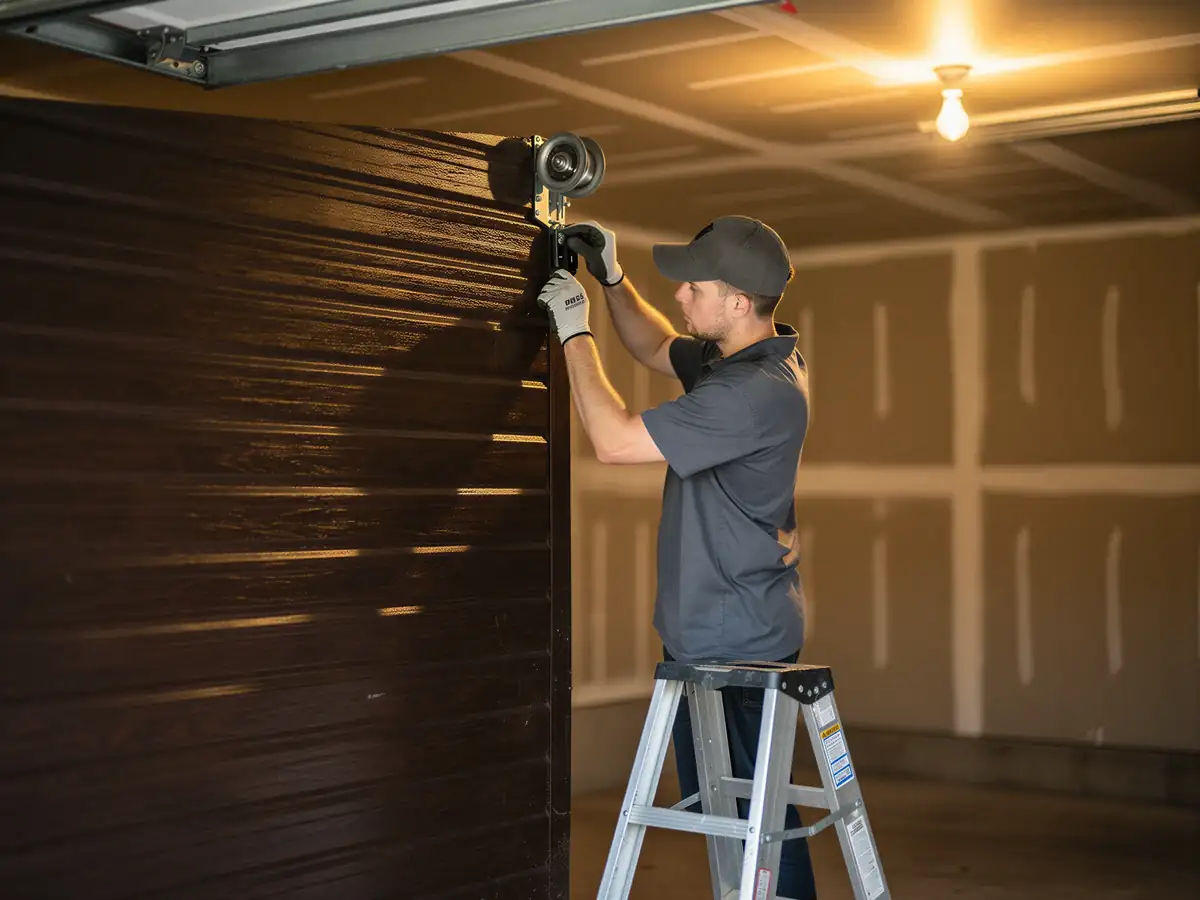
The calls we get from this side of the service area lean toward spring replacement on original or near-original doors, worn roller tracks on older steel panels, and openers that have outlived their circuit boards. A 1981-era door with its first opener is well past any reasonable service life for the motor, even if the door itself still swings fine by hand.
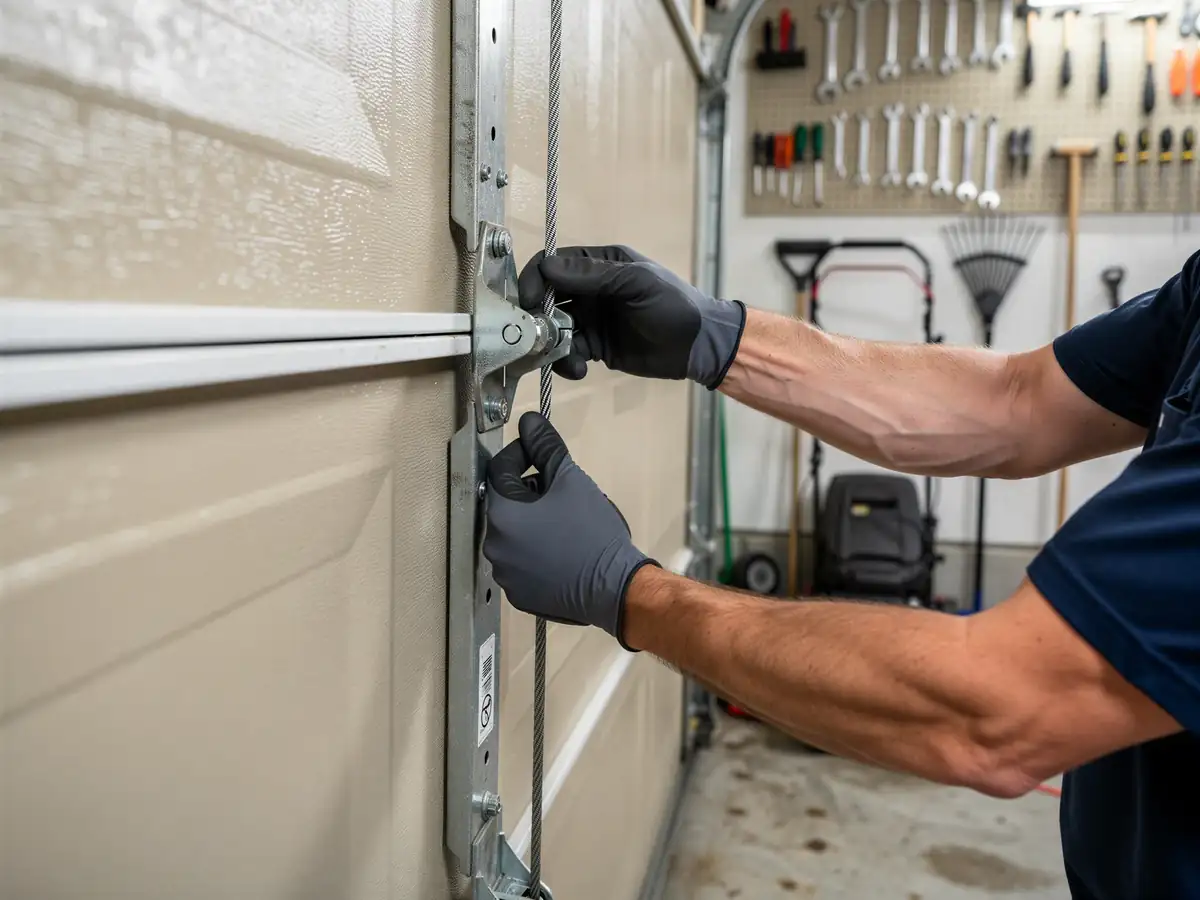
We also see cable drum wear that's gone unnoticed for years - on an older door, a frayed cable can sit just shy of snapping for a long time before it lets go. Because the climate here runs mild with the occasional freeze, we don't see the ice-jam calls that colder regions deal with, but a cold snap can still stiffen old grease on a 40-year-old torsion shaft enough to strain an opener motor that's already tired. One honest note: if a door's torsion spring is original and the opener is original too, replacing just one often means the other fails within a year or two. We'll tell you straight if a full hardware swap makes more sense than patching one part.
The Drive Over
Talbotton is about 30 miles out from Columbus, the farthest stretch in our coverage area
We don't keep a depot or a standing presence here - every job means loading the truck in Columbus and making the drive, same as we'd do for Buena Vista or Waverly Gross Hall further out. That distance doesn't change the work once we're on site, but it does mean we schedule Talbotton calls with that drive time built in rather than squeezing them between closer jobs.
- 30 miles
We don't do same-day guarantees for this part of the service area
And we won't pretend otherwise. If a spring snaps and the door won't open at all, say so when you call - we'll bump the priority and plan the route around it, but the 30 miles still has to be driven.
- 30 miles
What Was Built Here
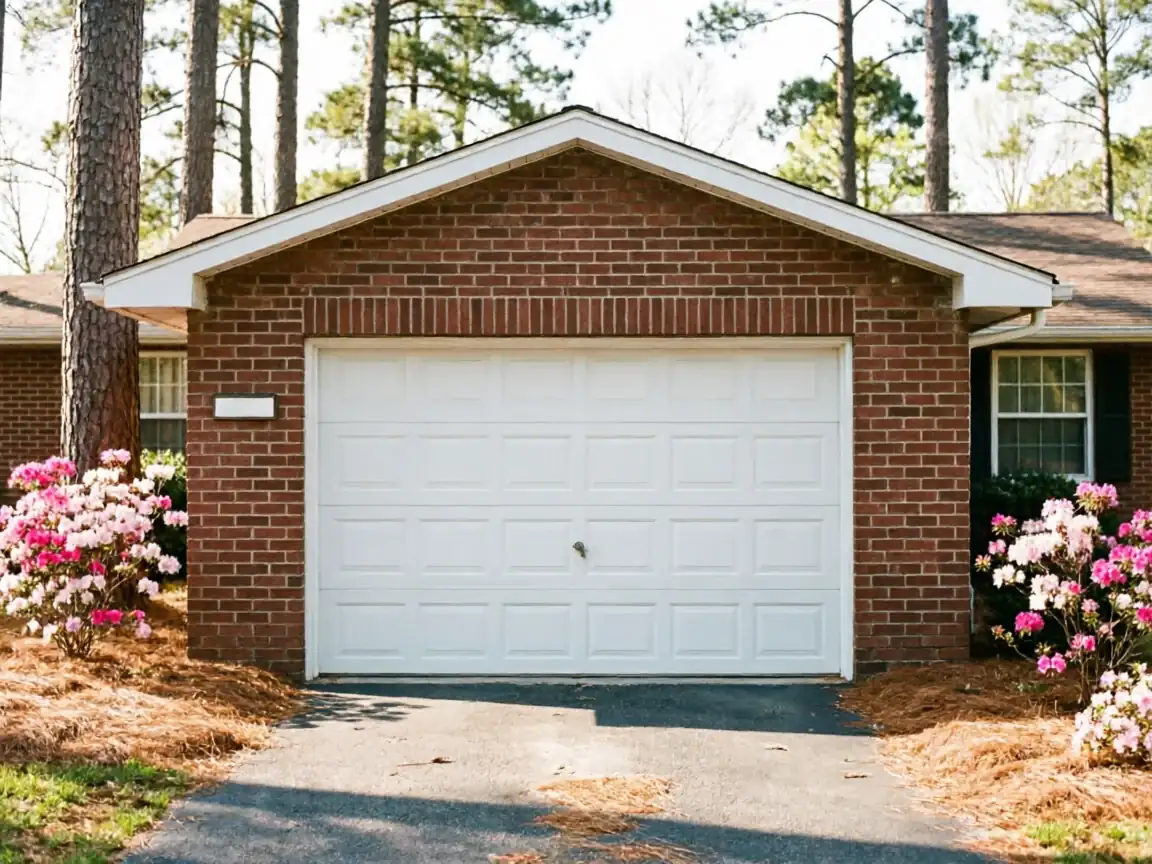
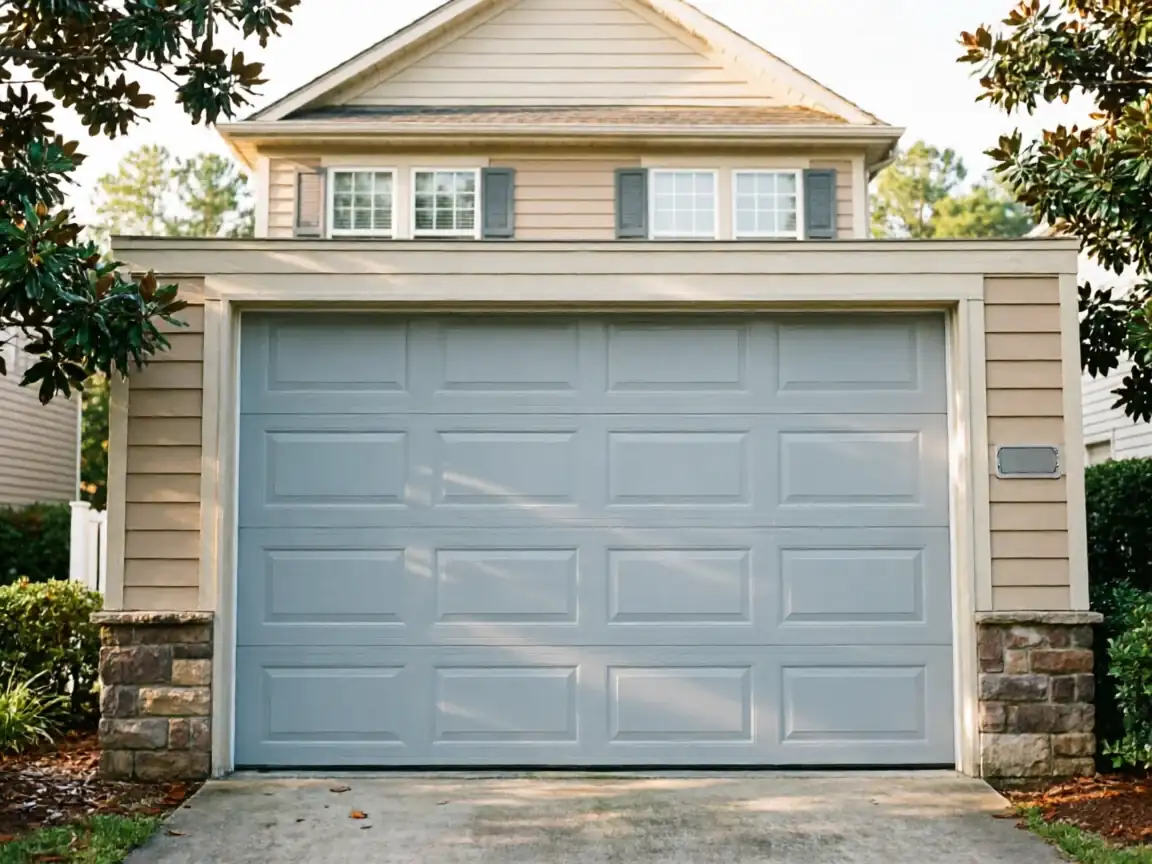
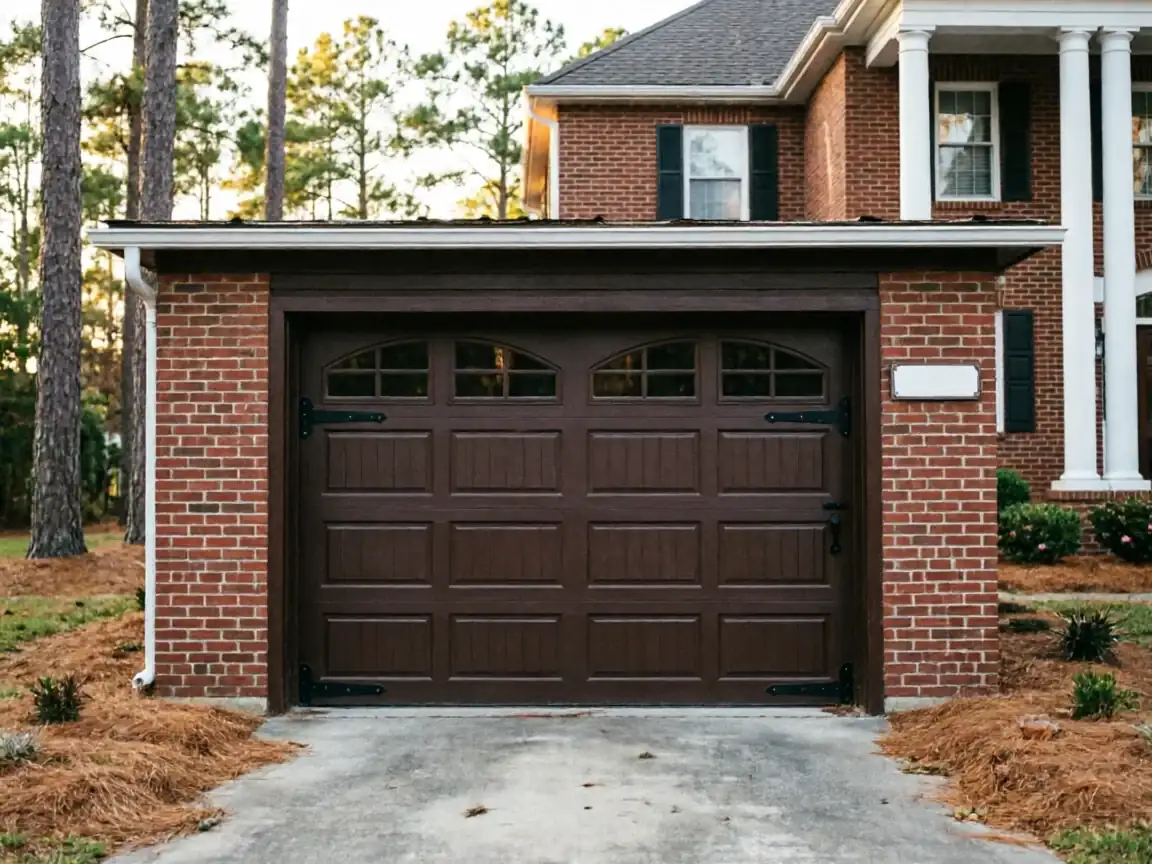
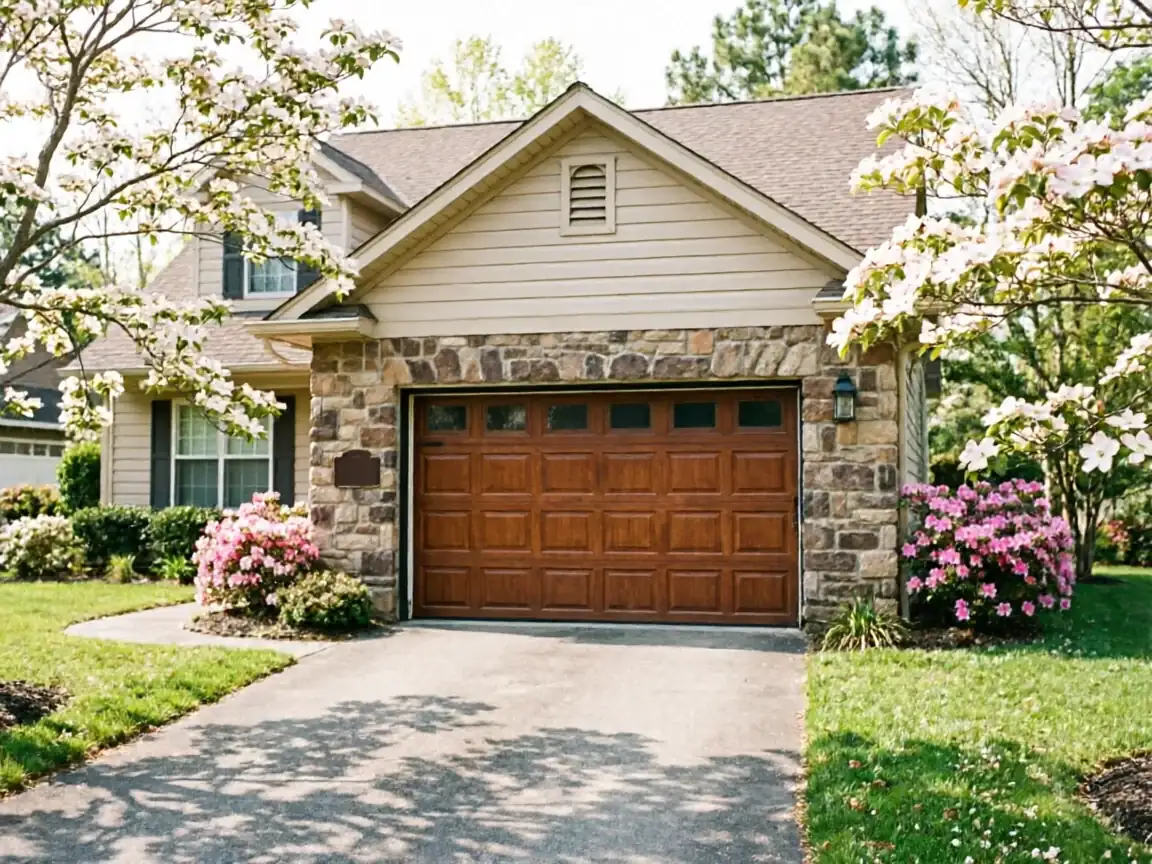
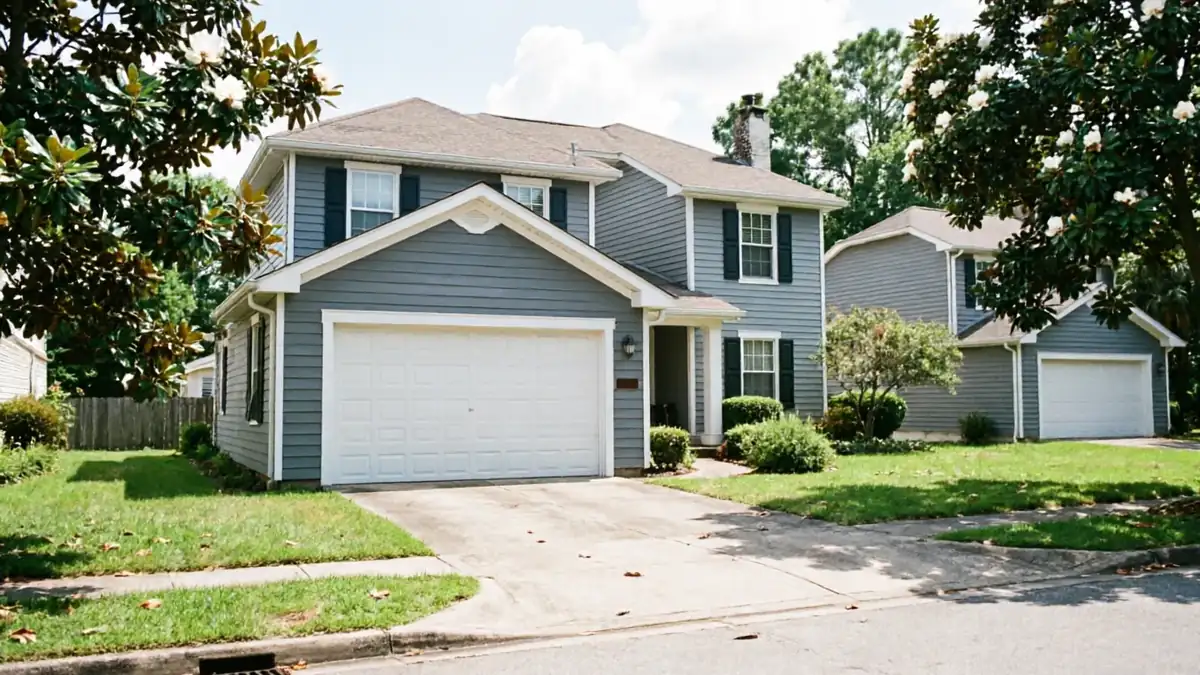
With roughly 360 households in the Talbotton area, this isn't dense subdivision territory - it's spread-out, older housing stock, mostly dating to around 1981. That's meaningfully earlier than the 1972-2011 range across the whole service area, and it puts Talbotton on the older end of what we work on. Doors here are more likely to be the original install than a replacement, and garage openings are more likely to be the narrower single-car or standard double width common to early-80s construction rather than the wider bays you see in houses built after 2000.
What that means practically: parts for a true original door - the exact spring size, an older-style torsion drum, a bracket pattern that hasn't been standard in 20 years - sometimes take a call to confirm before we can quote a same-visit fix. We carry common modern replacements on the truck, but a 1981 door occasionally needs us to check stock before we promise a part on the first trip out.