What Most People Get Wrong
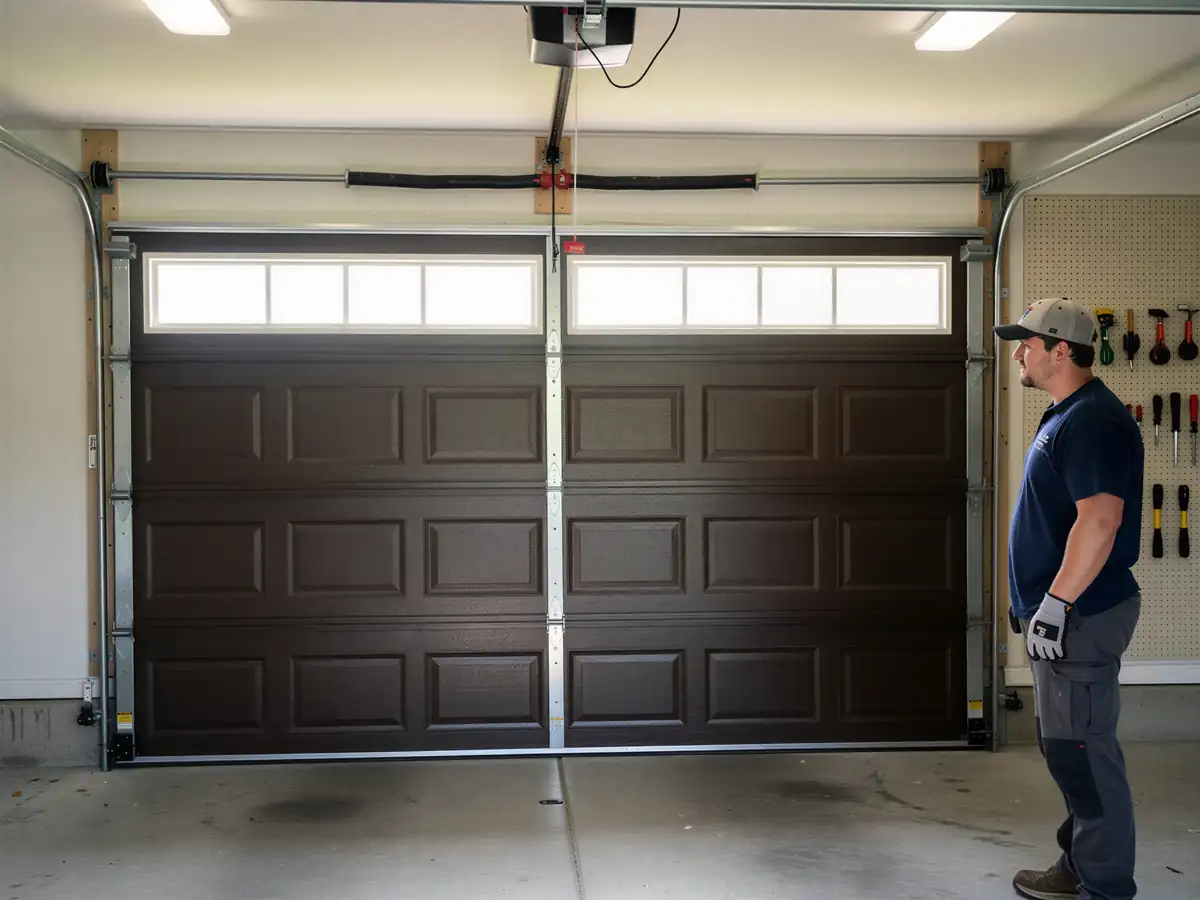
Most people call and ask for "a service." What they mean is they want the noise gone or the door to go up without a fight. What actually happens on the truck is a check of the whole system, not one part, because the parts don't fail in isolation around here.
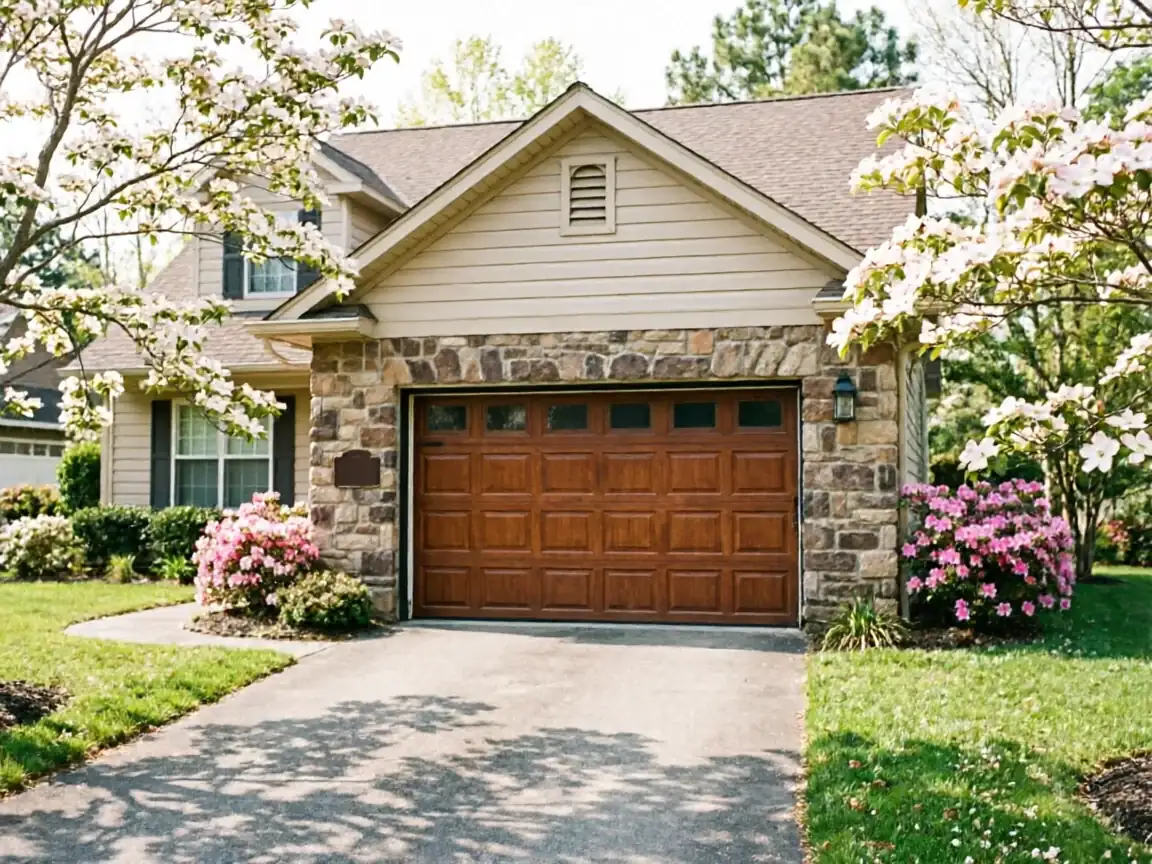
Most houses here went up between 1972 and 2011, with the median build year sitting at 1991. That's a wide window, and it means we're never looking at one generation of hardware. A door on a house built in the mid-70s often still runs on the original torsion setup, while a door on a 2005 build might already be on its second opener. We check which era we're dealing with before we touch a wrench, because the fix for a 1980s torsion spring and a 2000s extension spring isn't the same job.
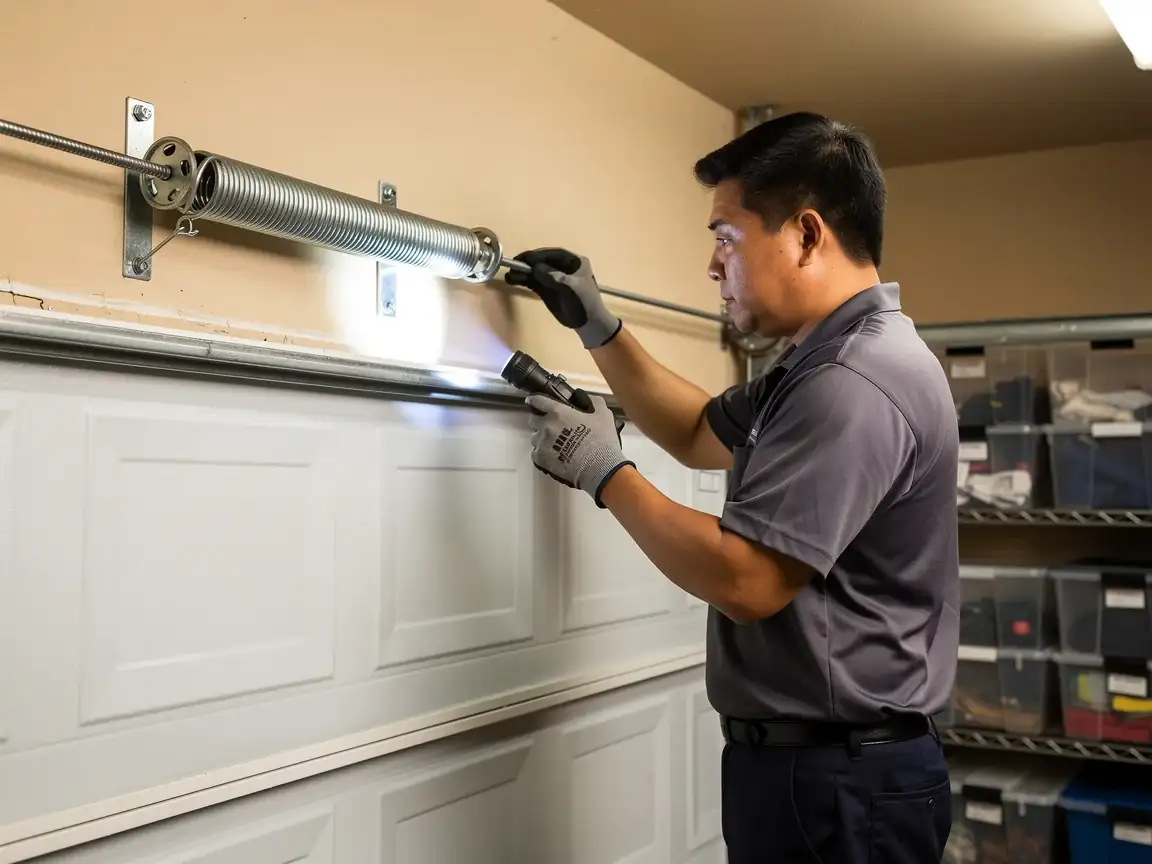
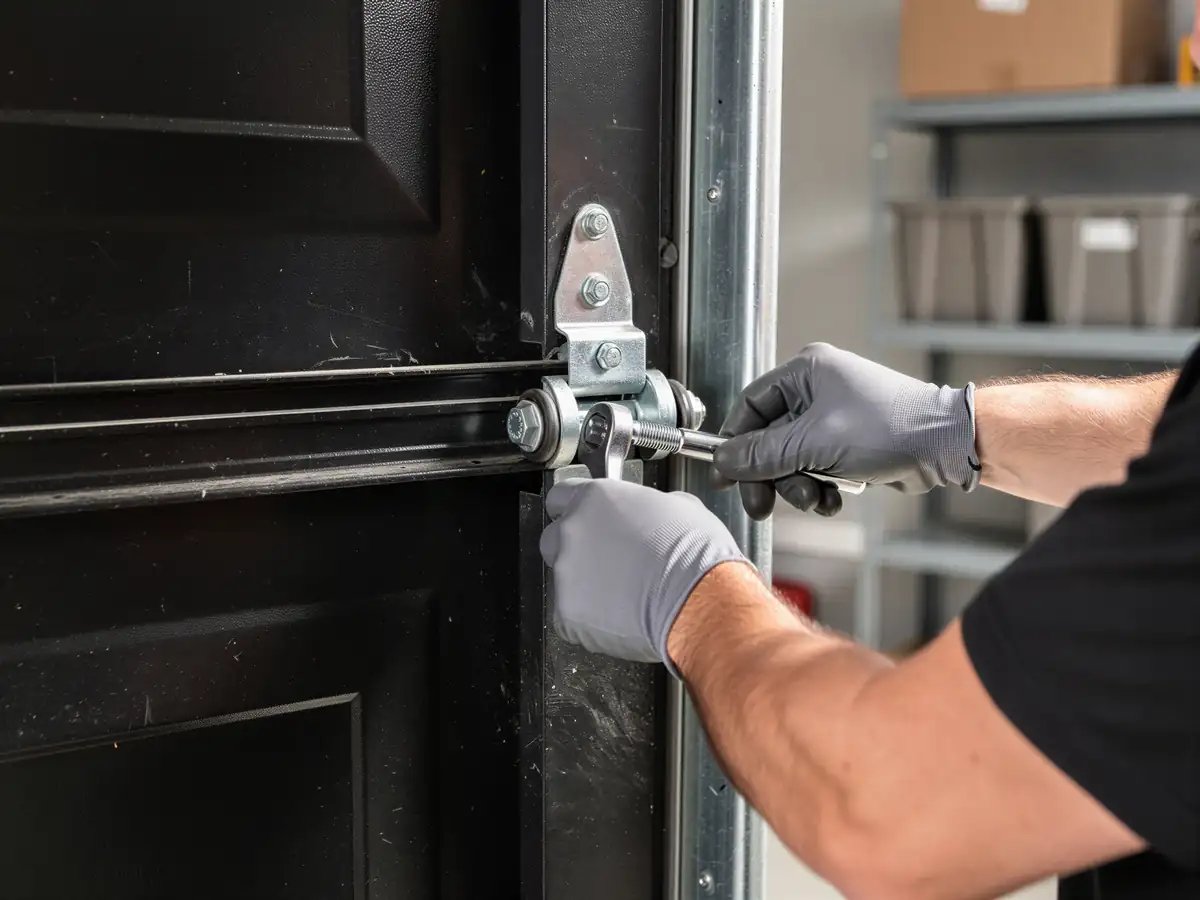
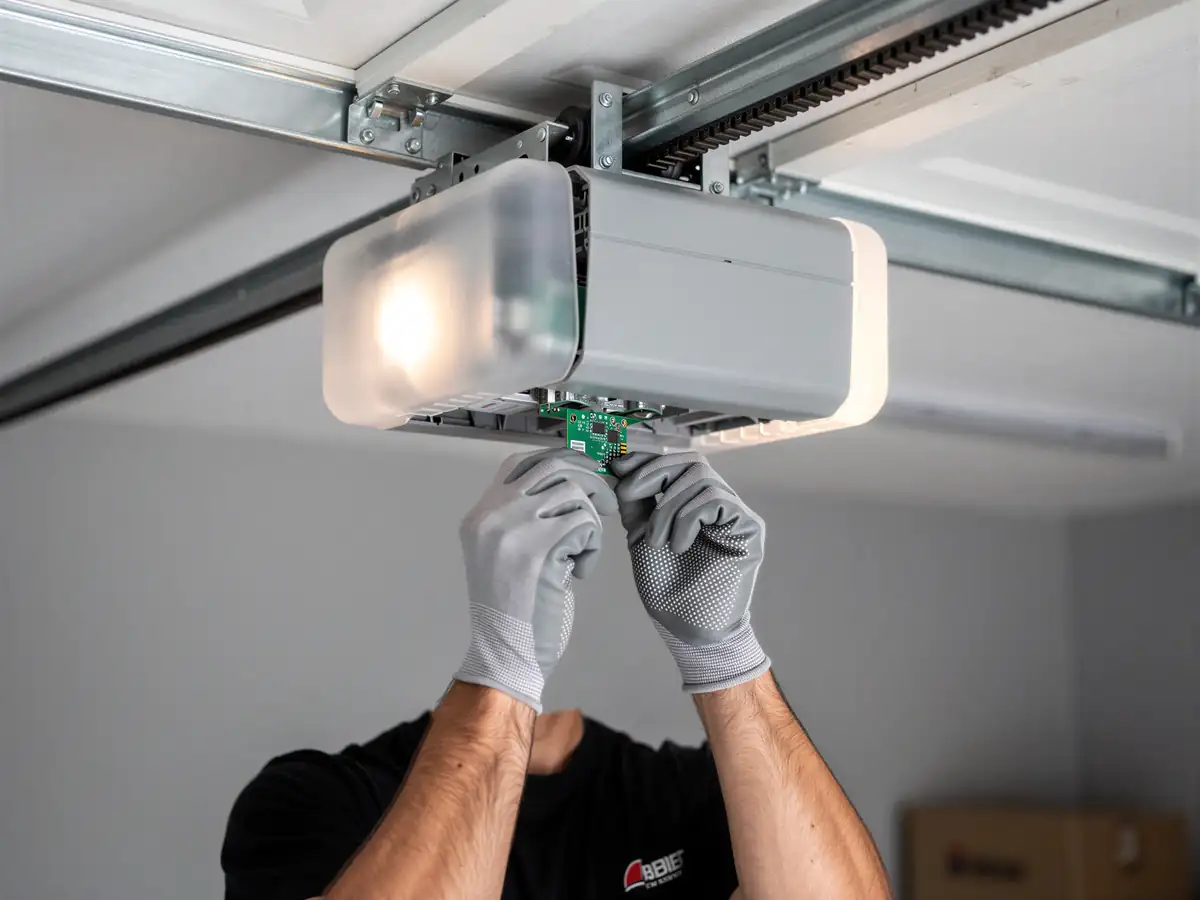
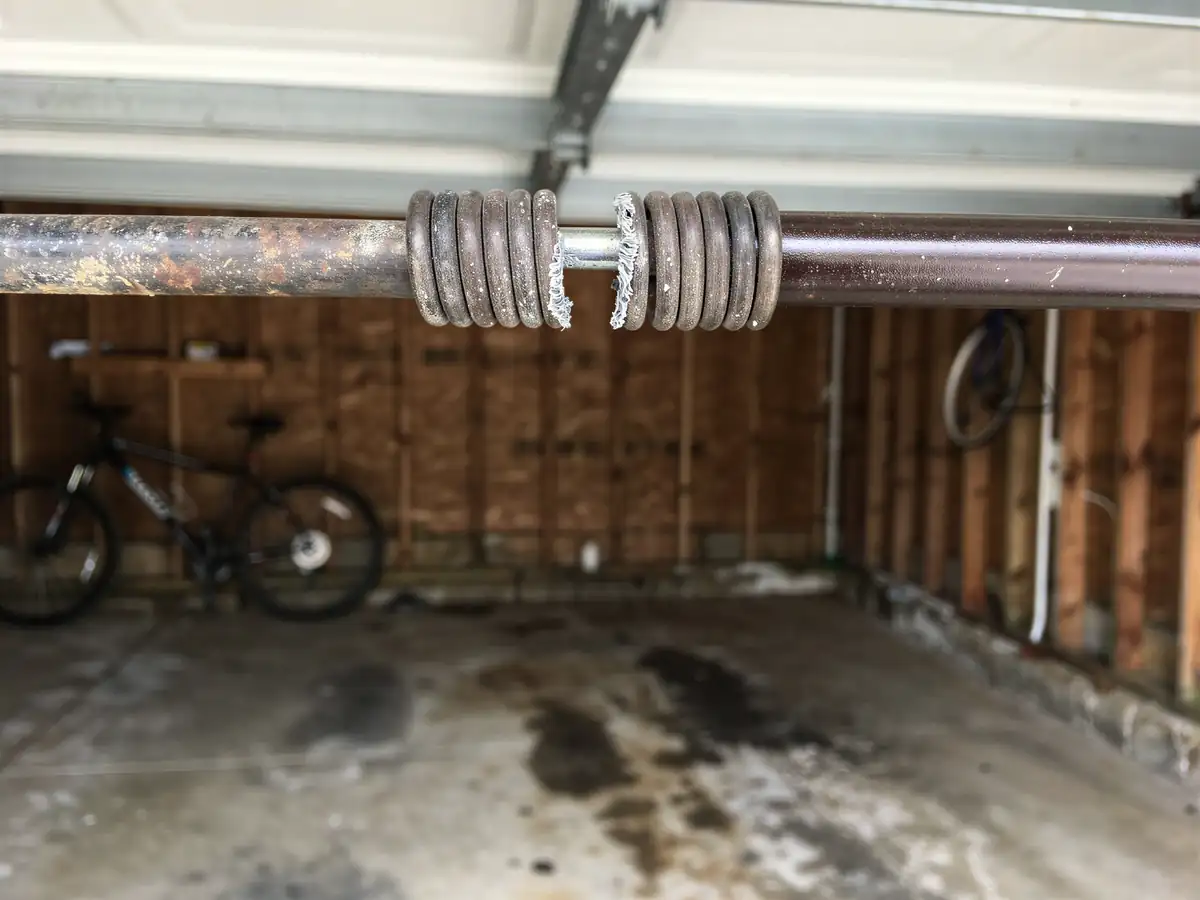
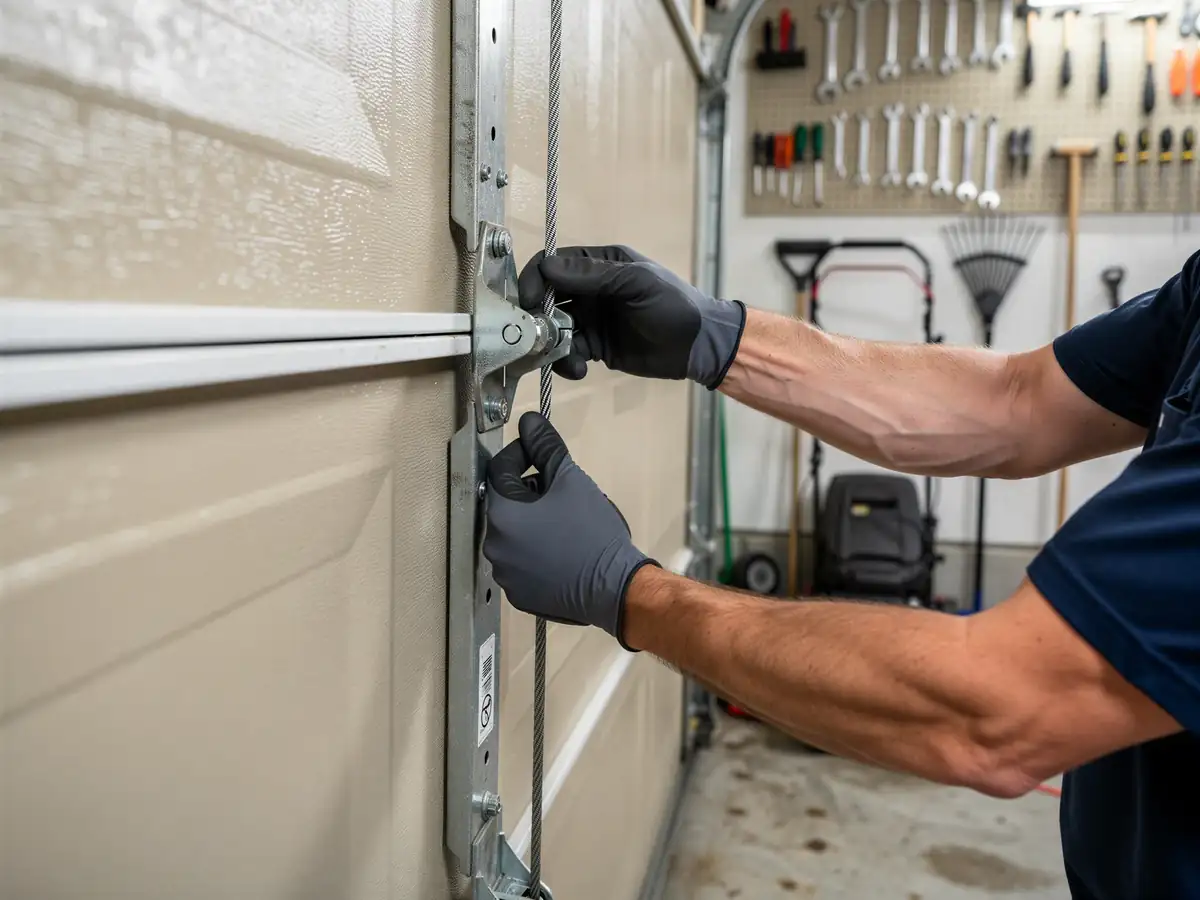
The other thing people get wrong is assuming a quiet door is a healthy door. We've pulled covers off openers that sounded fine and found a cable one strand from letting go. A service call means we look at the cable drums, the rollers, the track bolts, and the spring winding cones, not just whatever is making noise that day.
The Cost of This Job
I'm not going to give you a number here, because I don't have one that's honest without seeing the door. What drives the cost up or down is mostly the age and type of hardware, and in this area that varies a lot more than people expect given how the housing stock spans 1972 to 2011.
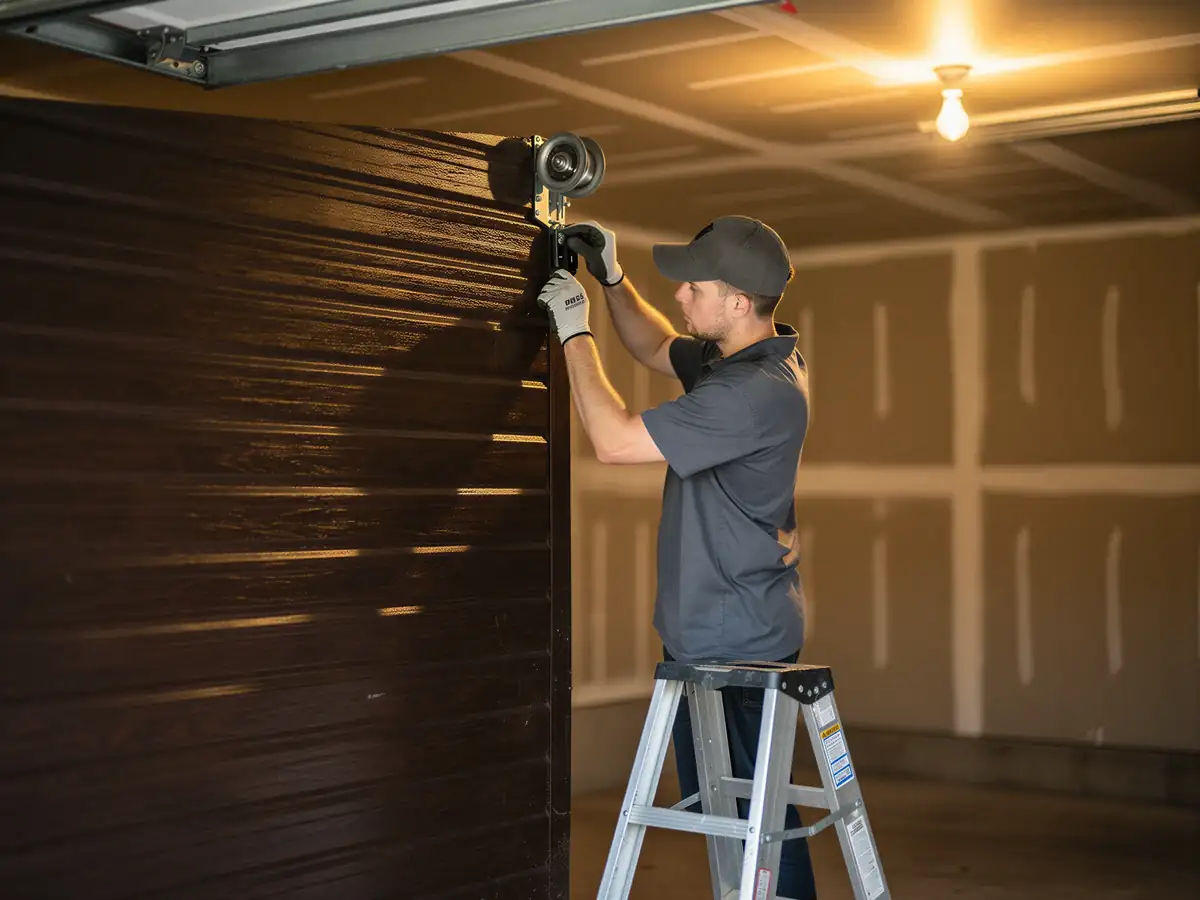
An older torsion spring from a house near the early end of that range may need a size nobody stocks on the truck, which means a return trip. A newer extension-spring setup on a 2000s build is usually quicker, because the parts are more standard. Rust worked into a track from decades of mild, humid air can turn a ten-minute roller swap into an hour of fighting corroded bolts.
The honest limitation: if a spring has been painted over or modified by a previous owner, we sometimes can't quote a firm price until we're standing in front of it. We'd rather tell you that upfront than guess low and surprise you later. What we can tell you is that the diagnosis itself, the part where we figure out what's actually wrong, is the same whether the fix ends up being a ten-dollar roller or a full spring replacement.
What Local Conditions Do
Columbus sits in a mild climate band with only occasional freezes, not the deep, sustained cold that cracks steel and seizes grease solid
That's good news for springs, which fatigue faster under repeated hard freeze-thaw cycles than they do here.
But mild doesn't mean nothing happens
Three decades of warm, humid air works on exposed steel slowly and steadily; what we see is more rust bloom on track bolts and hinge pins than snapped springs from cold shock. On a house built in the early part of that 1972-2011 range, that's thirty-plus years of a slow chemical process nobody notices until the door starts binding on one side.
The occasional freeze still matters, though
A once-or-twice-a-winter hard freeze on a spring that's already lost some tension from age and rust is often the thing that actually breaks it, rather than the cold doing the damage on its own. That's why a service call out here usually checks spring tension and corrosion together instead of treating them as separate problems, because in this climate they tend to show up on the same visit.
What Is Going On
Strip it down and a service call here is a walk through four systems: spring, cables and drums, track and rollers, opener. Which one gets the most attention depends on where the house falls in that 1972-2011 build range, since the two main pockets of homes we see tend to cluster by era rather than by one style of door.
With 592 owner-occupied houses in the core service area, most of what we see on a service call is original hardware from the first fit-out, not a replacement door someone put in last year. That matters because original hardware has had the longest run at the rust and the freeze cycles, and it's usually the spring or the cable that's furthest along toward failure, not the opener motor.
We run service calls out from Columbus to five miles northeast, and Smiths Station, eight miles east, without the trip charge changing the diagnosis. The work is the same wherever the address is; what changes is which decade of hardware we're most likely to find waiting on the other end of the driveway.