The Cost of This Job
Median household income in Smiths Station runs around $57,410, noticeably lower than the $73,654 median across the rest of our service area. That number matters more than people think when a spring snaps or an opener dies. At this income level, a $300-$400 spring and hardware job is a real expense, and a $1,800 full door replacement is a decision most families want to avoid making twice.
So we draw the repair-or-replace line conservatively here. If the door panels are sound and the track isn't bent, we fix the broken part and send you on your way. We only push replacement when the door itself is failing - rusted-through bottom panels, a frame that's racked, or an opener and spring system both going at once on a door that's already 25-plus years old. We're not going to talk a family into a new door when a $300 spring swap solves the actual problem.
We travel from Columbus, 8 miles out, so the job cost is the hardware and labor - there's no separate trip charge built into the estimate beyond what the work itself requires.
Why It Happens Here
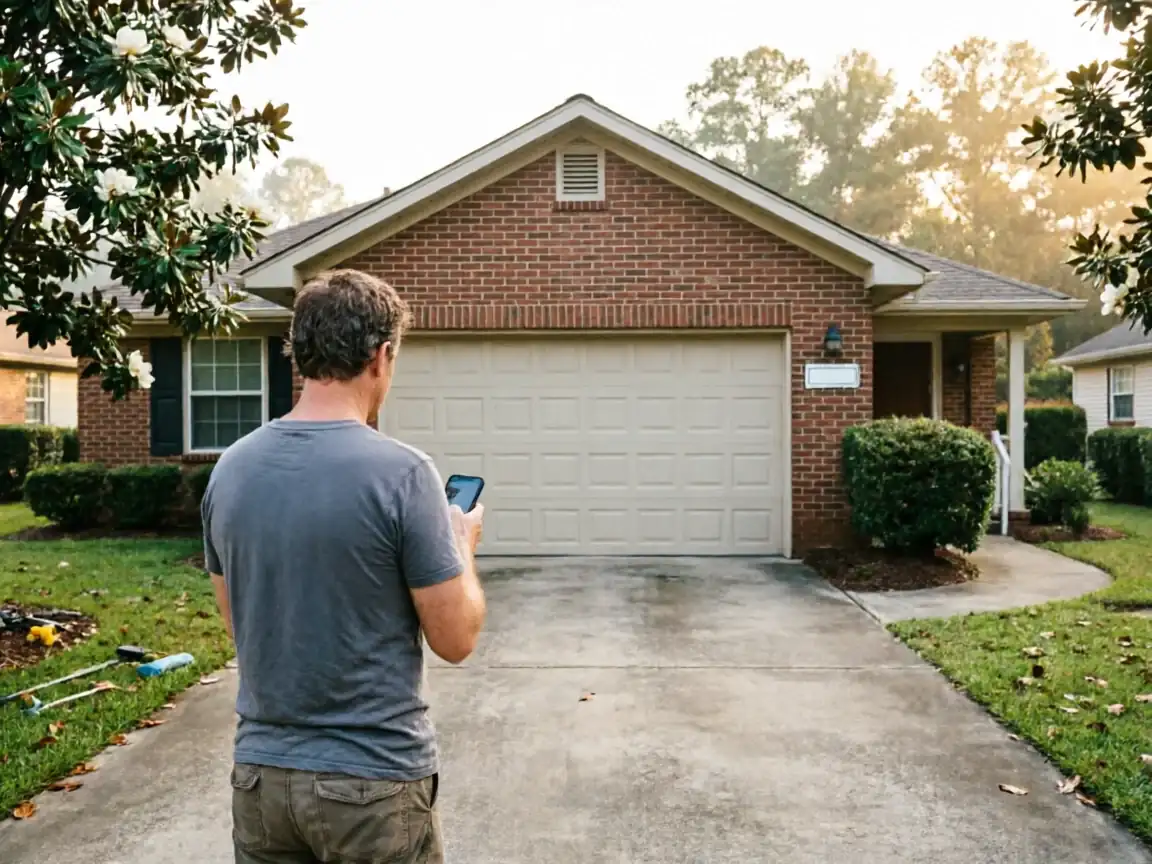
Housing in Smiths Station mostly went up in the early 1990s, with a median build year around 1991. That means a lot of garage doors here are original or close to it - openers from the first wave of chain-drive residential units, torsion springs rated for a cycle count that's long since been used up, and steel rollers that were standard before nylon became the default. None of that is unusual for a 30-year-old door. It's just aging on schedule.
The climate here is mild with occasional freeze nights, not the brutal freeze-thaw cycling you'd get further north, but still enough temperature swing to stiffen old lubricant and make a tired spring finally let go on a cold morning instead of a warm one. We see a seasonal bump in spring failures for exactly that reason - not storm damage, just old hardware meeting a cold snap.
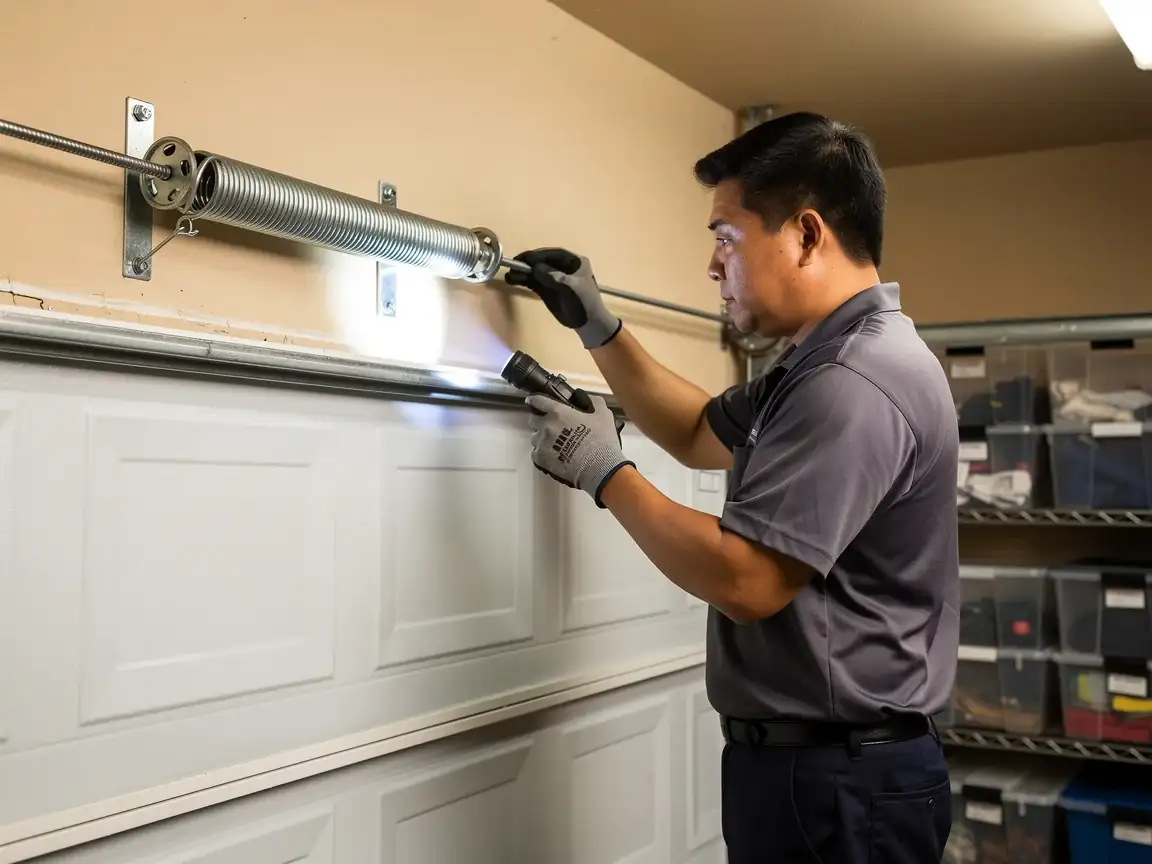
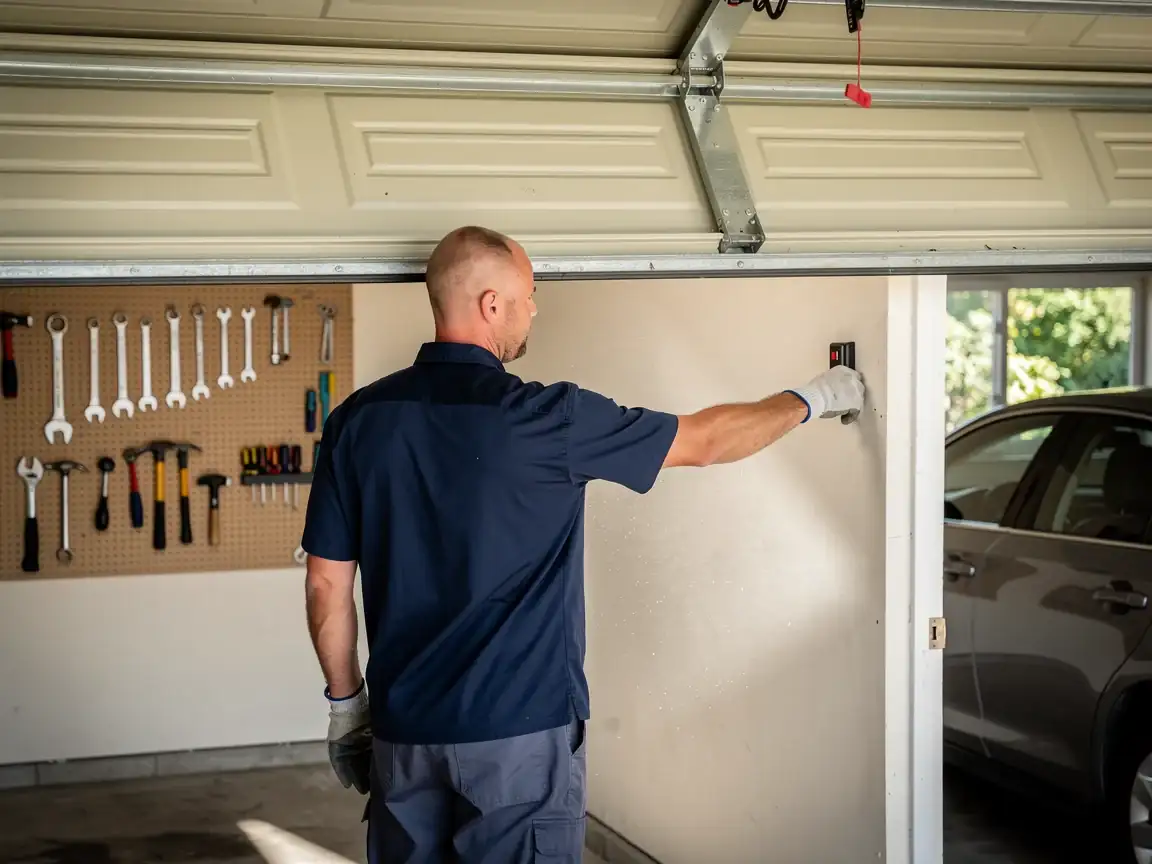
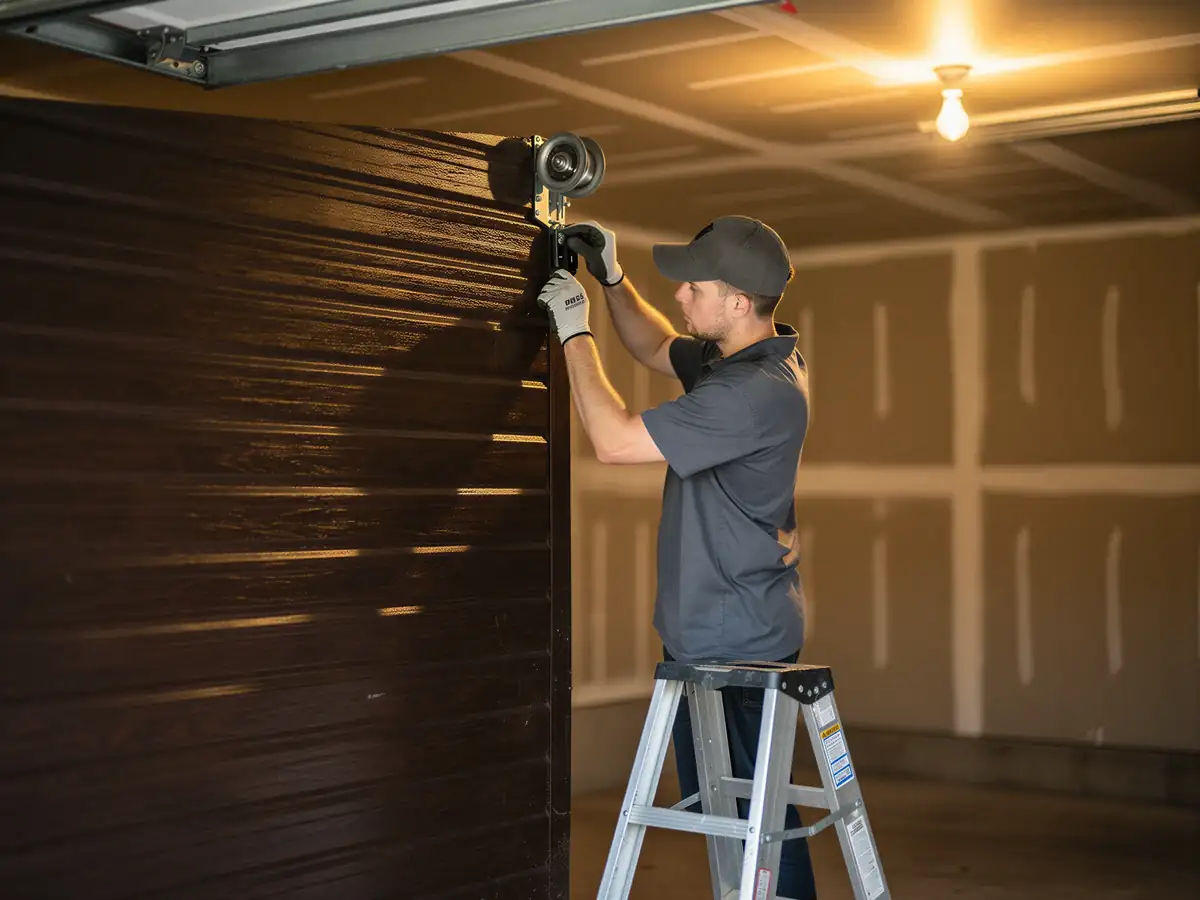
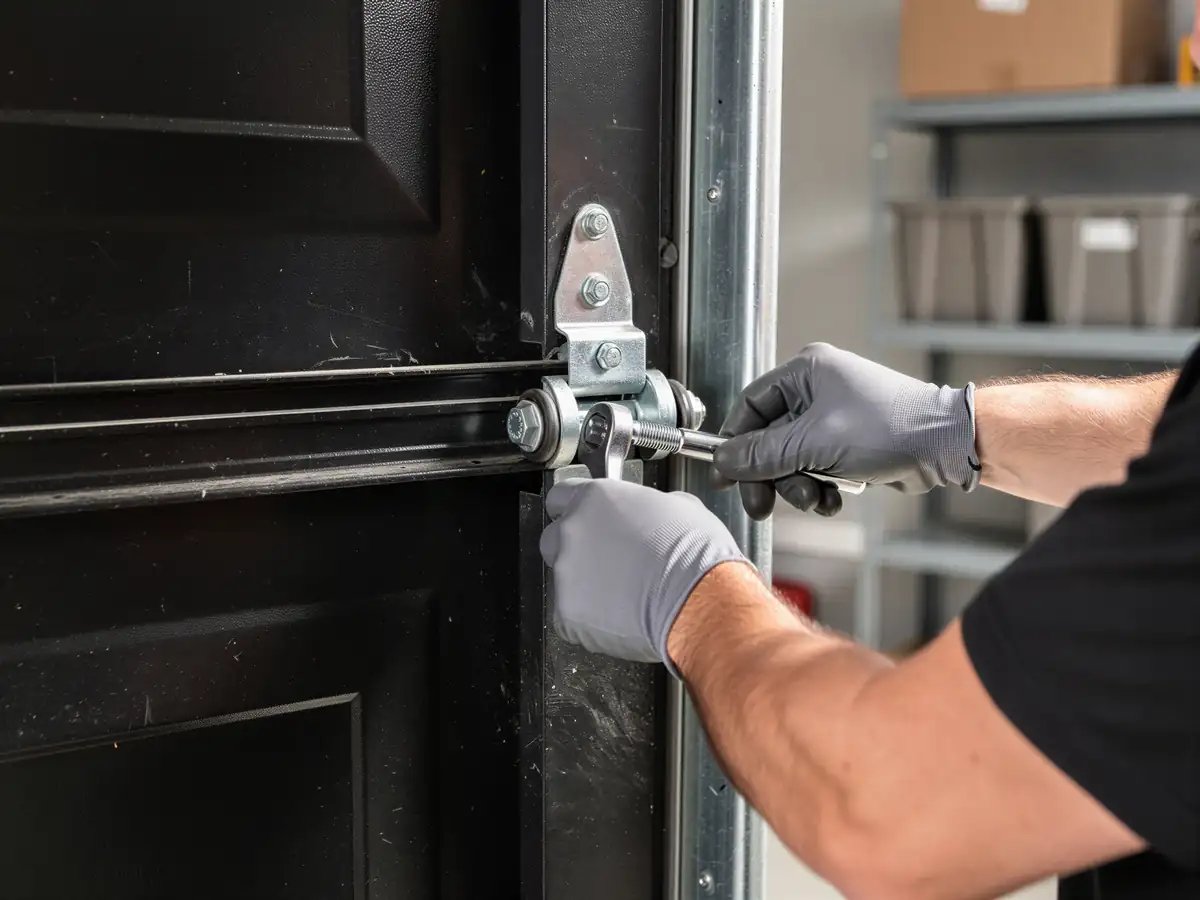
The fix is usually straightforward: springs sized correctly for the door's weight, rollers swapped while we're in there, and the opener's force settings checked so it's not straining against hardware it was never tuned for. We're not reinventing anything, just matching parts to a door built in a specific decade.
Doing It Yourself
There's real DIY room on a door this age, and there's a hard line you shouldn't cross
Lubricating hinges and rollers, cleaning the photo-eye sensors, tightening loose bolts on the track brackets - all of that is fair game for a homeowner with a ladder and twenty minutes.
Torsion springs are not
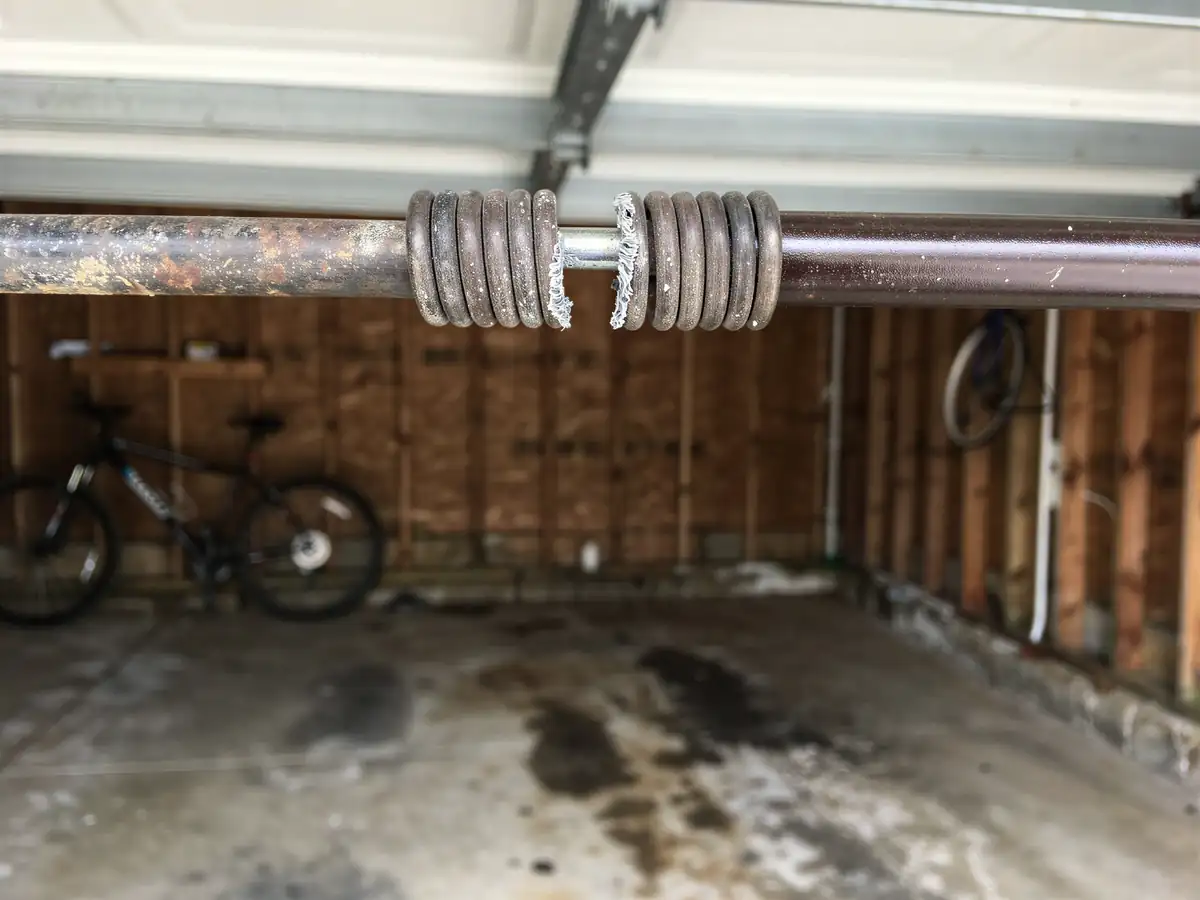
A spring under tension on a door built in the early 90s can be wound to a force that will break a hand or worse if it lets go while you're working on it. We don't sell spring kits or walk people through phone instructions for that job, and we won't pretend it's a weekend project. If the spring's broken, the door won't move safely until someone with the right winding bars and clamps handles it.
One honest limitation
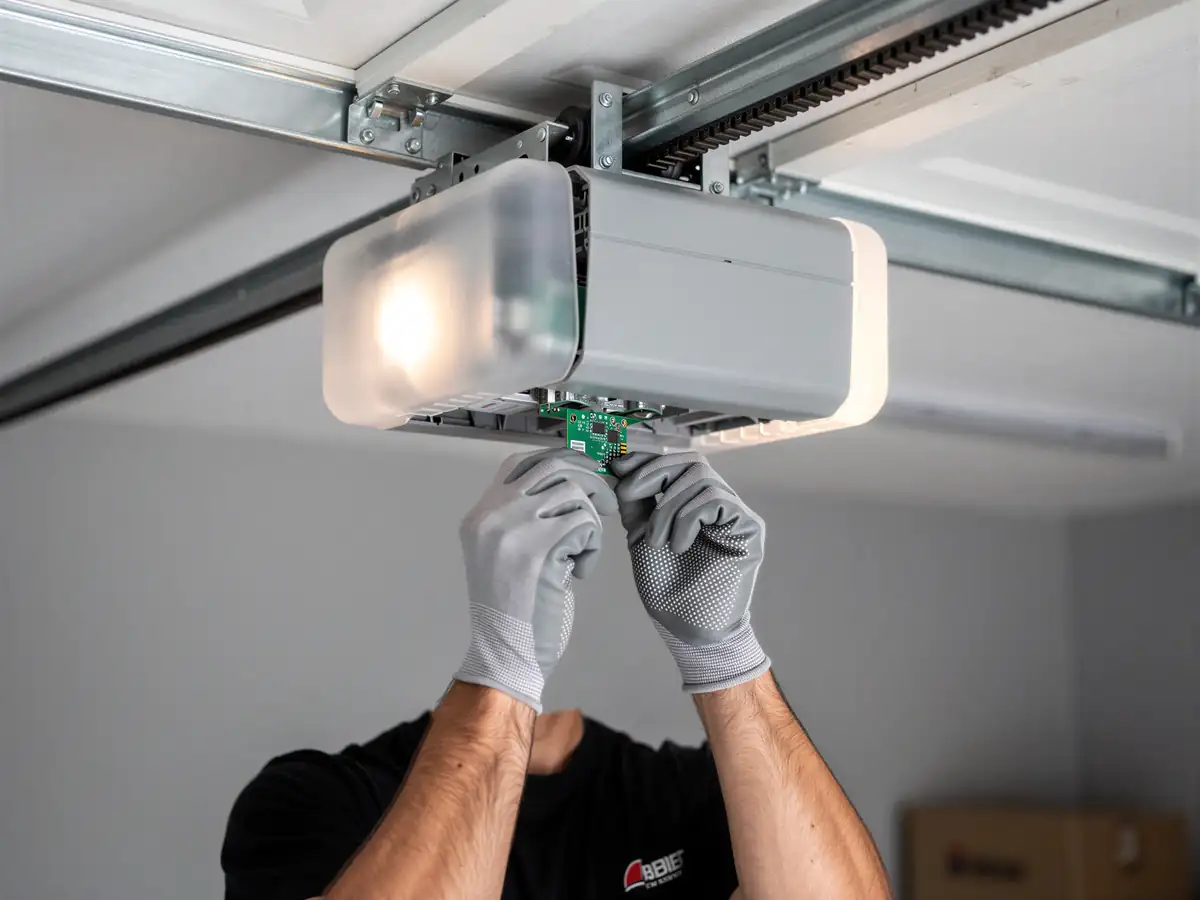
We don't stock every opener logic board for every brand sold in the early 90s. If your opener is an older model with a control board that's been discontinued, we may need to source the part or recommend a same-size replacement opener rather than a repair. We'll tell you which situation you're in before we start billing for parts.
How to Book
Call to set up a visit and we'll give you a window for the drive out from Columbus - it's a short run, about 8 miles, so scheduling isn't usually the bottleneck. Tell us the door's symptom when you call: won't open, opens partway and reverses, makes a grinding noise, or the spring's visibly snapped. That lets us bring the right spring size and hardware on the first trip instead of a second one.
You can see the areas we cover at our service area page, and if you're looking for the full range of what we do out of Columbus, that's covered on our main Columbus repair page.
What Is on the Truck
For a service area with housing clustered around the early 1990s, the truck carries torsion springs in the common sizes for doors from that build era, extension spring sets for the smaller percentage of older setups, nylon rollers to replace the original steel ones, and standard safety sensor pairs since photo-eye units from that decade are usually the first thing to fail or go out of alignment.
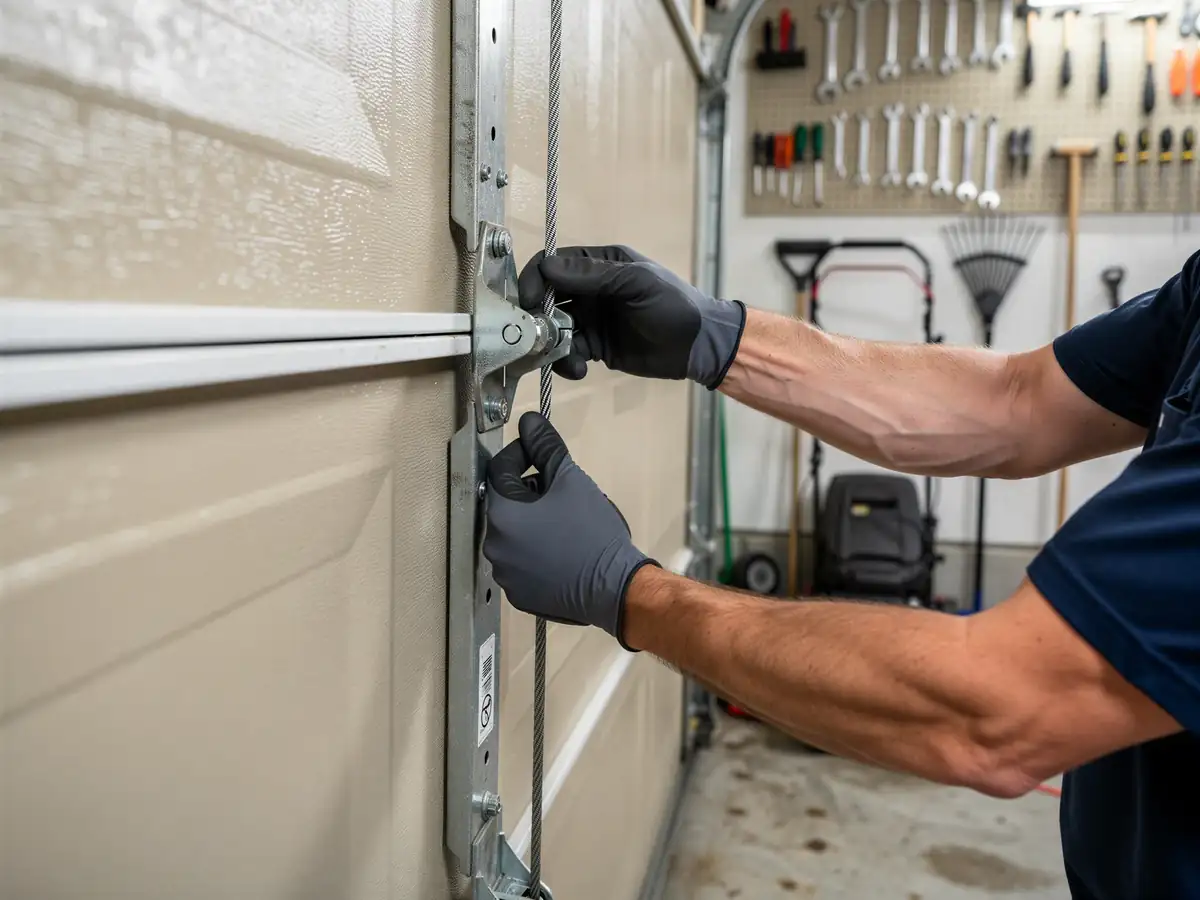
We also carry opener drive gears and belts for the chain and belt-drive units common on houses from this period, plus general hardware - hinges, cables, end bearing plates - sized for single and double doors on a residential torsion system. What we don't carry on the truck is specialty logic boards for discontinued opener models; those get special-ordered when we run into one.