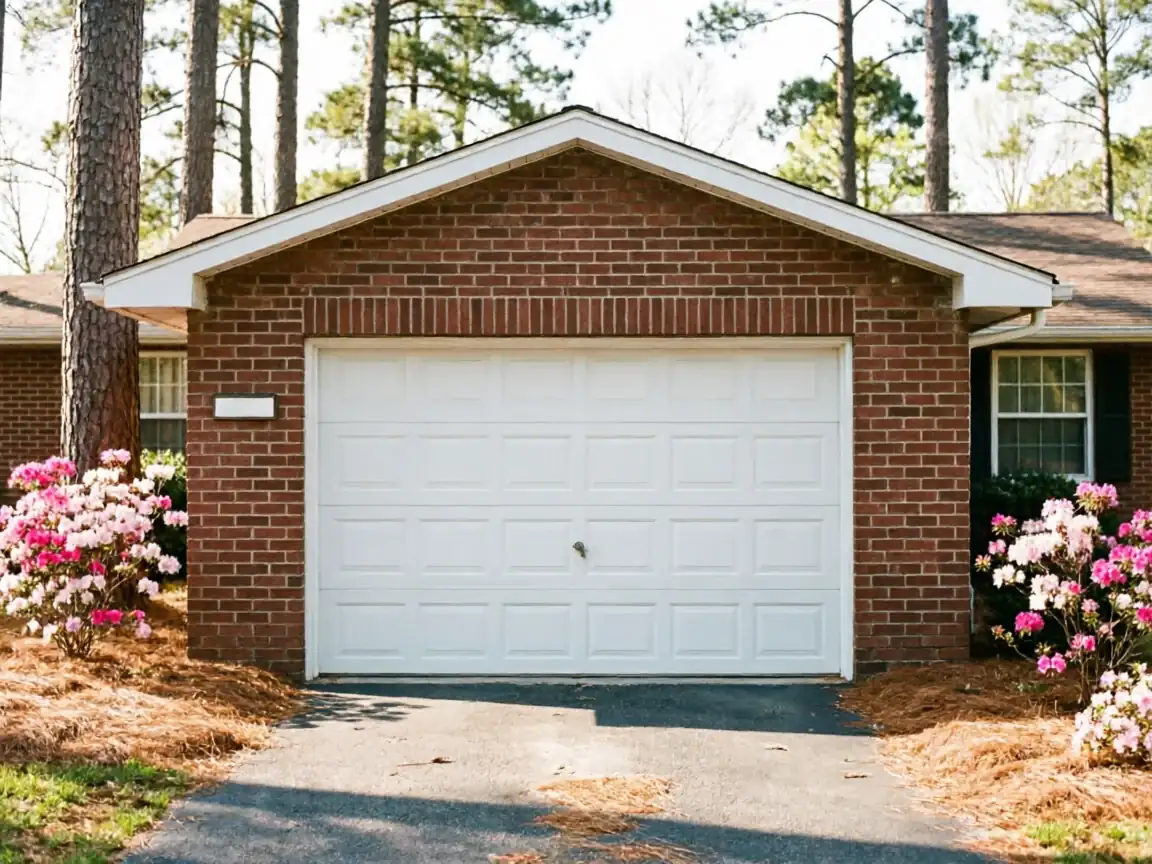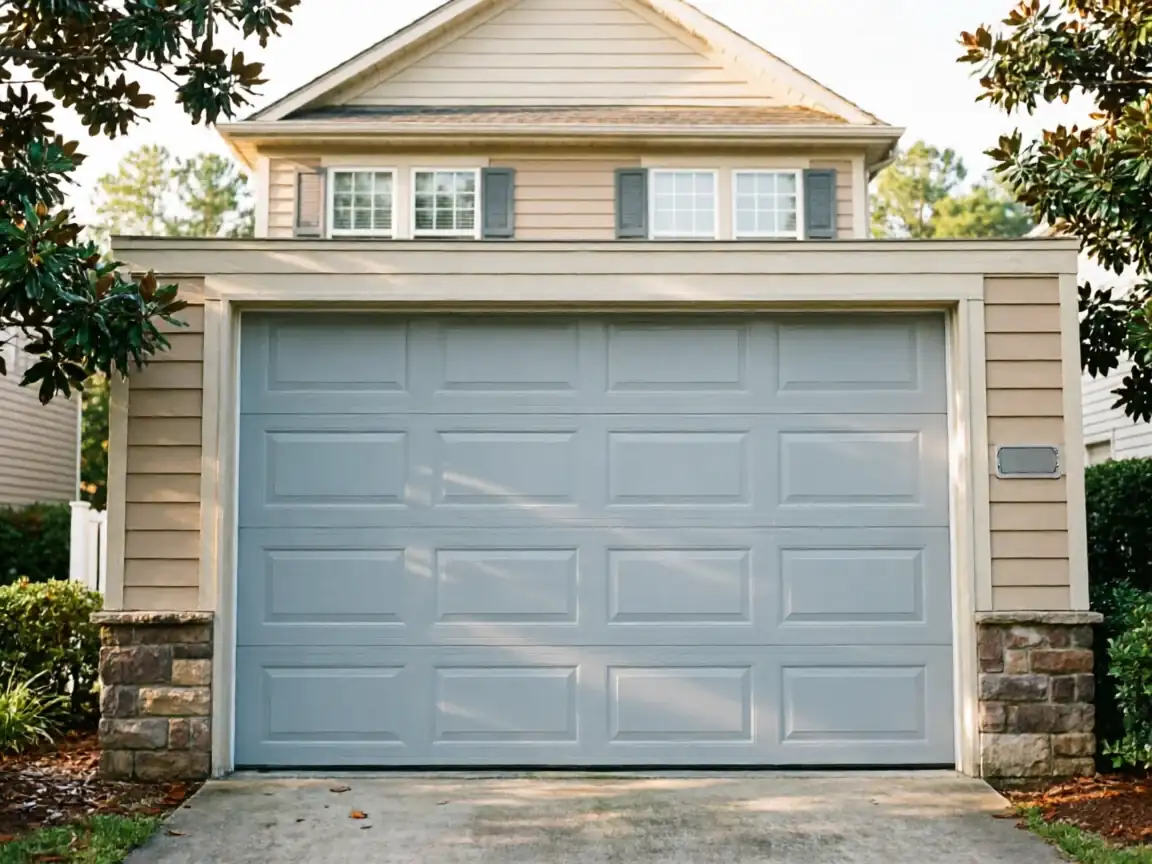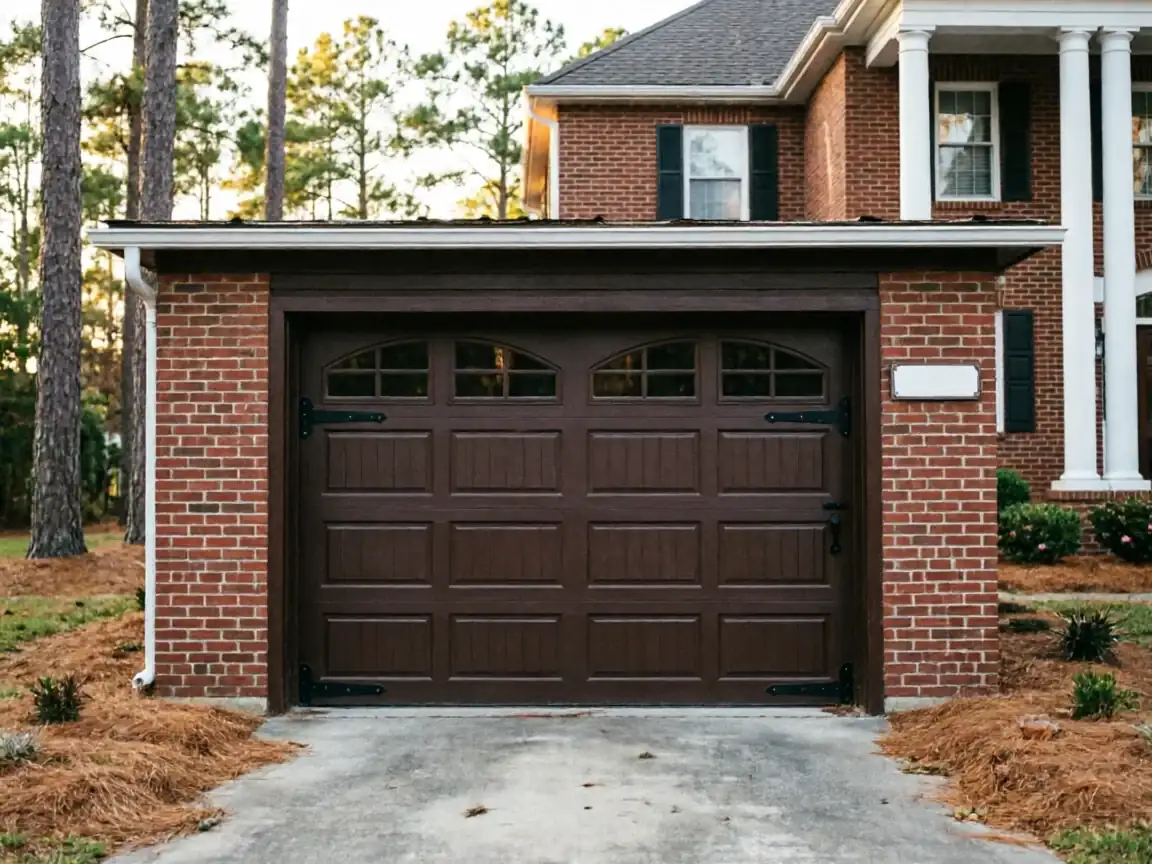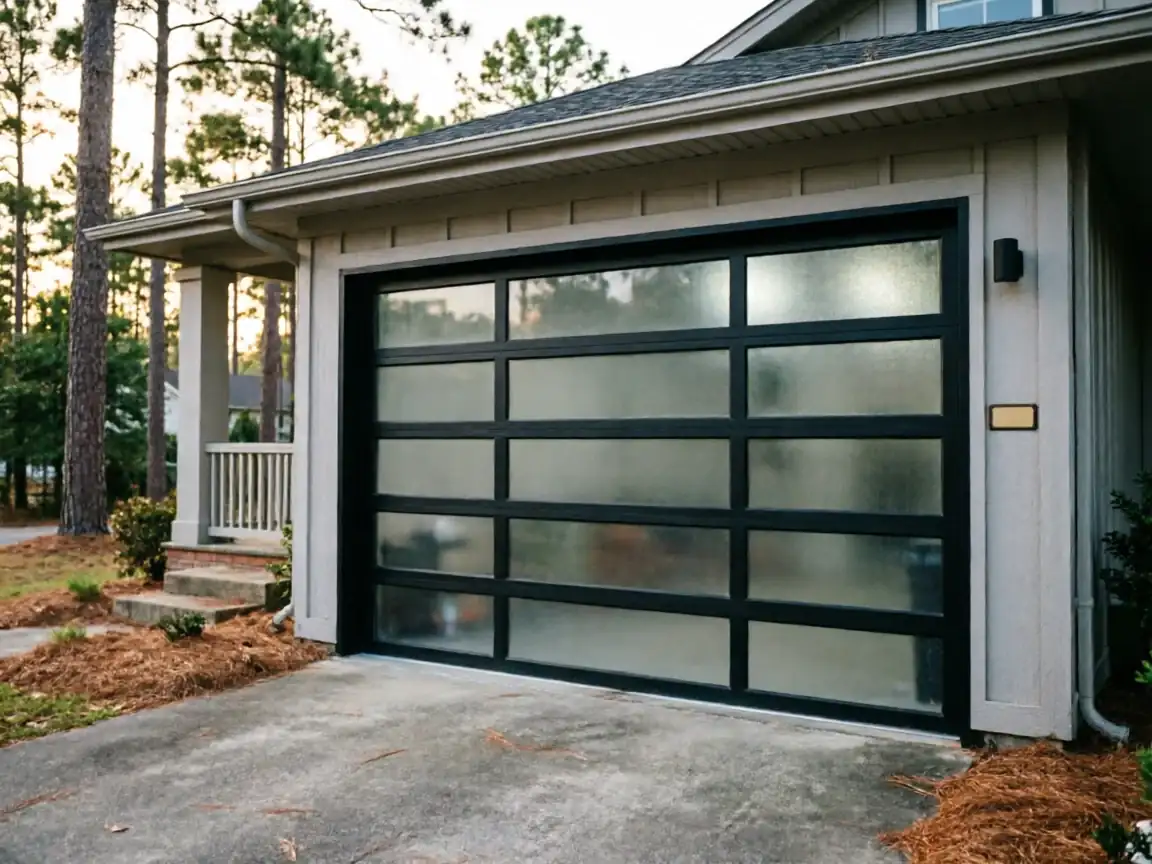
What You Are Seeing
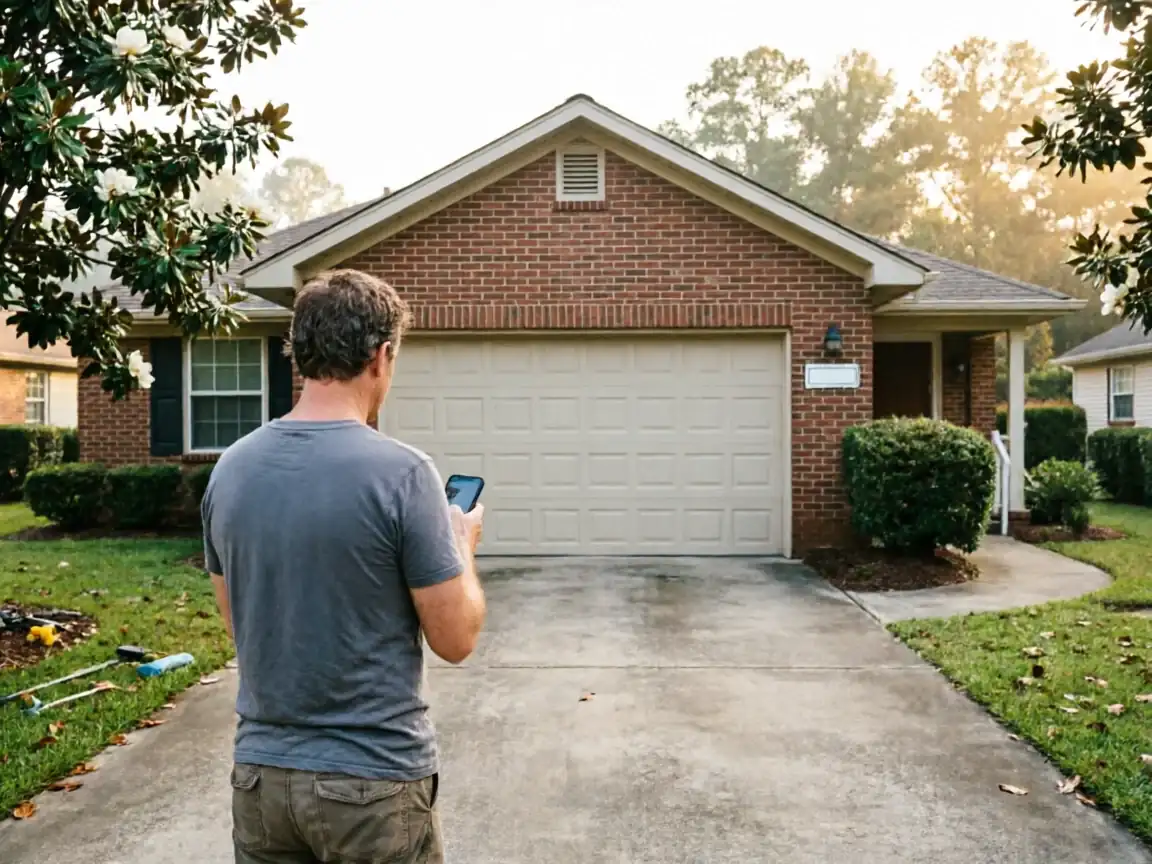
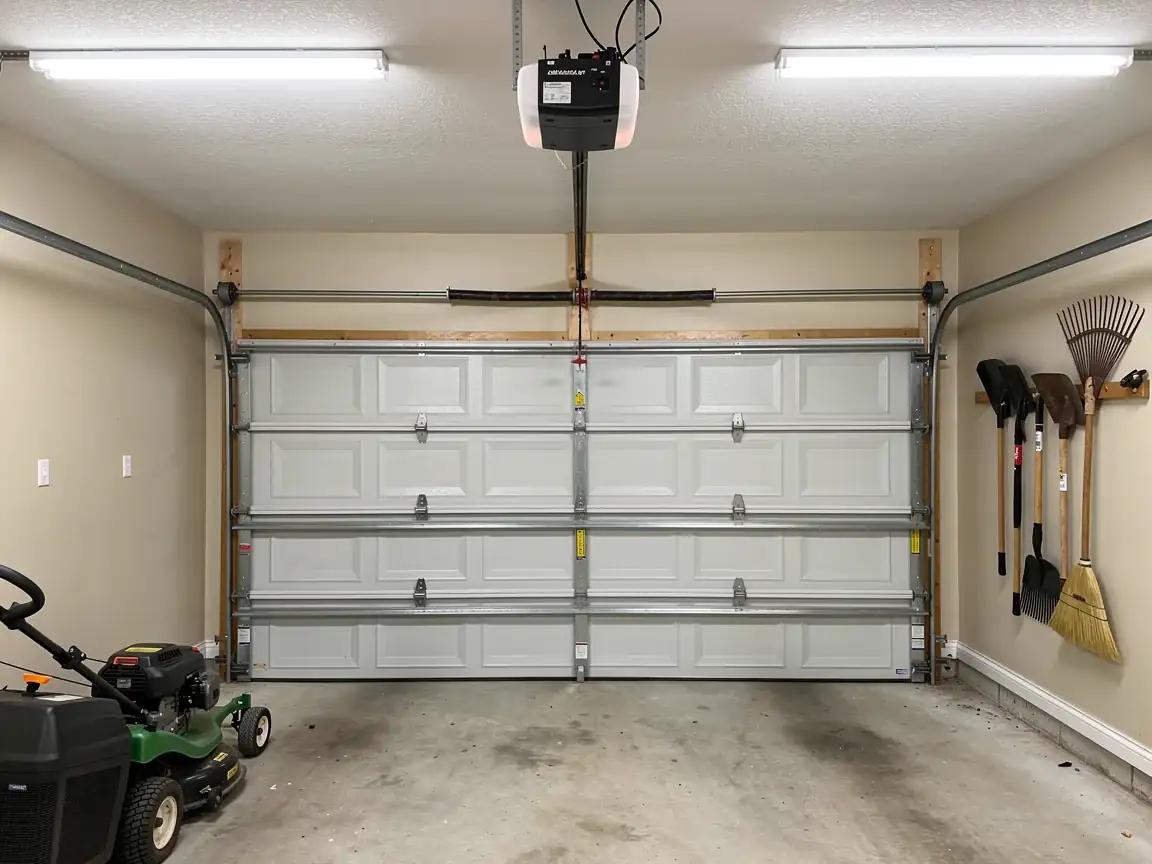
The call we get most from this side of the river isn't a dead opener, it's a confused one: the light blinks a set number of times, the motor hums but the door won't lift, or the remote works from the driveway but not from the street. Houses here run a median build year of 1983, which means the garage itself is old enough that most openers installed when the house was framed have already been replaced once, sometimes twice. That matters because whoever did the last swap didn't always match the new head unit to the original chain and rail, or they kept an old keypad that doesn't talk to the new logic board. You end up with a door that half-works instead of one that's simply broken, and that's harder to trust than a unit that's flat dead.
Chain-drive units from the 80s and 90s also wear differently than the belt drives going into newer builds elsewhere. The sprocket and chain stretch over the years, and once that happens the trolley can bind or skip a tooth right at the point the door is heaviest, which looks like a motor problem but isn't.
Doing It Yourself
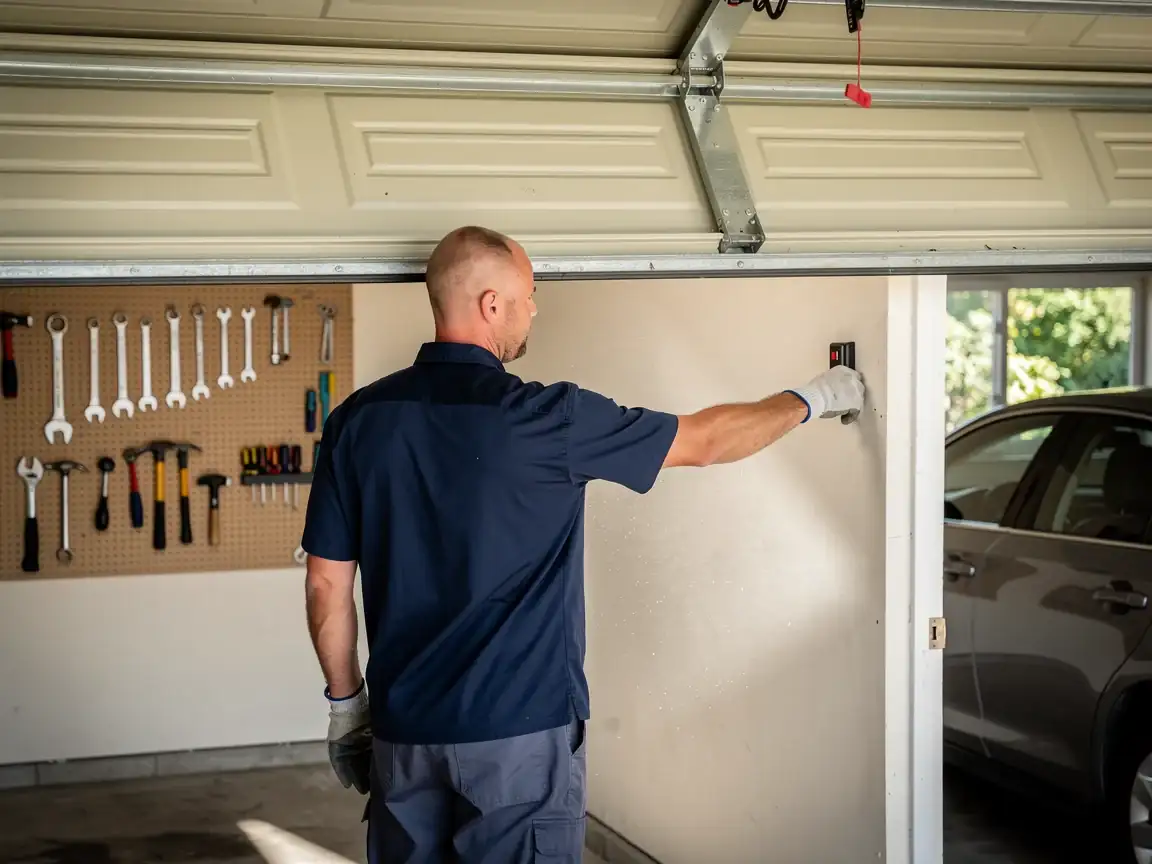
Some of this you can check before you call anyone. Pull the remote apart and swap the battery first; it sounds obvious but it's the fix more often than people expect. Look at the two small sensor eyes near the bottom of the tracks, a few inches off the floor - if one is knocked out of alignment or has a cobweb across the lens, the opener will refuse to close the door and just blink at you. Wipe them clean and nudge them until the indicator light goes solid on both.
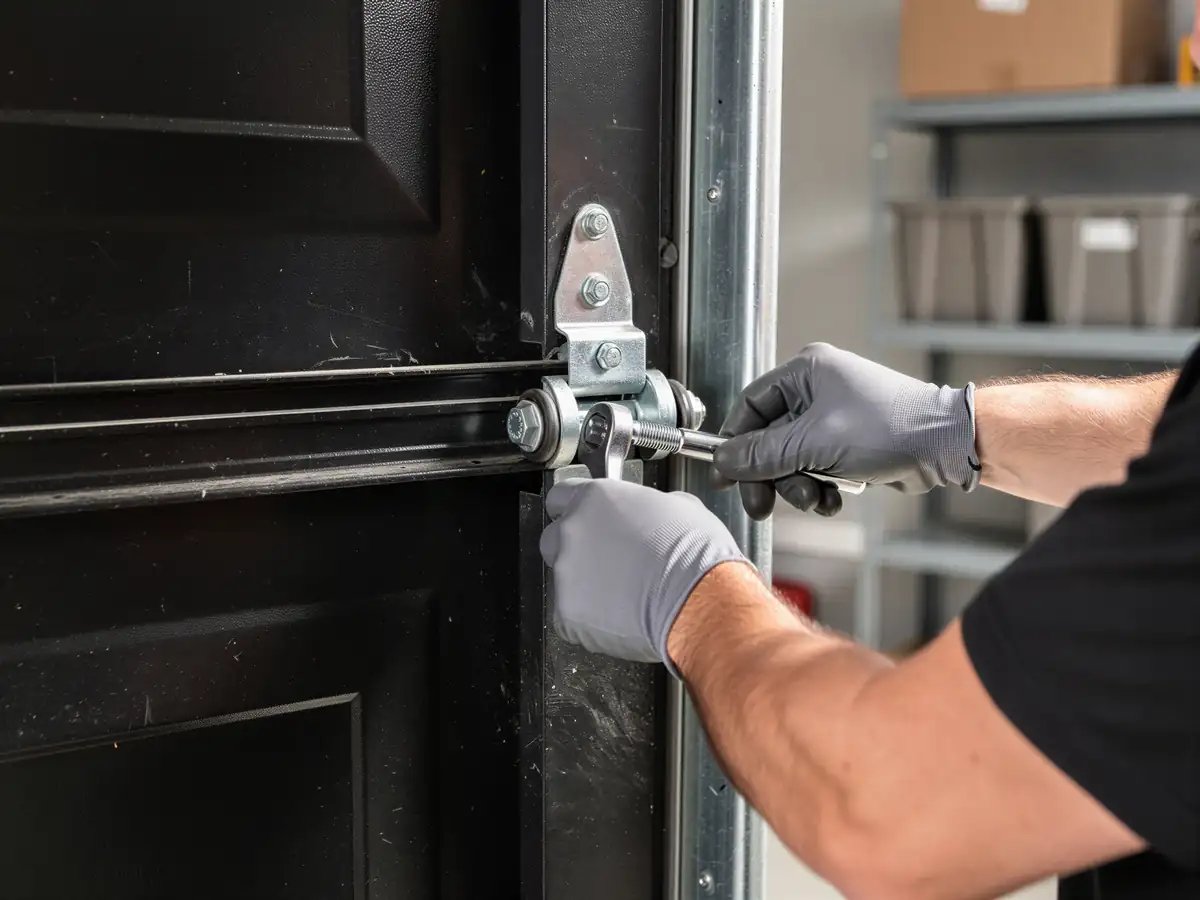
What we don't recommend touching yourself: the logic board, the limit switch adjustment screws, or anything involving the chain tension while the door is under spring load. On an older chain-drive unit, over-tightening the chain to stop a rattle is a common DIY move that actually accelerates the sprocket wear we're already fighting against on houses this age. If you've checked the sensors and the battery and it still won't run right, that's a diagnostic call, not a parts-store trip.
Why It Happens Here
Phenix City sits in a mild climate with occasional freeze
Which is gentler on garage hardware than a lot of the country gets, but it's not nothing. A hard overnight freeze a few times a winter is enough to stiffen old chain lubricant and make a worn sprocket skip on the first cold-morning run of the day, even though the same door opened fine every other morning that month. It's not dramatic weather damage, it's just the cold finding the part that was already due.
The bigger driver is simply the age of the housing stock
With most garages here built in the early-to-mid 80s, openers have gone through one full replacement cycle already and many are into a second. That means a lot of mixed hardware: a newer head unit bolted to an original rail, or a replacement keypad that was never fully synced to the current remote code. None of that is damage from weather or use - it's just decades of partial upgrades stacking up.
How Long It Takes
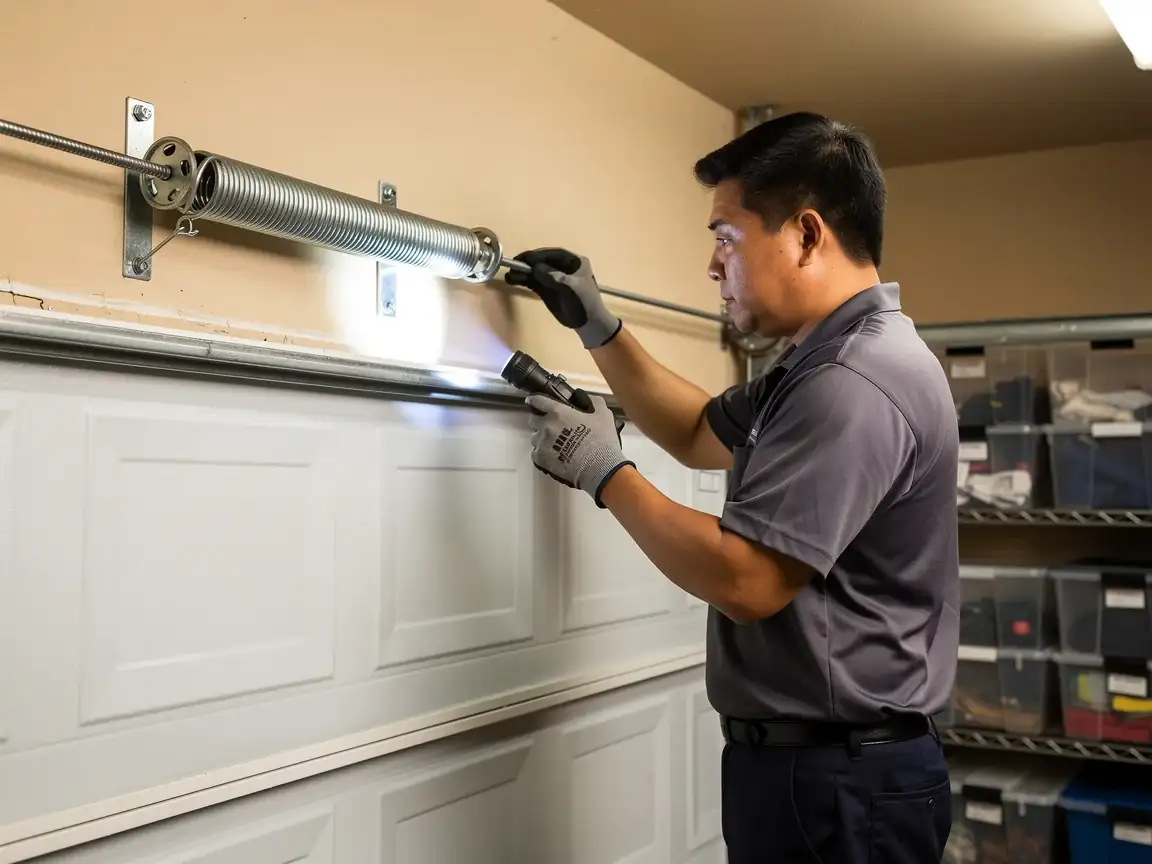
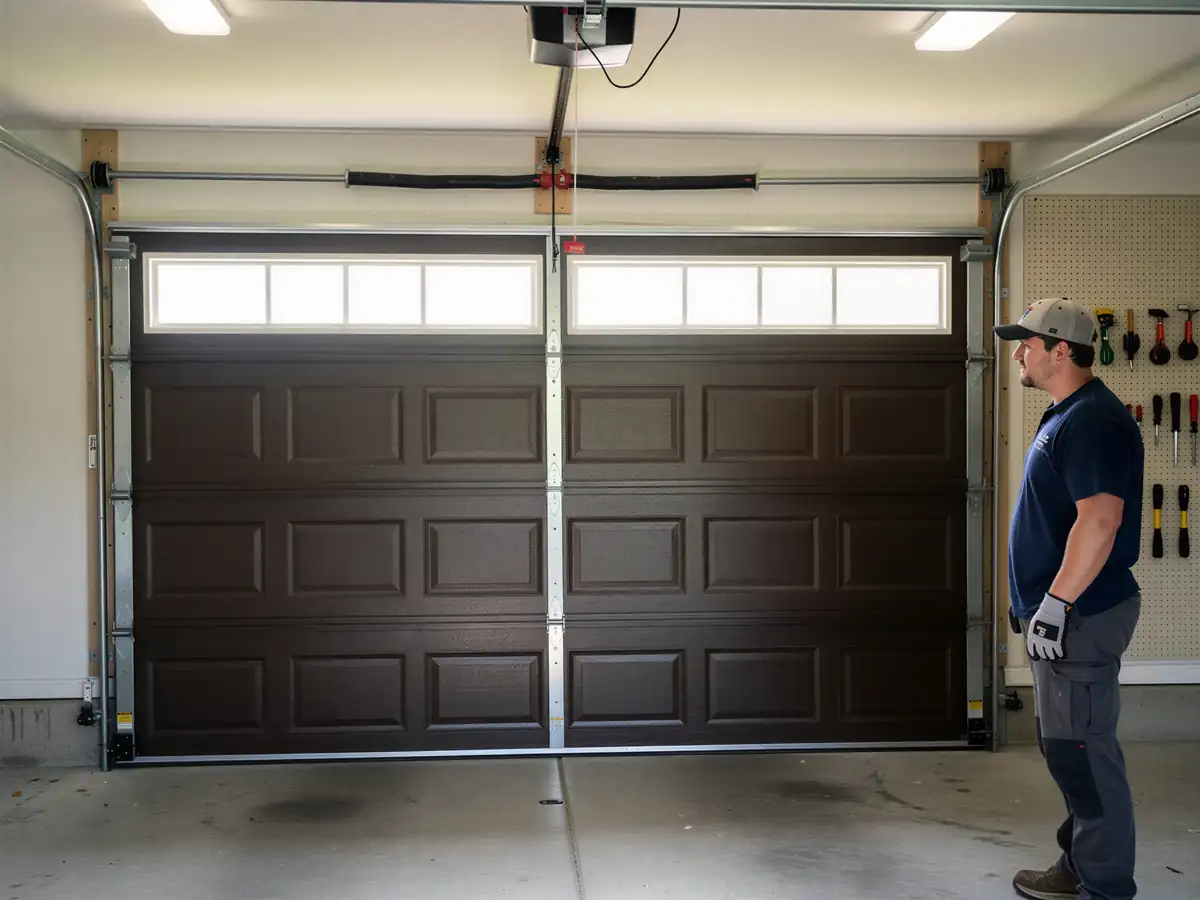
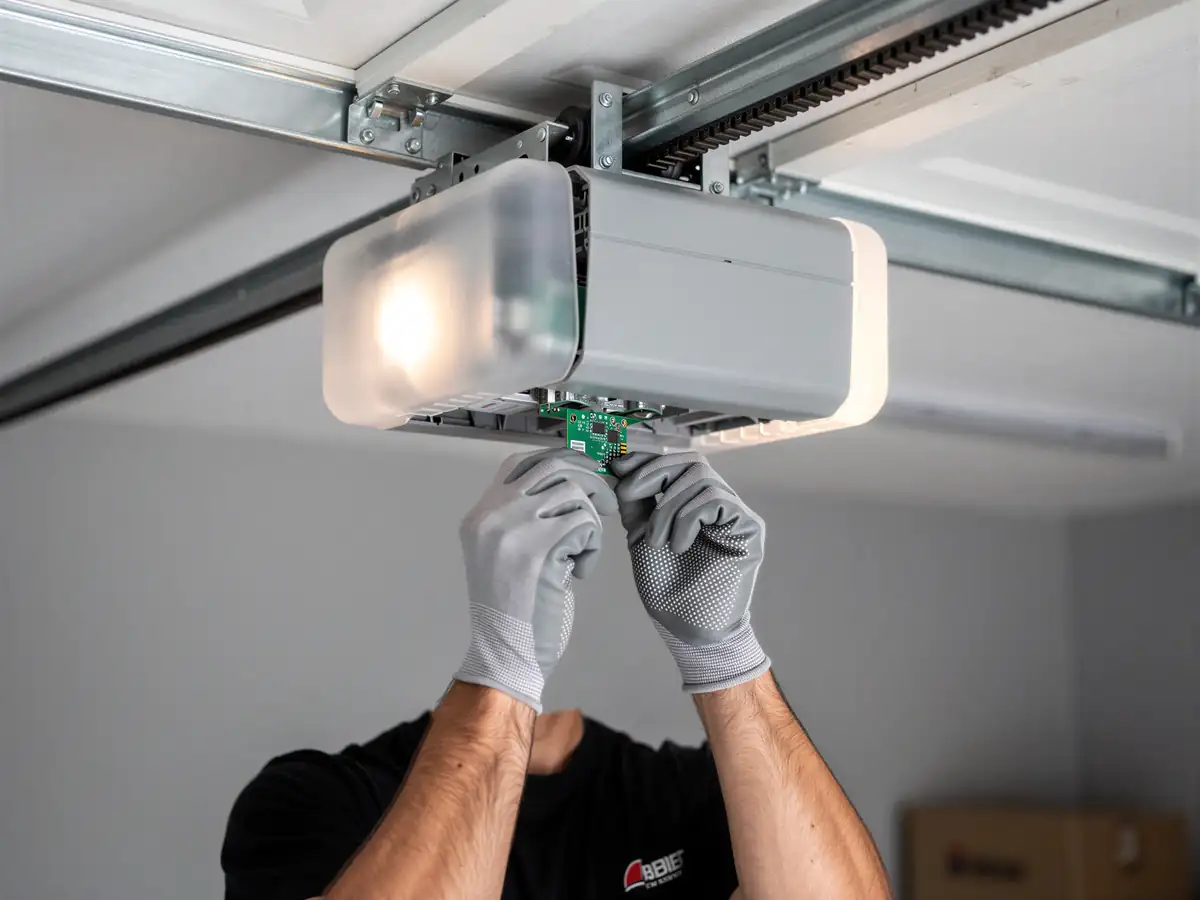
We work out of Columbus, about 3 miles from Phenix City, so travel isn't the long part of the visit - diagnosis is. A clean sensor or battery fix is quick once we're on site. A chain-drive unit with a stretched chain or a worn sprocket takes longer because we're pulling the cover, checking the logic board, and usually replacing the drive gear kit rather than the whole opener if the motor itself is sound.
We won't promise a same-day fix sight unseen, because on a mismatched setup - old rail, newer head unit, aftermarket keypad - it sometimes takes a first visit just to confirm what's actually talking to what before we know which part to bring back.
The Cost of This Job
We don't publish flat prices here because opener repairs split pretty hard into two buckets: a sensor realignment or a wiring fix is a small job, and a worn sprocket-and-chain kit or a failed logic board is a bigger one with a part cost attached. What we can tell you is how we think about it on houses this age - if the motor and capacitor are still good, replacing the gear kit on a chain-drive unit almost always costs less than a full opener swap, and that's usually the right call on a house built in this era where the rail and bracket are otherwise sound. We'll give you both options, repair the drive or replace the head unit, before we touch anything.