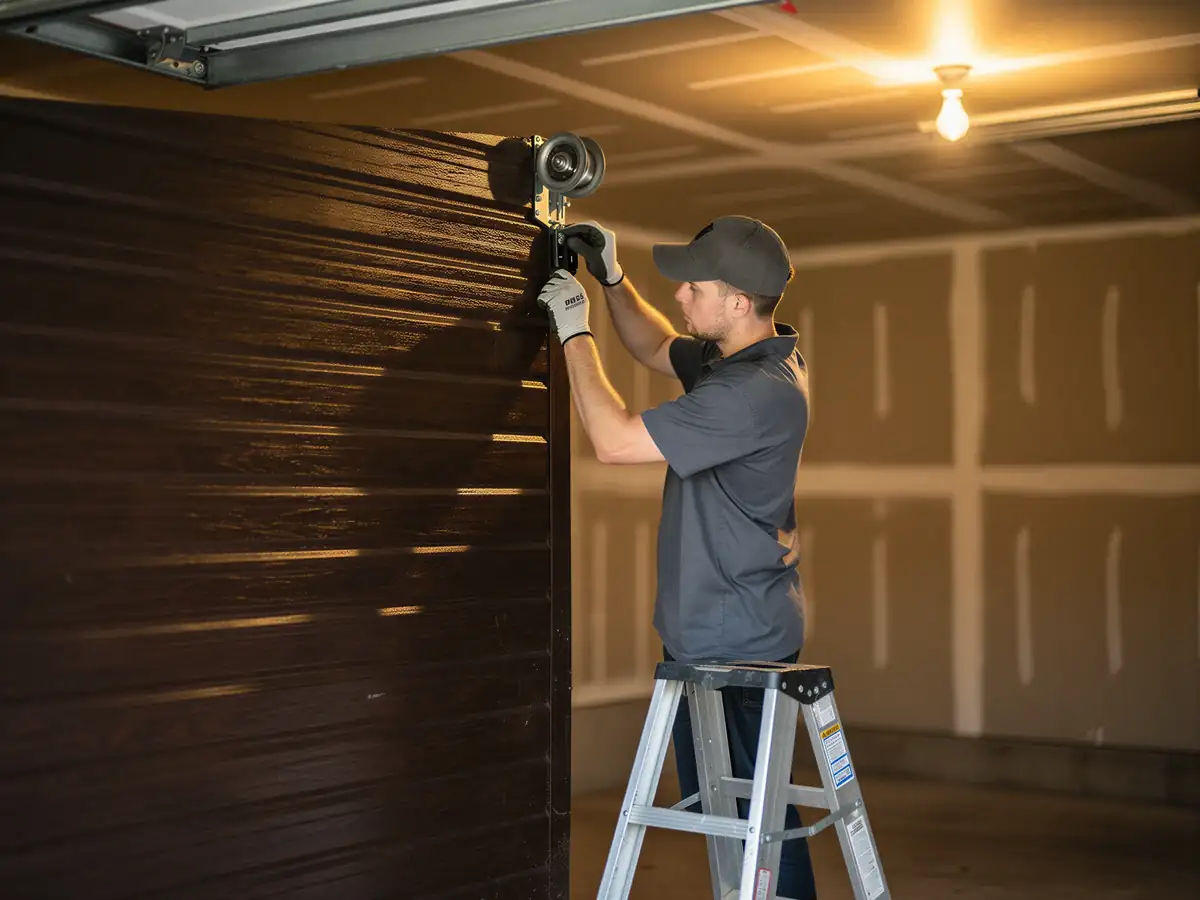
What Can Go Wrong
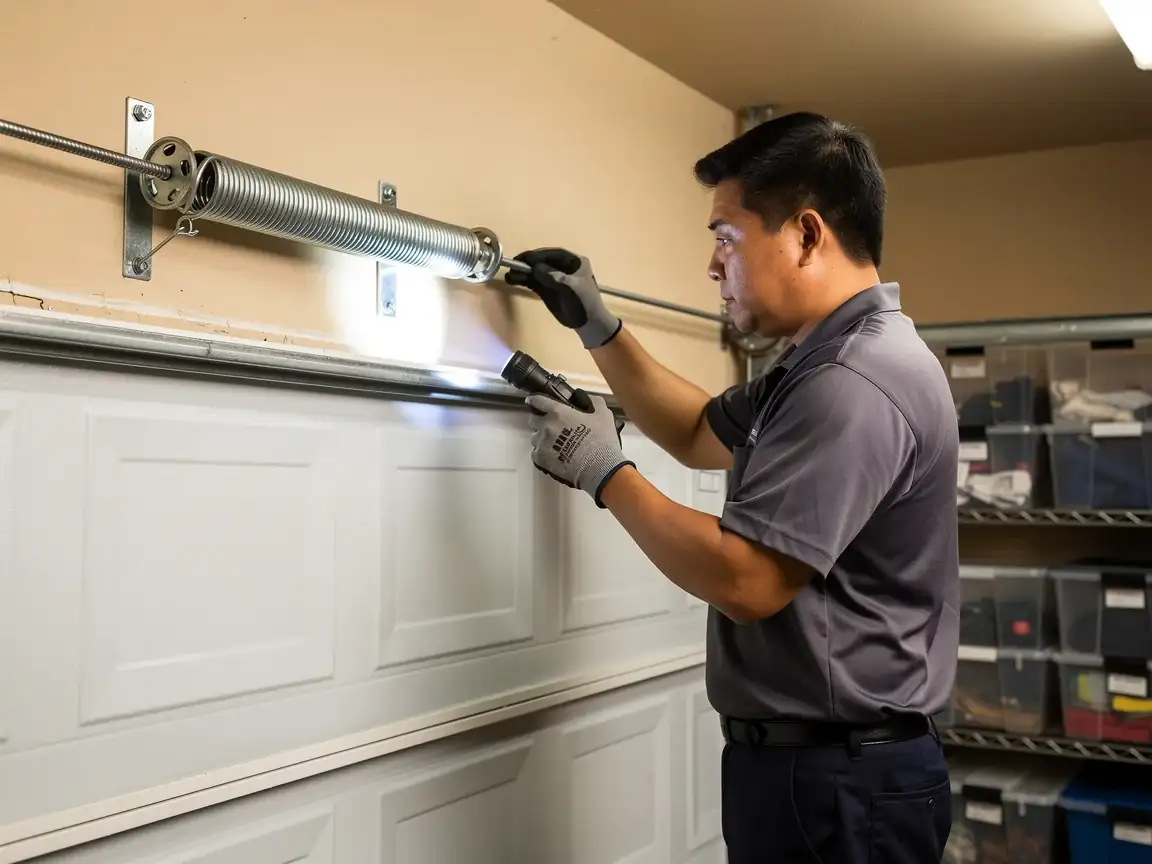
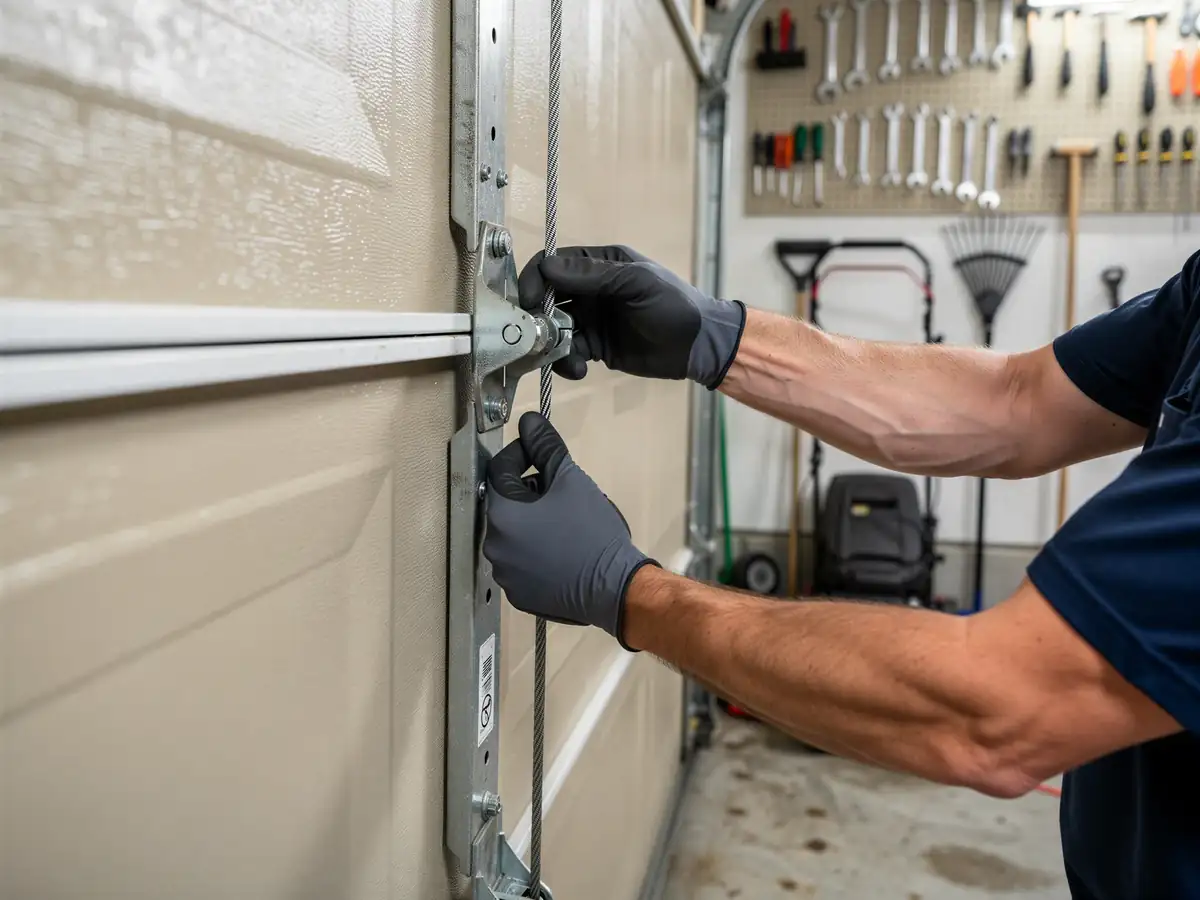
Most of the trouble we see on Talbotton calls starts the same way: a lift cable has frayed where it wraps the bottom bracket, or it's jumped off the drum and bunched up on one side, leaving the door hanging crooked. Houses in this area went up mostly around 1981, which puts a lot of them in the extension-spring era rather than torsion. Extension spring setups run their cables over a pulley at the top of the track, and those cables take a different kind of wear than a torsion cable wound tight on a drum - they stretch, kink, and fray at the pulley contact point first.
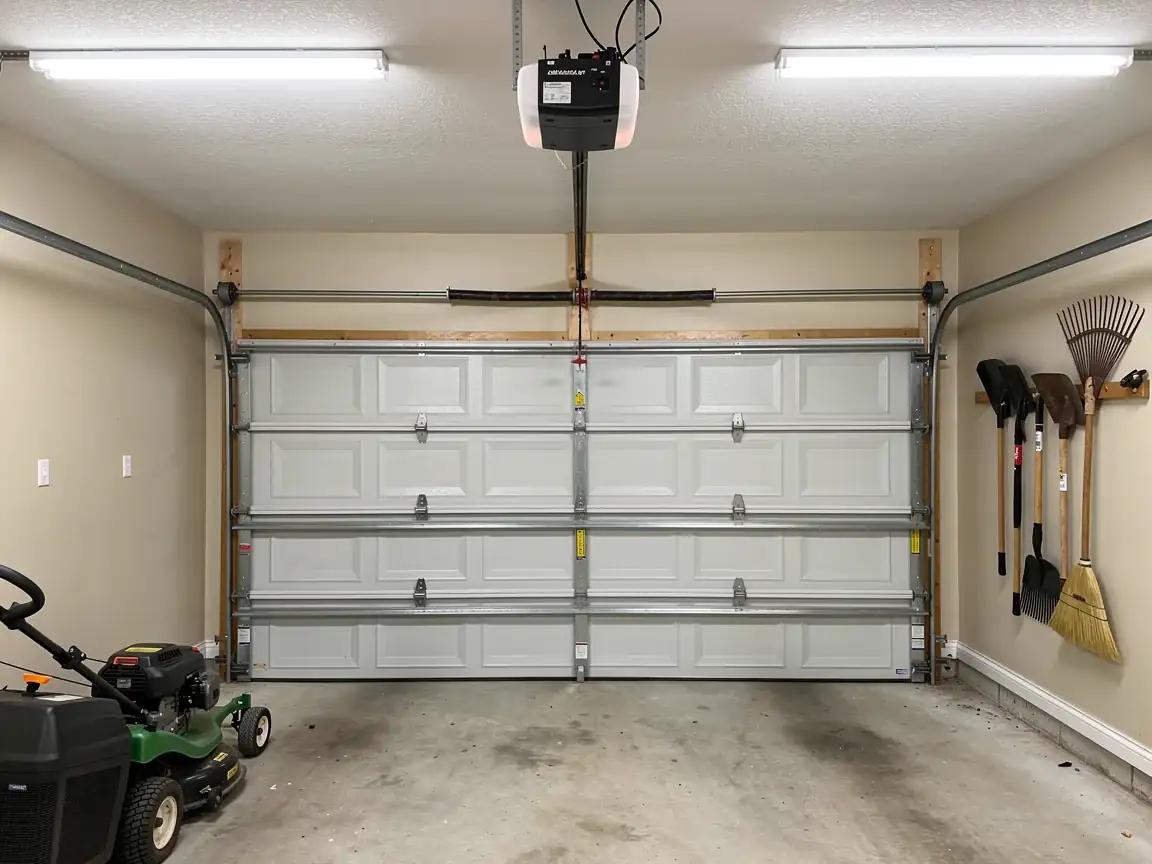
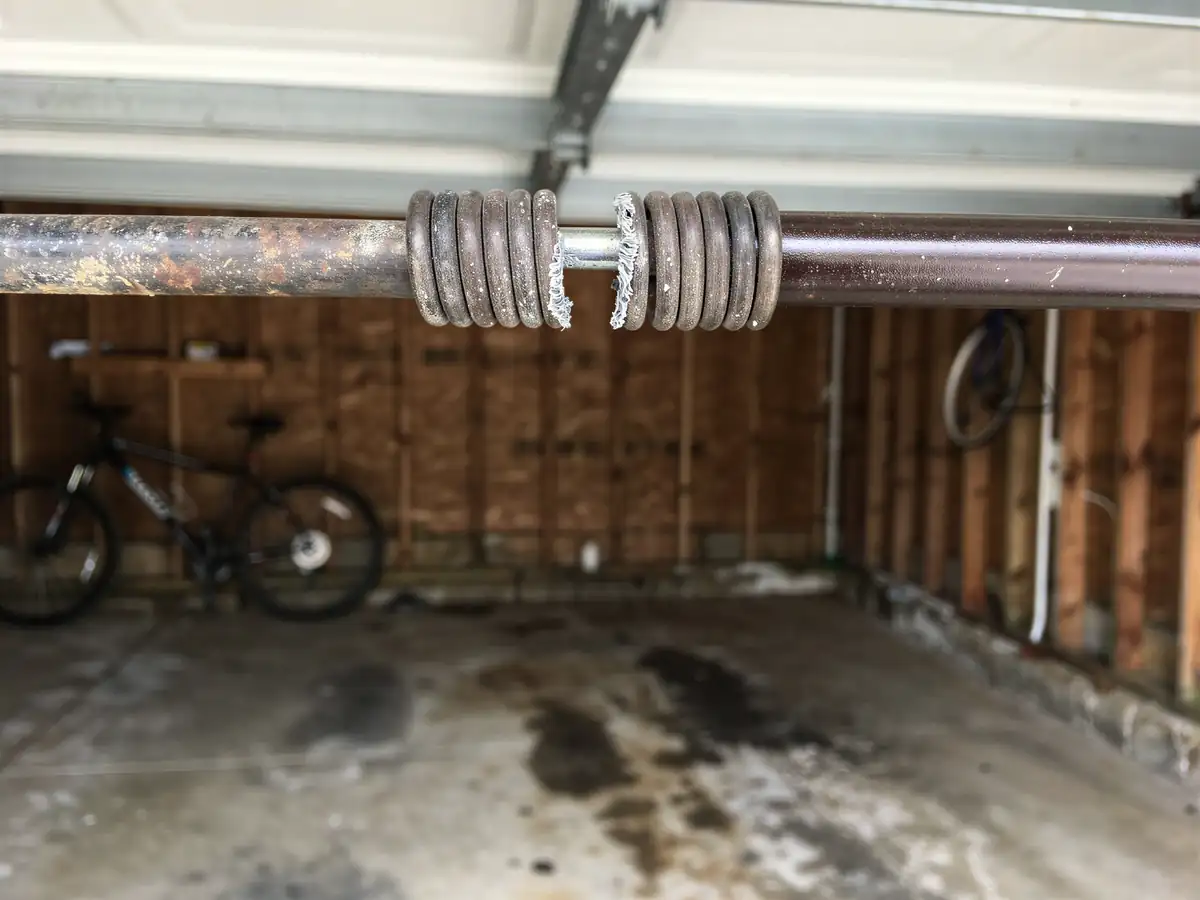
We also see the safety cable missing or cut on these older extension systems. Code now calls for a containment cable running through the spring so it can't whip loose if it breaks, and a lot of 1981-vintage doors never had one added when the springs were last swapped. That's not a cable repair by itself, but we flag it every time because it's cheap to fix next to a cable job and expensive to ignore if a spring lets go overhead.
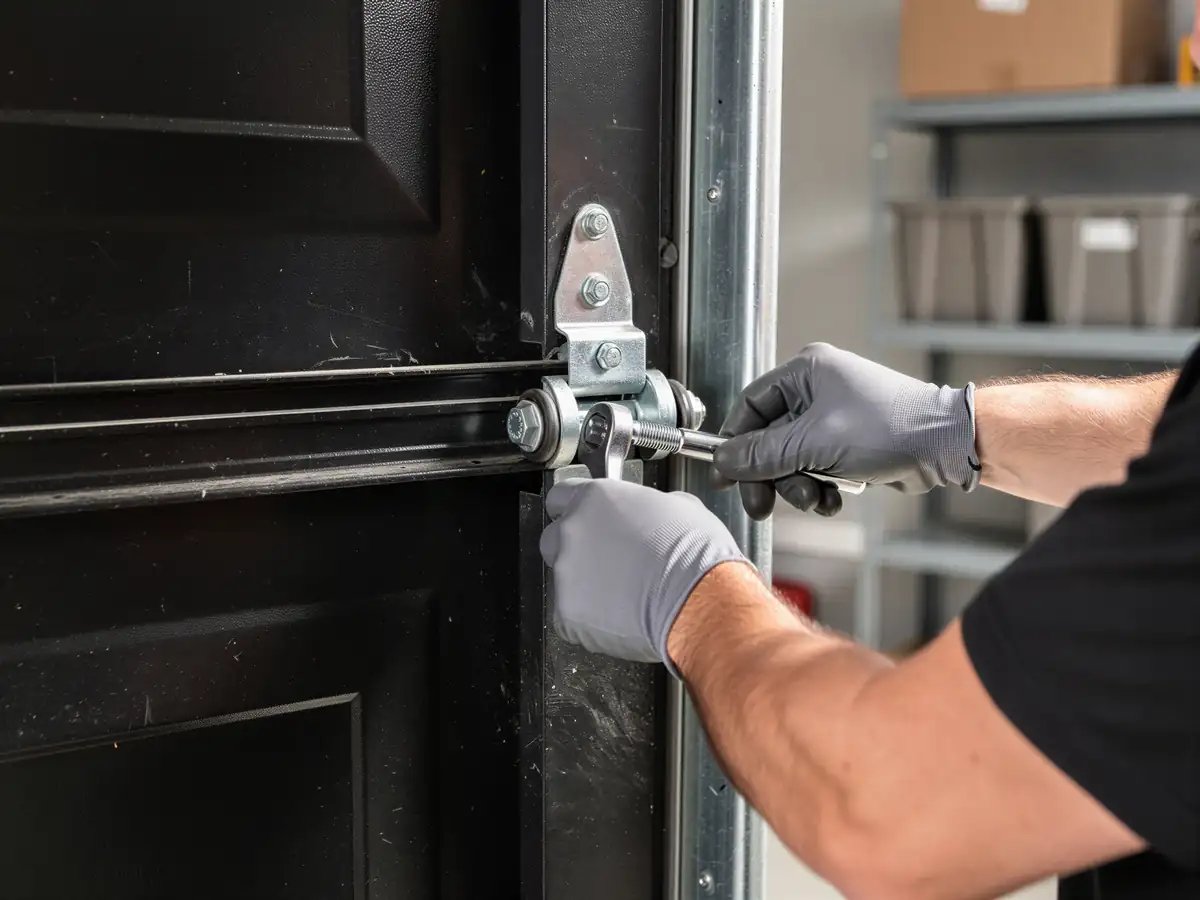
Rust at the bottom bracket is the other repeat offender here. It's not a wet climate, but even occasional freeze mornings mean condensation sits on that bracket through a cold snap, and once the cable strands start rusting there's no splicing them back - the whole cable gets replaced.
The Cost of This Job
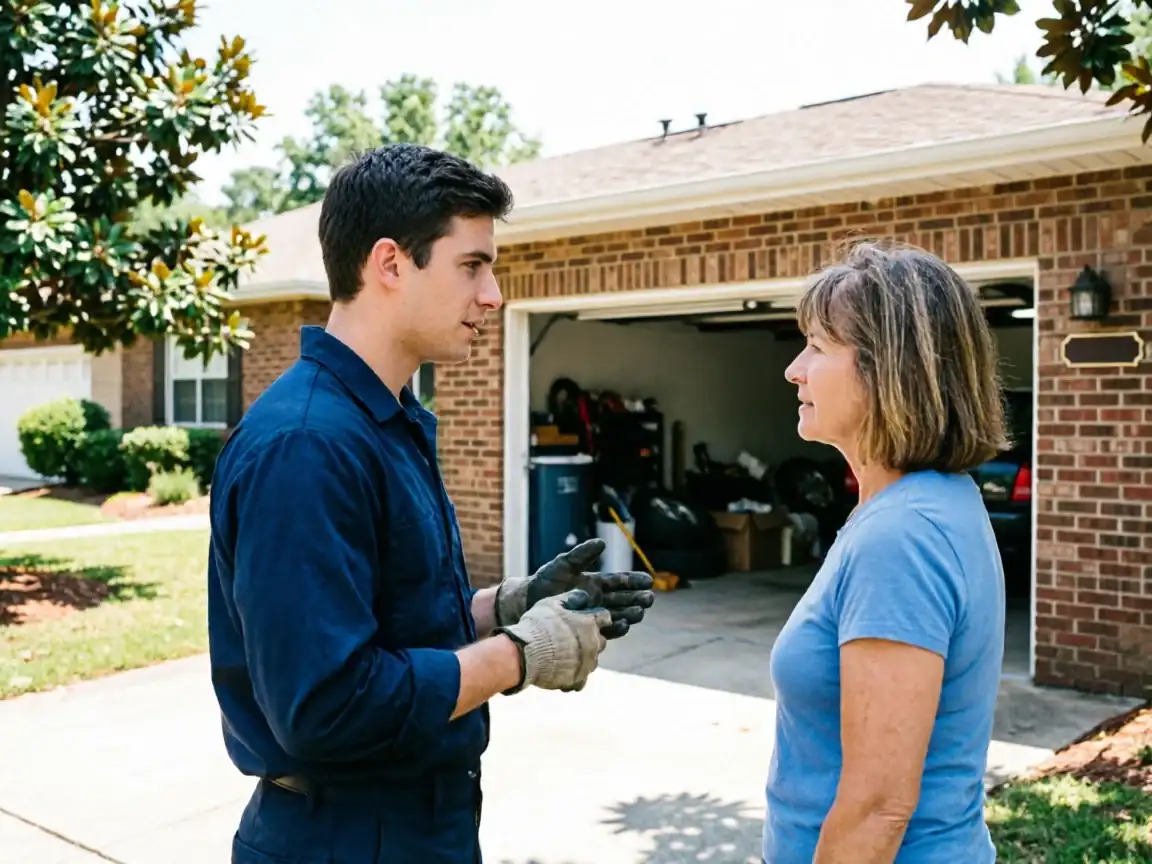
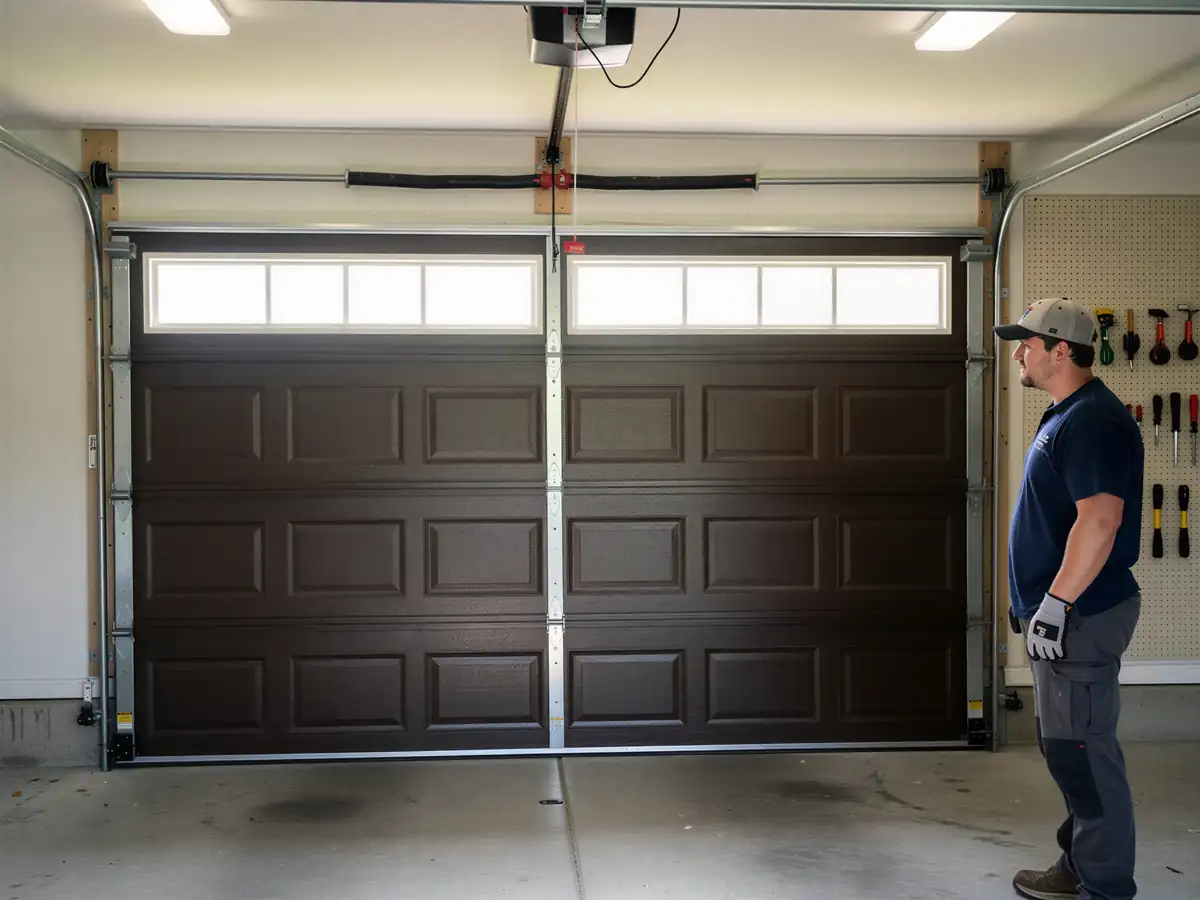
We don't have a posted price list we can hand you here, and we're not going to guess a number for a job we haven't looked at - the same cable fix can run differently depending on whether it's a single snapped strand or a drum and bracket that need replacing too. What we can tell you is how we scope it: a tech comes out from Columbus, looks at both cables (not just the broken one, since the matching cable on the other side is usually close behind it in wear), and quotes the job on the spot before any work starts.
One honest limitation: if your door is original to a 1981 build and the drums or bottom brackets are pitted beyond just rust staining, a cable-only repair sometimes isn't the better move. We'll tell you straight if the door's hardware is at the point where fixing the cable just means we're back for the drum in six months, and let you decide from there. We're not going to sell you a cable when the smarter spend is the bracket it's riding on.
How Long It Takes
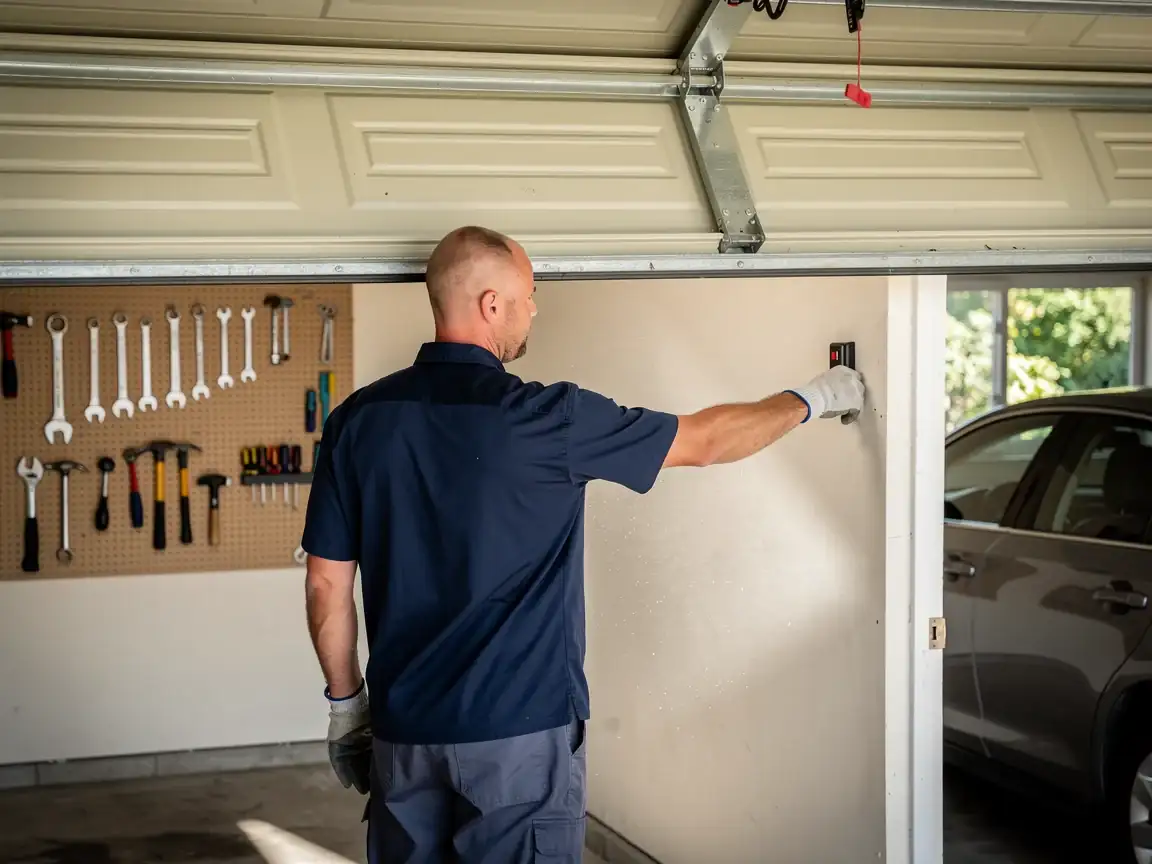
A straightforward cable replacement on one side is usually finished in under an hour once the tech is on site with the right cable length and drum match
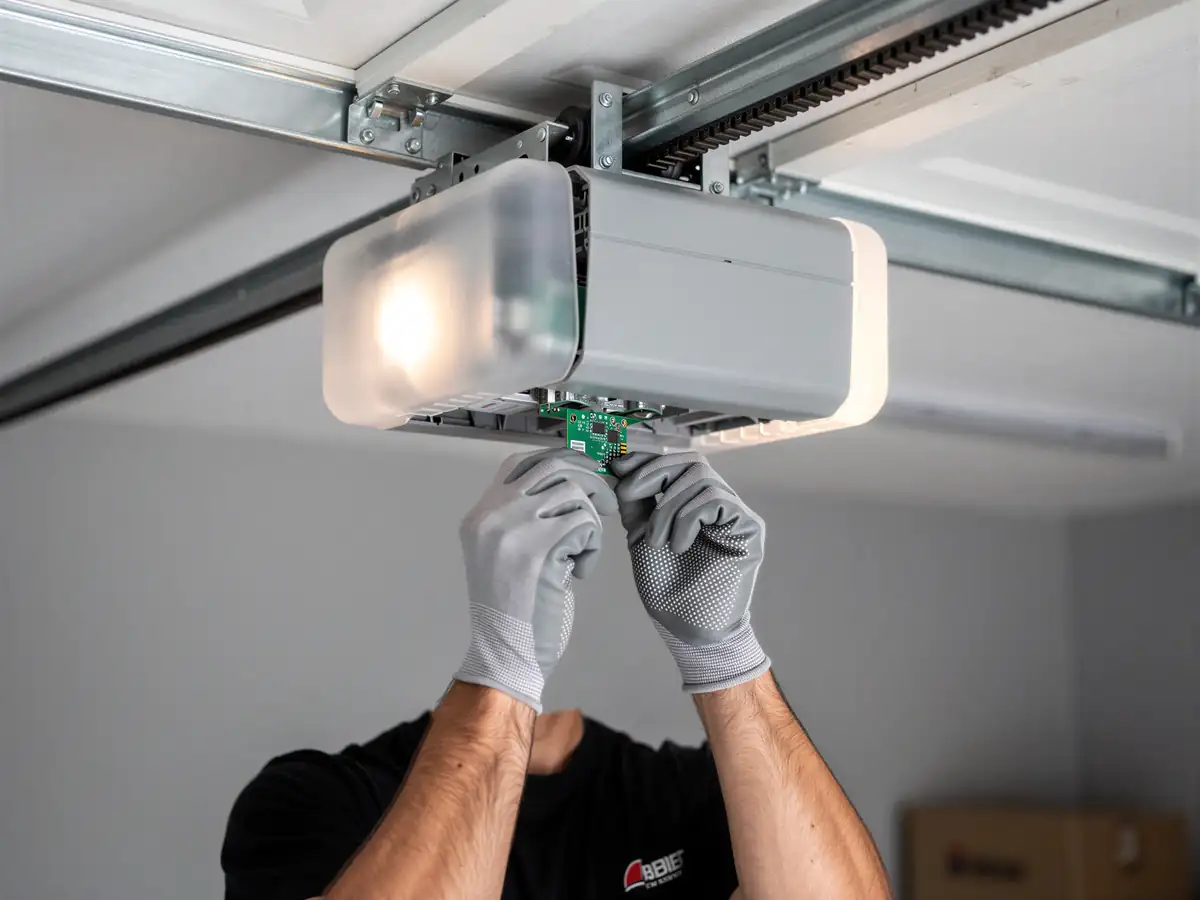
Where it runs longer is if the door's an extension-spring setup without a safety cable, since we're adding that containment cable and re-tensioning both springs to balance the door - that's closer to the length of a full spring job, done at the same stop.
The bigger factor for Talbotton specifically is travel
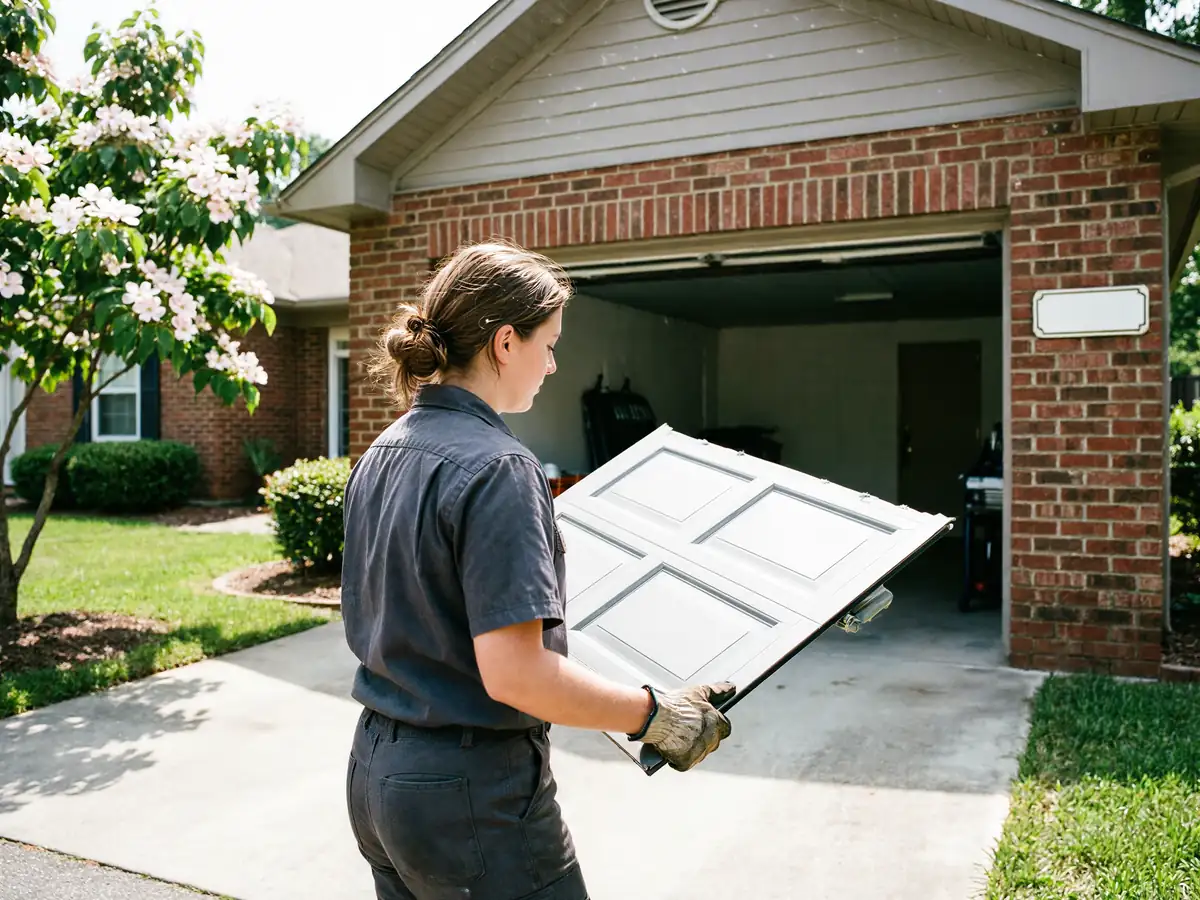
We're running from Columbus, about 30 miles out, so the job itself might be quick but it's scheduled as a planned visit rather than a same-hour drop-in. If your door is stuck shut or wide open and the car's trapped, say so when you call - we'll move it up, but plan on booking ahead for anything that isn't an emergency.
- 30 miles
Why It Happens Here
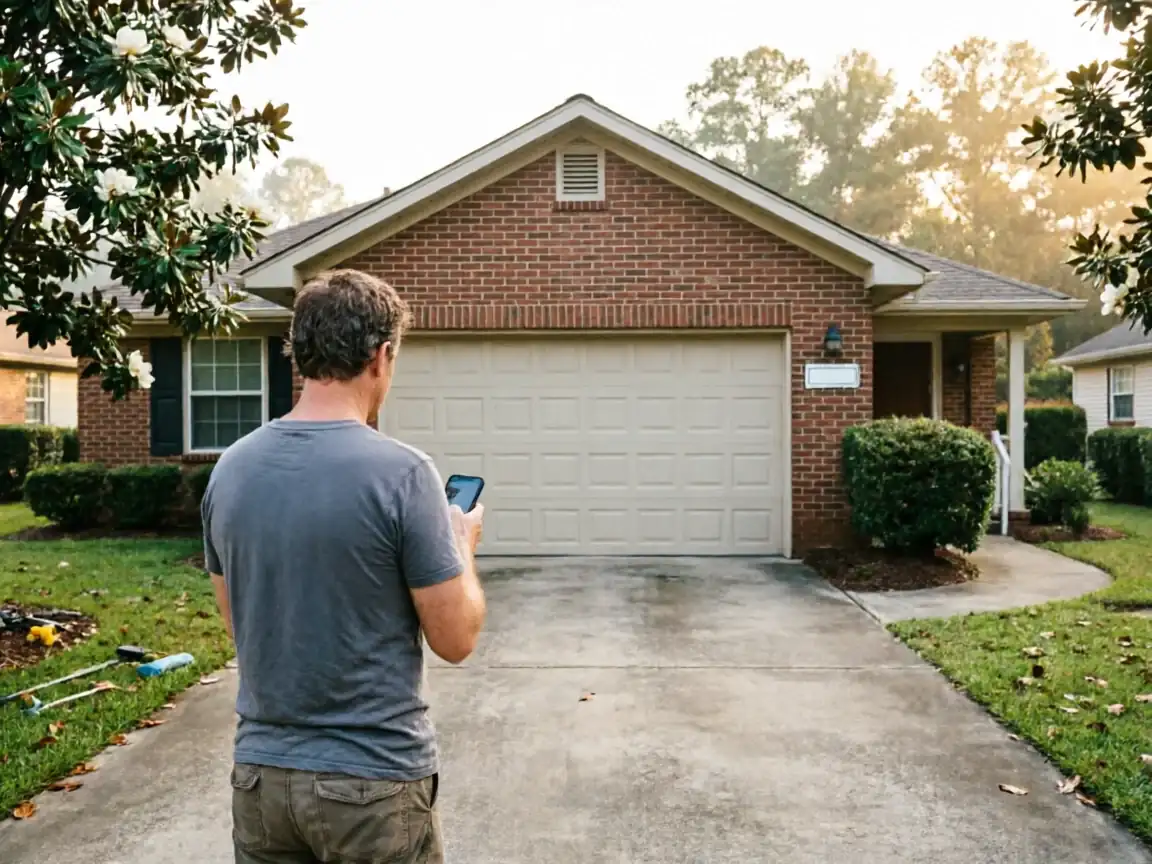
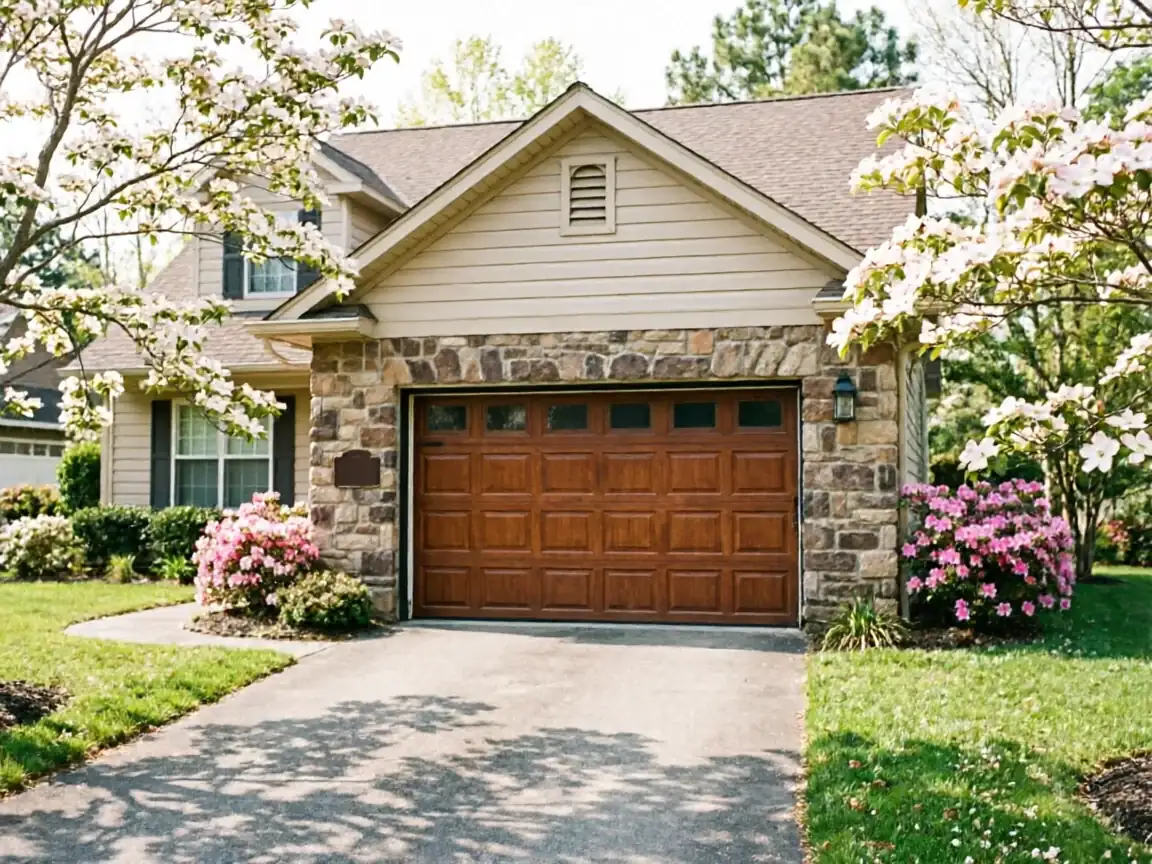
The housing stock around Talbotton clusters tightly around 1981, which means a lot of these doors and their hardware are original or close to it - forty-plus years on the same cables, drums, and pulleys. Cable steel doesn't last that long under tension regardless of climate; it fatigues and frays well before most owners notice, usually showing up as a slight sag on one side before it lets go completely.
The area doesn't see hard winters, but it does get occasional freeze mornings, and that on-and-off condensation cycle on bare steel cable is slow corrosion rather than dramatic weather damage. It's not the kind of fault that announces itself - it's the kind that's been building for decades on a door nobody's touched since it was installed. With roughly 360 households in this part of the service area, most on that same early-80s build timeline, we expect this to keep being the main cable call out here for a while yet.