What Can Go Wrong
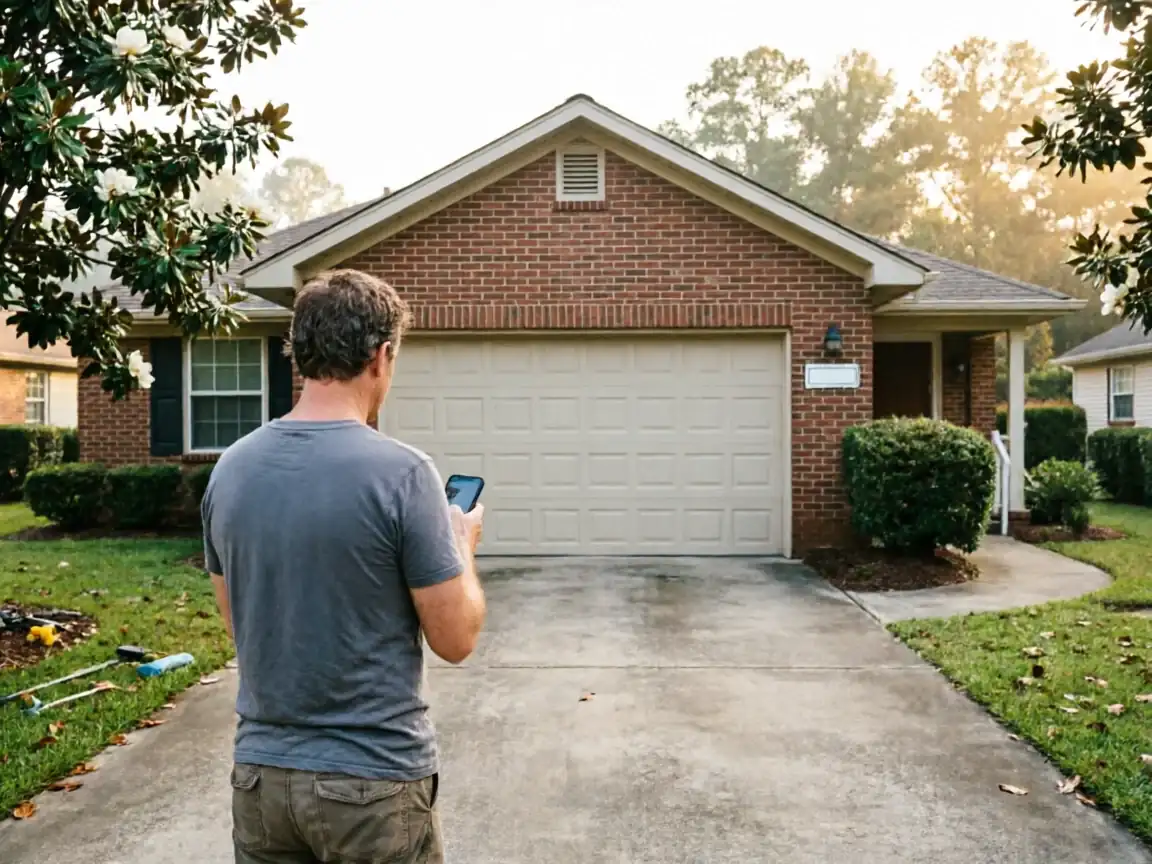
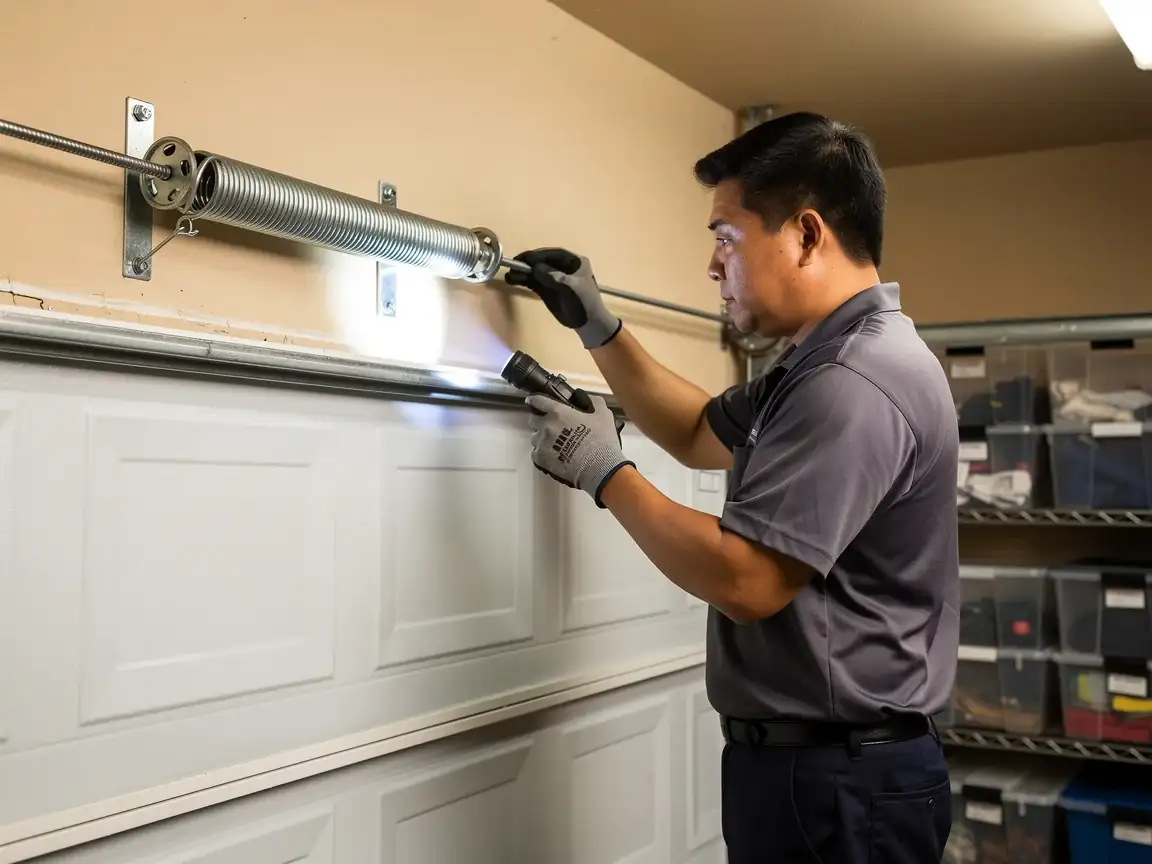
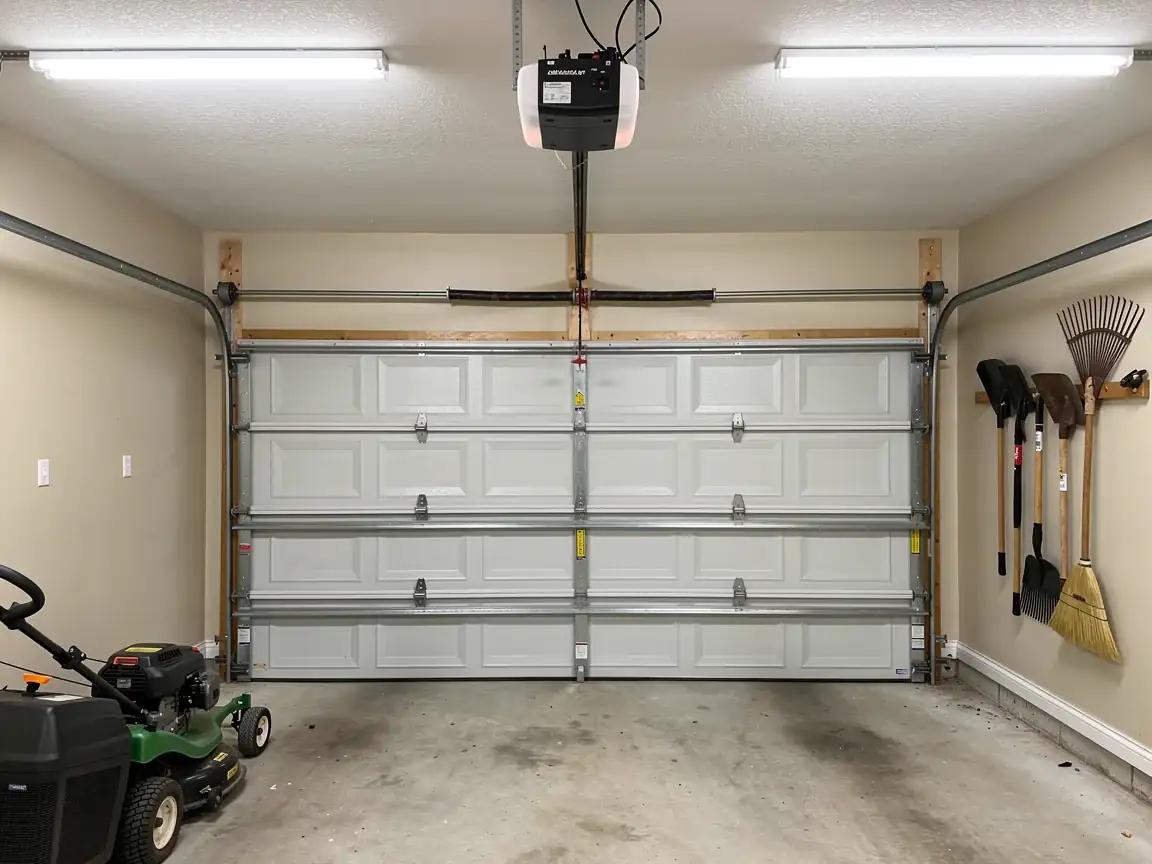
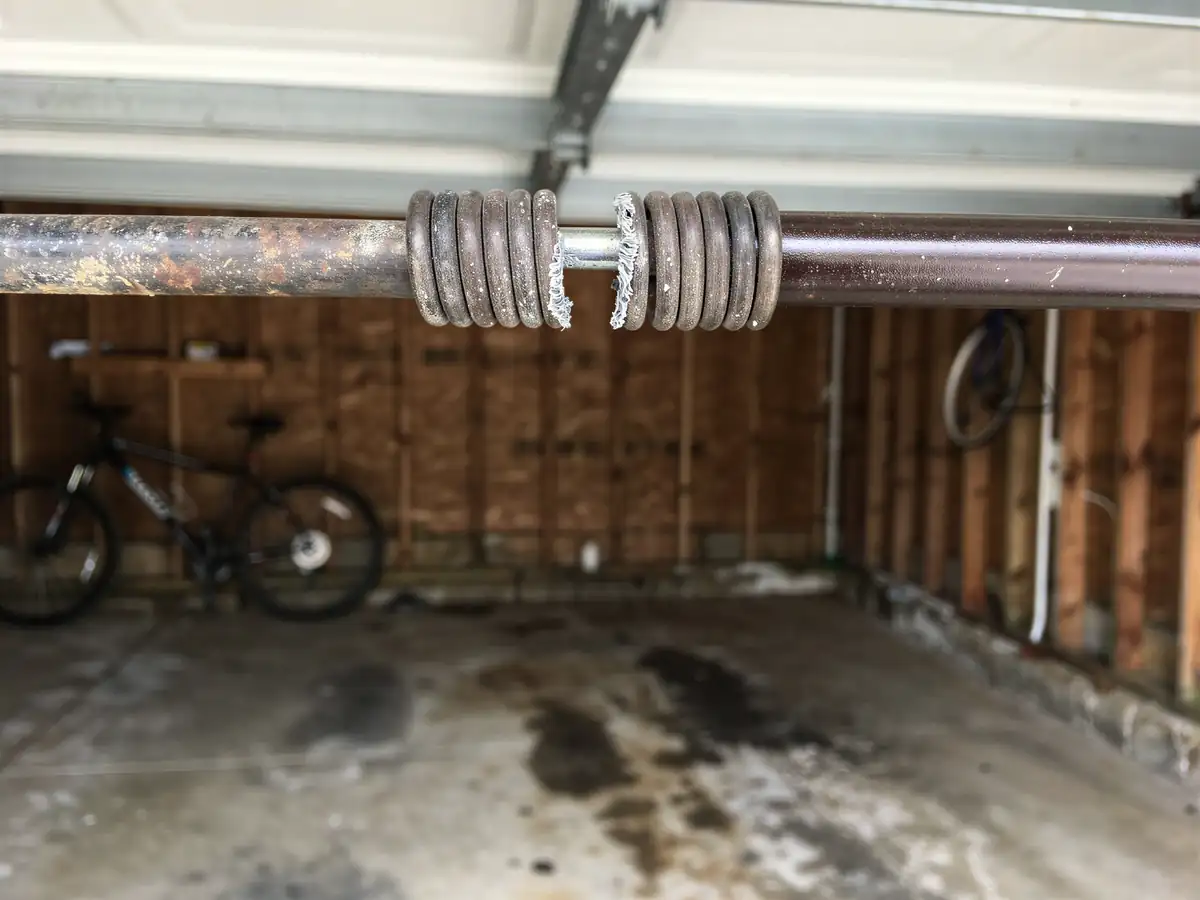
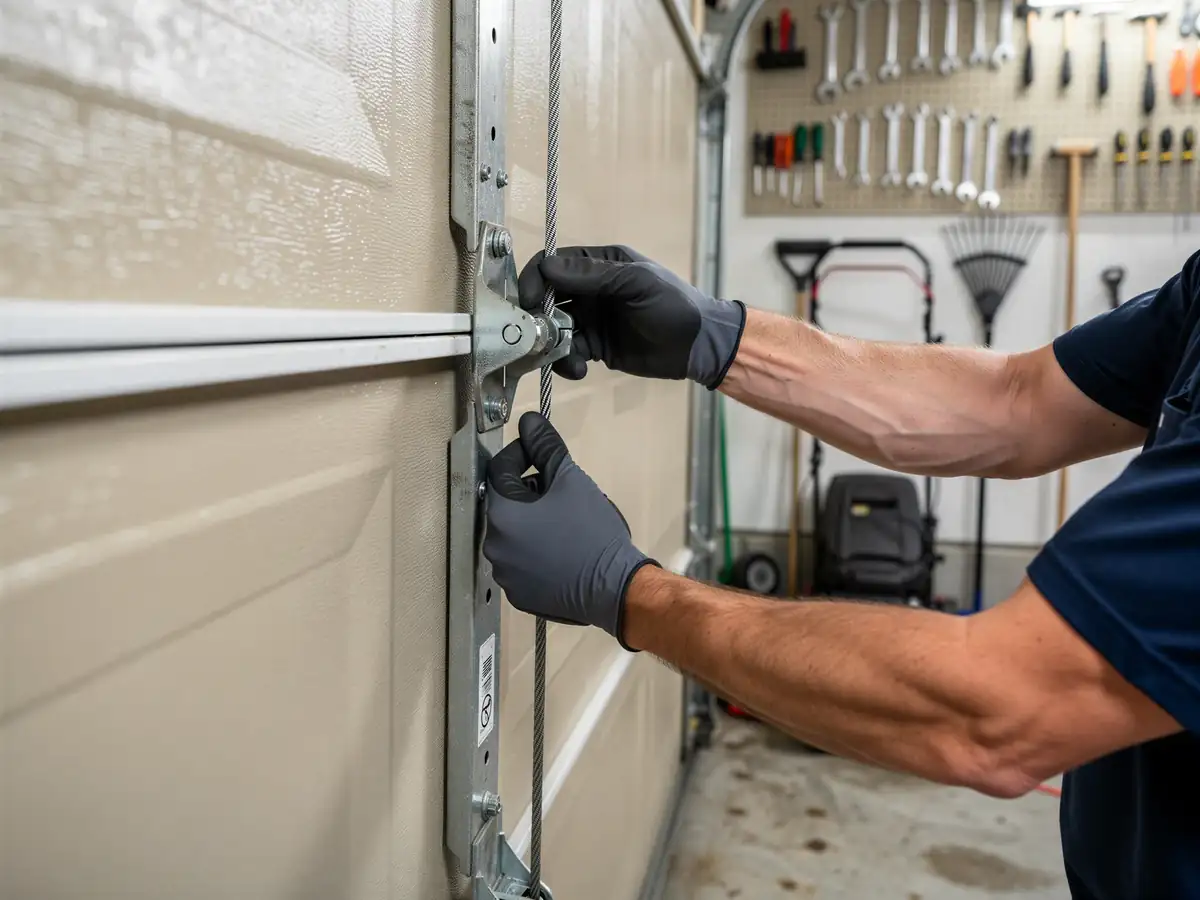
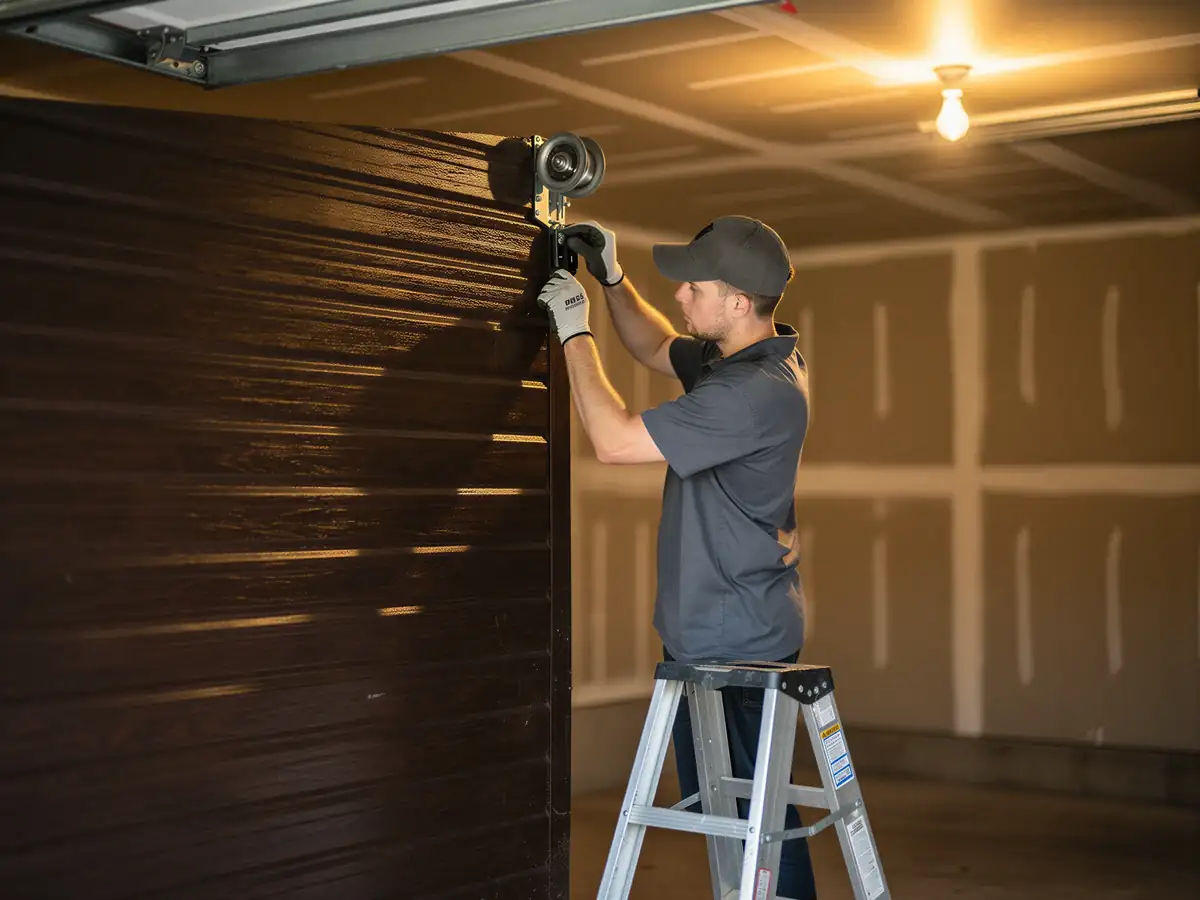
Talbotton's housing stock centers on 1981, which puts most garage doors and openers here a decade past the service area's overall median build year of 1991. That decade matters. A door hung in 1981 is more likely running on an opener that's been replaced once already, or never, and on a torsion or extension spring that's seen forty-plus years of cycles. The usual failures: a spring that snaps on a cold morning, rollers worn enough to bind in the track, and cables frayed from stretch they were never designed to take this long.
The climate band here is mild with some freeze, so you don't get the brutal winters that crack slabs, but you do get enough cold snaps to stiffen old grease in the hinges and make a tired spring let go on the one morning you need the car out. Weatherstripping on a 1981 door has usually hardened and split by now, which lets in the kind of draft that an owner at this build age notices but doesn't always connect to the door itself.
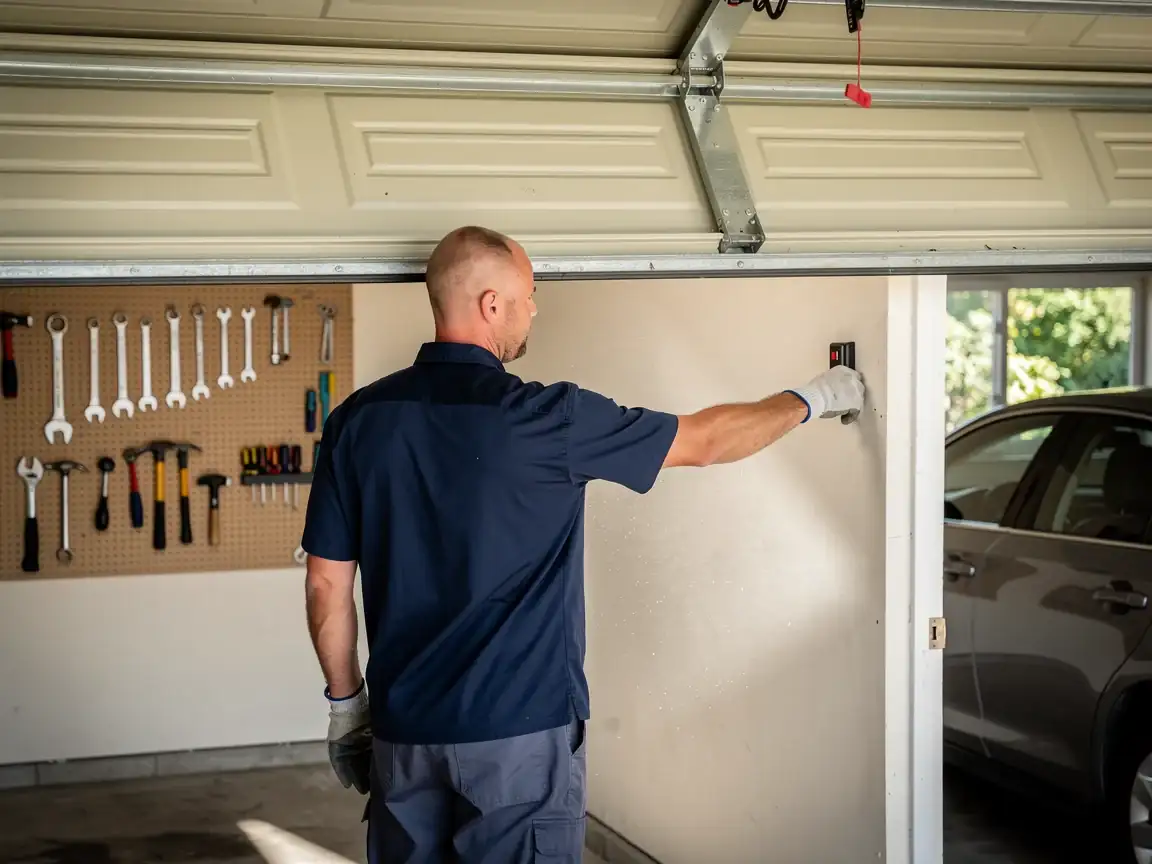
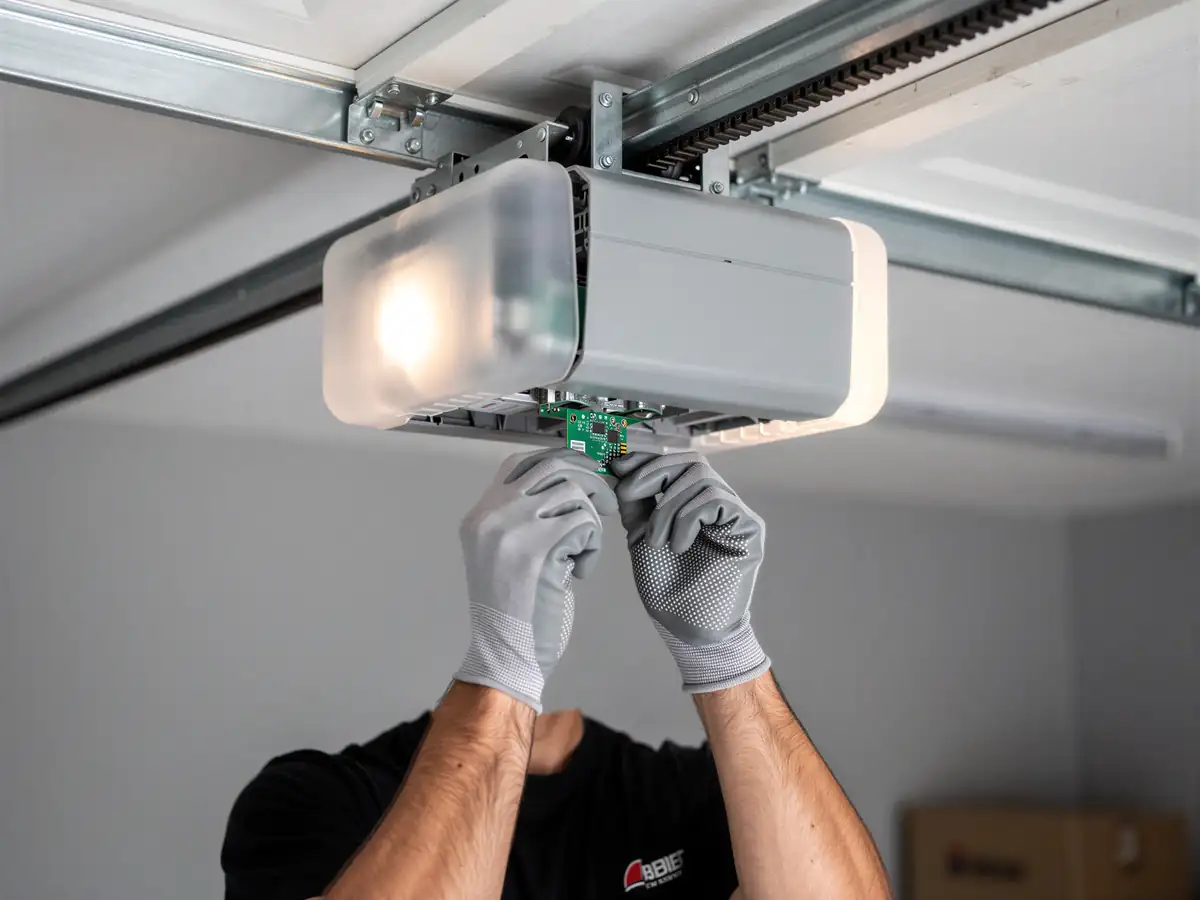
One honest limit: if the opener is original to the house, we may not be able to get the exact replacement logic board. At that point we're talking full opener swap, not a board repair, and we'll tell you that up front instead of charging you for a part we can't source.
The Cost of This Job
Across the service area this company covers, median household income sits at $73,654. That number matters here specifically because Talbotton's houses, built mostly in 1981, are old enough that a repair call often turns into a replace conversation rather than a swap-the-part conversation. A spring or a roller job is a straightforward repair bill. A door and opener both past their service life, on a house built in 1981, is a different number, and at $73,654 median income, that's the point where a lot of owners start weighing a full replacement against a string of repairs on original hardware.
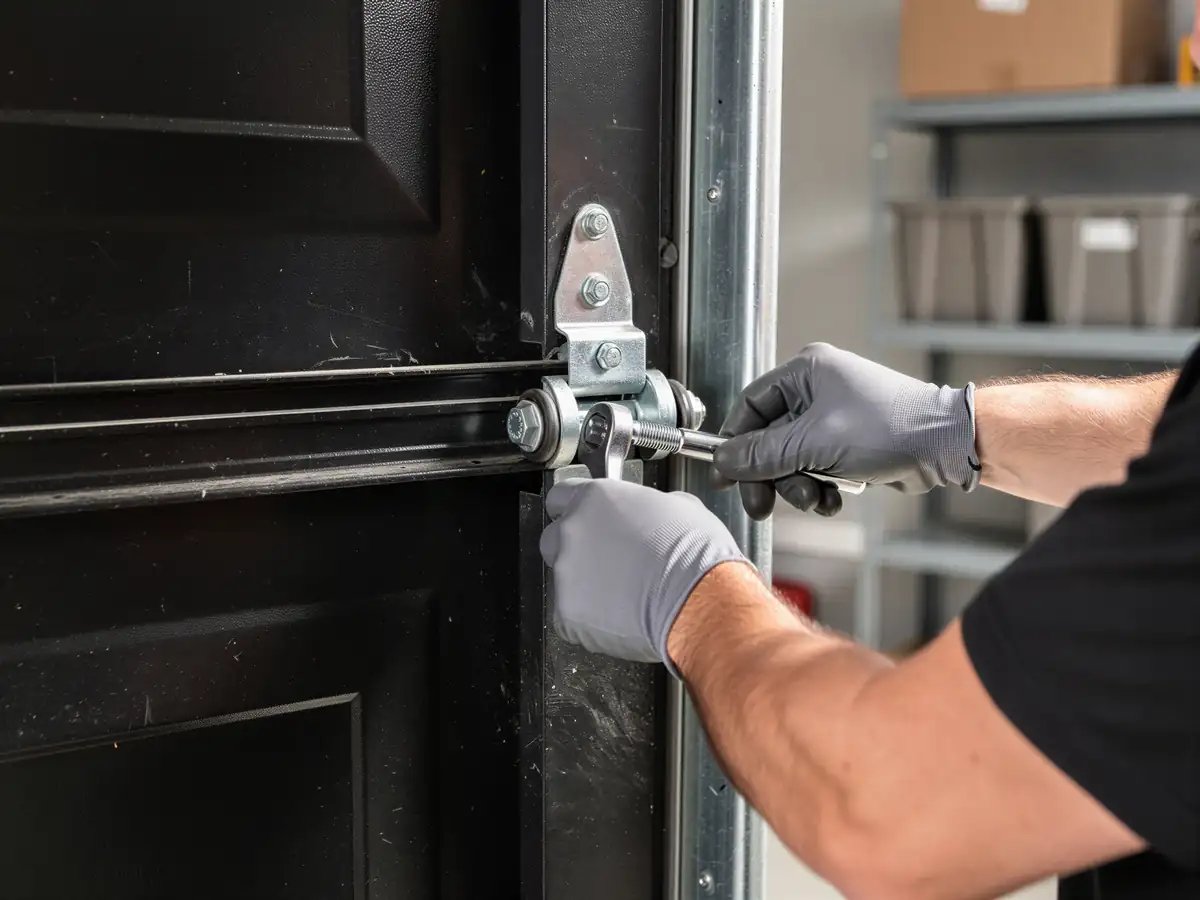
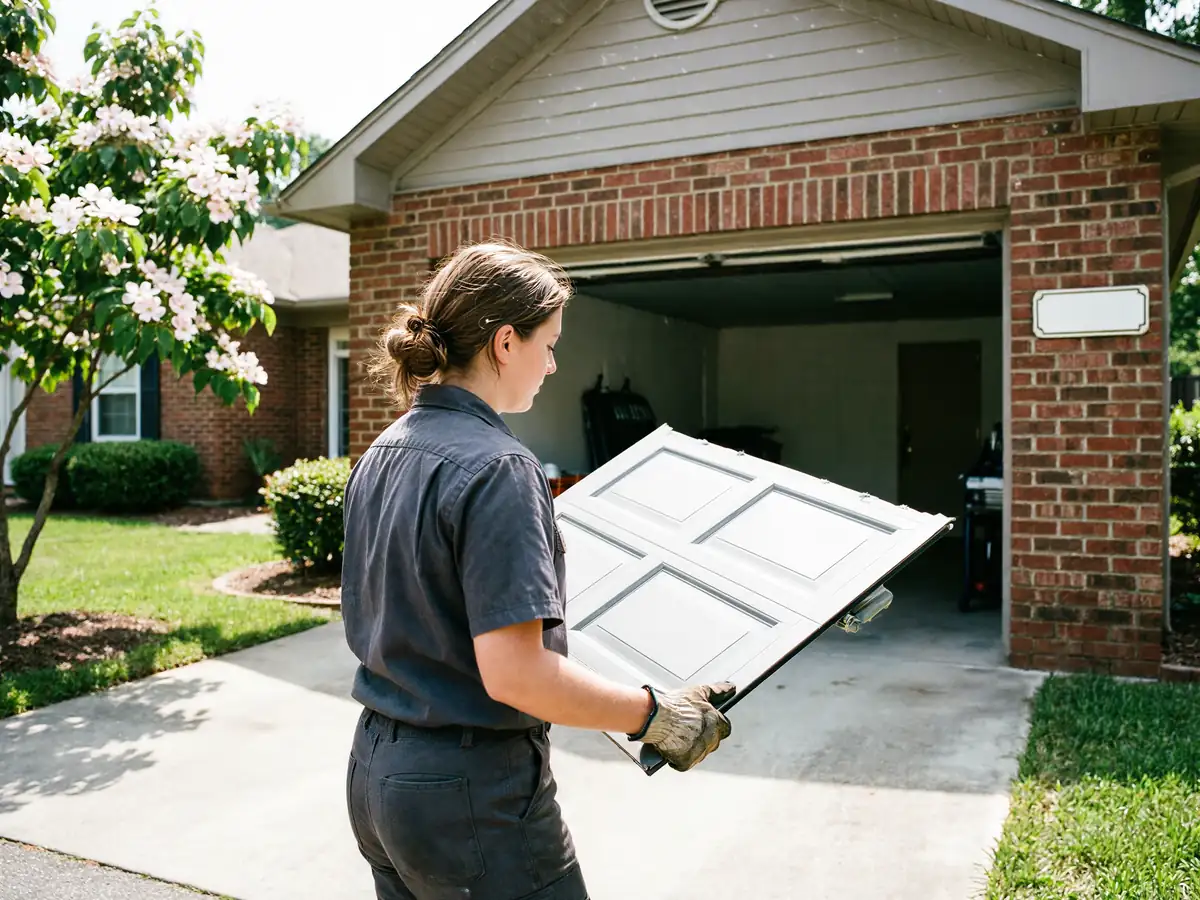
We won't push replacement on a door that still has life in it. If a torsion spring and a set of rollers get you another decade out of a serviceable 1981 door, that's the job we quote. If the opener, the springs, and the track are all original and all near the end, we'll say so plainly rather than stack three repair bills that add up to more than a new door would've cost.
We don't carry a price list here because job cost depends on what's actually failed and what parts the door needs, but the decision point - repair versus replace - comes up more often on houses this age than on newer stock closer to Columbus.
How Long It Takes
Talbotton sits about 30 miles out from Columbus
The longest stretch this company drives for a service call in the area - farther than Phenix City at 3 miles, Smiths Station at 8, or even Hamilton at 18. There's no branch or depot in Talbotton; every truck comes from Columbus, so a same-day call here means building the drive into the schedule rather than fitting it between closer jobs.
That doesn't change what the job itself takes once the truck is on site
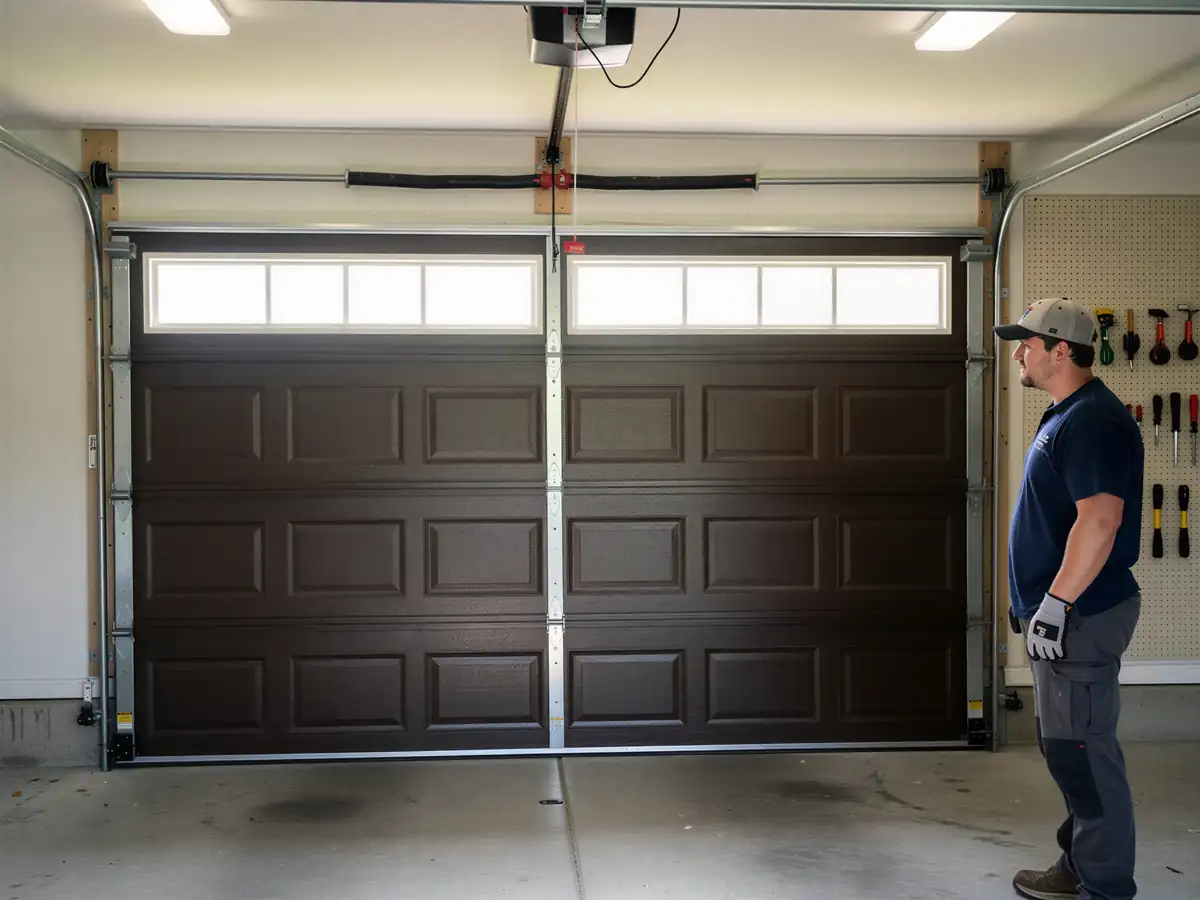
A spring swap is still a spring swap, an opener install is still an opener install - but it does mean booking ahead gets you a tighter window than a last-minute call. If you're on a torsion spring that's visibly stretched or frayed, don't wait for it to fail completely; call while it's still working and we can plan the 30-mile trip around a time that works for you instead of an emergency.
Parts availability is the other variable
A common spring size or a standard roller, we carry. A part specific to an opener model that hasn't been made in years takes longer to source, and that lead time sits on top of the drive, not instead of it.
Why It Happens Here
Talbotton's doors fail the way 1981 construction fails, not the way the newer stock closer to Columbus fails. The service area as a whole runs 1972 through 2011 with a median of 1991, concentrated in two named pockets of 1980s-90s builds. Talbotton sits at the older edge of that range, which means more original hardware, more torsion springs nobody's touched since installation, and more openers running logic boards from an era before most of the diagnostic shortcuts existed.
With roughly 360 households in Talbotton against a service-area total of 862 households and 592 owner-occupied houses, this is a smaller, older pocket inside a larger, newer footprint. Fewer houses means fewer of them get a door swapped out just because a neighbor did theirs - these doors tend to run until something actually breaks, which is part of why original hardware is still common here.
Add the mild-with-some-freeze climate and you get slow, steady wear rather than sudden damage: dried seals, stiffened hinges, springs that fatigue rather than snap outright, right up until the morning one of them does.