What Is on the Truck
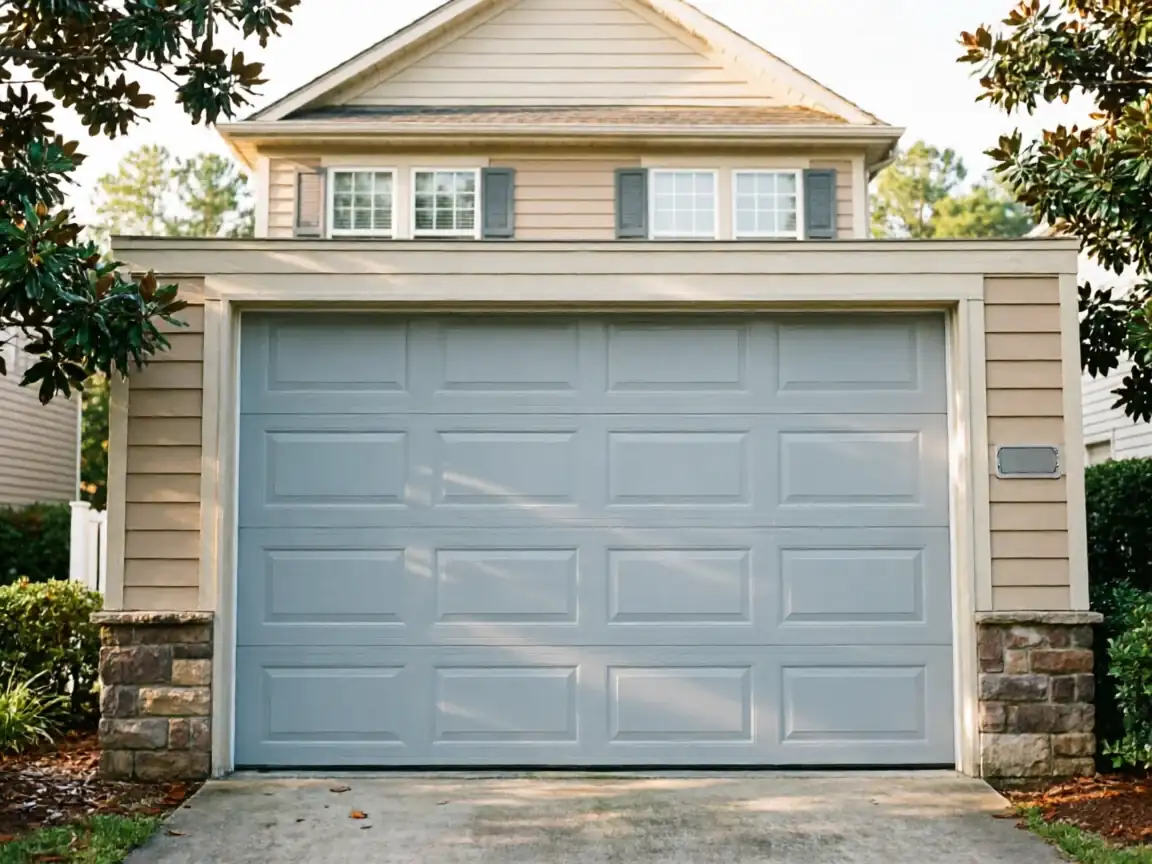
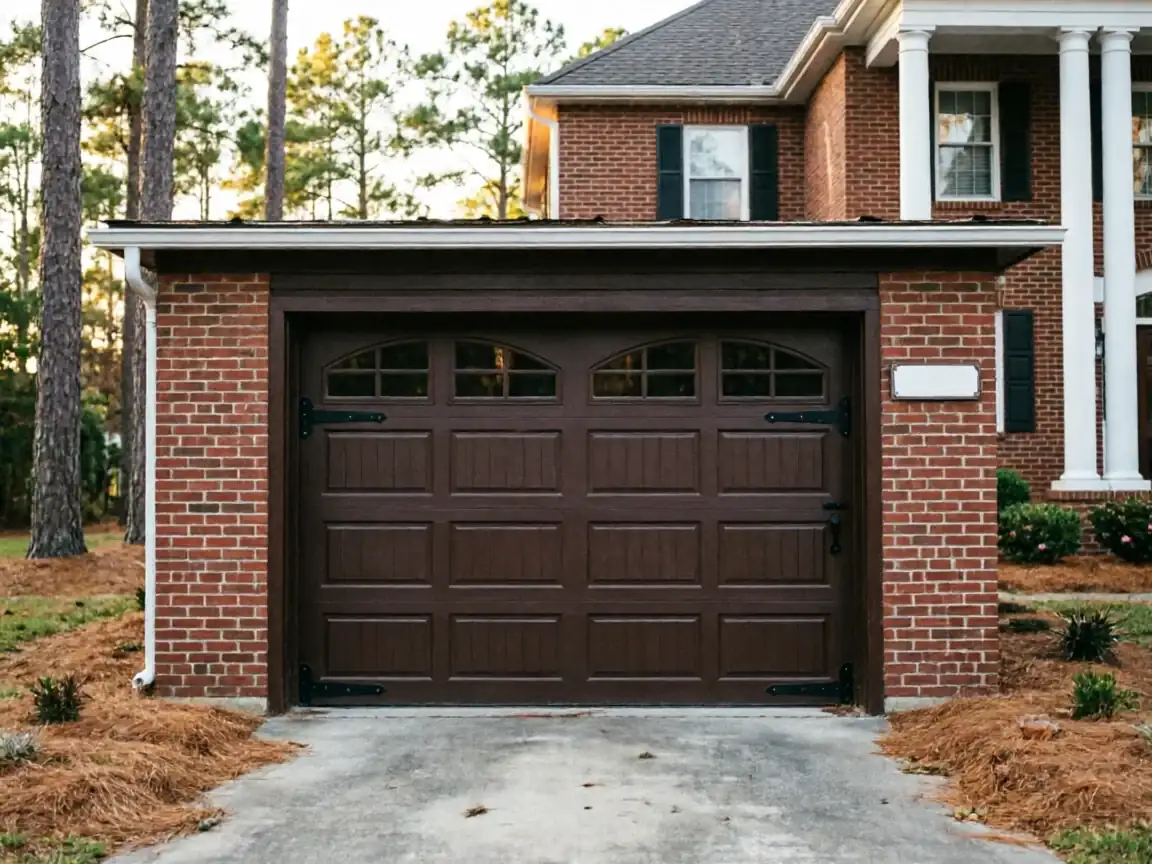
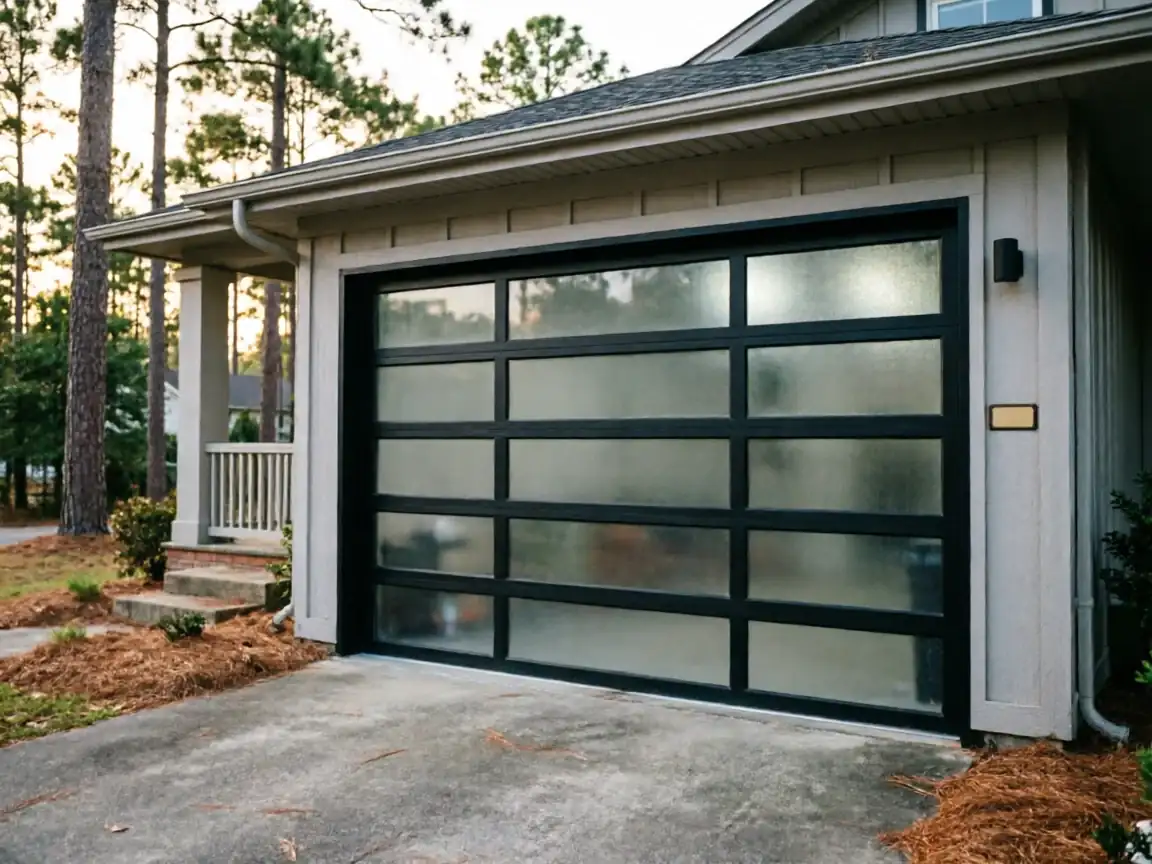
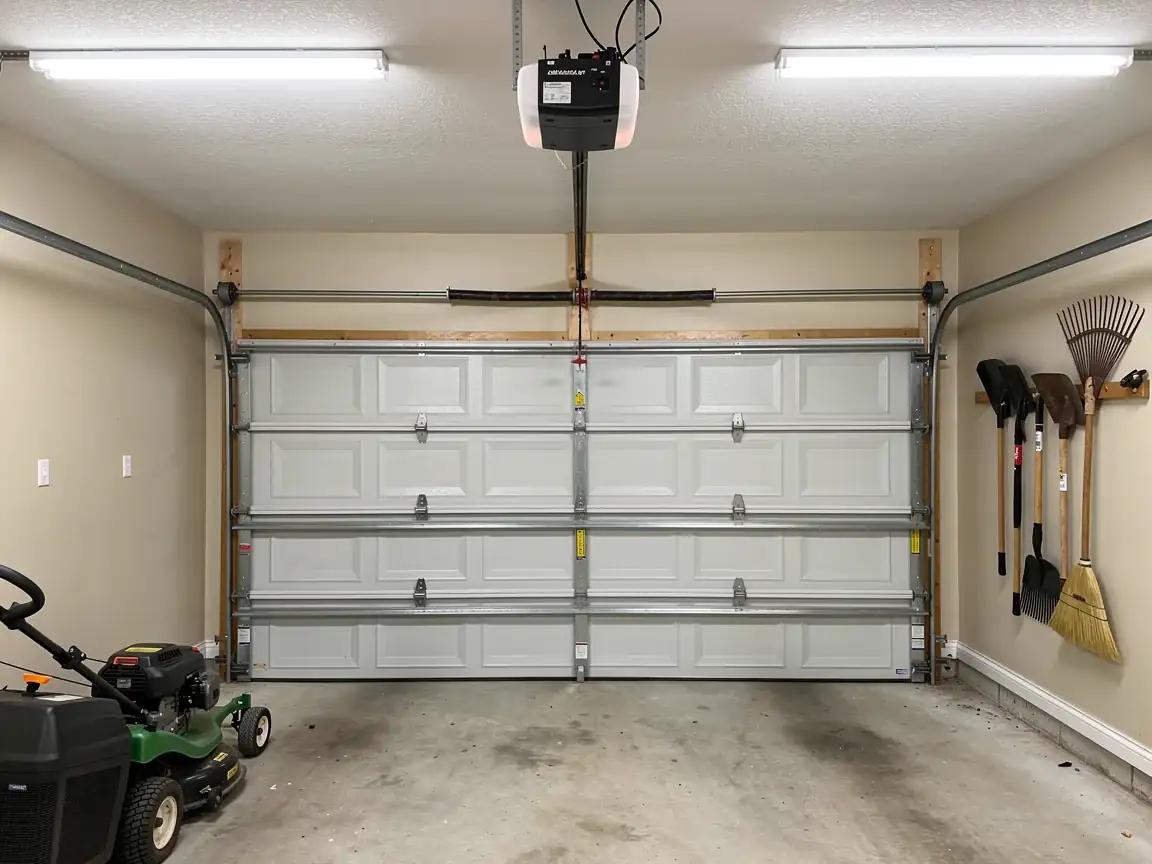
Waverly Hall is a small town - 277 households, by the numbers we work from - so we don't load the truck the same way we would for a bigger pocket of the service area. We bring standard 16x7 and 9x7 sections, torsion springs sized for the lighter steel doors common on homes built in this era, and weatherstrip kits sized for openings that haven't been touched since the original install. We don't stock oversized custom doors on the truck; those get special-ordered after we measure. Because Waverly Hall sits 15 miles out from the Columbus shop, we try to load for the full job on the first trip rather than run back for a part. That means confirming opener compatibility and track length before we leave, not guessing once we're there. If a homeowner wants a window-paneled or carriage-style door, we bring samples and photos rather than the actual unit - those are built to order and we won't pretend otherwise.
The Cost of This Job
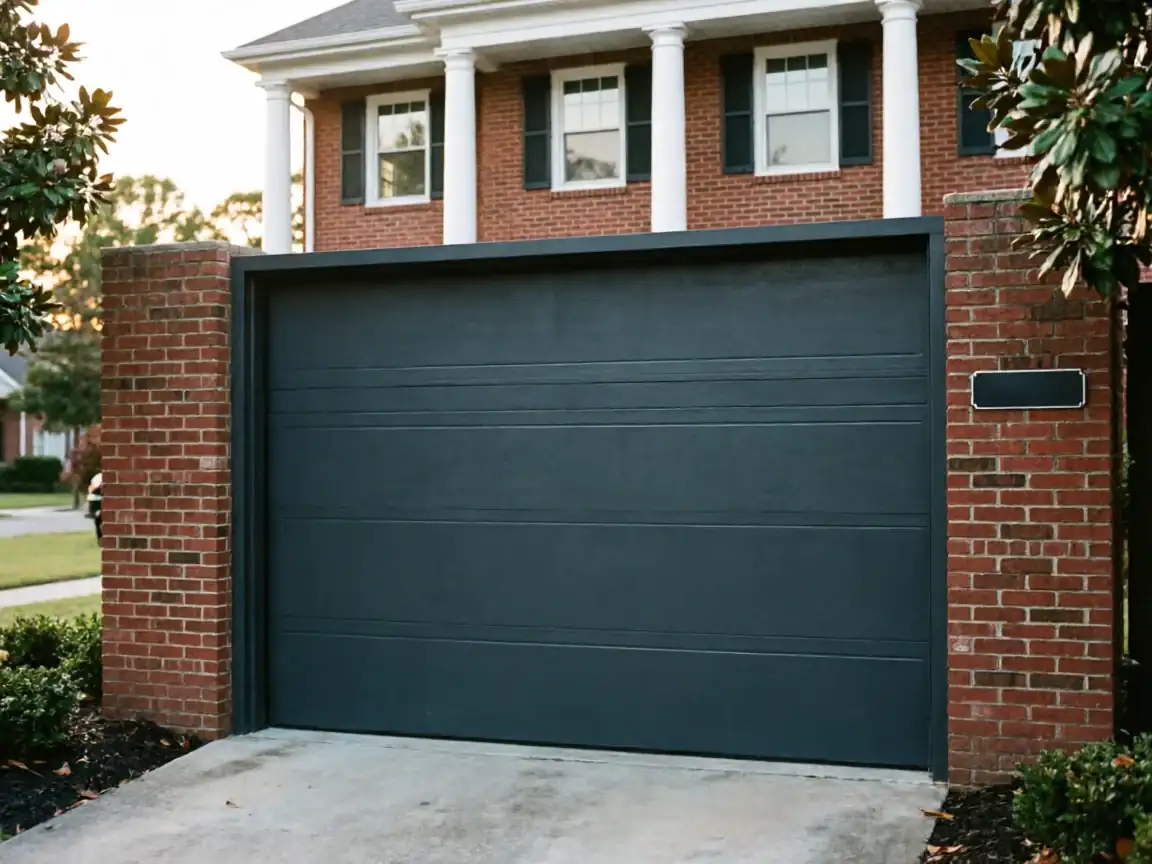
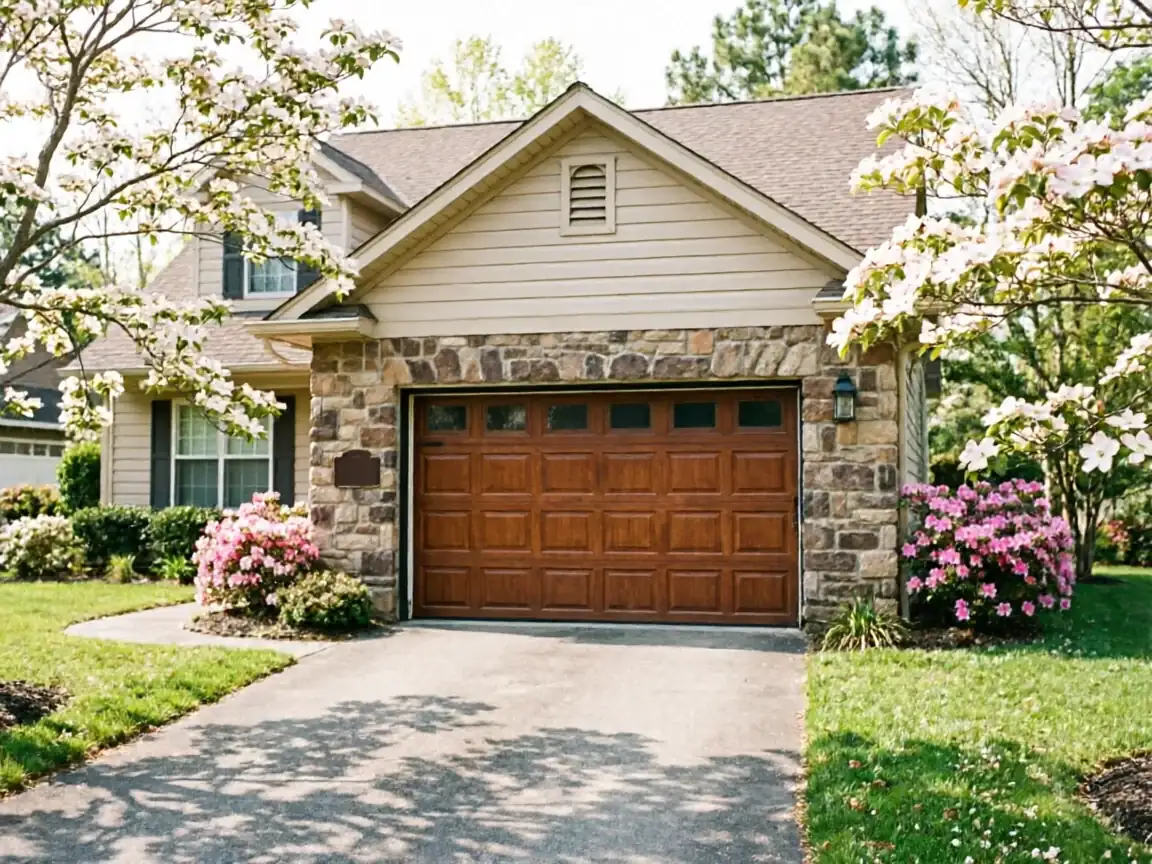
We don't publish a flat number for installation because door size, insulation level, and opener choice move the price more than location does. What we can say is that household income in Waverly Hall runs lower than the service area's broader median - $46,806 against $73,654 across the territory - and that shapes which doors we quote first. We lead with steel non-insulated and single-layer insulated options before we bring up higher-end composite or custom wood-look doors, simply because that's what fits the budget most people here are working with. If someone wants a premium door, we'll build the quote for it; we just don't assume it's the first thing to show. The honest limitation here: we don't finance in-house, so bigger jobs need to be paid for the way the homeowner can pay for them, not the way we'd prefer.
What You Are Seeing
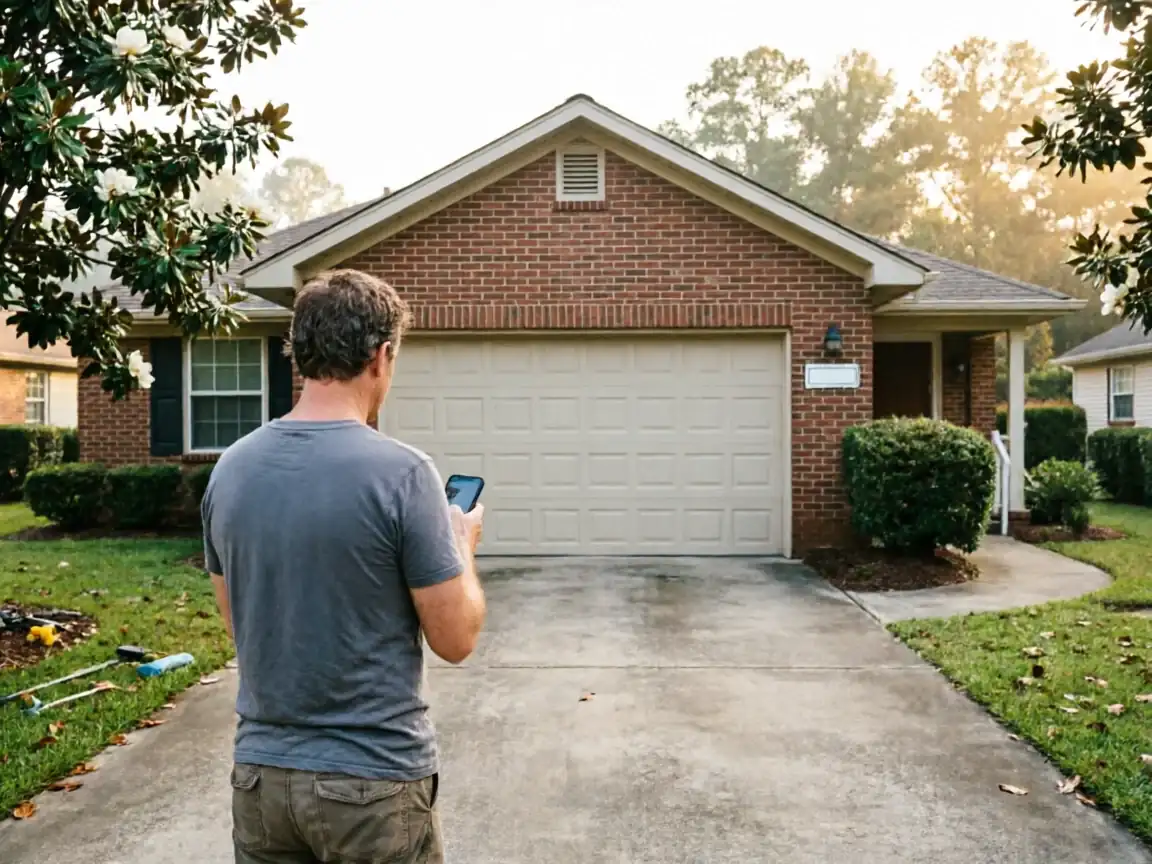
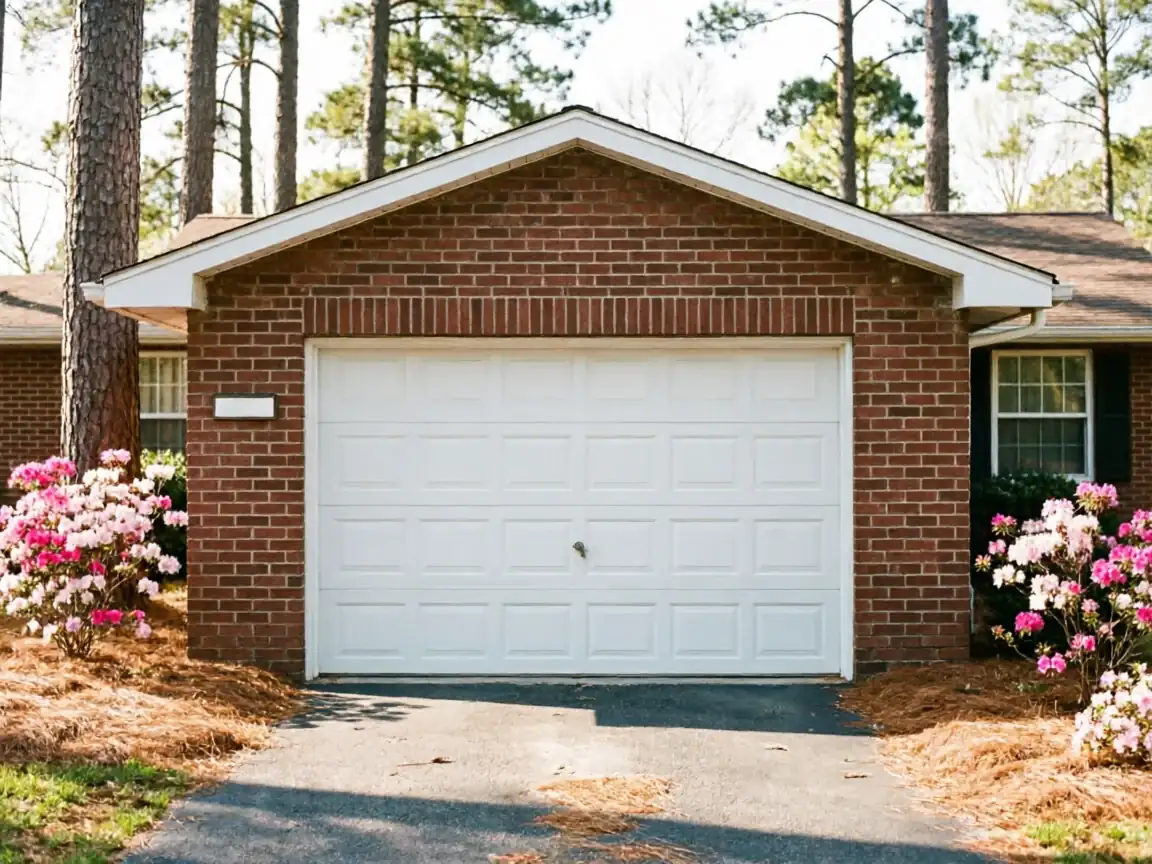
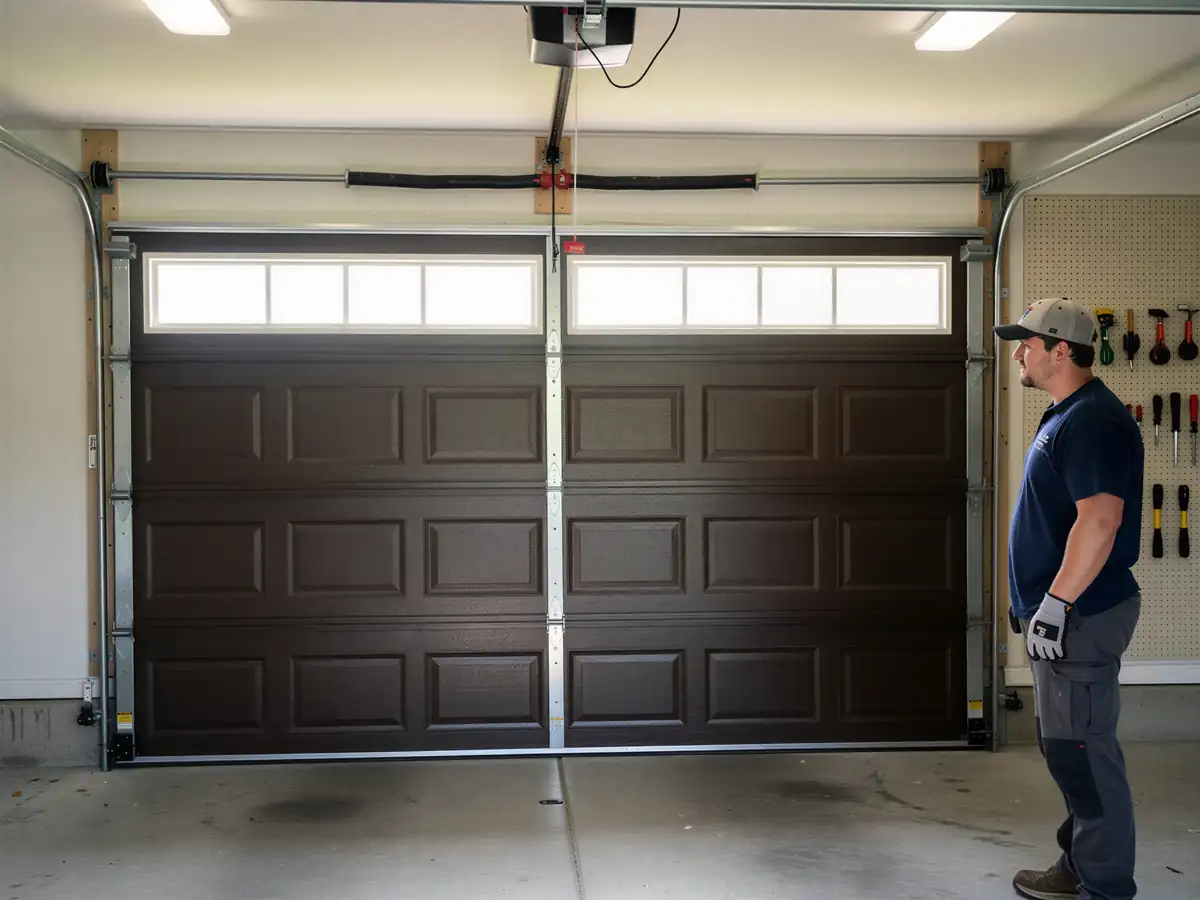
The median home in Waverly Hall went up around 1972, a couple decades ahead of the 1991 median for the rest of our service area. That matters because a 1972 garage opening was almost never built for an insulated sectional door - it was framed for a lighter single-panel or an early steel sectional on hardware that's long since stopped being made. When we get called out here, we're as often replacing the whole door-and-track assembly as we are swapping a single door onto existing rails, because the rails themselves are undersized or rusted through. Our climate band runs mild with occasional freeze nights, so the failure we see isn't ice-jammed tracks - it's old steel that's thinned out and warped from decades of humidity and temperature swing, with seals that gave up years ago.
How We Fix It
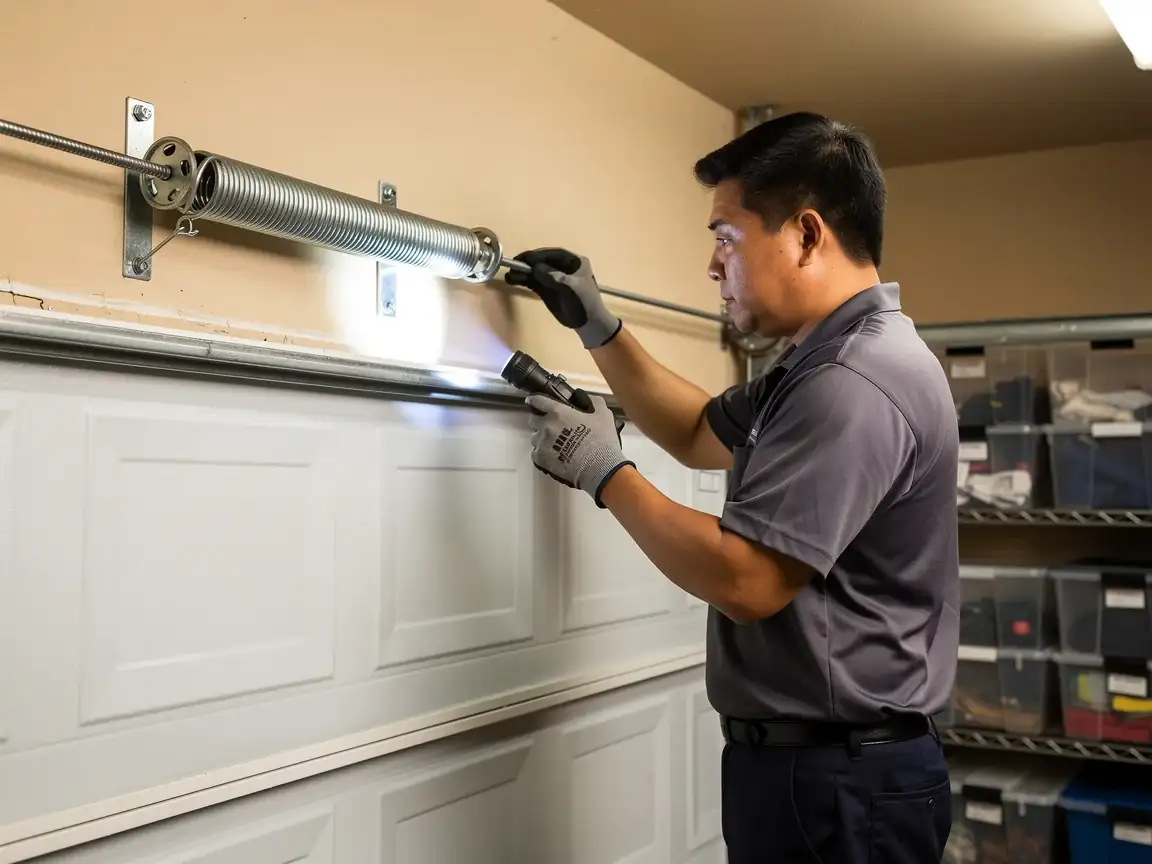
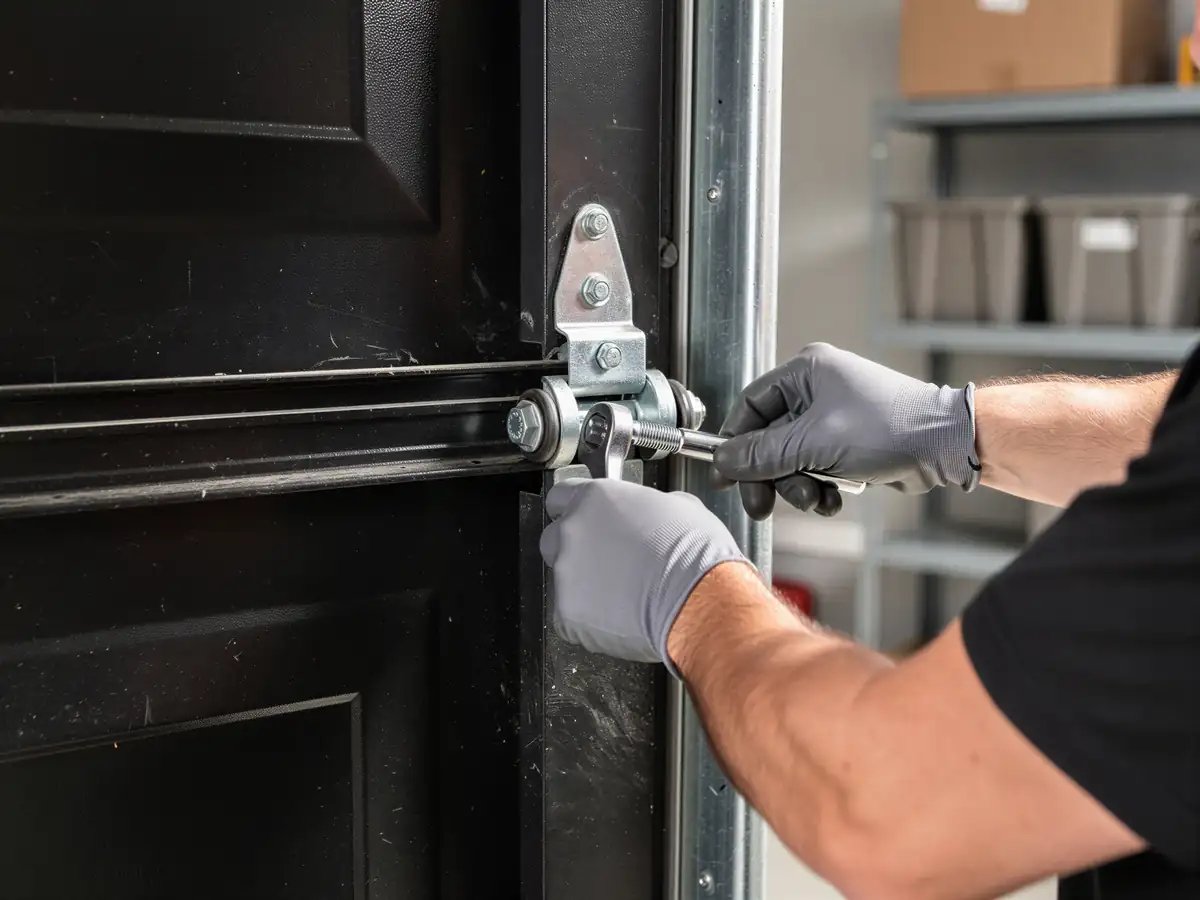
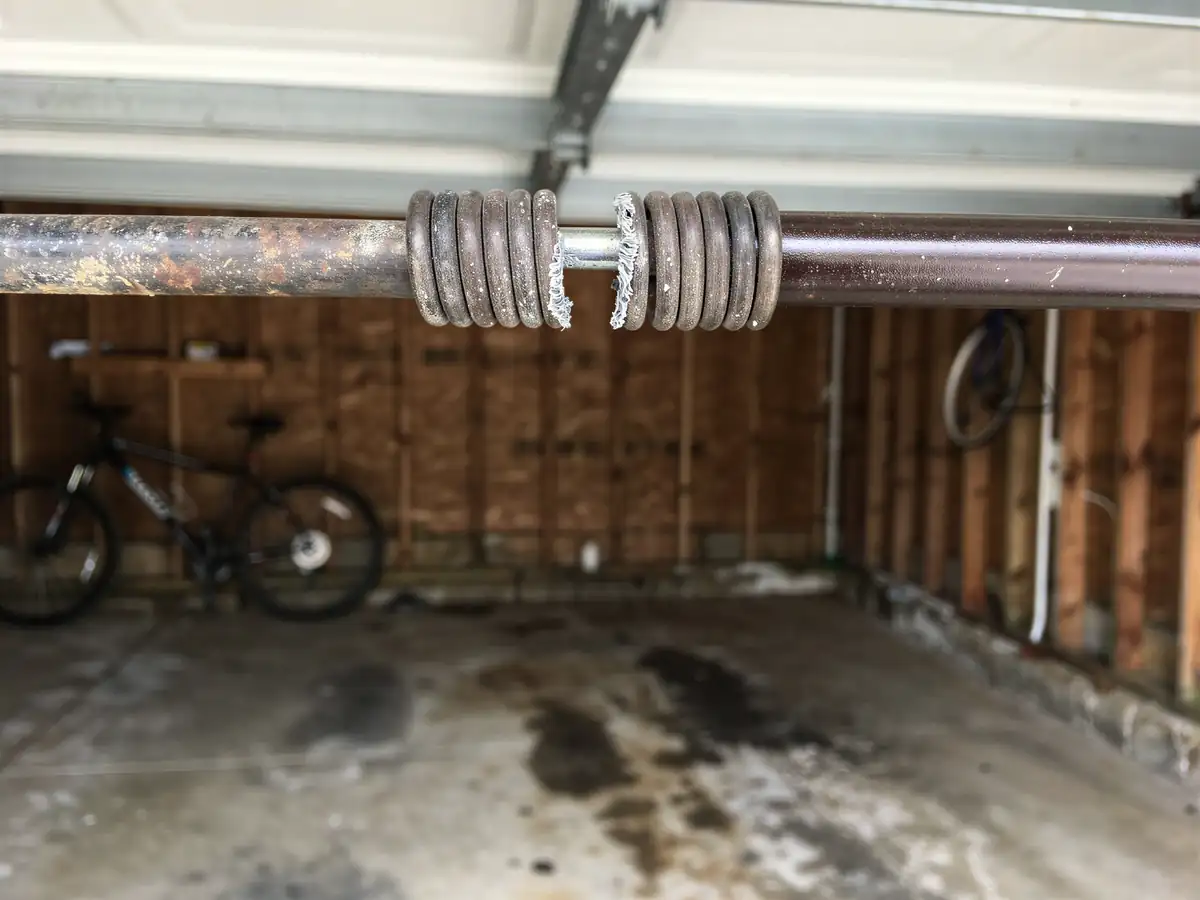
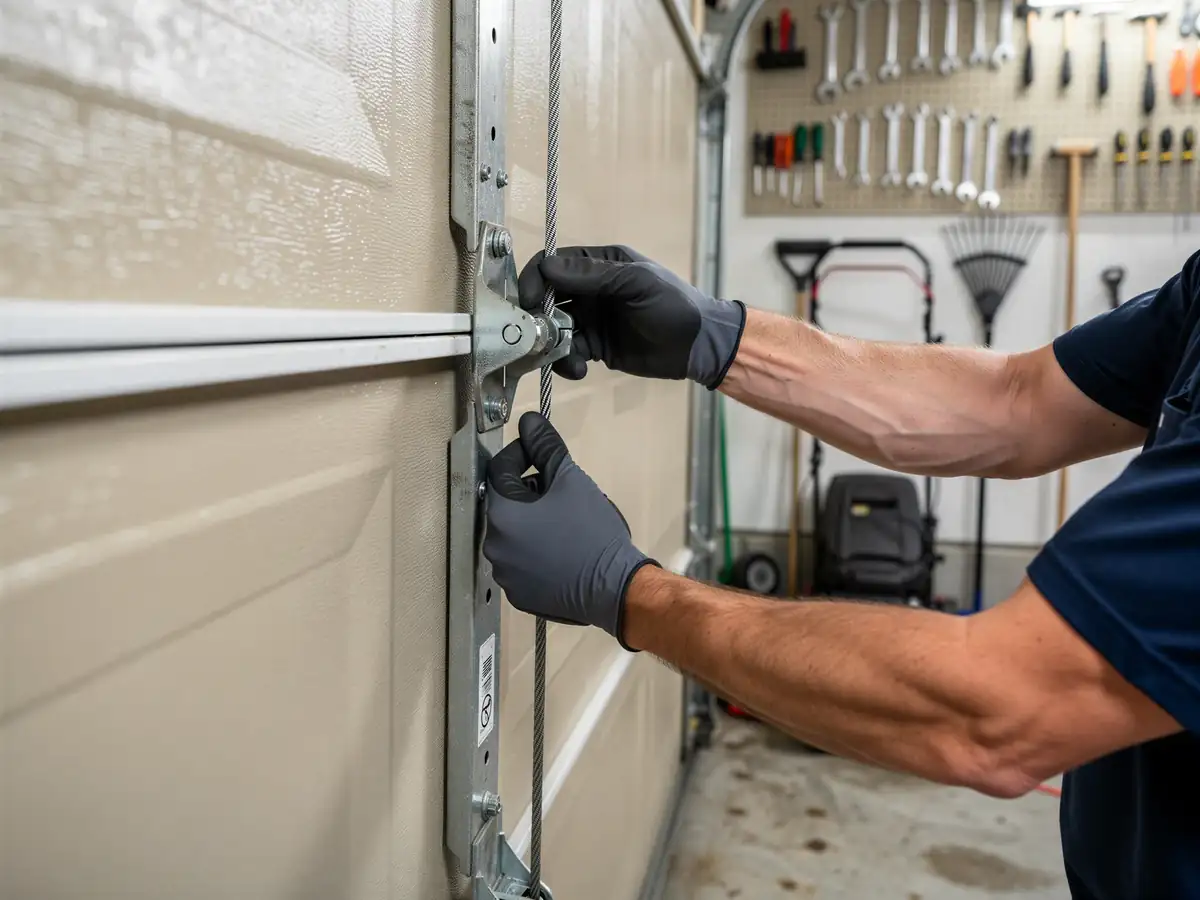
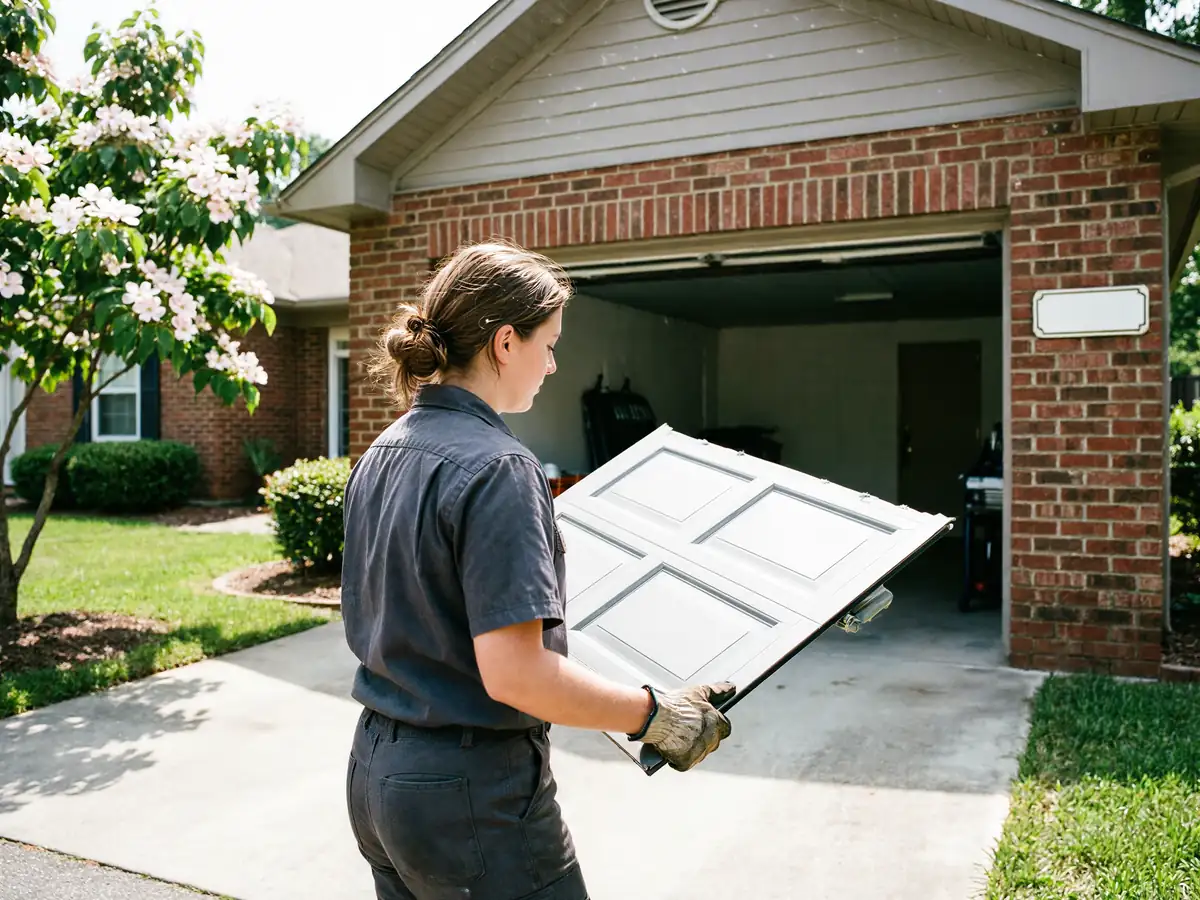
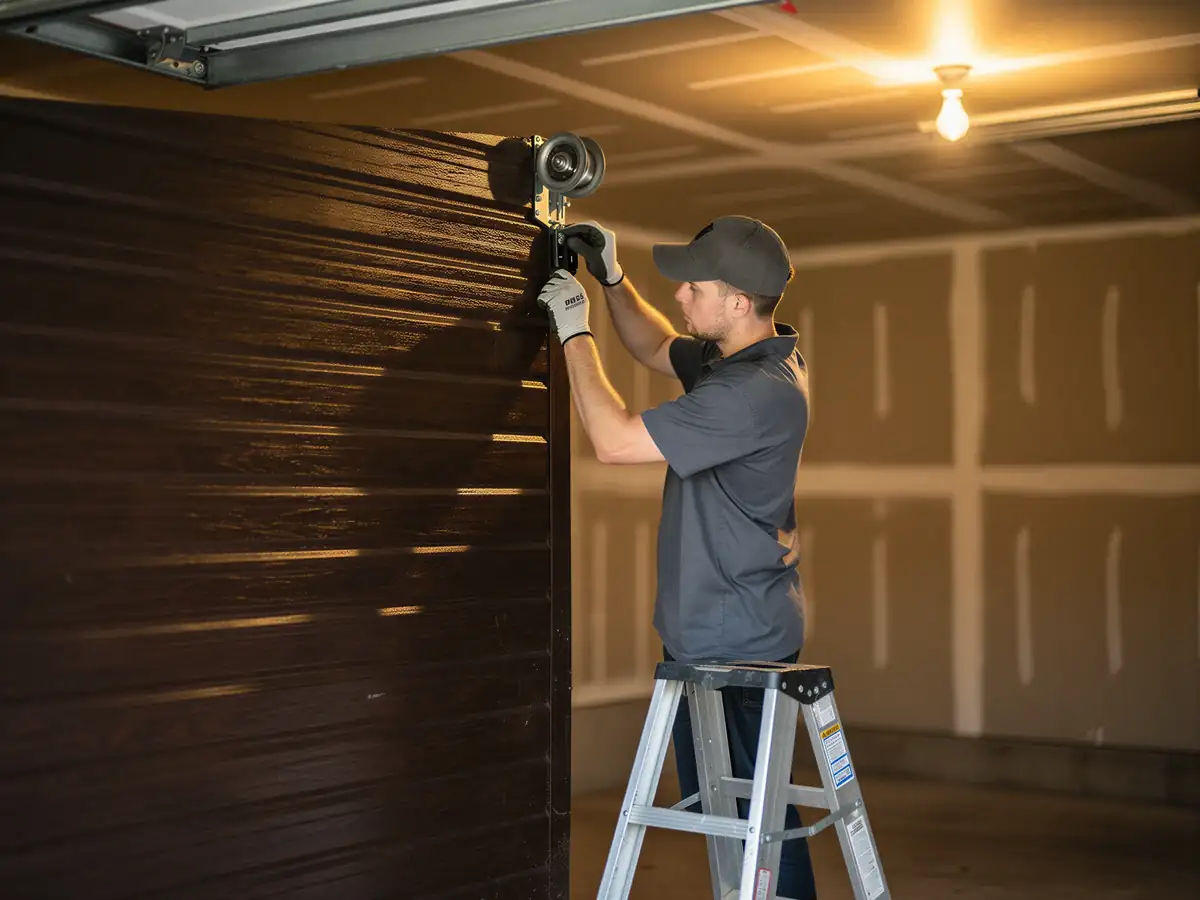
For a straight install on an opening that's still square, we pull the old door and track as one unit, check the header and jambs for rot before anything new goes up, and set new galvanized track sized to the door we're installing - not whatever was there. If the opening has shifted or the framing's out of square, which happens more in houses this age, we shim and reframe before the door goes in rather than force a fit. We size the torsion spring to the actual door weight, not a generic chart number, because a door that's close on weight but wrong on balance wears the opener out fast. Insulated doors get a run of new weatherstrip top and sides as part of the job, not an upsell - on a 1972 opening it's rarely optional.