What Is on the Truck
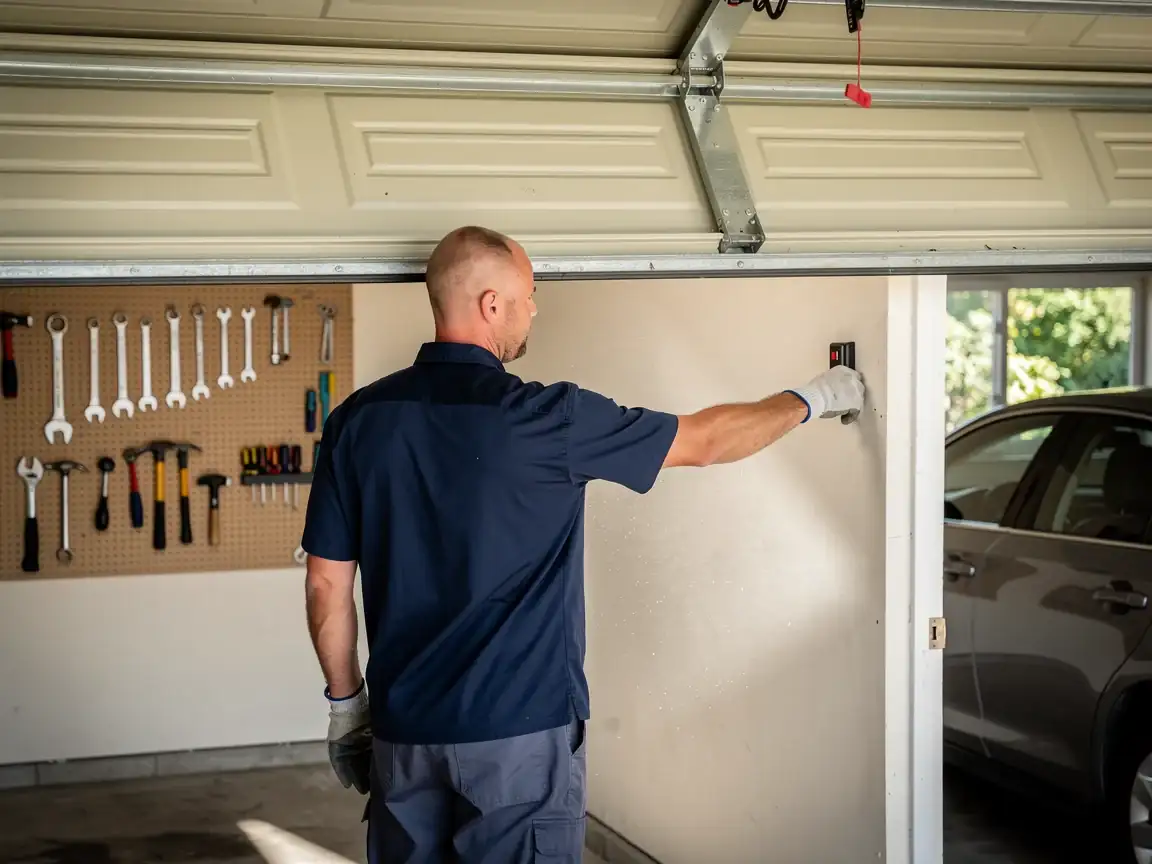
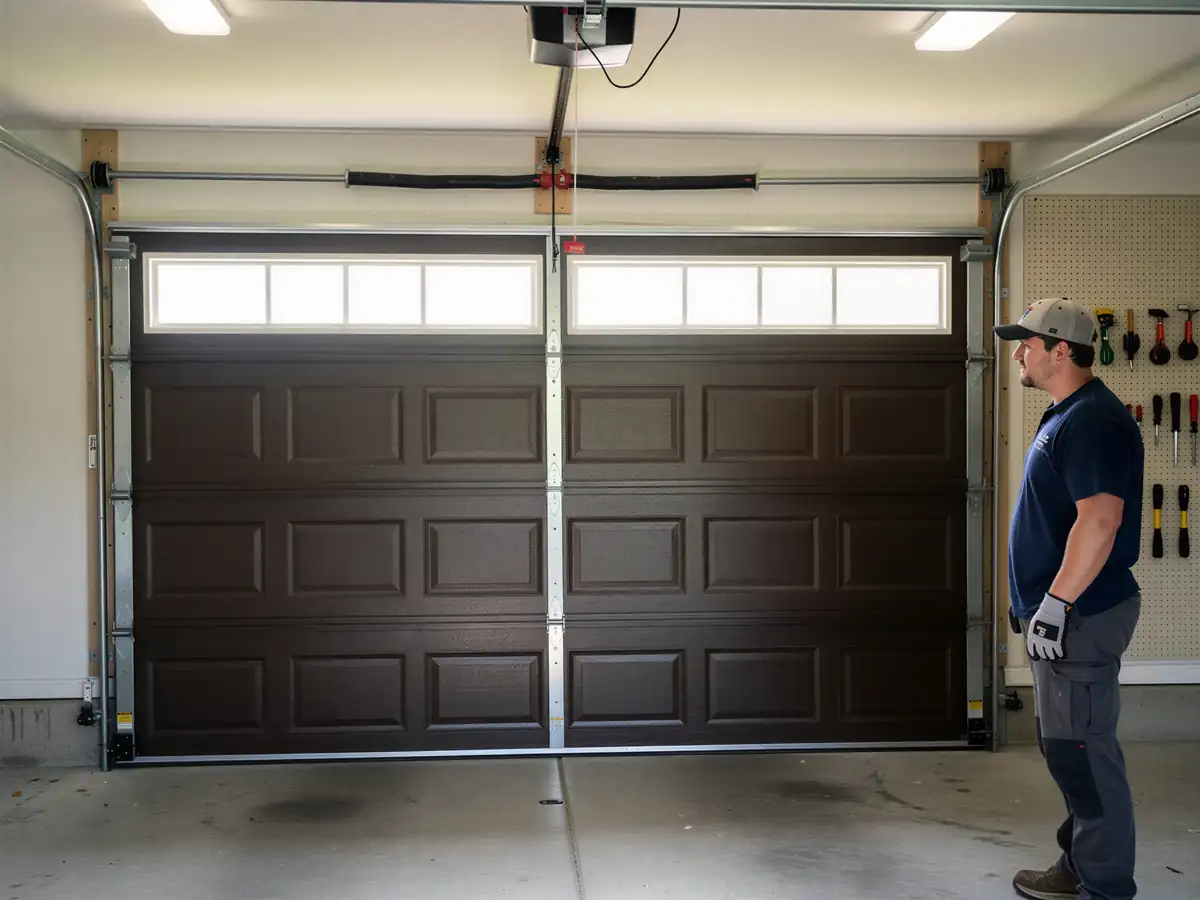
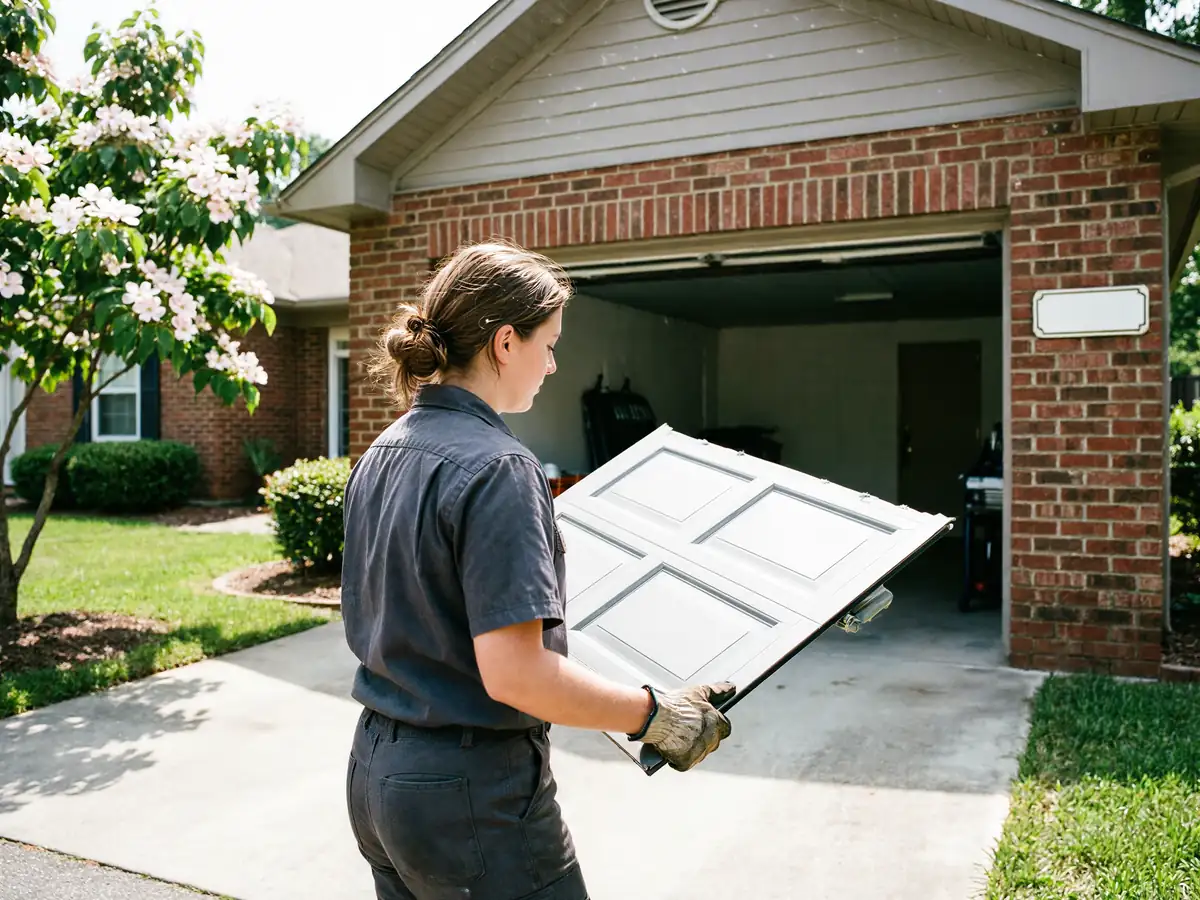
For a Waverly Hall panel job we load a run of standard steel sections in the common widths plus end stile hardware, since a lot of doors out this way are old enough that the exact factory profile isn't sold anymore. We bring a hinge and roller assortment, not just one size, because a door built around 1972 was likely rehung with mismatched hardware somewhere along the way. We also carry touch-up paint in a few common steel-door colors, since a single replaced panel on a 50-year-old door almost never matches without it. What we don't load for every job is a full replacement door - that's a separate call, and we'll tell you honestly if a panel swap isn't worth doing versus just replacing the whole door. We travel the 15 miles out from Columbus with what a panel job needs, not a showroom's worth of stock, so if your door needs a size or style we don't carry on the truck, we'll quote it and come back with the right part rather than guess.
The Cost of This Job
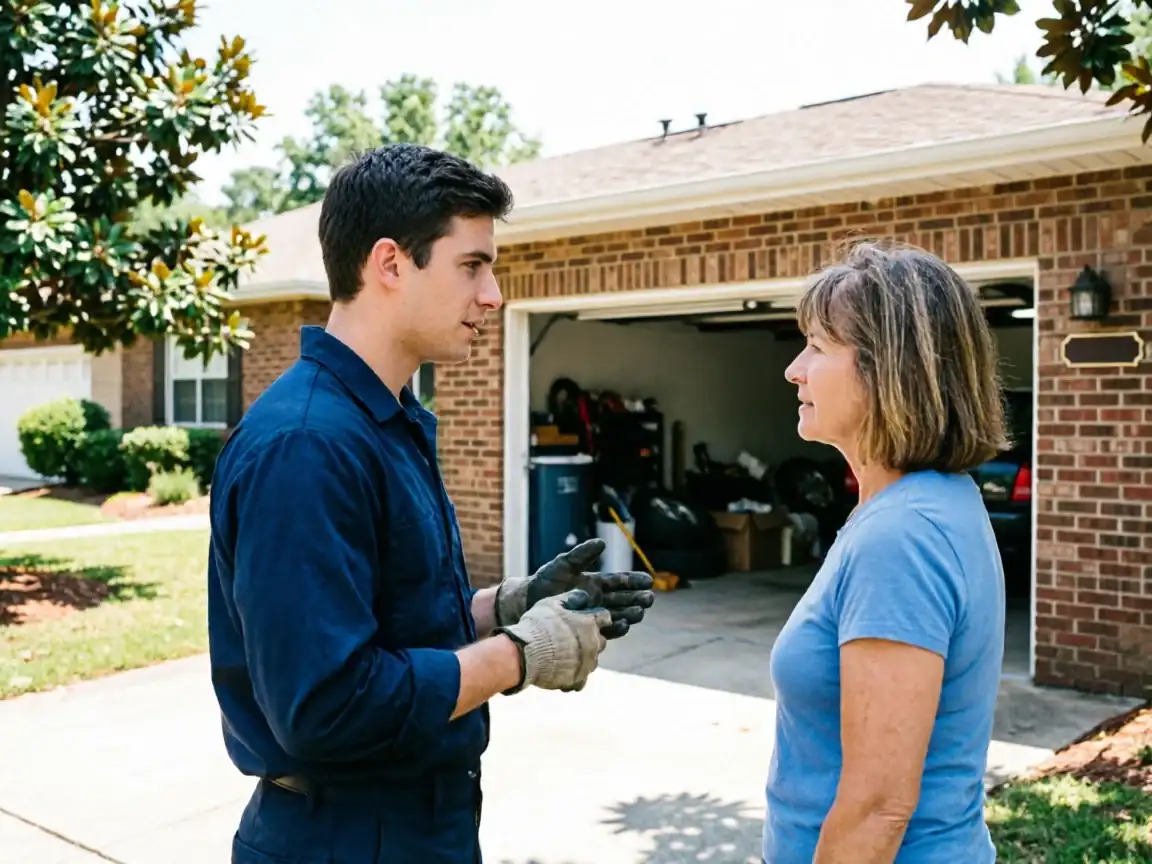
Panel replacement pricing in Waverly Hall comes down to how many sections are damaged and whether the matching hardware is still a stock item or something we have to source for an older door. With median household income here at $46,806, we quote the job plainly before any work starts - one panel versus a full run of sections is a real difference in the bill, and we'd rather you know that number walking in than get surprised walking out. A door built in the early 1970s sometimes needs a wider hardware swap than the panel itself, and that adds to the cost; we'll flag that during the estimate, not after. We don't publish a flat number here because panel count and hardware condition change it too much to be honest about a single price.
What You Are Seeing
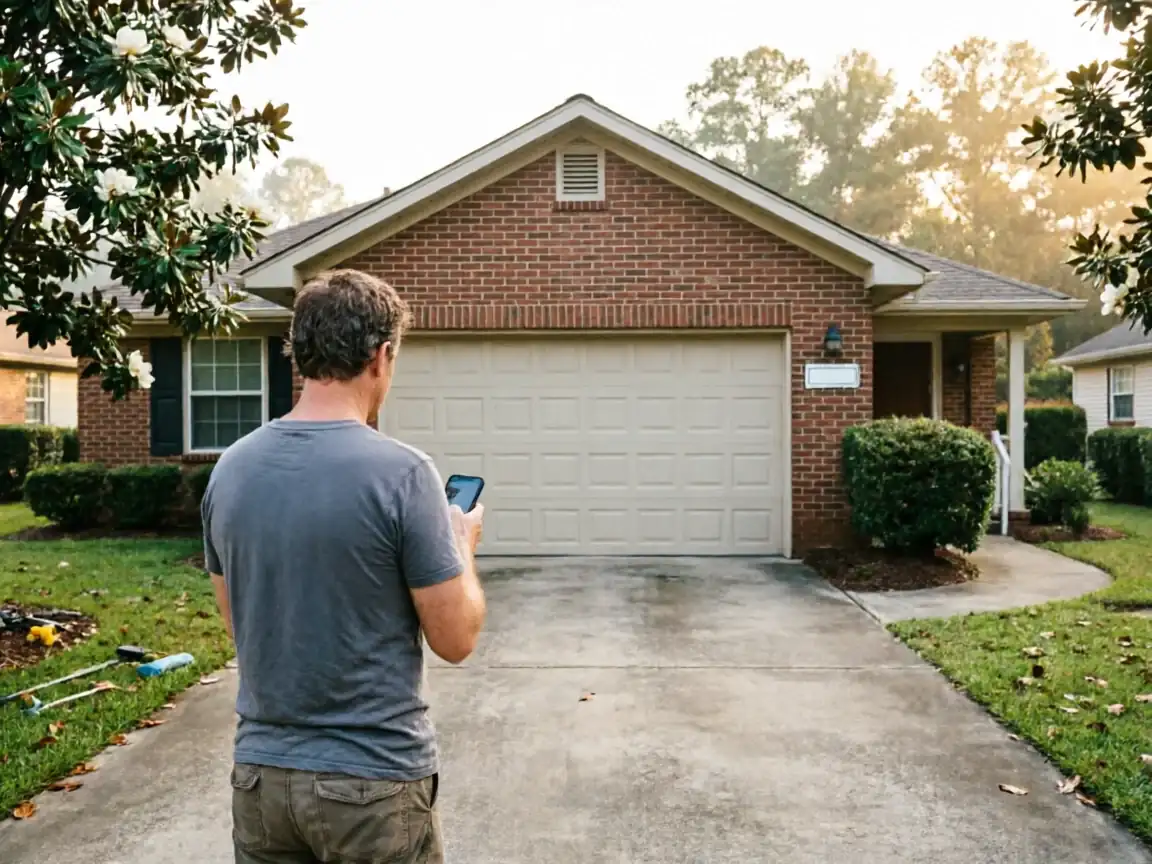
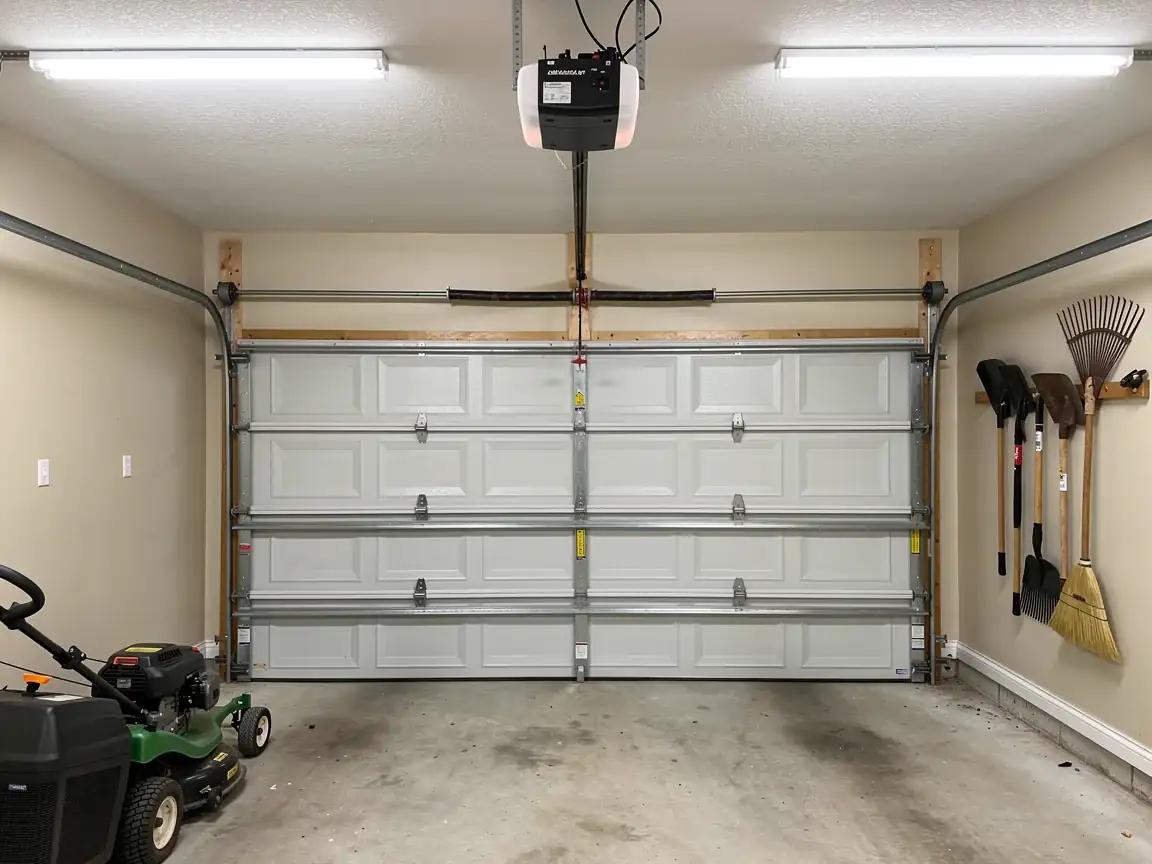
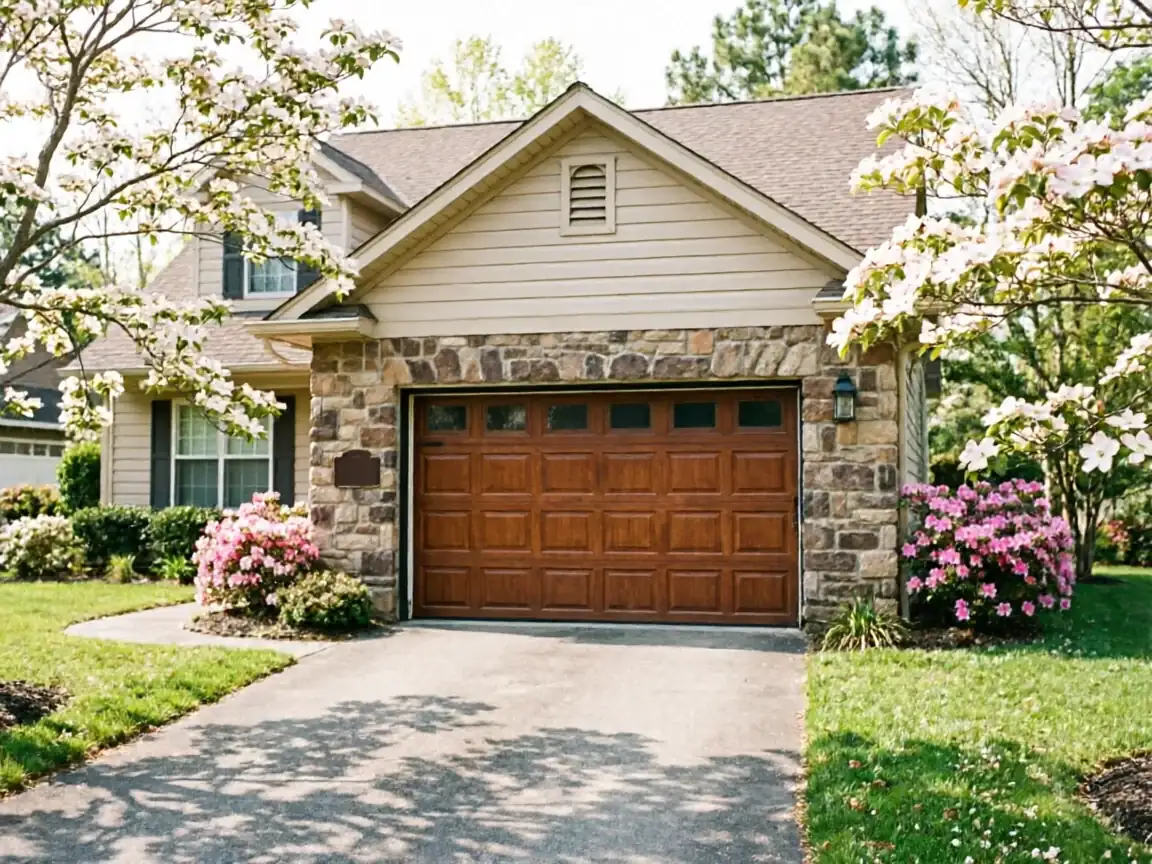
Waverly Hall's housing stock runs older than a lot of the newer construction closer to Columbus - homes here cluster around a 1972 build year, which puts a good share of garage doors at or past the age where steel panels start denting, rusting at the bottom section, or cracking along seams that were never meant to flex for five decades. A dent from a car bumper or a trailer hitch on one of these older doors usually isn't cosmetic - the panel's steel gauge from that era is thinner than what's sold today, so a hit that would just scuff a newer door can buckle a section clean through. Bottom panels take the worst of it too, since mild winters with occasional freezes still mean seasonal moisture sitting at ground level, and rust works faster on an original 1970s-era panel than on anything made in the last twenty years. If you're seeing a bowed section, flaking paint along a seam, or a hinge pulling loose from thinned steel, that's panel failure, not a cosmetic issue to put off.
How We Fix It
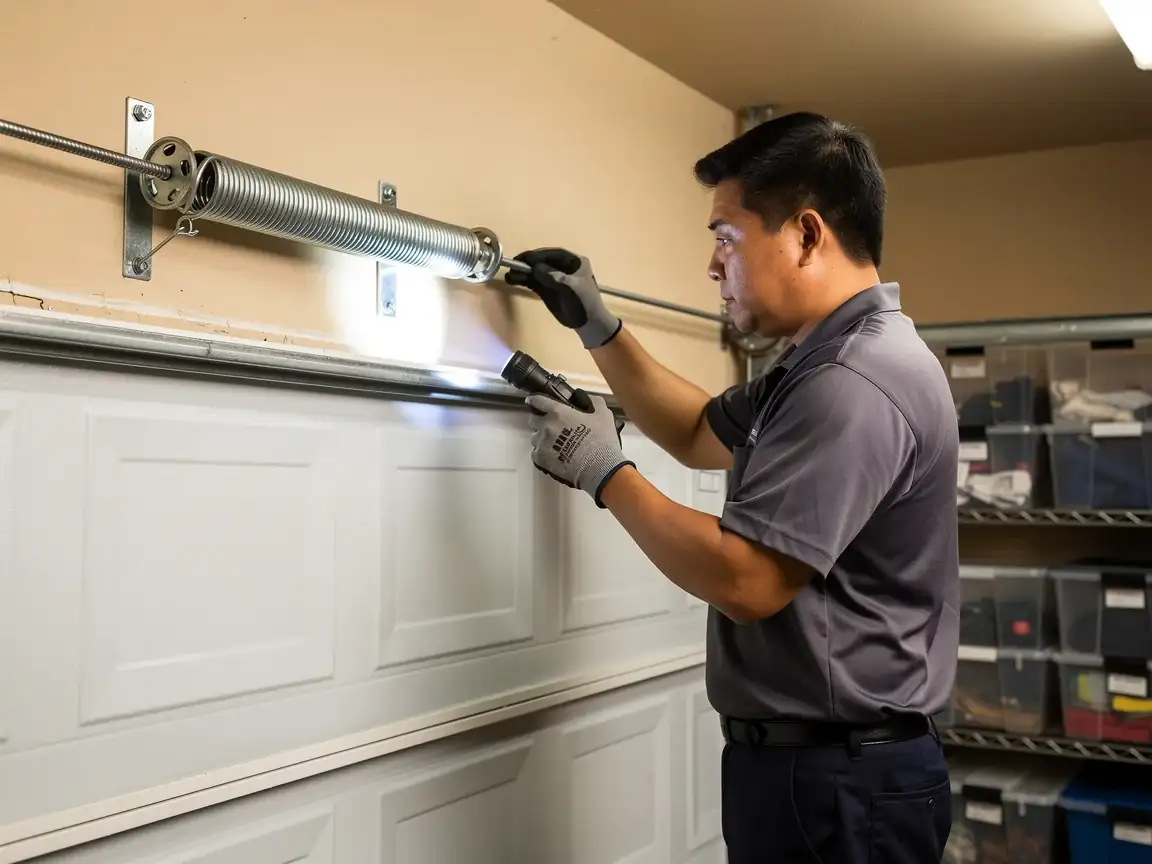
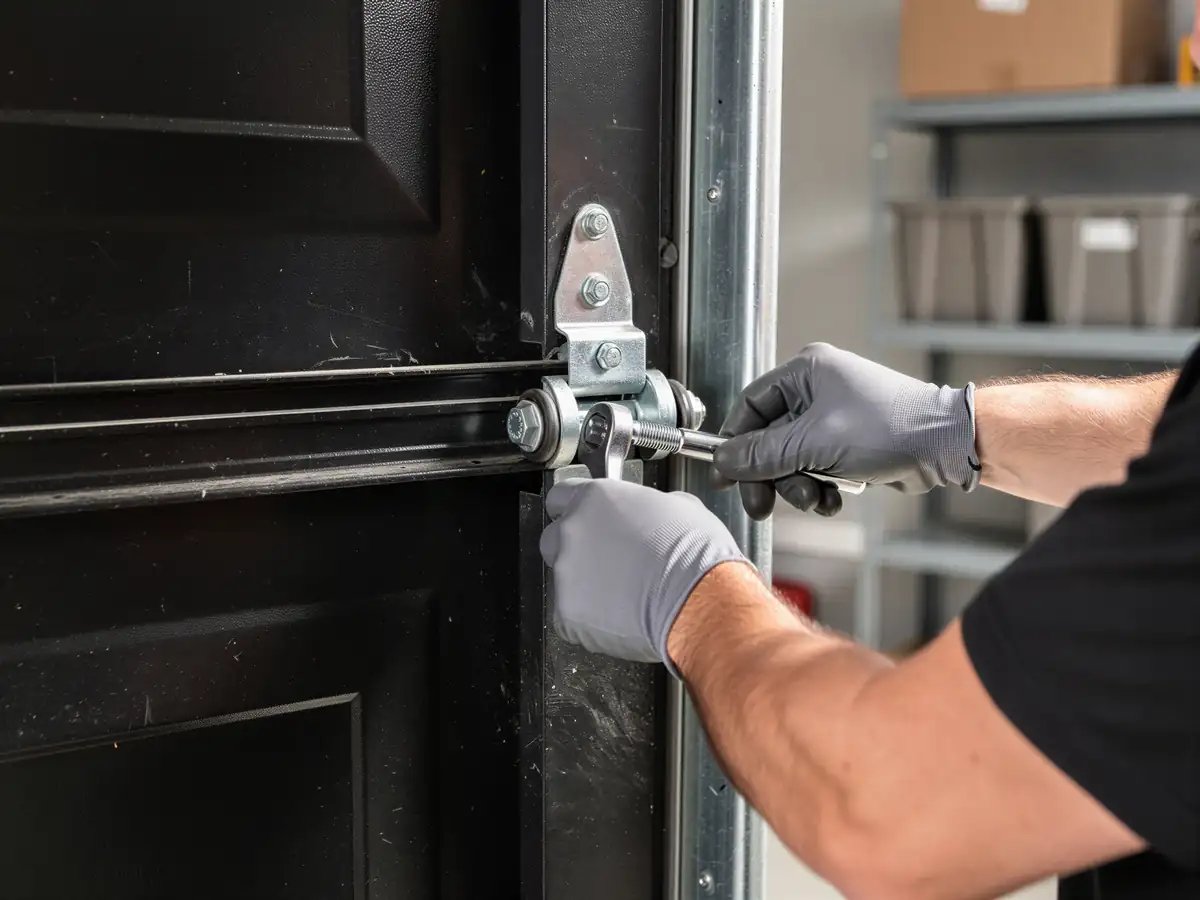
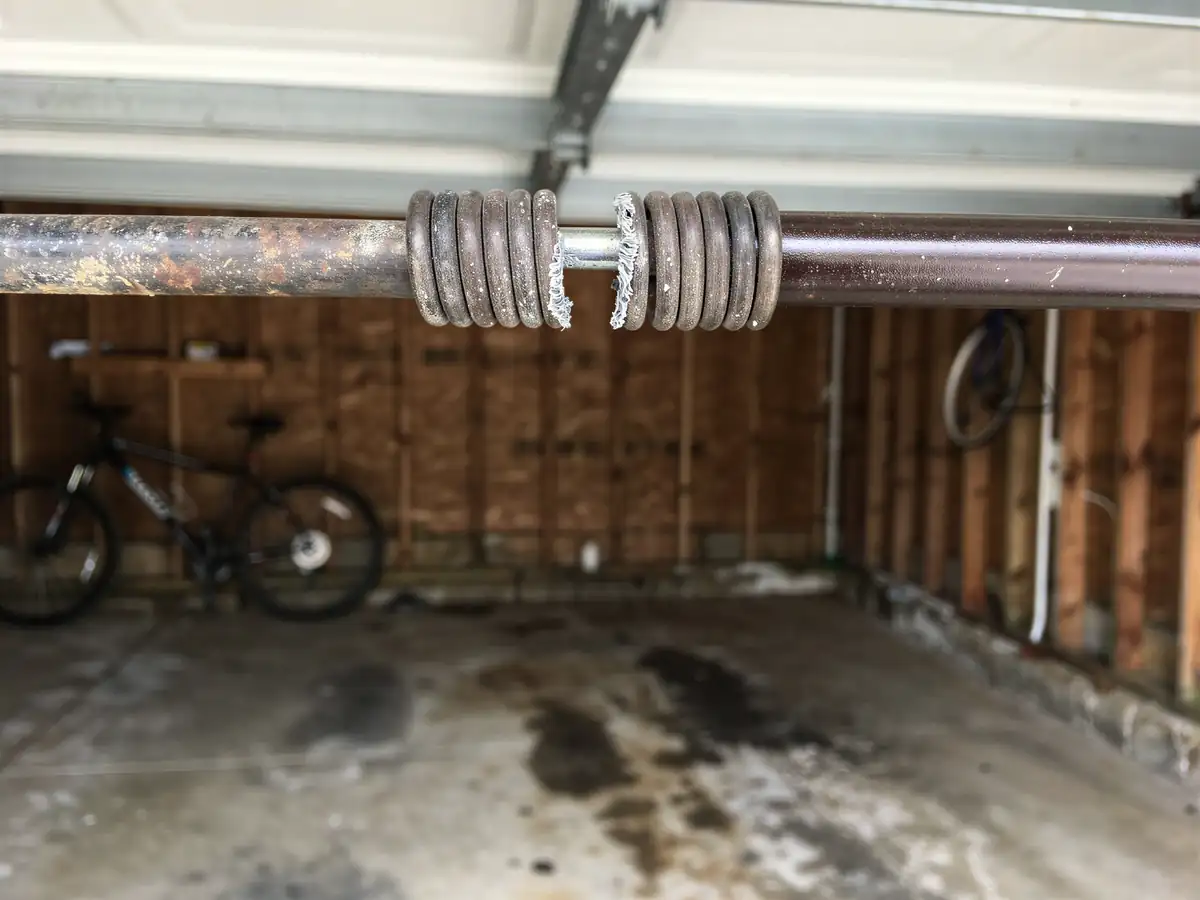
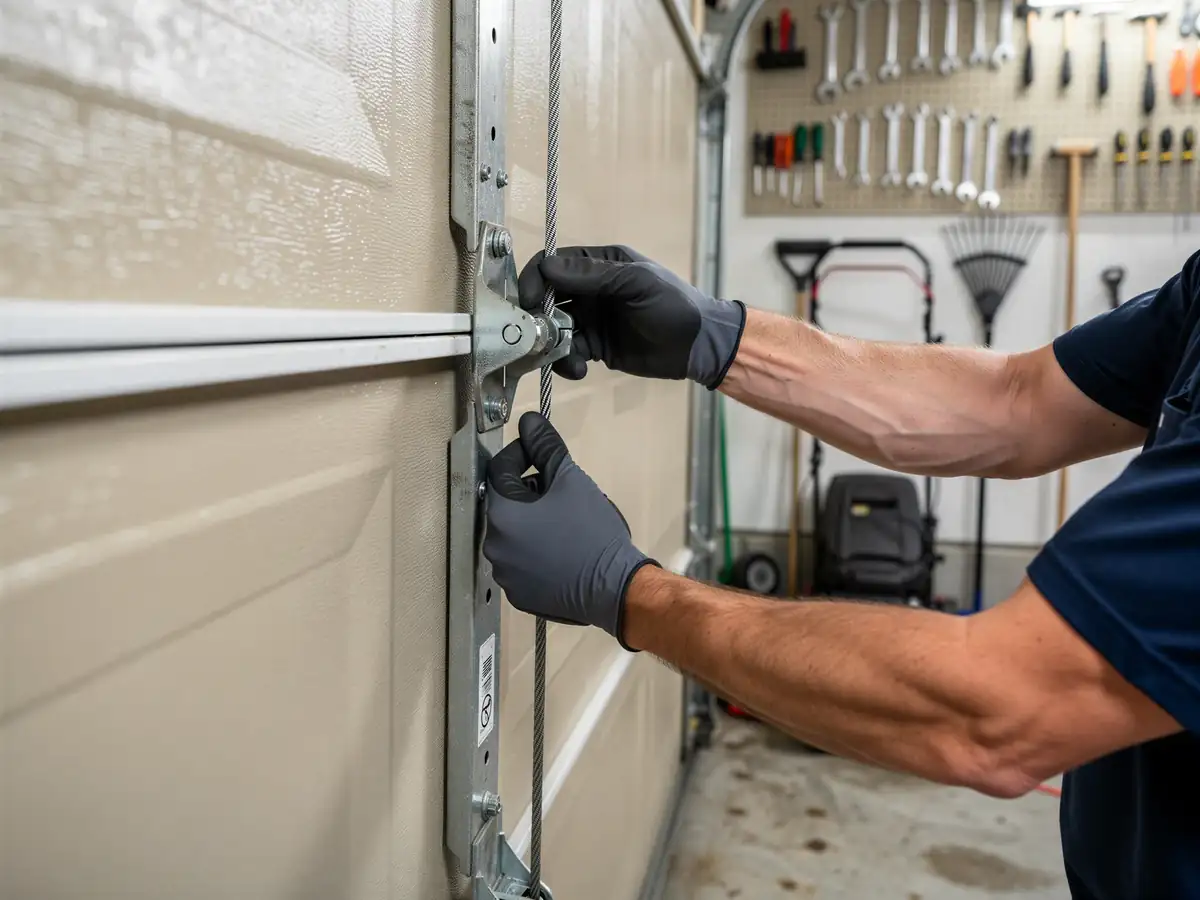
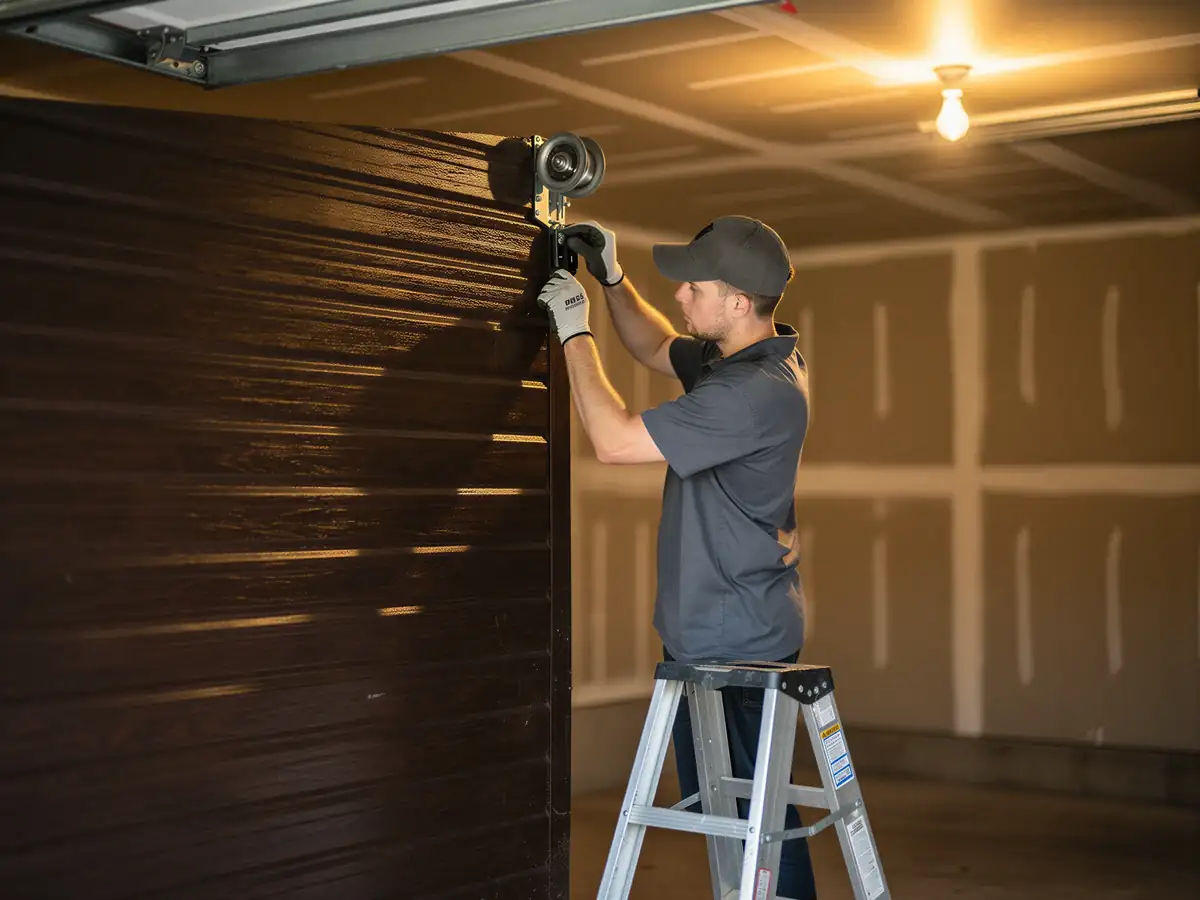
We pull the damaged section, match it to stock steel panels where the profile is still common, and rehang with hinges and rollers rated for the door's actual weight rather than whatever's left over from the original installation. On an early-1970s door, we check the remaining sections for the same thinning and rust before we close the job, because replacing one panel next to three that are about to go the same way isn't a fix we'll sign off on without telling you. If the hardware bolt pattern from that era doesn't match current stock - which happens more on older doors than people expect - we source the right bracket rather than force a fit. The whole job gets a torsion spring and track check at the end, since a panel swap on an older door sometimes exposes a spring that was already near the end of its life.