What Is on the Truck
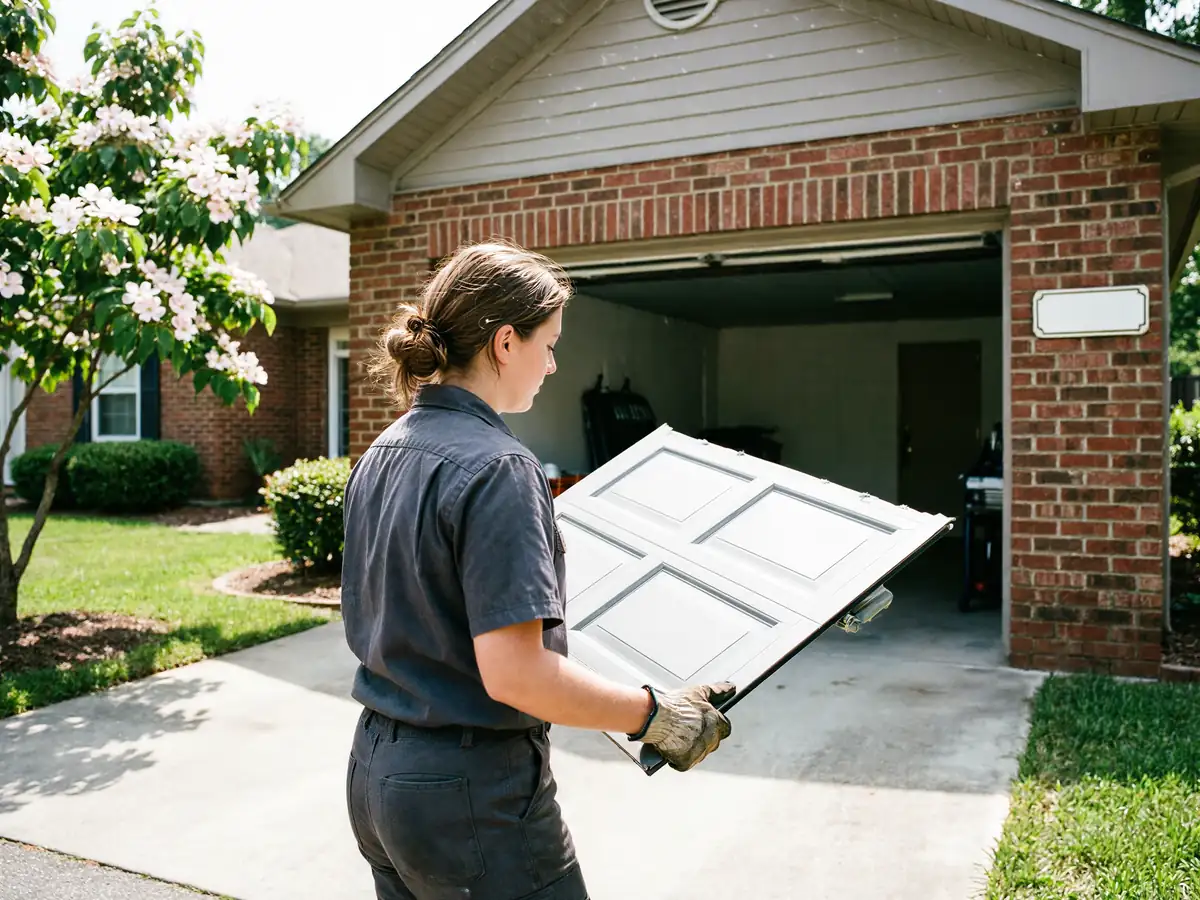
Most houses in Waverly Hall went up around 1972, close to the early edge of this service area's 1972-2011 build window, which means a lot of doors here are still running whatever rollers came with the house. For a build that old, that's almost always steel rollers on steel stem, riding in the original track, never upgraded to nylon. We carry both. If the track itself has worn a groove from forty-plus years of steel-on-steel contact, nylon with sealed bearings is the point of the visit, not an upsell - it quiets the door down and stops chewing up the track further. We also carry the stems, hinges, and short lengths of track in common widths, because a worn roller on a door this age often means the hinge hole it rides in has worn oval too, and swapping just the roller without checking that is a callback waiting to happen. What we don't carry is custom track cut to spec - if the original track is bent or badly rusted rather than just worn, that's a return trip once we've measured the opening.
The Cost of This Job
Waverly Hall is a small town - about 277 households - and incomes here run lower than the broader service area's median, so we don't price this job as if it were a Columbus in-town call with easy access and quick turnaround. Rollers are one of the cheaper repairs we do on a double door, and replacing a full set rarely competes with spring or opener work for cost. What changes the number here is the drive: Waverly Hall sits about 15 miles out, and that mileage is built into the quote before anyone touches a wrench. If you're also seeing a bent track or a cable starting to fray, mention it when you call - bundling that into the same trip costs less than two separate visits, and on a house with original 1972 hardware, it's common to find more than one thing wearing out at once.
What You Are Seeing
A door that's loud going up or down, especially a grinding or popping sound near the top of the track, usually means the rollers are worn past round and no longer sitting flush in the track channel. On a house from the early 1970s that's never had the rollers touched, that wear has had decades to build. You might also see the door hang up partway, jump slightly as it crosses the track joints, or leave black roller marks on the track itself - that's steel shedding material as it grinds. If the door comes off track entirely on one side, stop using it; that's usually a roller that's finally let go, not a track problem, and running the opener against it can bend the track further.
How We Fix It
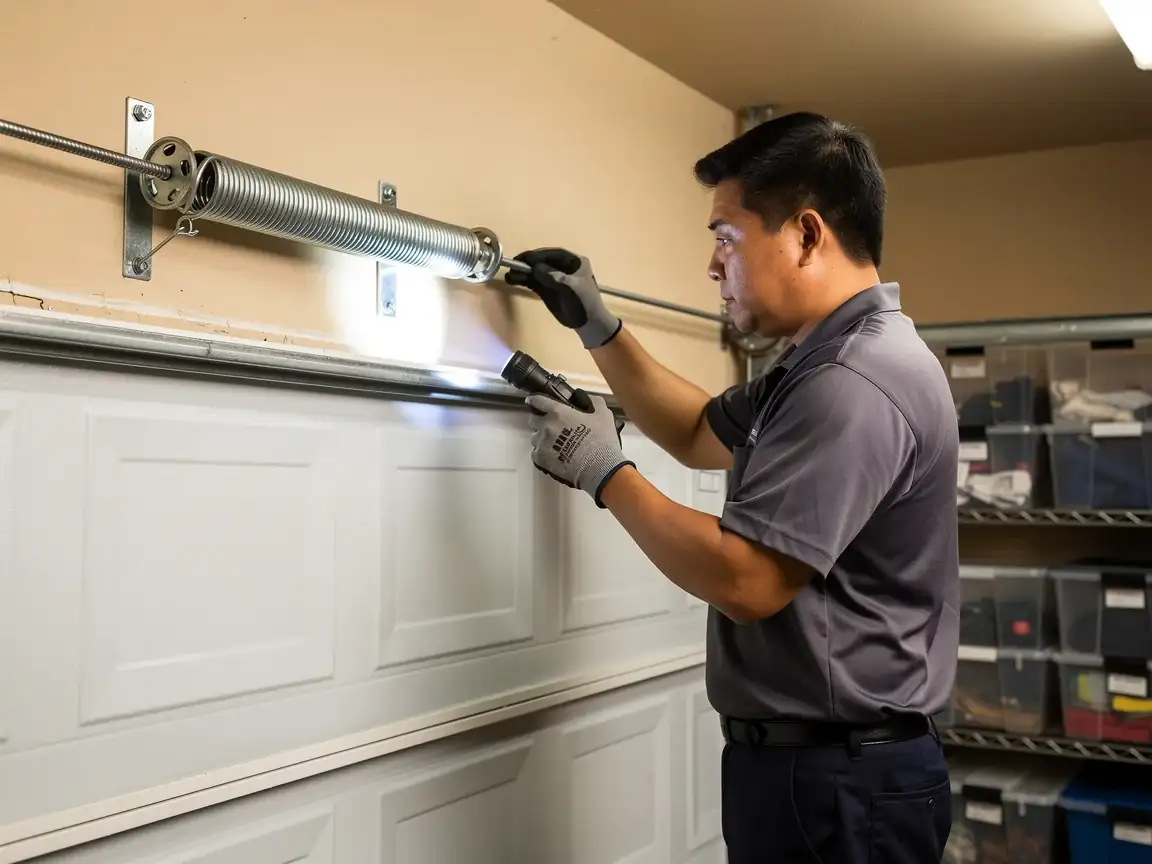
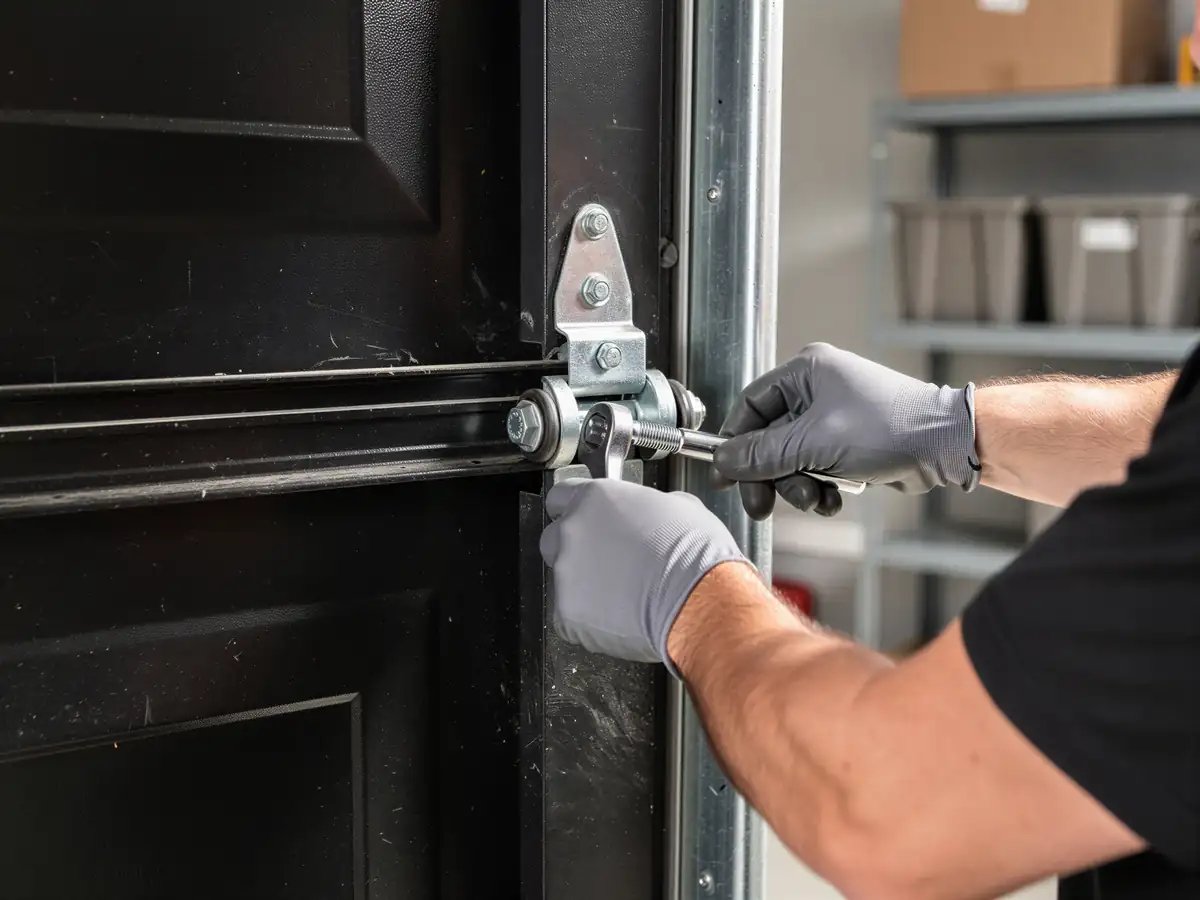
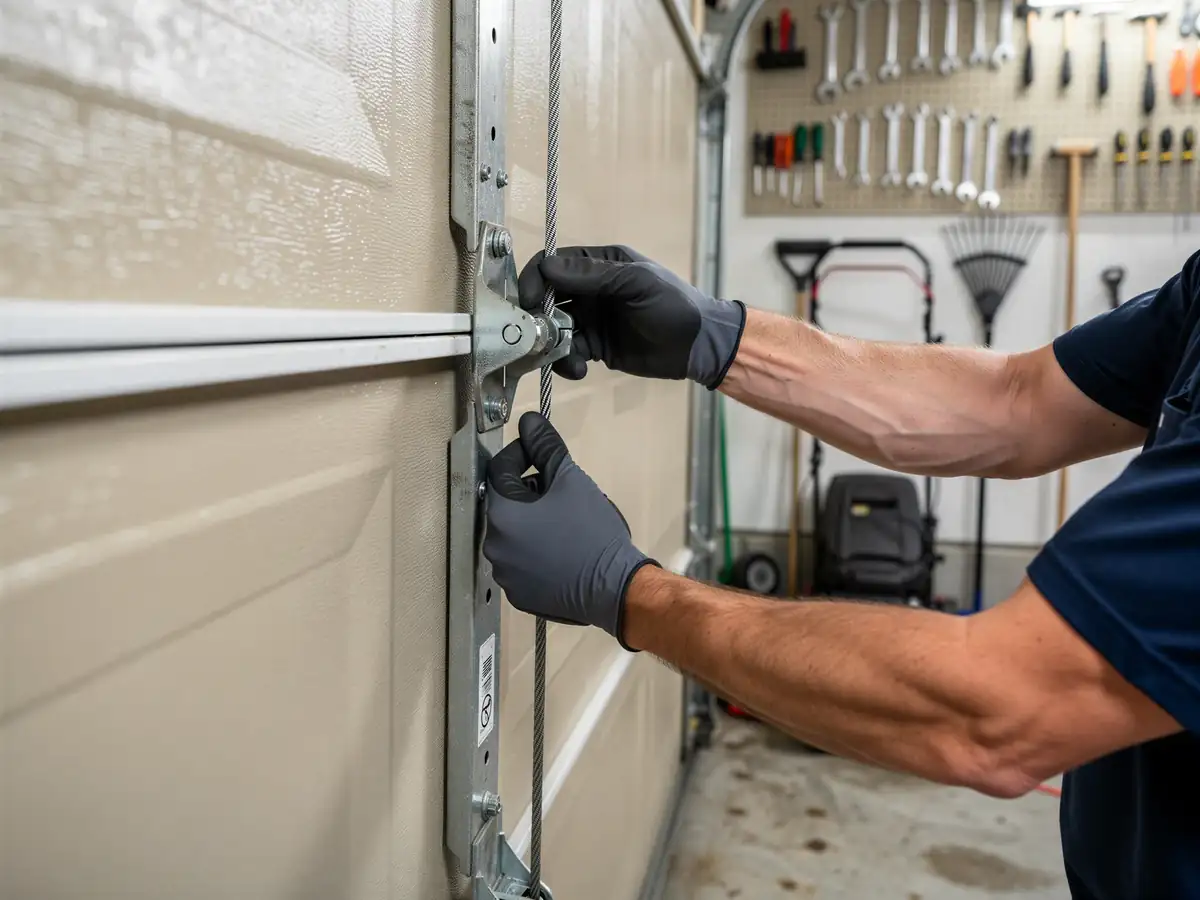
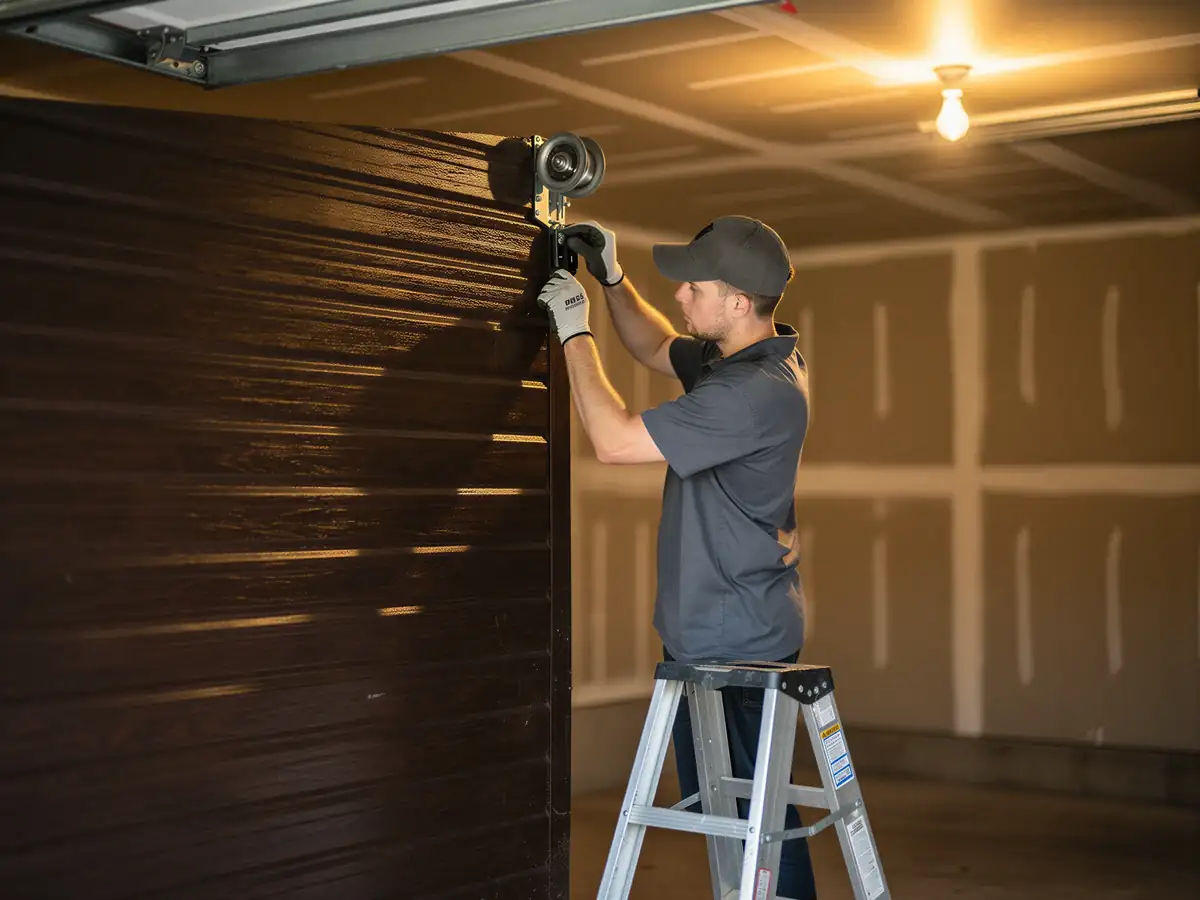
We pull the door down, support it, and work one side at a time so it never comes fully loose from the track. Old steel rollers come out of the hinge brackets, we check the bracket holes for wear (common on a door this age), and set new rollers - usually nylon with sealed bearings unless you specifically want steel again. We check the track alignment while we're in there, since worn rollers often mean the track has taken some abuse too, and tighten or reset mounting brackets as needed. The mild climate here with occasional freezes (per the region's climate data) doesn't do much to wear rollers directly, but it does mean lubricant choice matters less here than in colder climates - we use what holds up across the range rather than a winter-specific grease.