What Is on the Truck
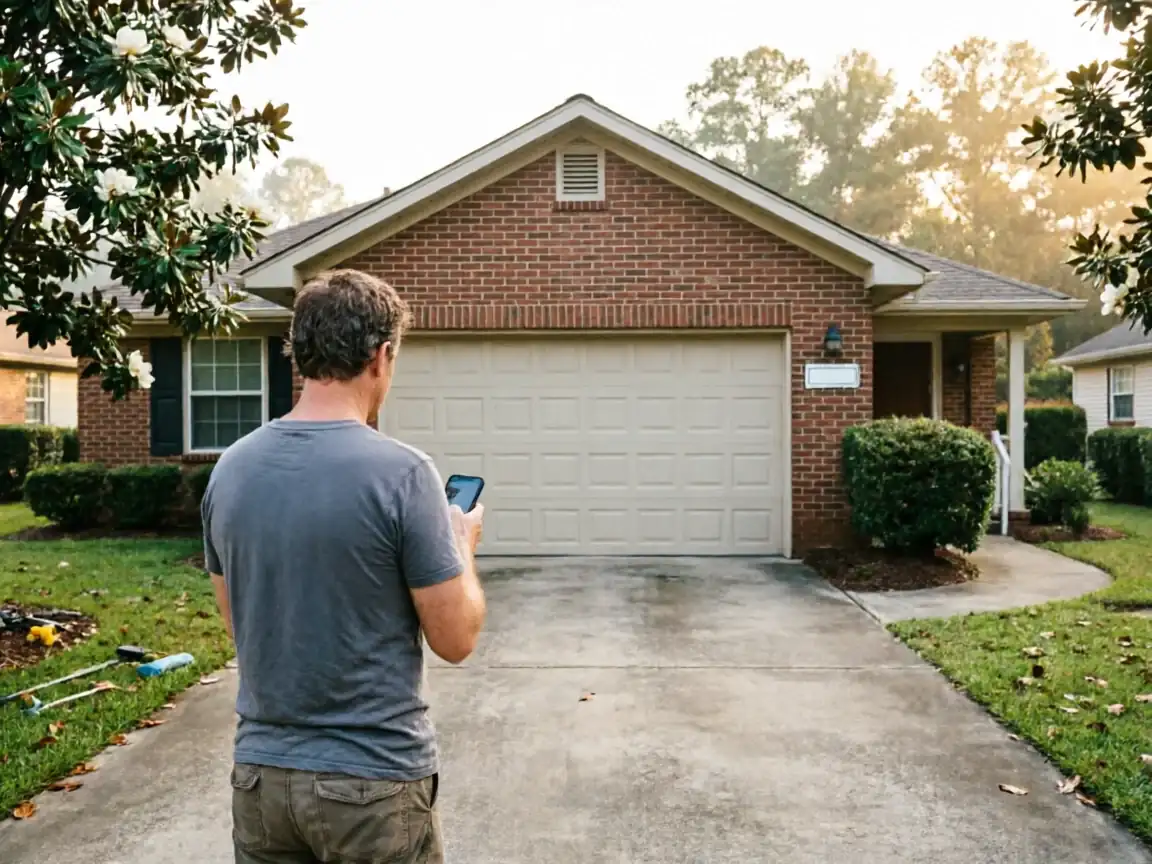
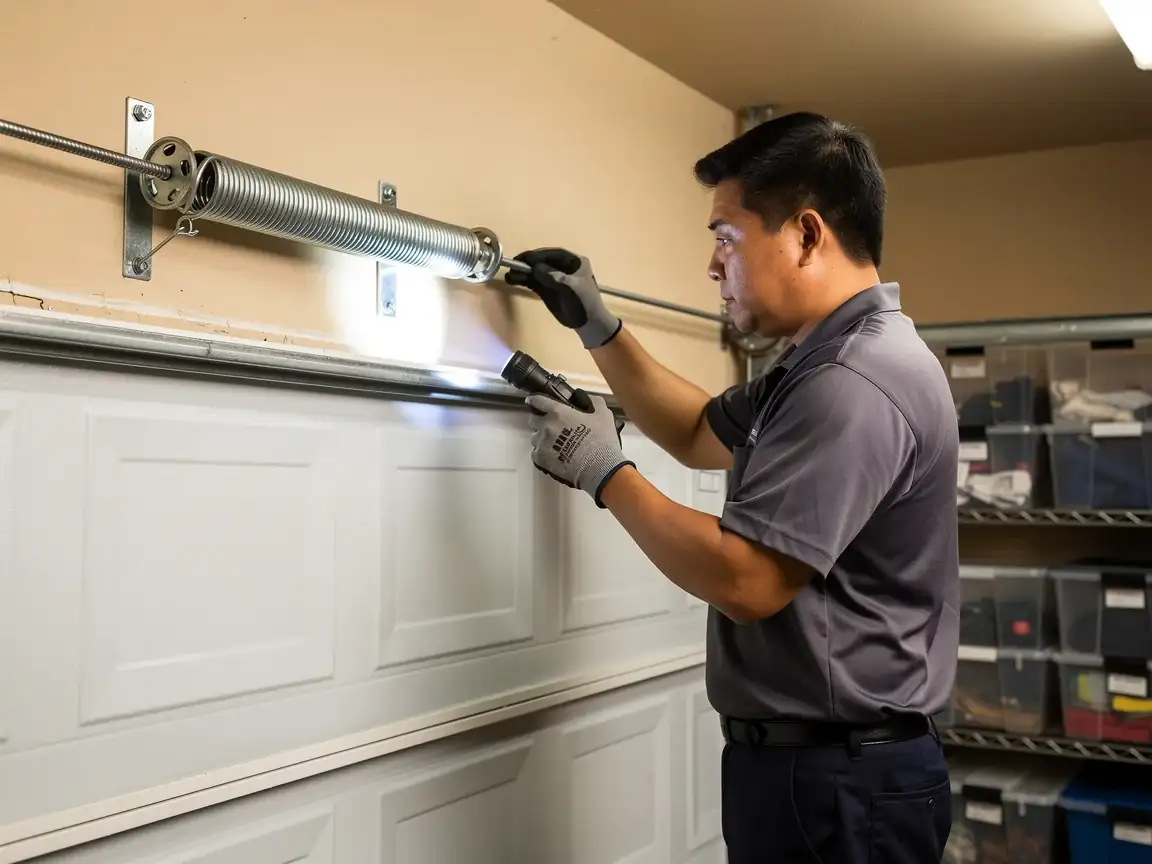
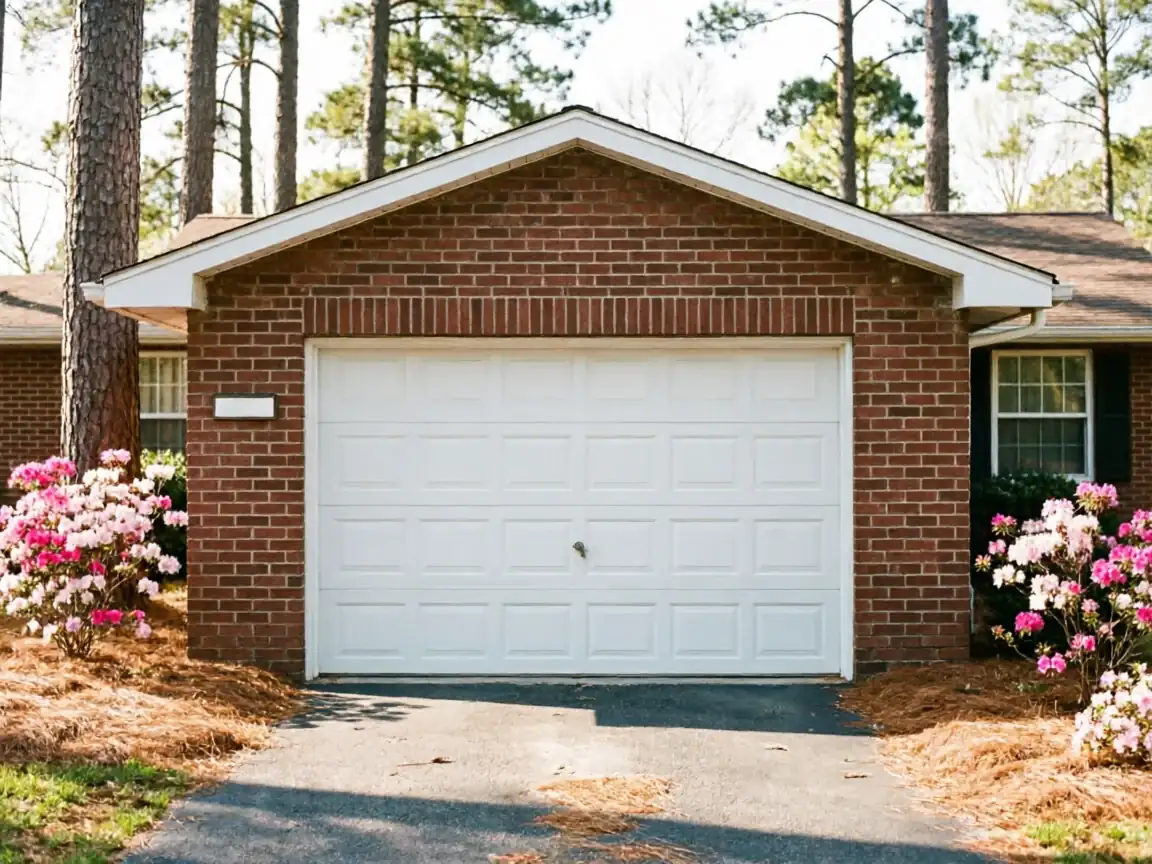
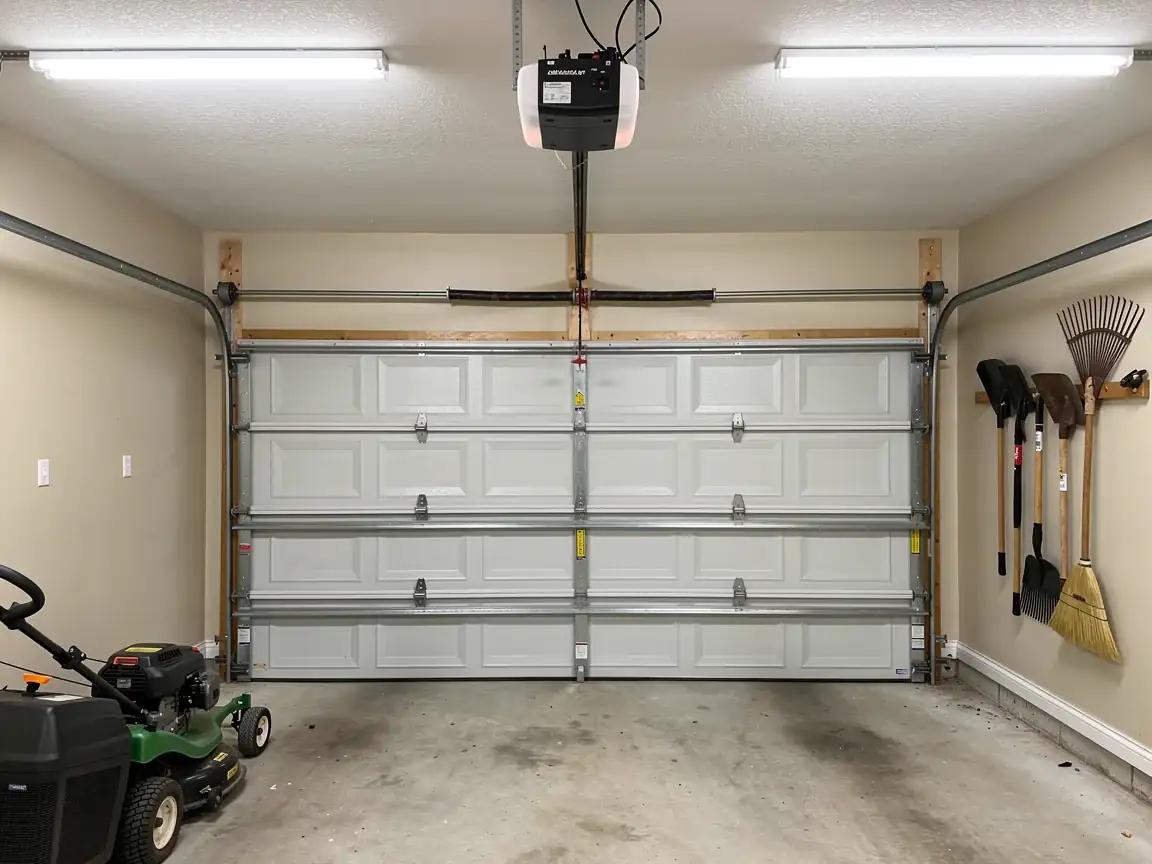
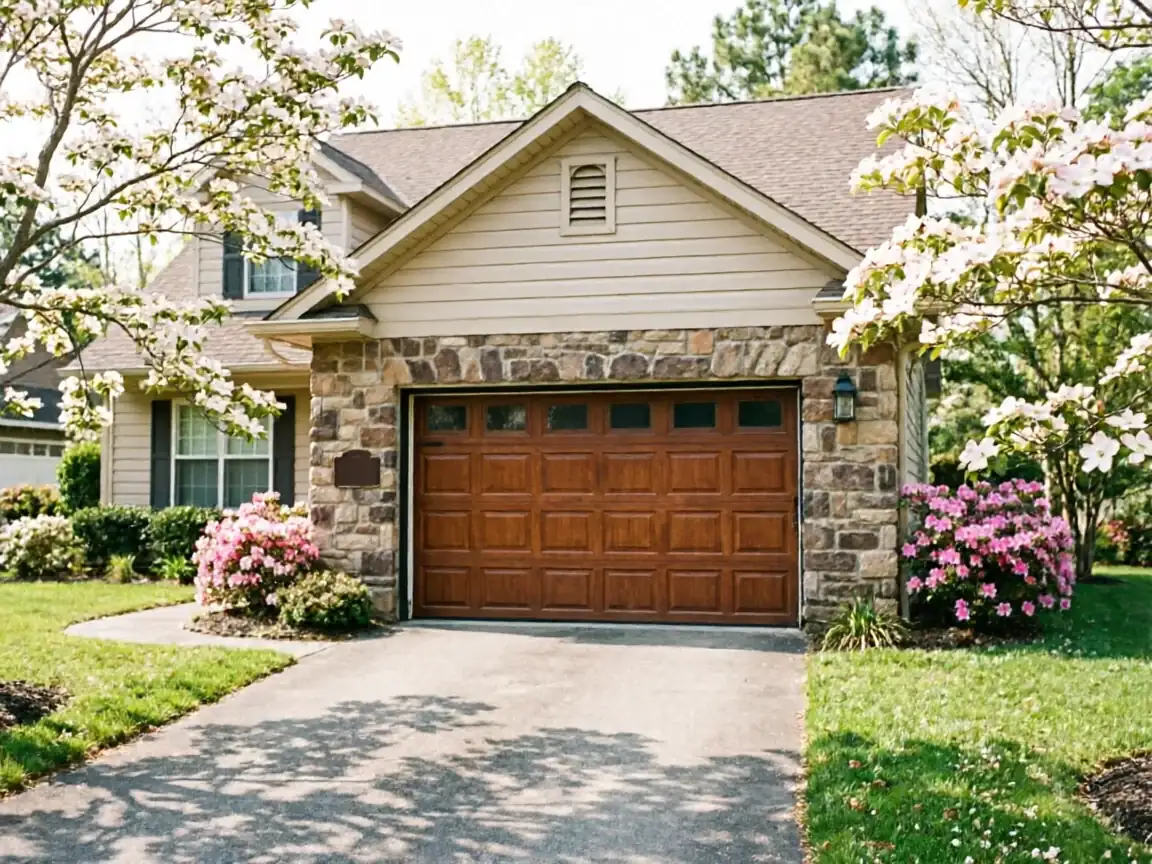
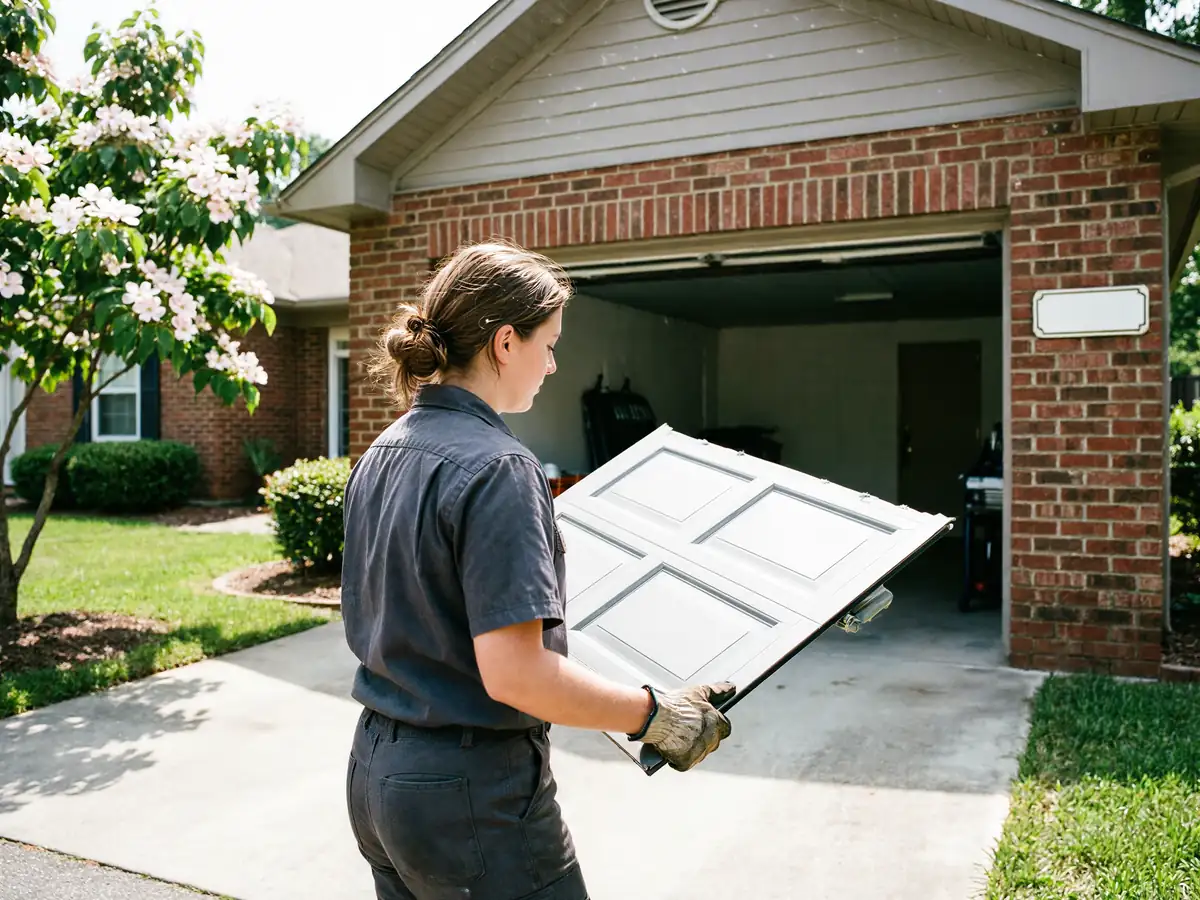
Waverly Hall's housing stock centers on 1972, which puts a lot of these garage doors a full generation ahead of the torsion-and-insulated-panel doors you see in newer Columbus subdivisions. A door from that build year is usually a single-layer steel panel, no foam backing, hung light enough that it often ran on extension springs with side brackets rather than a torsion bar over the header. That matters for what rides in the truck. We carry both torsion and extension spring stock in a run of wire gauges and lengths, plus the safety cables that a lot of these older extension setups were never fitted with in the first place. We check the spring type before we quote anything, because guessing wrong on a 50-year-old door means a second trip.
The Cost of This Job
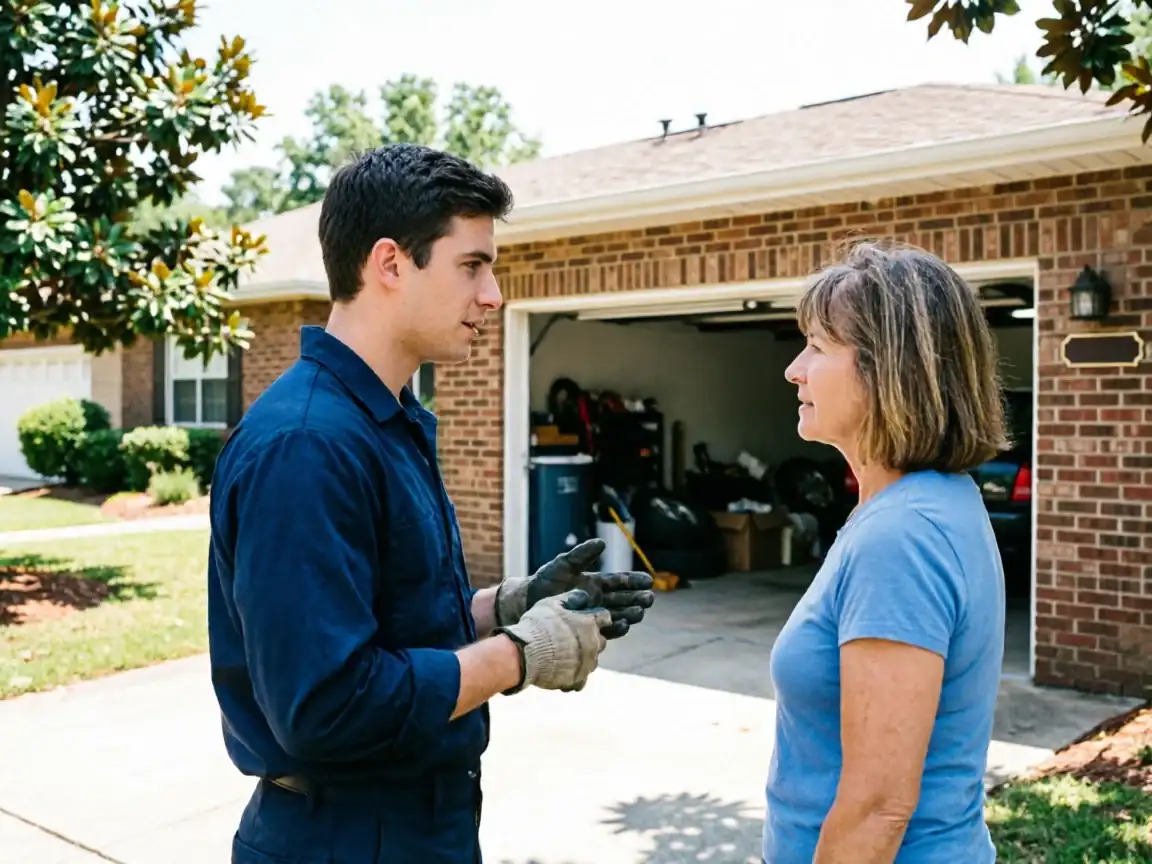
We don't post a flat number here because spring jobs vary by door weight, spring count, and whether the cable drums or end bearings go with it - and on a door this age, they sometimes do. What we can tell you is how the quote gets built: wire size and length for your door, whether you need one spring or two, and whether the stem the spring threatened with is worn enough to replace while we're there. Waverly Hall's median household income runs lower than the wider Columbus service area, and we know a repair bill has to be worth it against a replacement. If your door and track are otherwise sound, a spring swap is the cheaper and correct call - we'll tell you plainly if it isn't.
What You Are Seeing
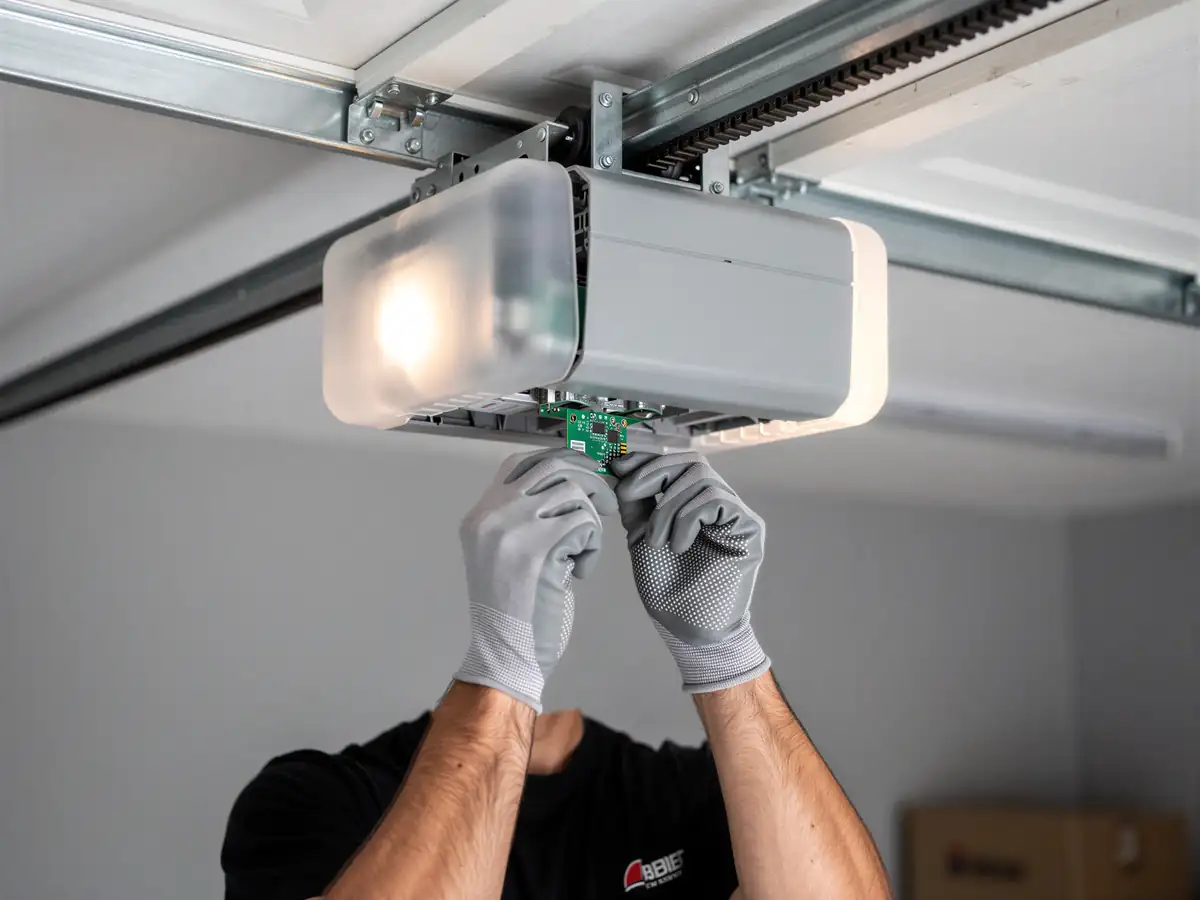
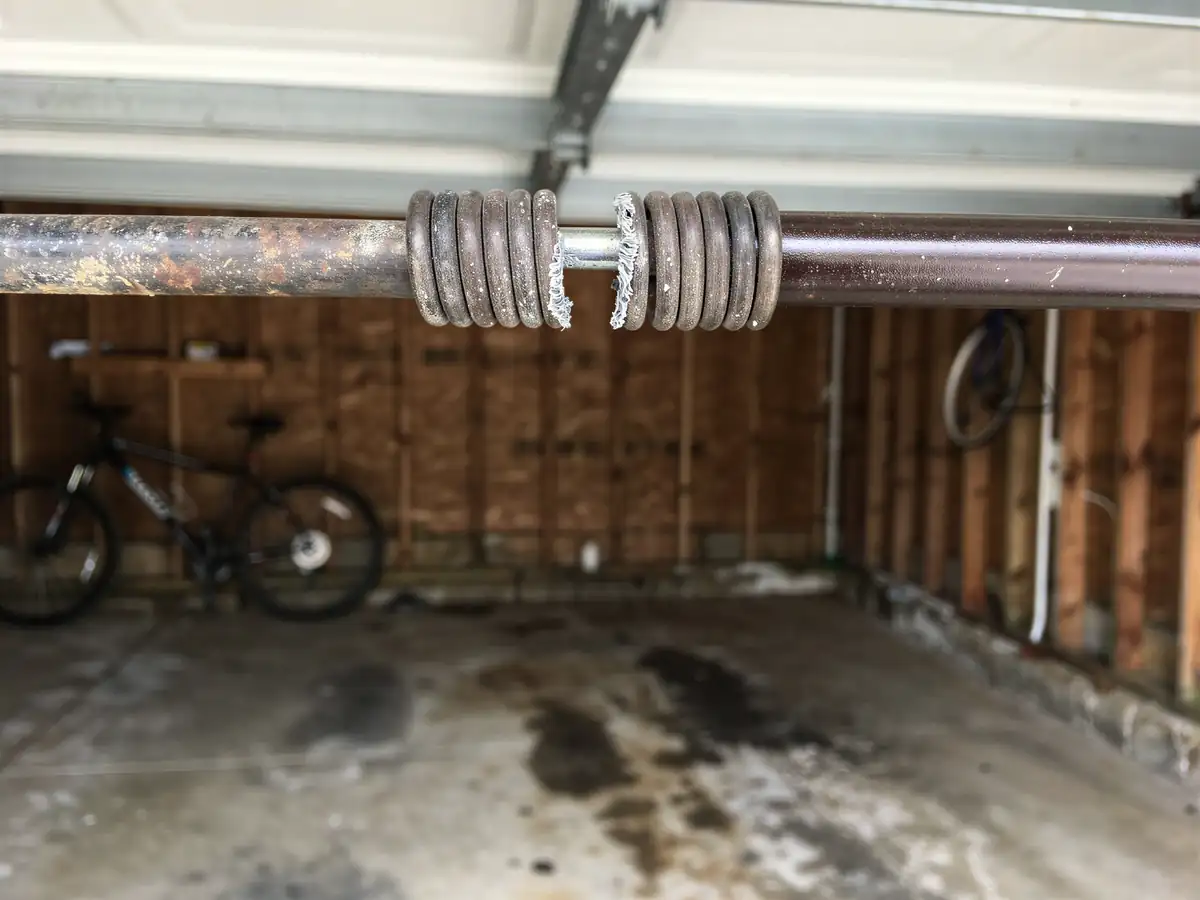
A broken spring doesn't always look dramatic. On an extension-spring door from this era, you'll often see one side of the door hang crooked, or the opener strain and reverse halfway up because the counterweight is gone on one side. On a torsion setup, the giveaway is usually a loud bang from the garage followed by a door that won't budge, or budges with the opener groaning. Either way, the door suddenly weighs what it actually weighs - 130 to 180 pounds of steel with nothing holding the other end up. Don't keep hitting the opener button. That burns out the motor trying to lift dead weight, and turns a spring call into a spring-and-opener call.
How We Fix It
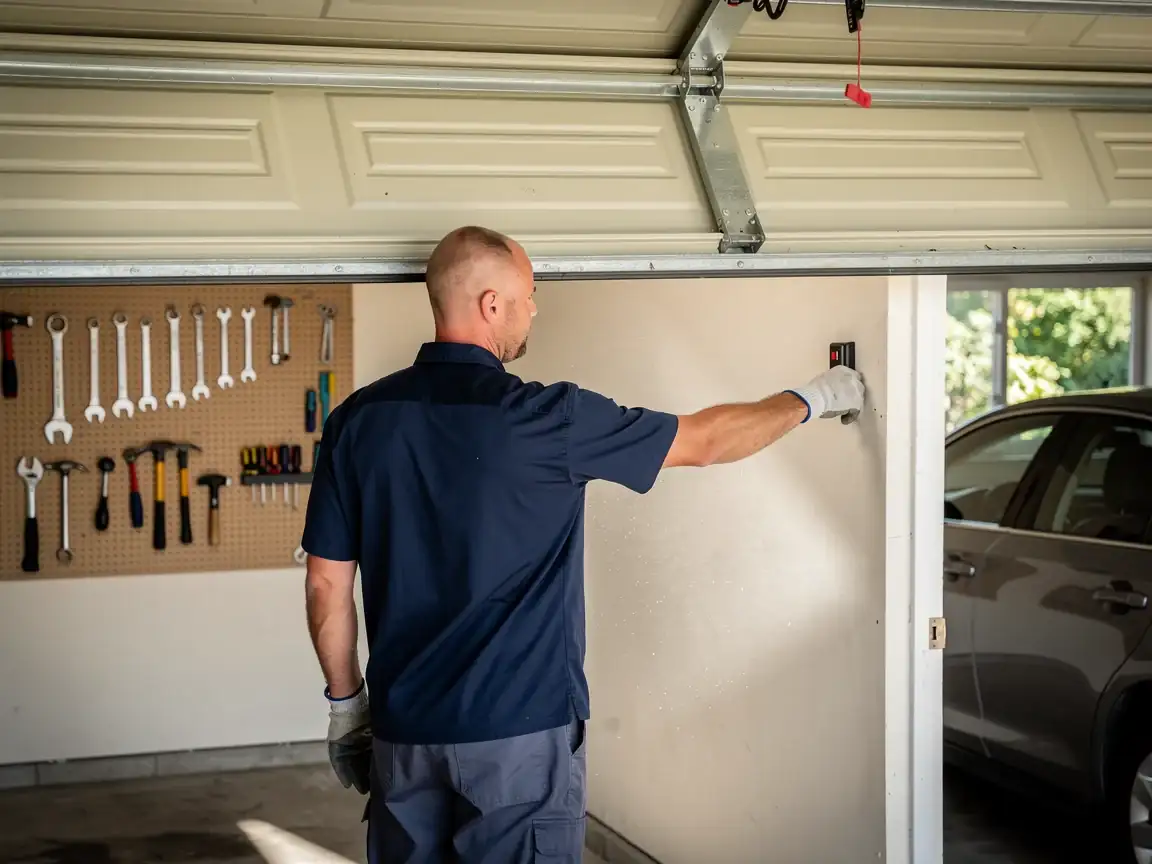
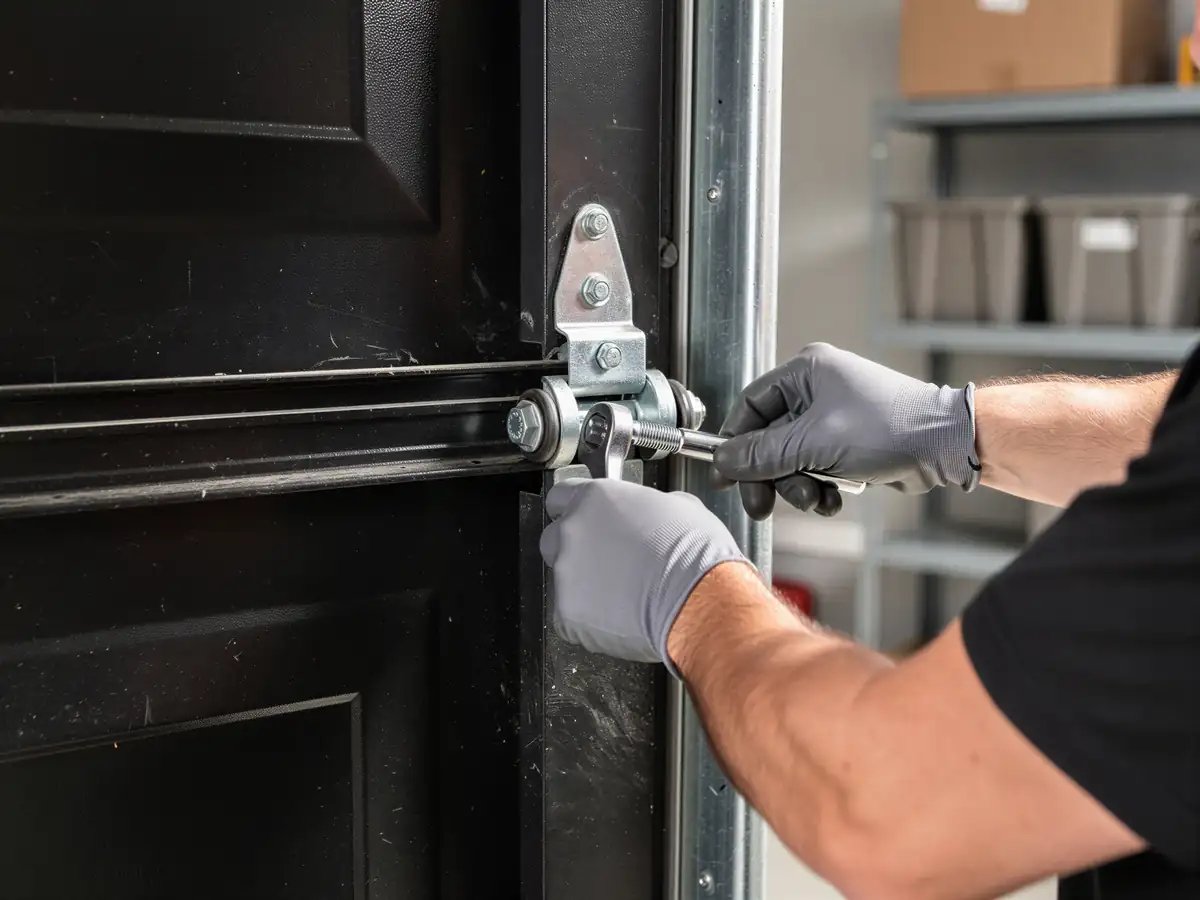
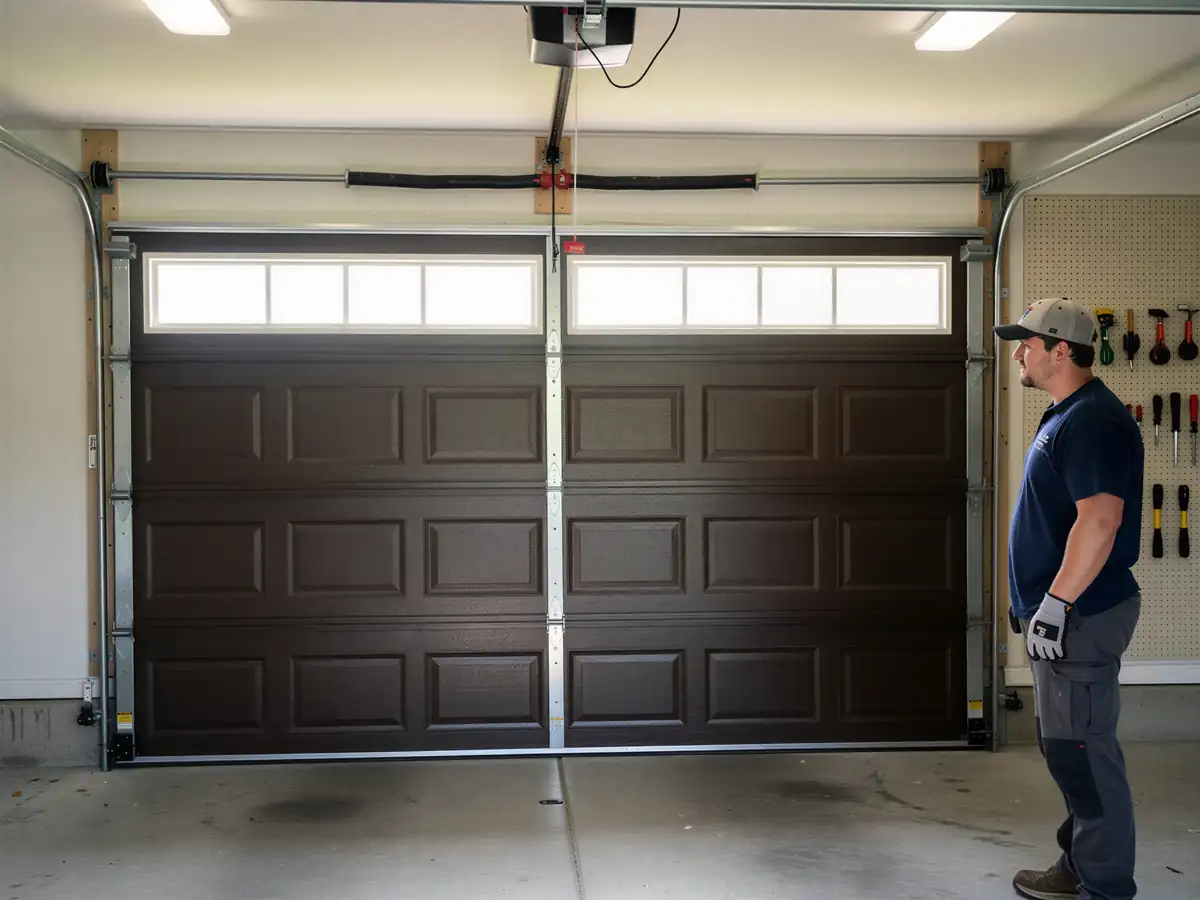
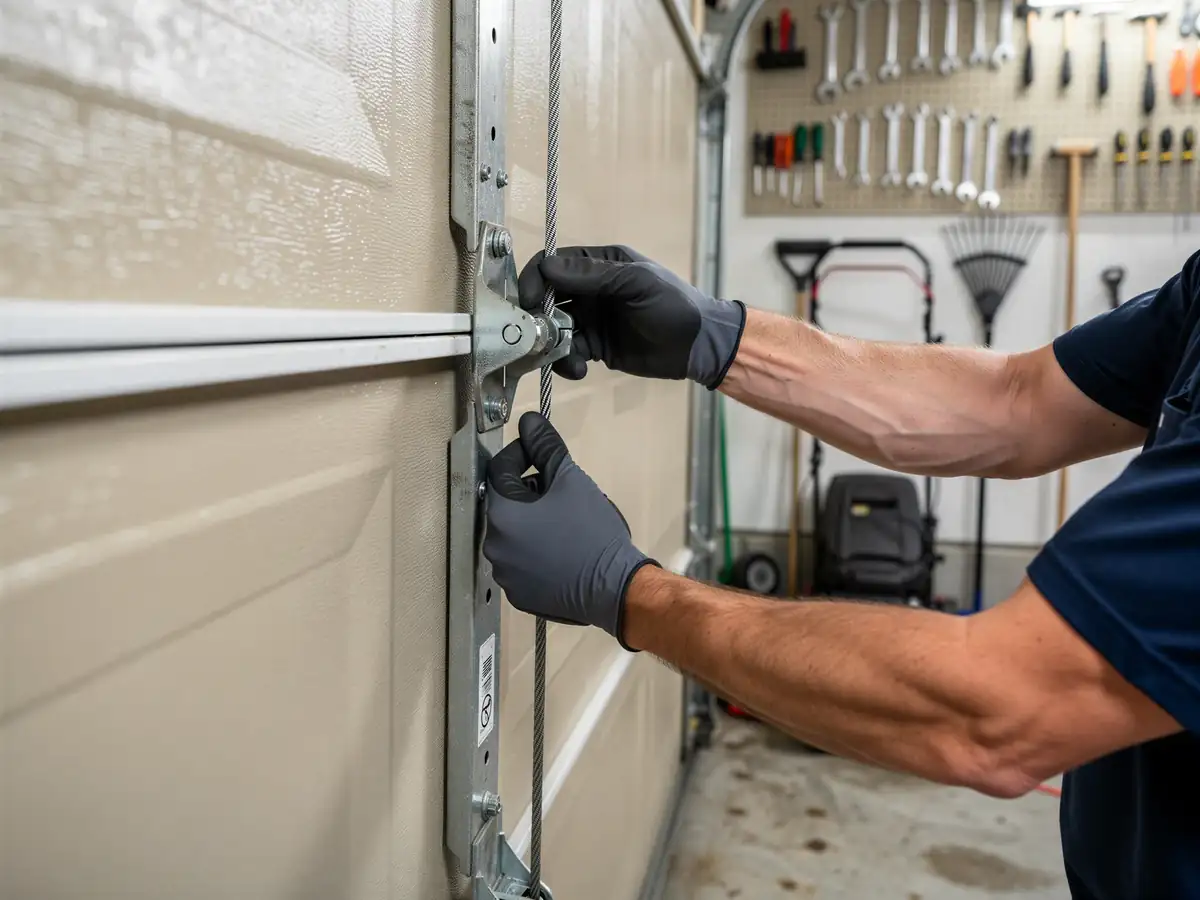
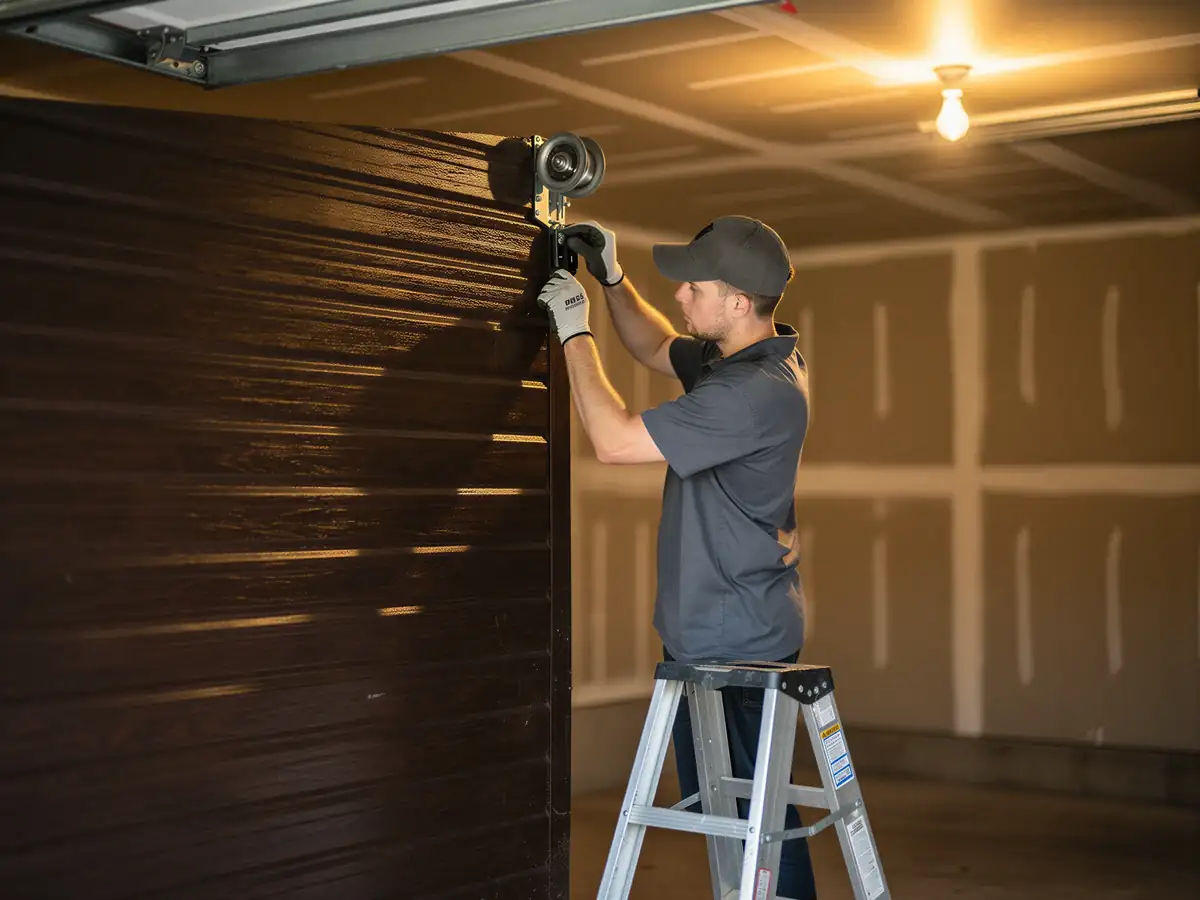
For torsion springs, we unwind the broken one, measure the shaft and drum spacing, and install a matched pair sized to the door's actual weight - not just whatever was on there before, since a worn door sags and the old spring size may be wrong anyway. For extension springs, we replace both sides even if only one broke, since the second is usually close behind on a door this old, and we add safety cables through the spring if the door never had them. On either type we check the cable condition and the bottom brackets before closing out the job, because a new spring on a frayed cable just moves the next failure down the line a few weeks.