How We Fix It
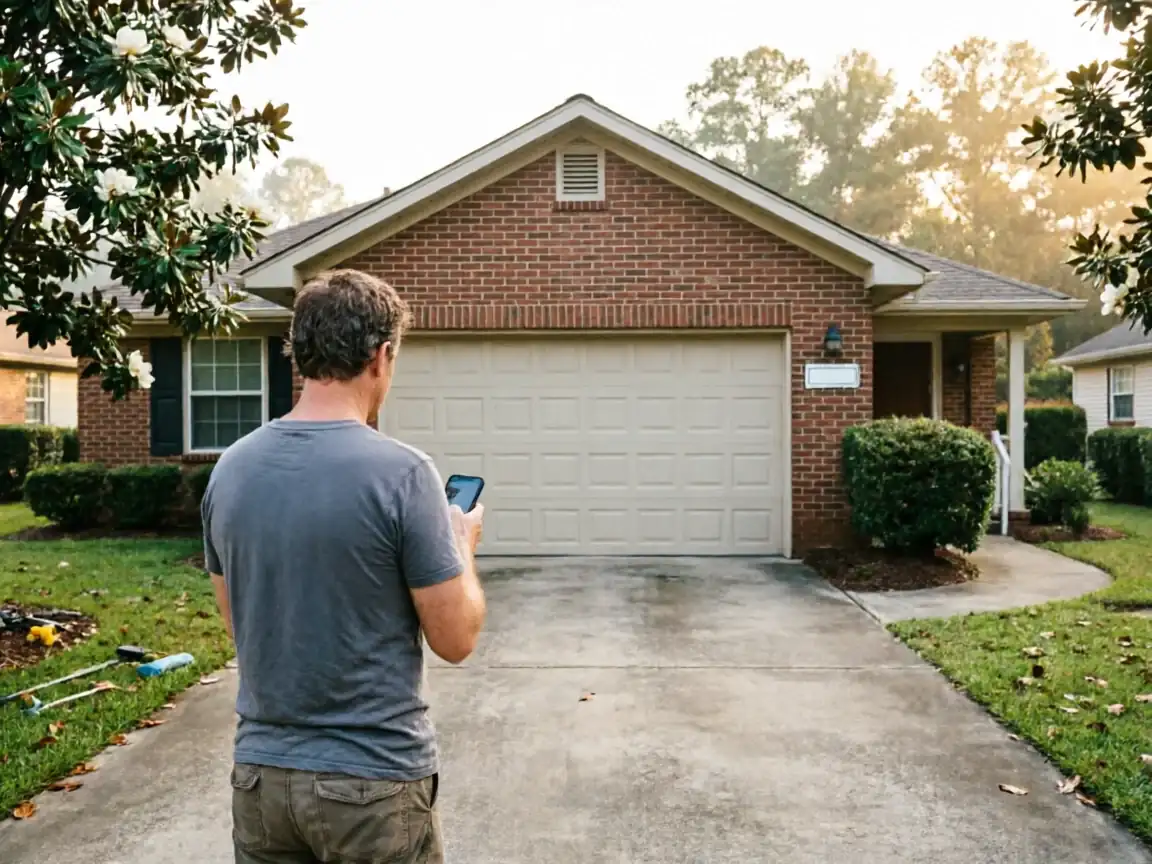
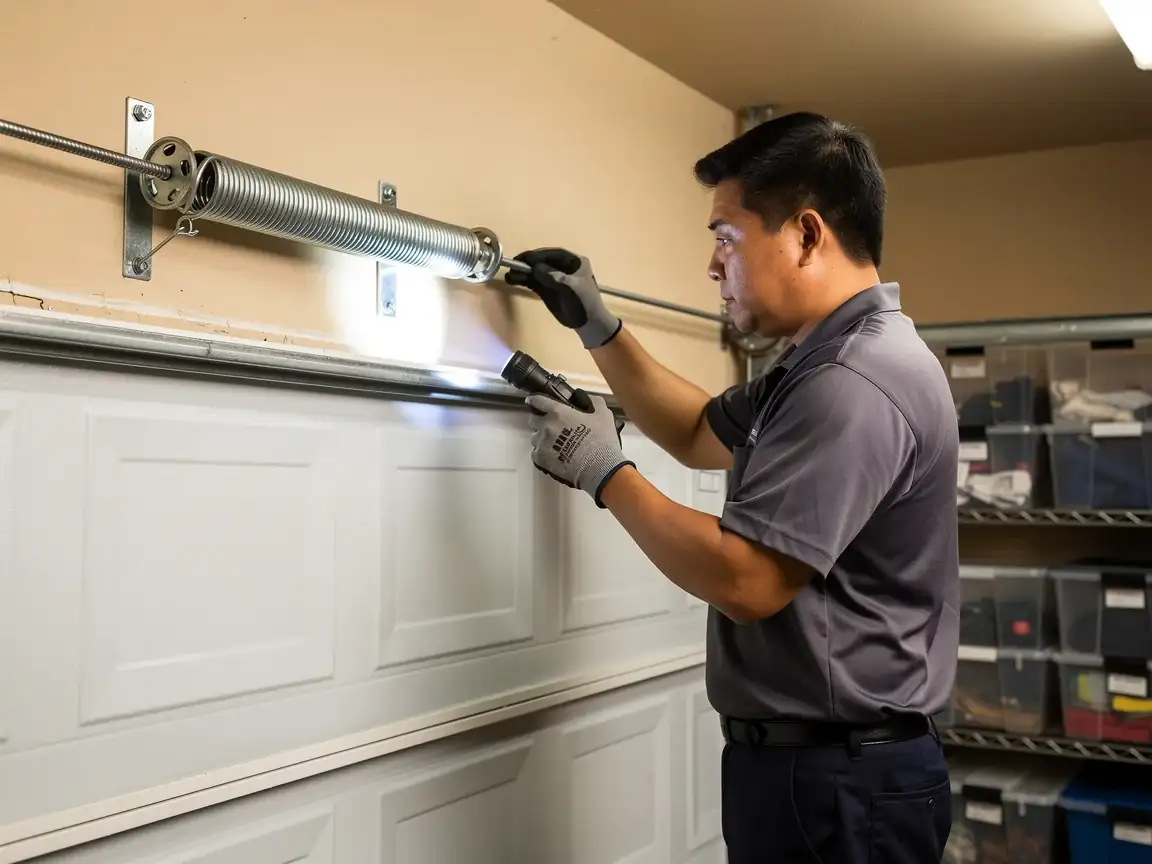
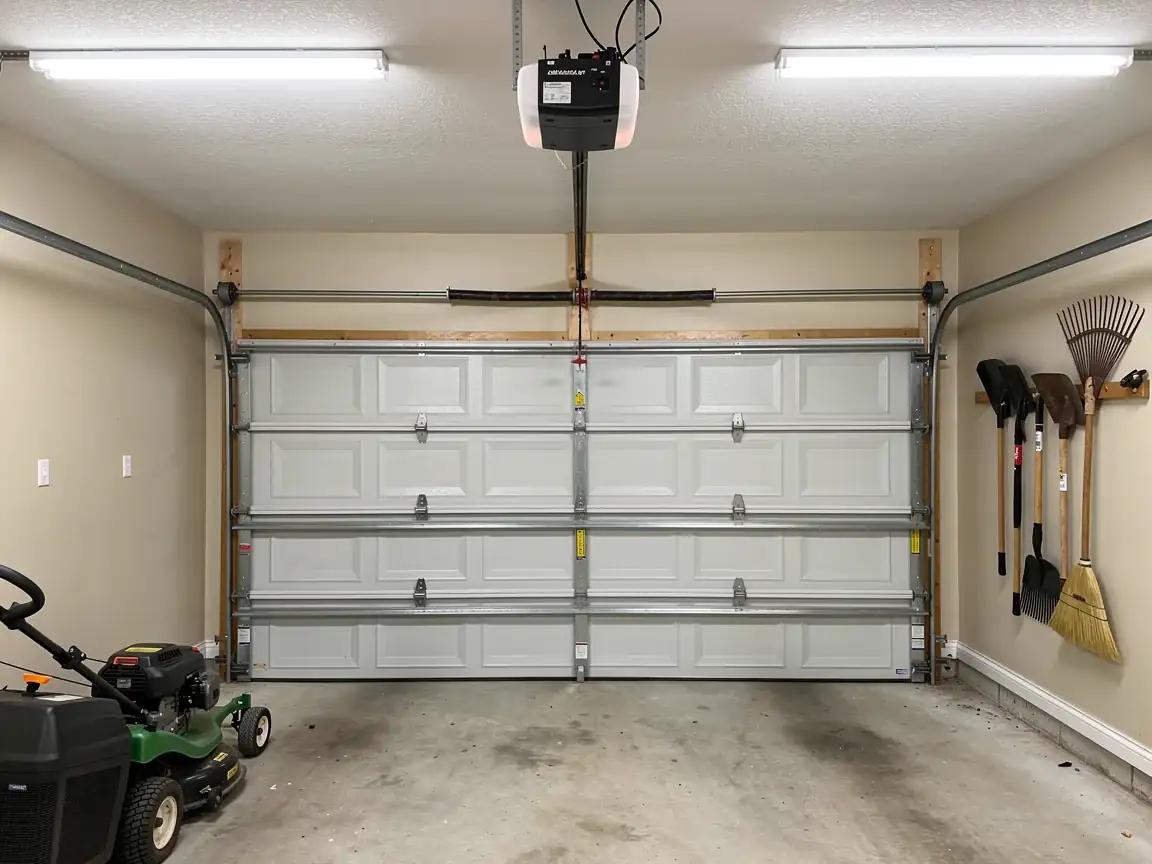
Ladonia's housing stock centers on 1983, which puts most garage doors here a notch older than the median across the wider Columbus service area, where homes typically date closer to 1991. That decade matters. A door installed in the early '80s is more likely to run on a single torsion spring with a stamped-steel drum, not the dual-spring setups that became common later. We bring the diagnostic approach to match: check the spring size and winding cone before we touch anything, because a mismatched replacement spring on an older shaft is how you get a door that slams down instead of lowering.
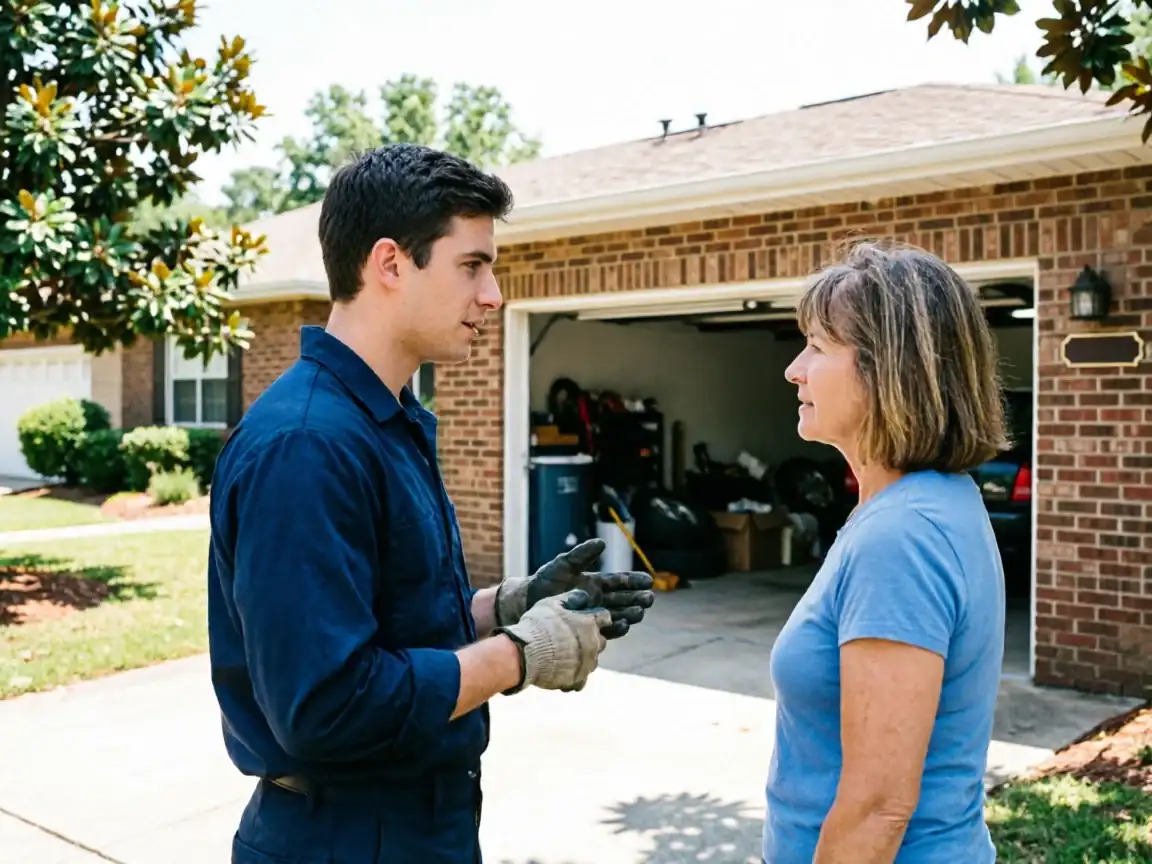
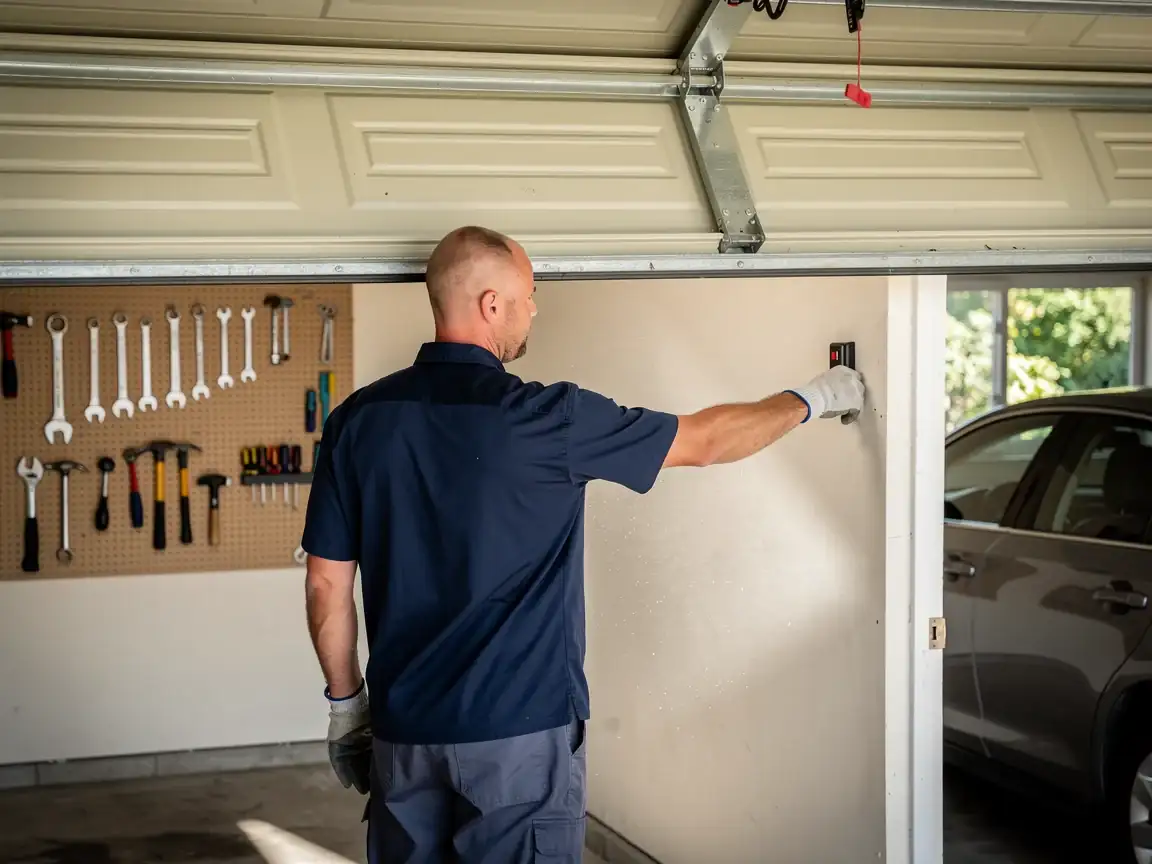
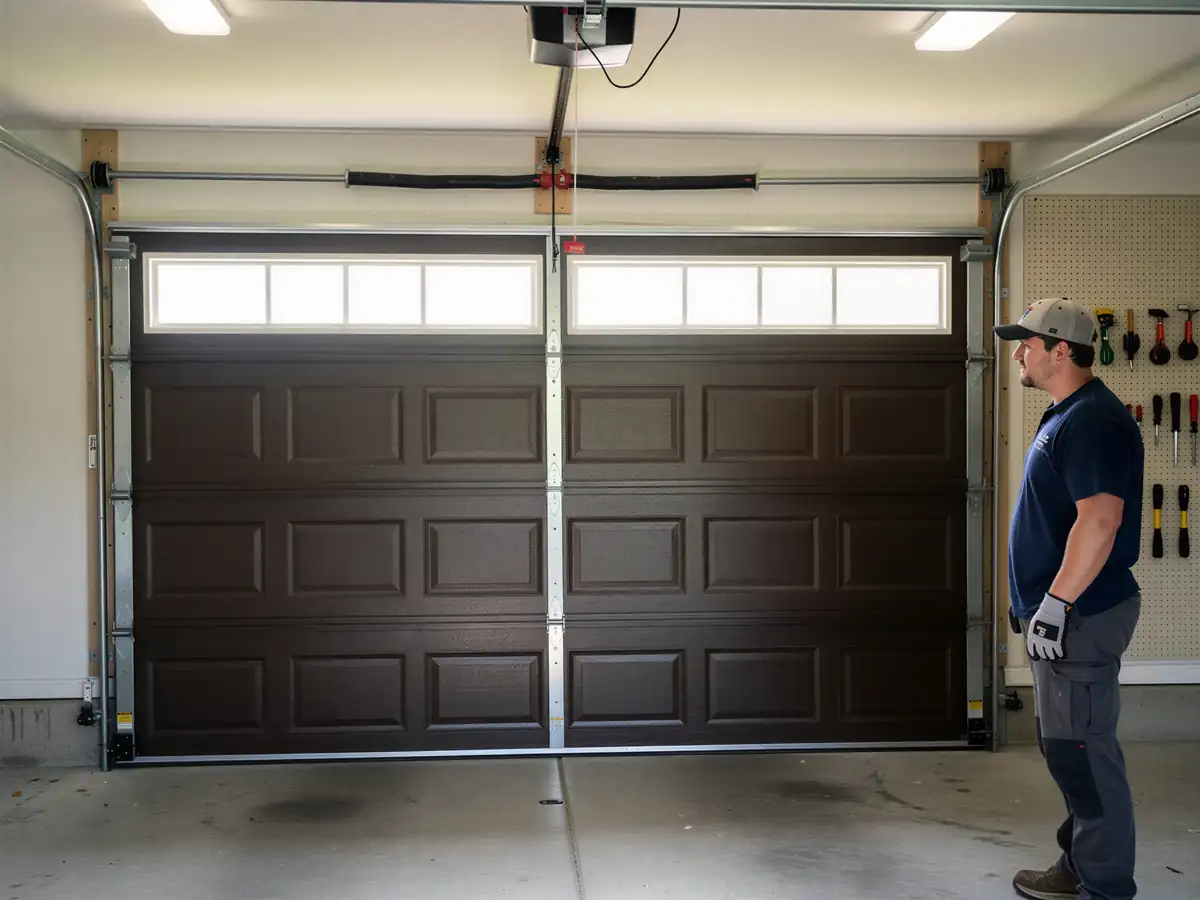
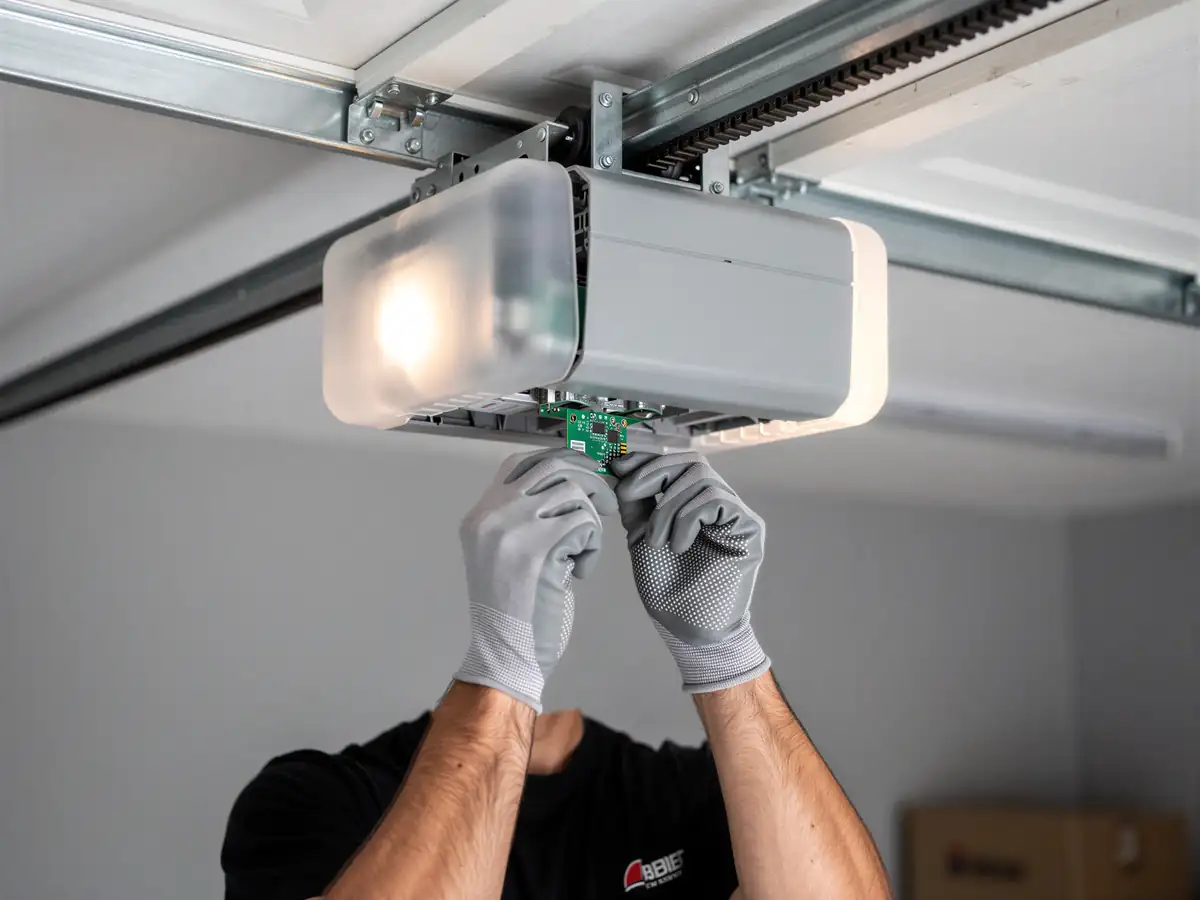
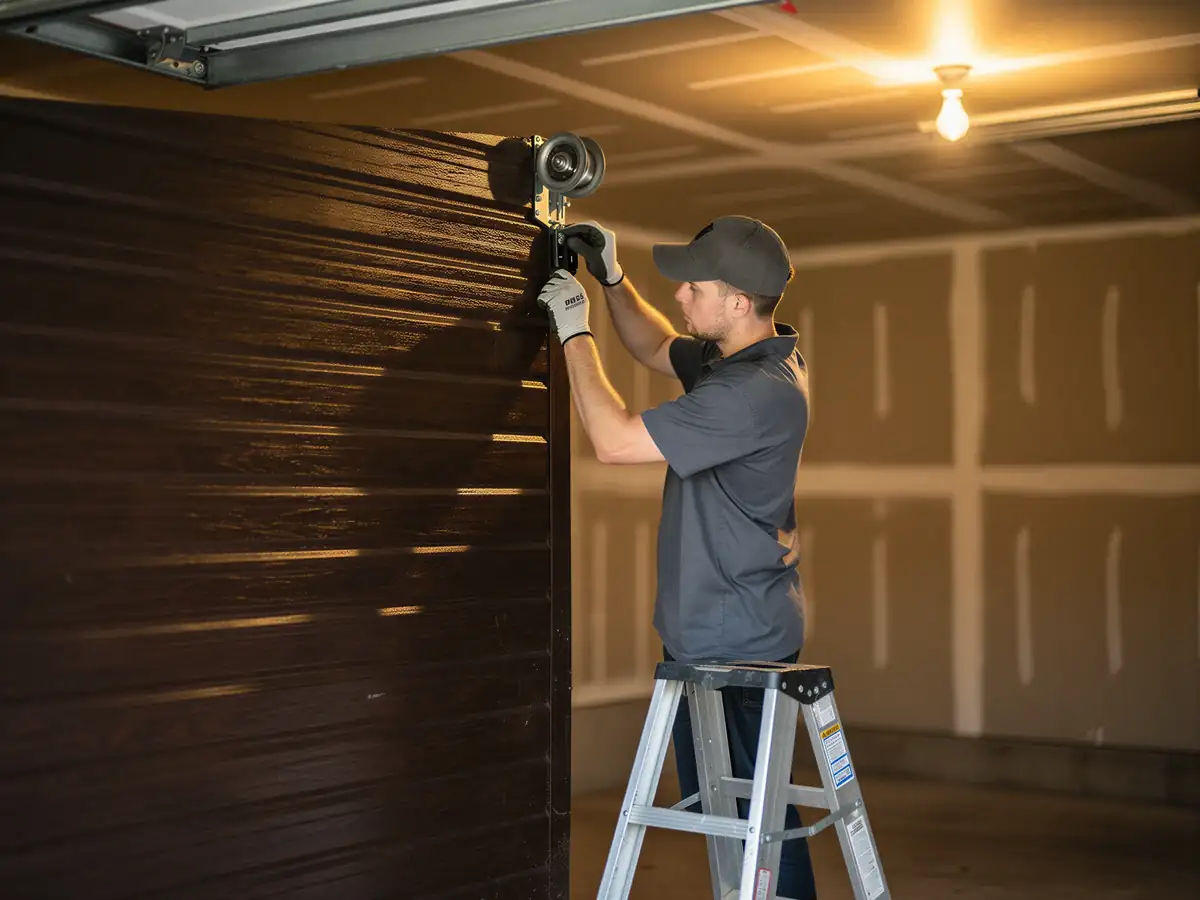
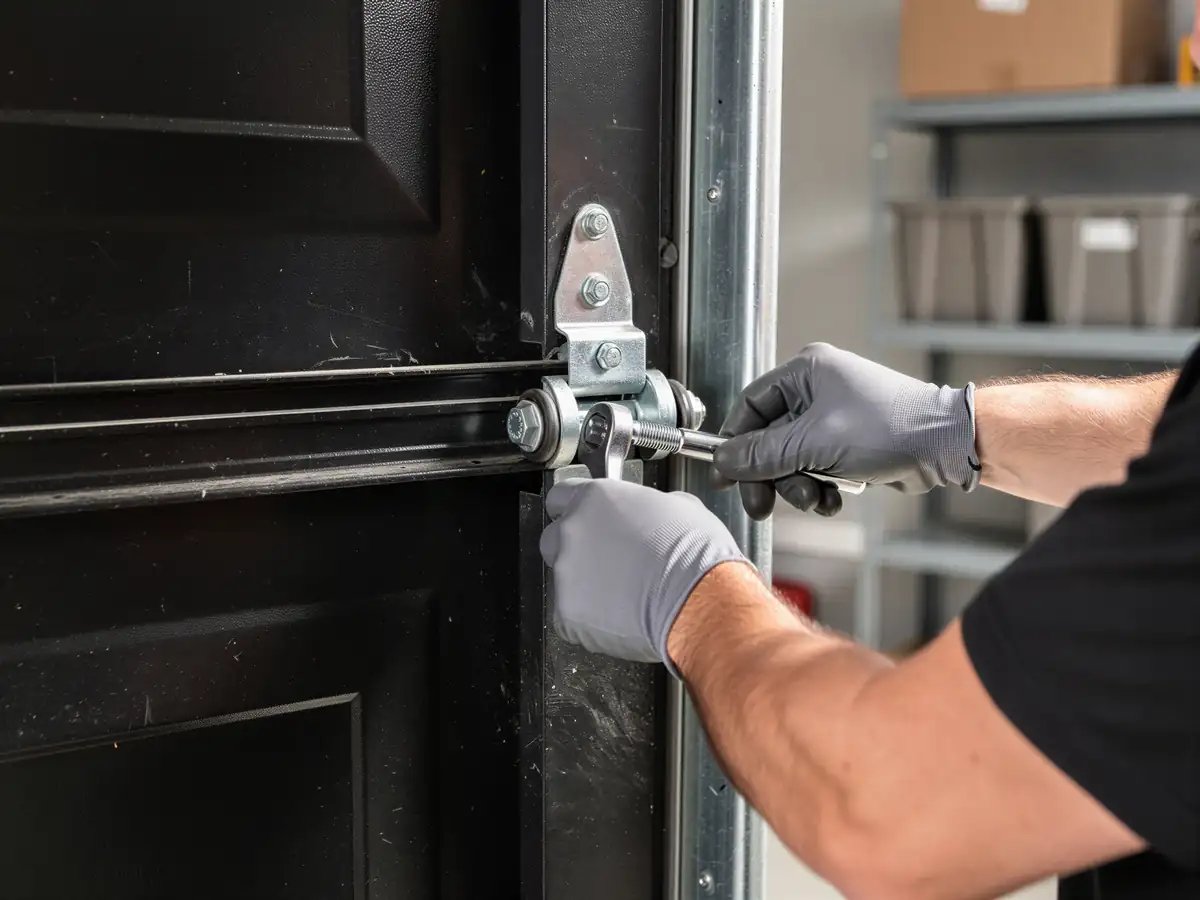
We drive out from our Columbus location, about 6 miles to reach Ladonia, so we're not guessing at what's common in the area - we see this build era regularly across the service territory. The fix itself is standard trade work: isolate the failed part, confirm the track and rollers haven't taken damage from the same stress that broke the spring, and test the door through a full cycle before we leave. We don't push a full opener swap when a capacitor or logic board replacement solves it. If the door is original to the house, though, we'll tell you plainly when patching it further stops making sense.
What Can Go Wrong
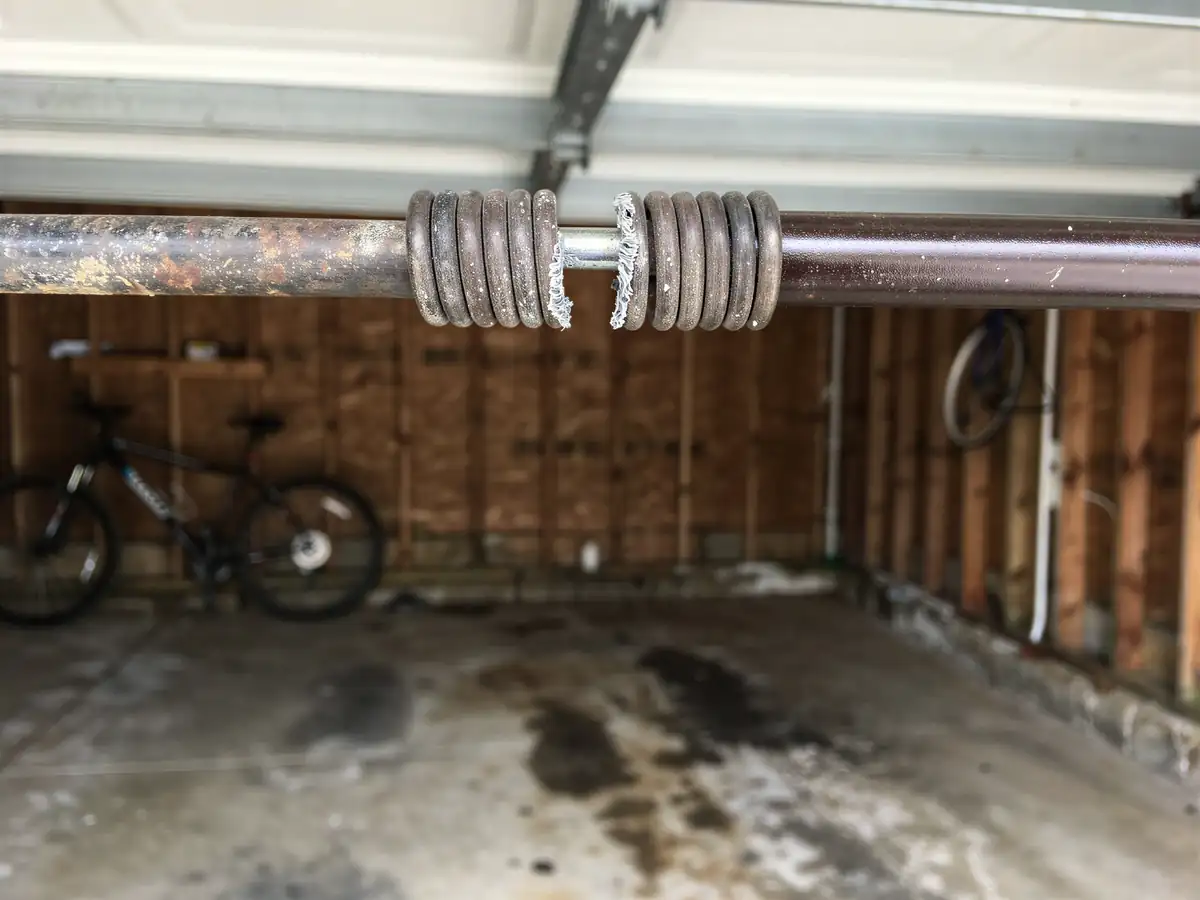
On a door from the early 1980s, the usual failure is spring fatigue - steel that's cycled tens of thousands of times eventually snaps, usually in cold snaps when the metal's stiffer. The climate here runs mild with some freeze risk, which isn't the extreme swing that chews through rubber seals fast, but it's enough cold on the sharper mornings to tighten a spring that was already near its wind-cycle limit.
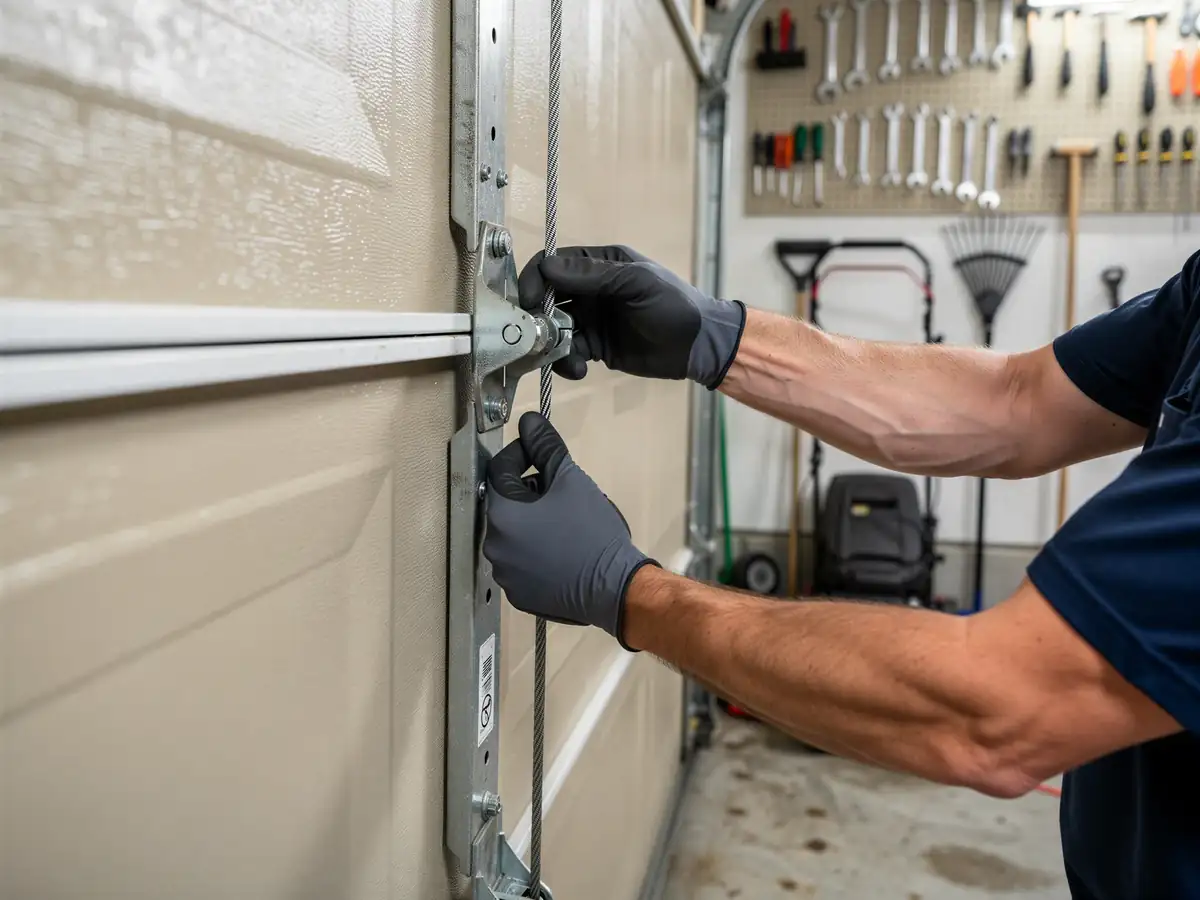
Cables fraying at the bottom bracket is the other common call on doors this age, especially if the original hardware was never upgraded. Openers from this era, if original, often use chain drives with worn sprockets, which shows up as a grinding noise before it shows up as a dead stop. None of this is unique to one house - it's a function of age, and a lot of Ladonia's stock is the same age.
What You Are Seeing
If the door hesitates partway up and then struggles
That's usually the spring losing tension, not the opener failing - the opener is just doing more work than it's rated for. A door that reverses right after it touches the floor often points to a worn-out close-limit setting or a sensor that's drifted out of alignment, which is common when the bracket holding it has loosened over years of vibration.
A loud bang followed by the door refusing to move at all is almost always a broken spring
And at that point don't try to lift it manually by force - the cable under broken-spring tension can snap too. If you hear a grinding or slipping sound from the opener itself, that's sprocket or gear wear, and it's worth catching before the chain jumps the track entirely.
The Cost of This Job
We don't have a price list to publish here, and quoting a number without seeing the door would be a guess, not a fact. What we can tell you is what drives the cost on a house like the ones common in Ladonia: a single-spring replacement on 1980s hardware is usually simpler and cheaper than a dual-spring system, because there's less to match and fewer parts to balance. Where it gets more expensive is if the drum or shaft has worn unevenly from years with a mismatched spring, which does happen on original installs that were serviced piecemeal over time.
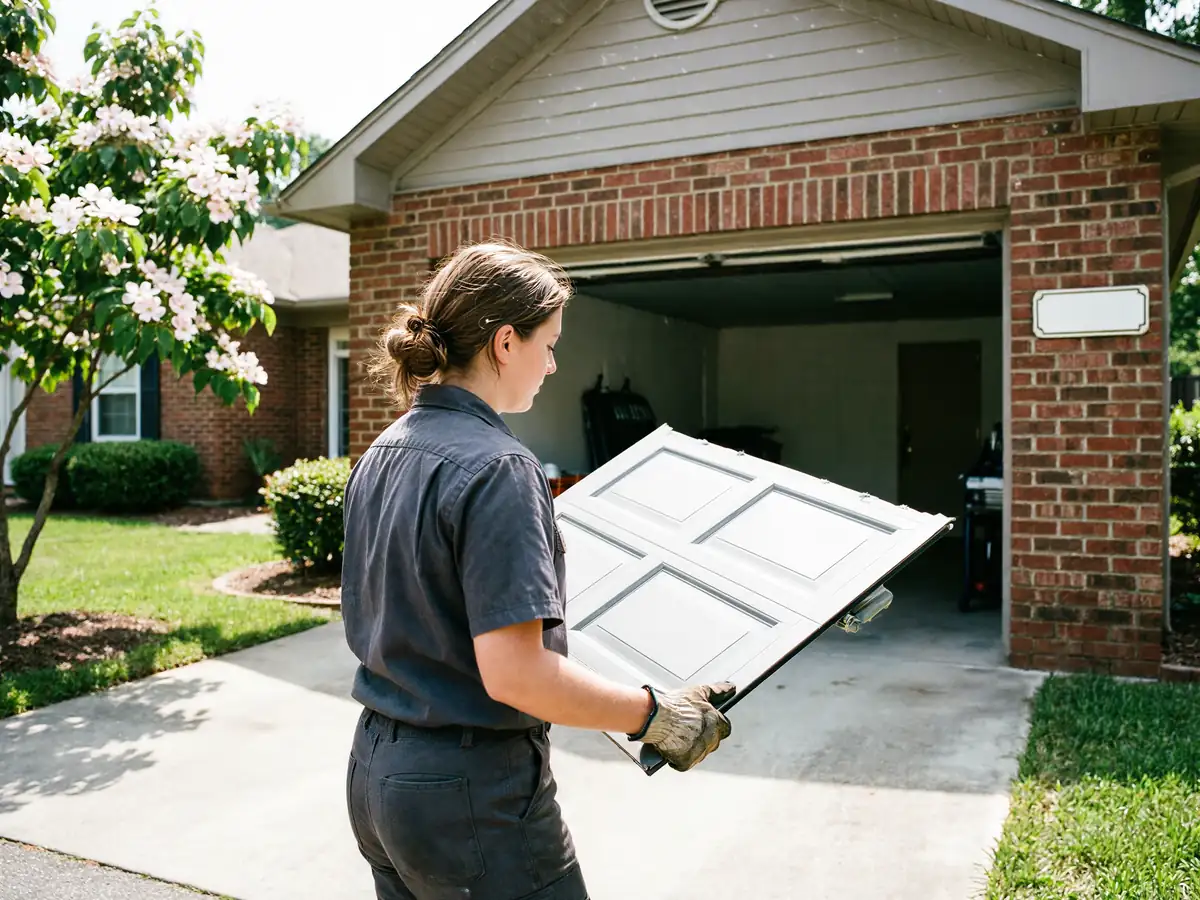
Household income in the broader service area runs a median around $73,654, though Ladonia's own median sits closer to $52,045 - a gap worth mentioning because it's part of why we'd rather fix a spring and cable set than talk someone into a full door replacement when the panels and track are still sound. We'll always give you the repair option first if the door supports it.
What Is on the Truck
For calls into Ladonia we carry a range of torsion spring sizes that cover both the single-spring setups common on older doors and the dual-spring systems found on newer installs, since the area has a mix of both. We stock standard-gauge lift cables, bottom brackets, and the sensor hardware that most often needs replacing rather than just realigning.
What we don't carry on the truck is specialty hardware for custom or oversized doors - that's a special-order part regardless of which town we're in, and we'll tell you up front if your door needs one so you're not waiting on us to figure that out on site.