How We Fix It
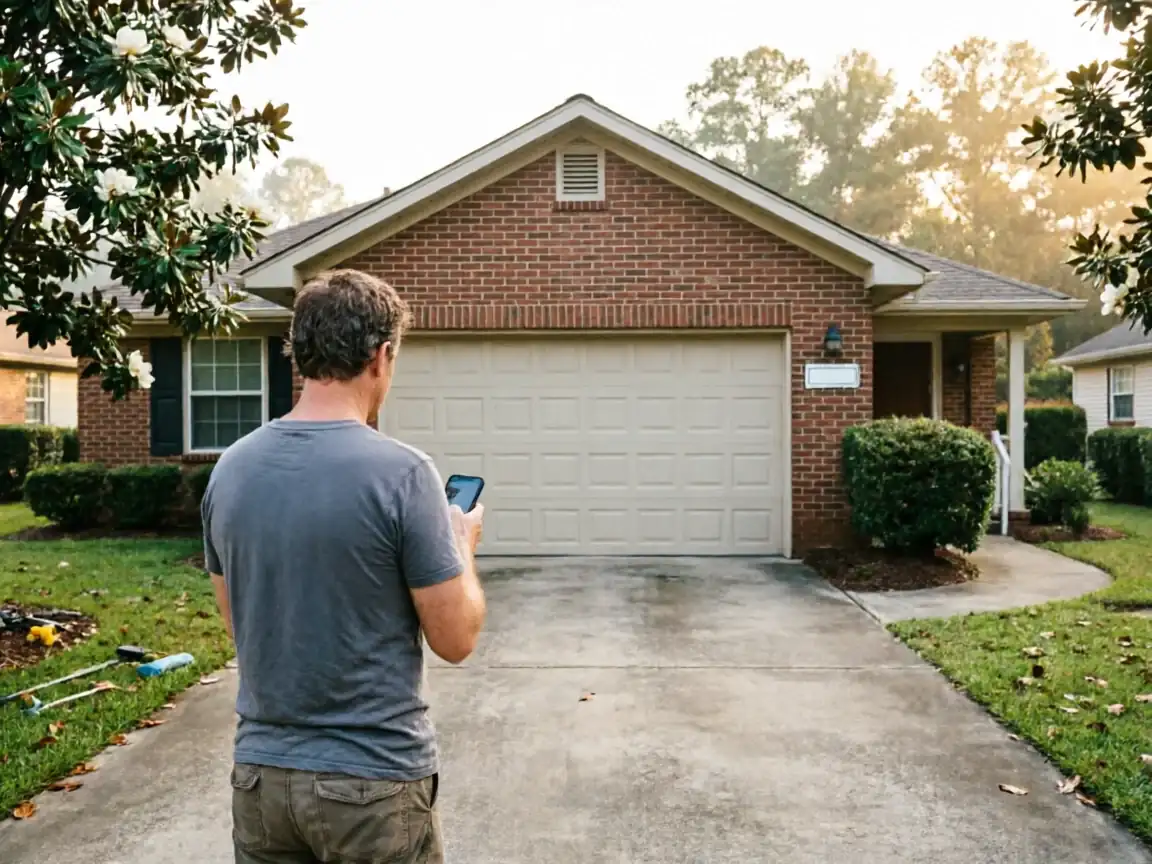
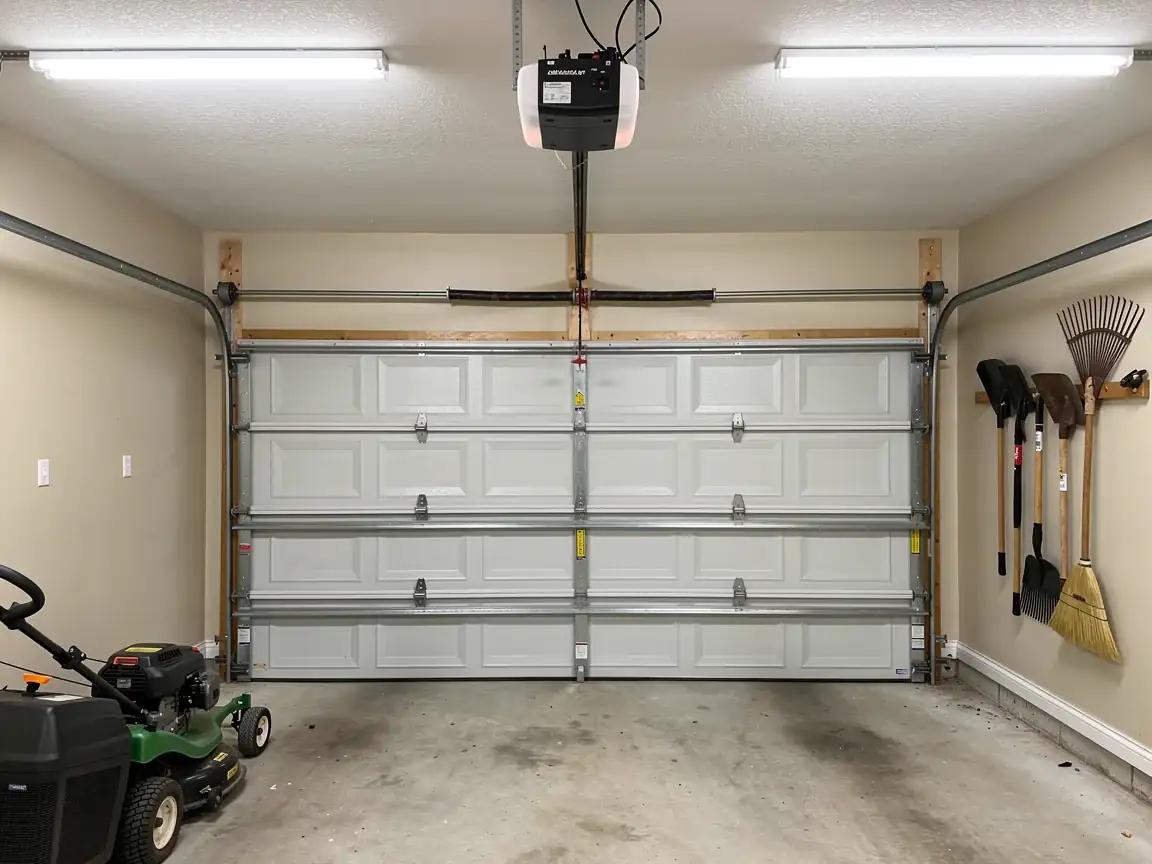
Most of the garage doors we see in Ladonia are still wearing what went in when the house was framed, somewhere around 1983. That means a single-layer steel door, a torsion spring sized for that lighter panel, and an opener bracket mounted on wood that's held up fine for forty years but wasn't built with today's heavier insulated doors in mind.
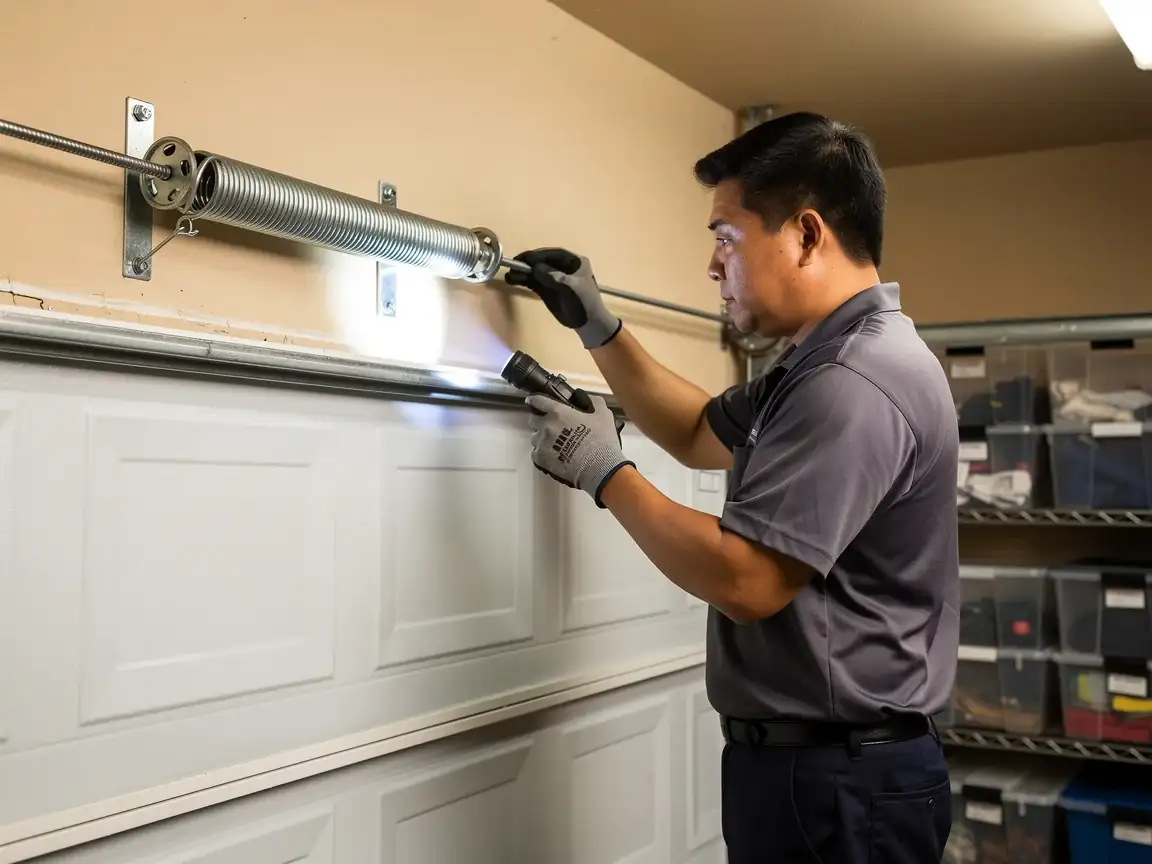
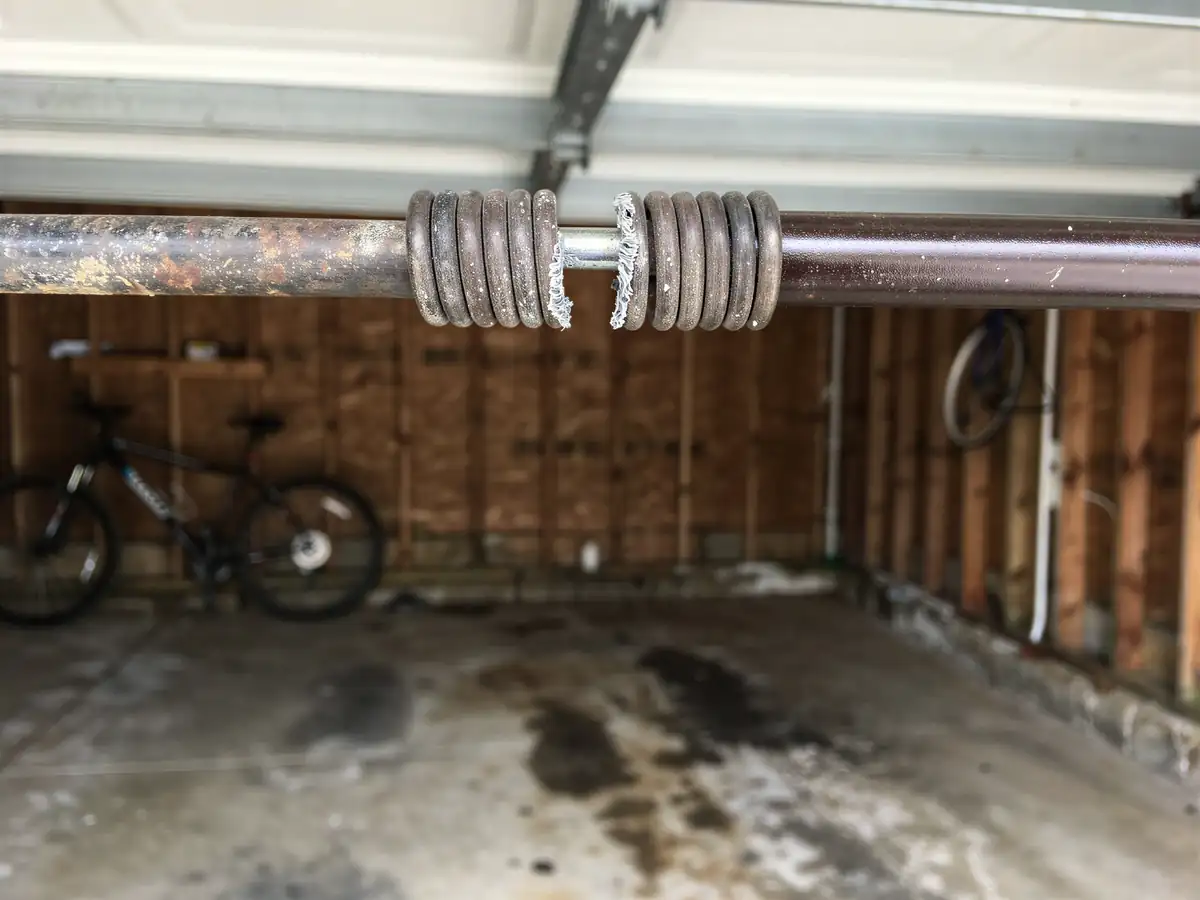
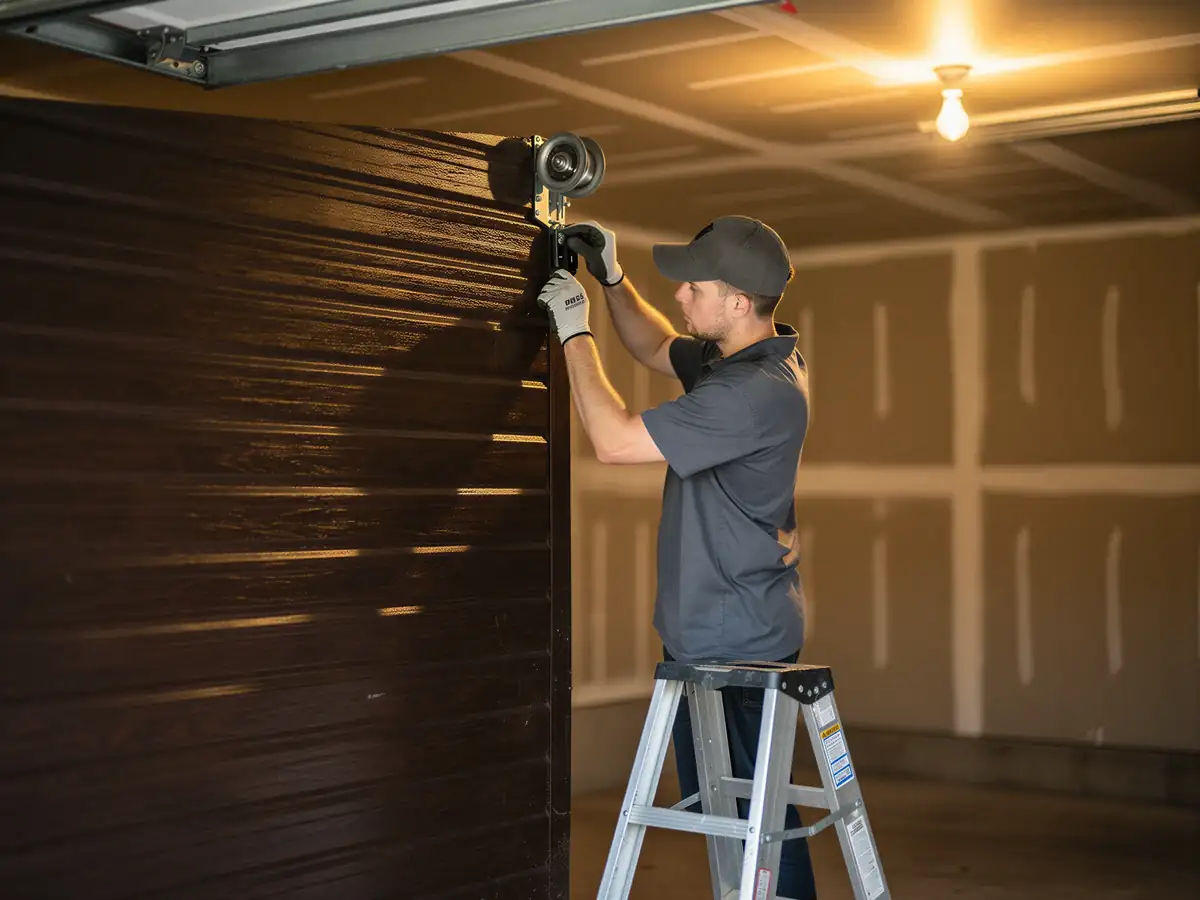
On install day we start at the header, not the door. If the opening's original lumber is sound, we reuse the jamb and set new track plumb against it. If the spring is still the factory size, we size up - most 1983-era torsion springs were matched to doors half the weight of what we install now, and running an undersized spring against a new door just burns out the opener motor faster.
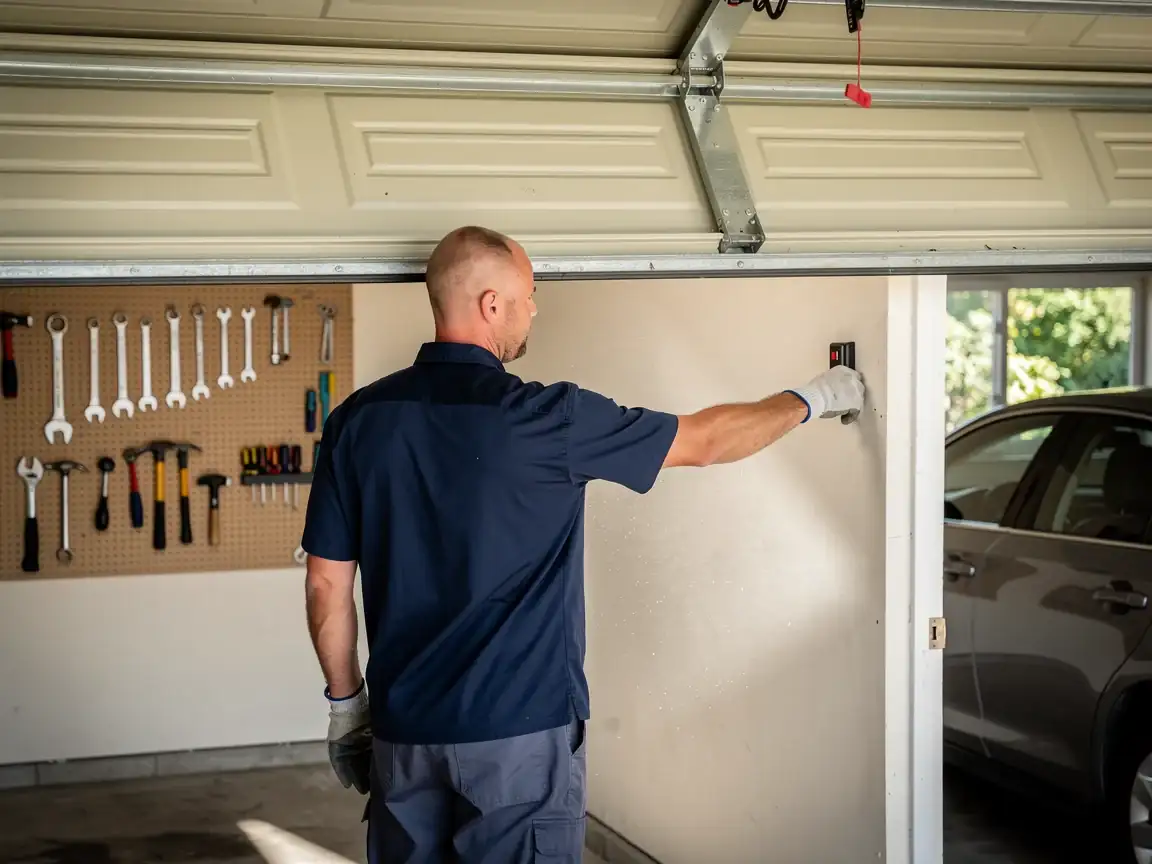
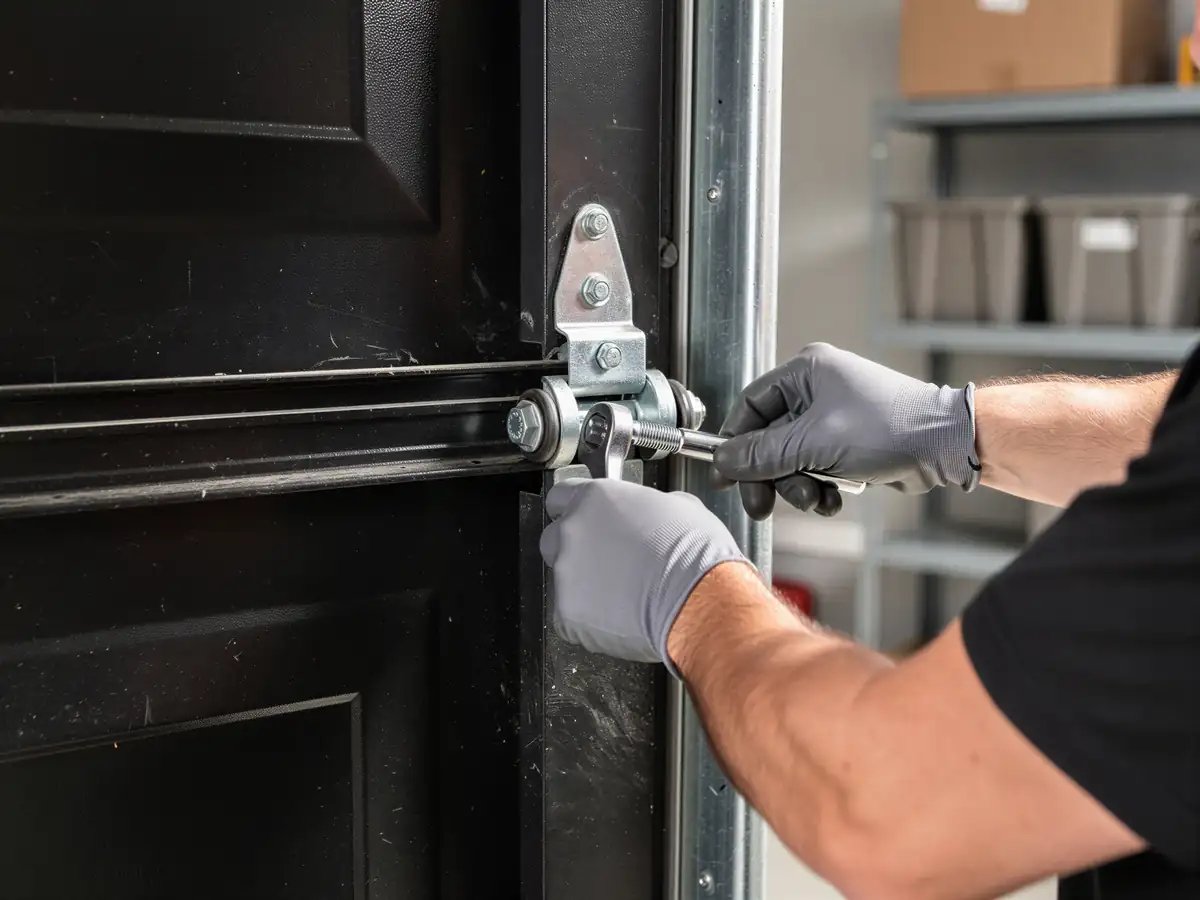
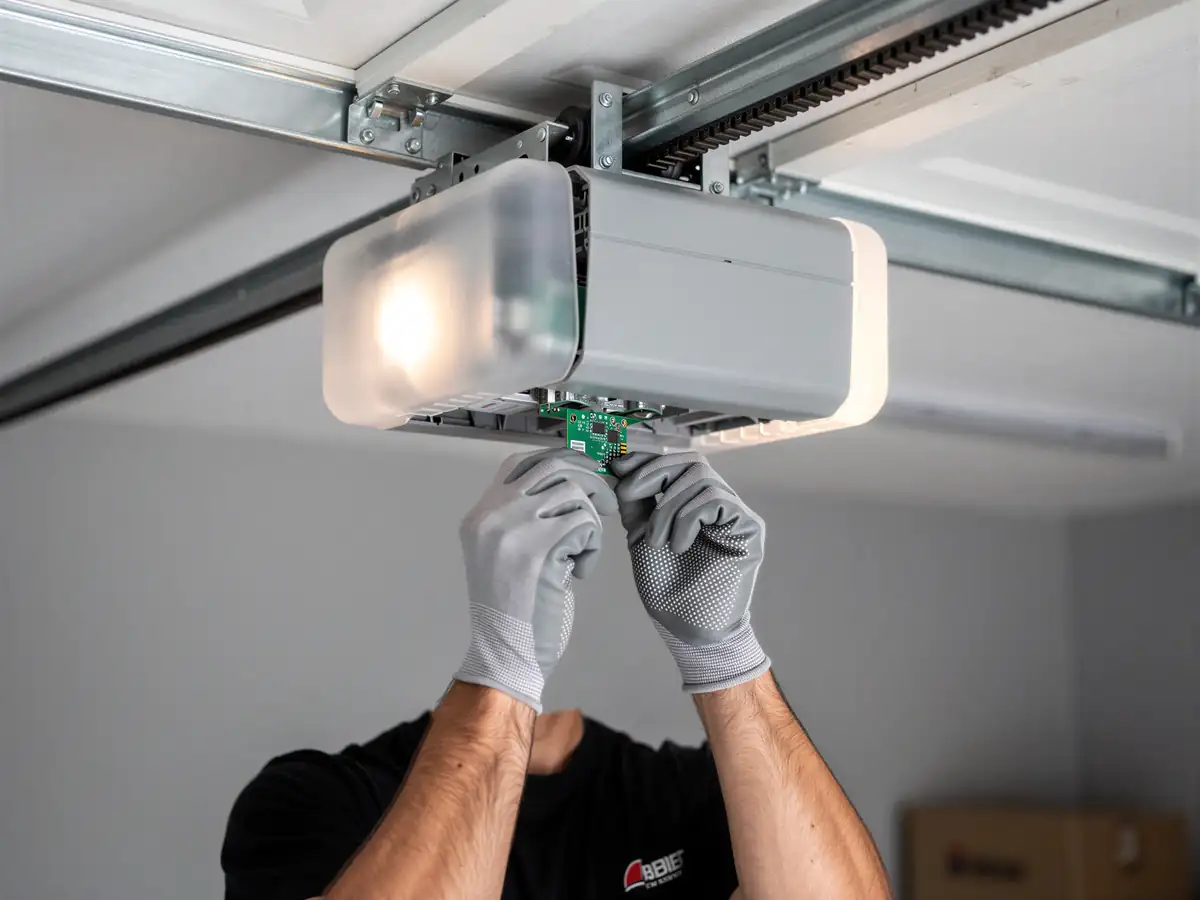
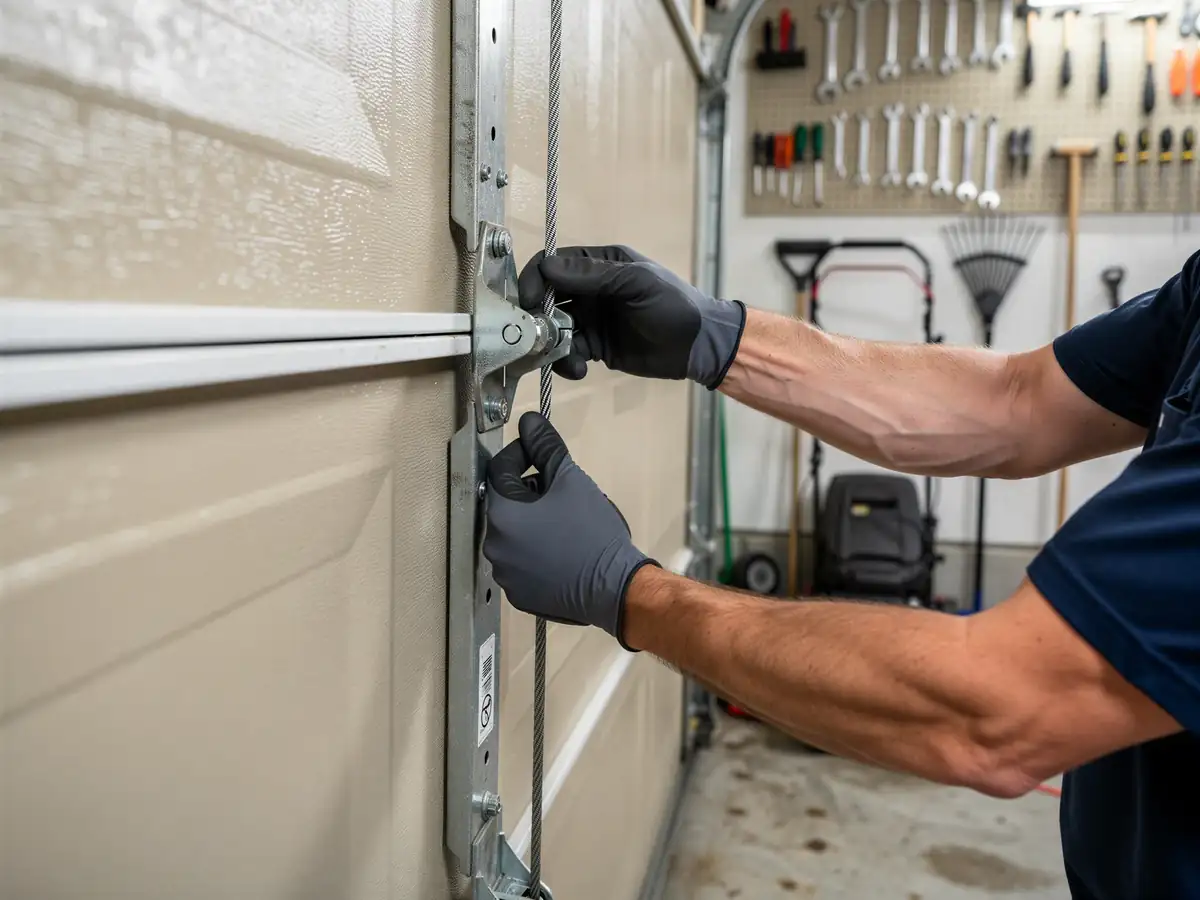
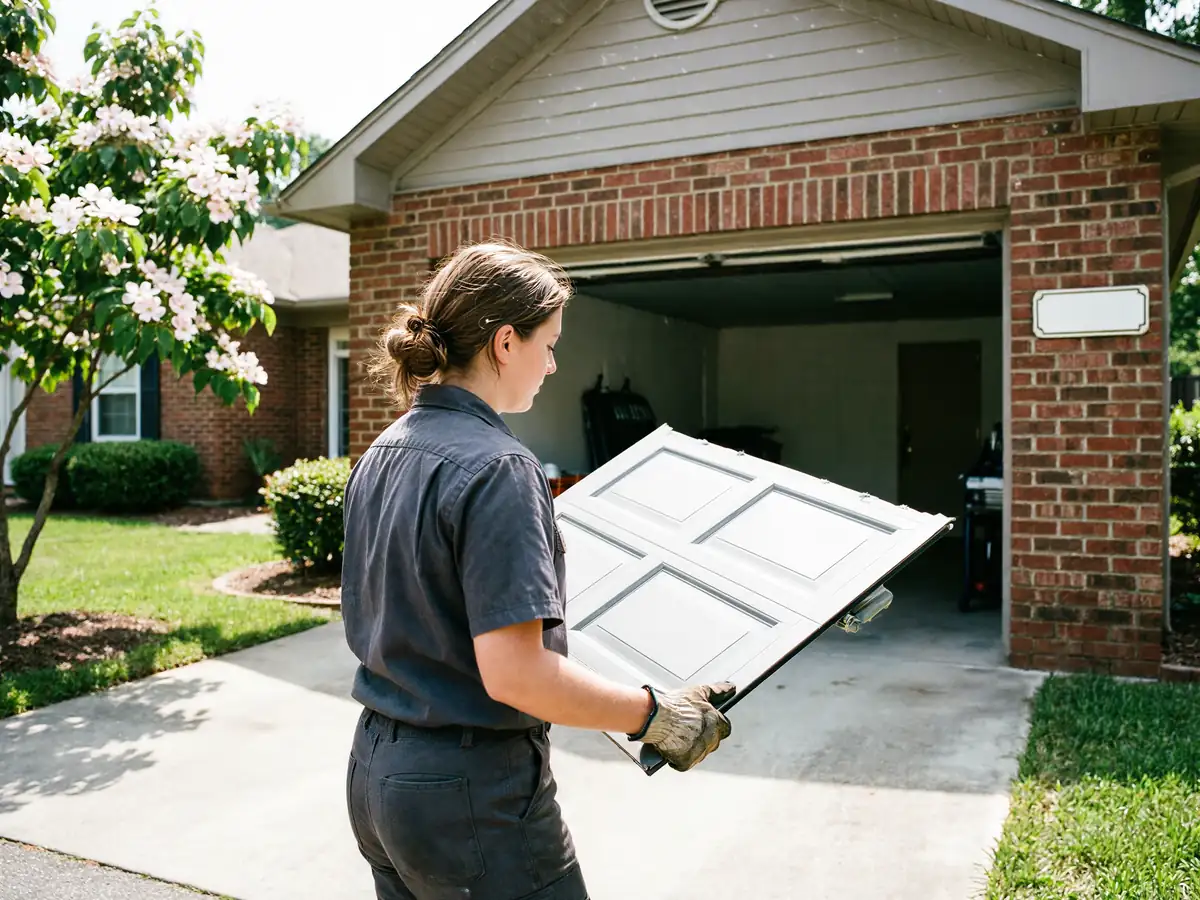
We pull the old door off the hinges whole where we can, so you're not stepping over panel sections in the driveway all afternoon. New track, new rollers, new bottom seal, and a spring cycle-rated for the door going in, not the one coming off. Opener swap is a separate line item if yours is original - most 1983 chain-drive units are still running, just loud and slow by current standards.
What Can Go Wrong
The most common failure we find on 1983-vintage Ladonia doors is a spring that's outlived its cycle count but never snapped clean - it just gets weaker every winter, and the door starts dropping fast on the way down. Homeowners usually notice it as "the door feels heavier" long before it actually breaks.
Second most common: the track brackets. Forty years of a slightly undersized spring working against a door panel that's sagged a quarter inch means the brackets have been carrying load they weren't meant to. We check those before we quote a straight swap.
The climate here runs mild with the occasional freeze, which isn't hard on hardware the way a true freeze-thaw region is, but it does mean condensation inside an uninsulated steel door on the handful of cold snaps each winter - something a double-layer door with a thermal break handles better than the single-layer panels common on 1983 builds.
One honest limitation: if the header itself has shifted or the opening is out of square, that's carpentry, not garage door work, and we'll tell you to get that looked at first rather than force a new door into a bad frame.
What You Are Seeing
If your door is original to a 1983-era Ladonia build
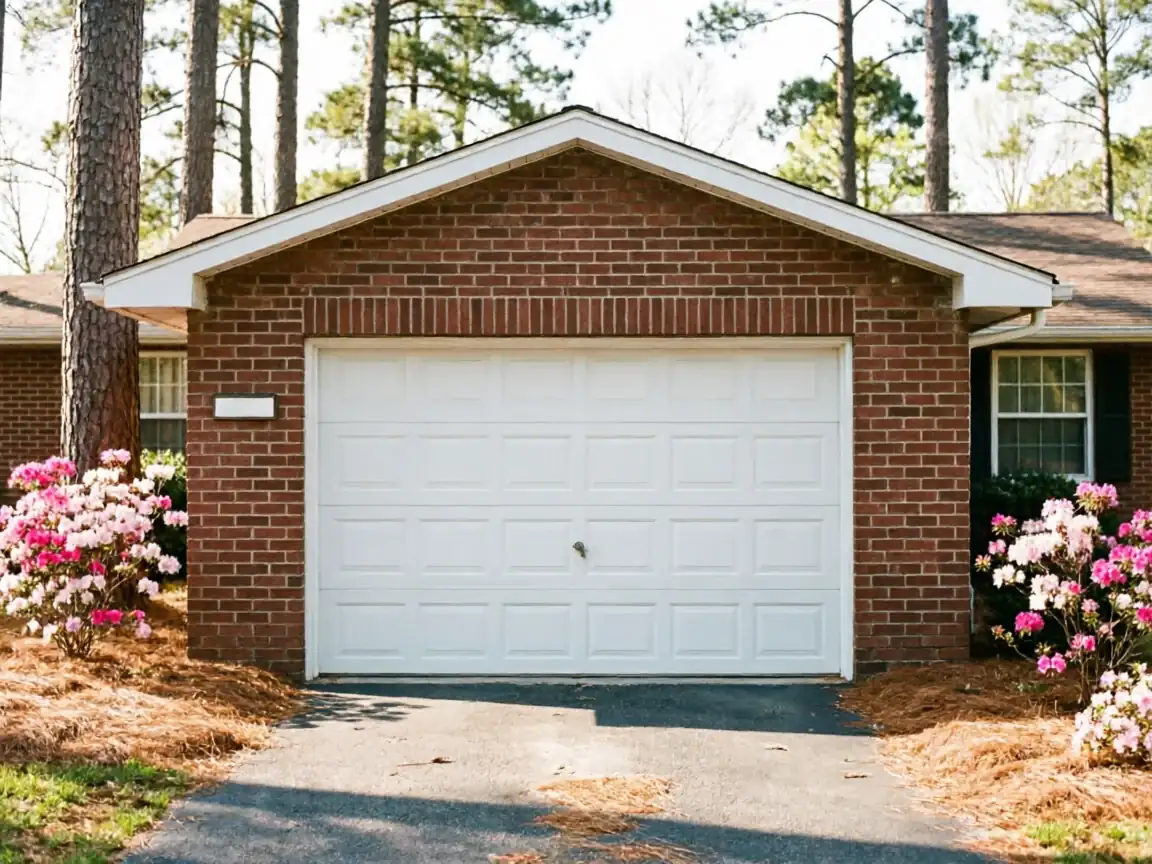
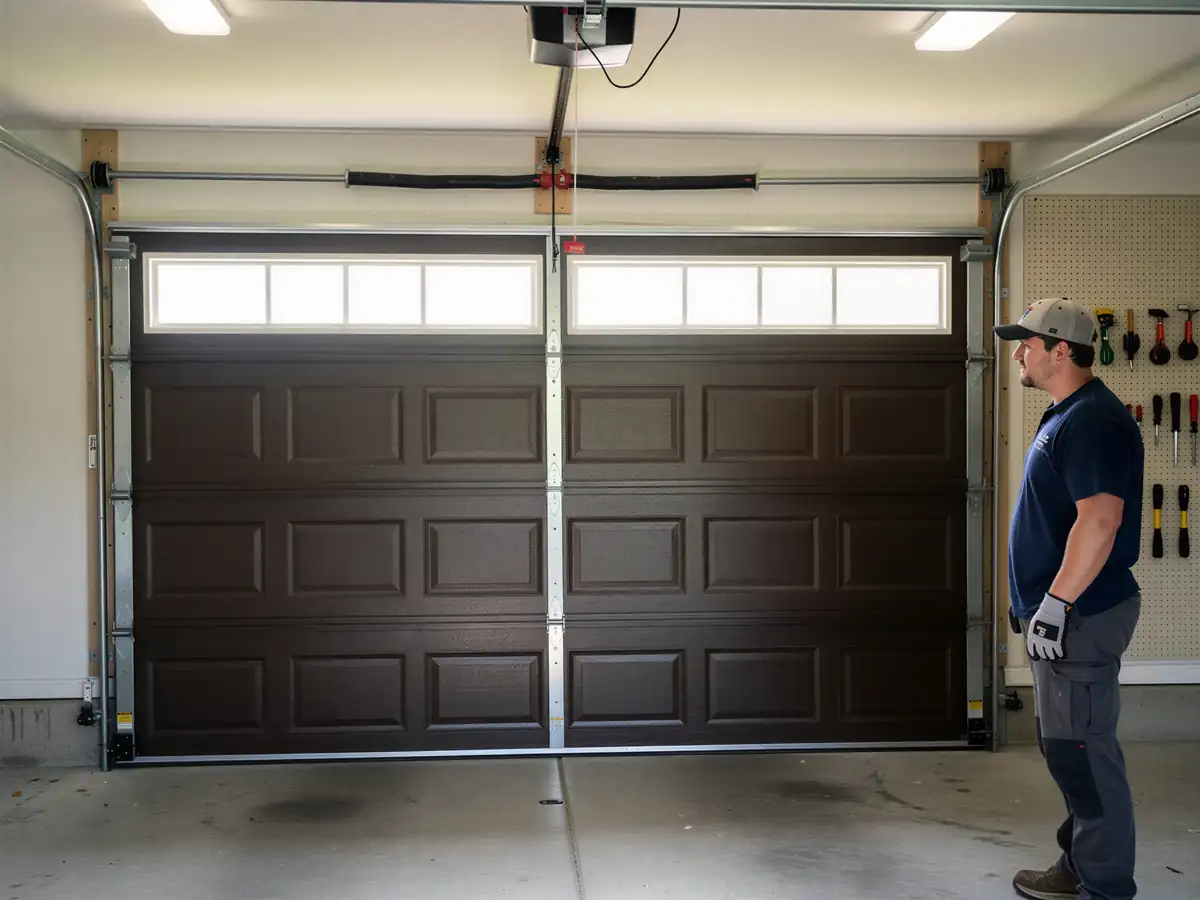
You're probably looking at a flat or mildly embossed steel panel with no windows, a single torsion spring mounted center-shaft, and a chain-drive opener that takes a beat to wake up when you hit the button. None of that is unusual for a house this age - it's just original equipment doing its job long past when most doors of that vintage get replaced.
Signs it's worth replacing rather than patching
Visible daylight at the bottom seal even with a new astragal, a spring that's been re-stretched or shimmed once already, rust starting at the bottom two panel sections where water sits, or an opener that strains audibly on the first three feet of travel - that's usually the spring, not the motor.
With 1,332 households in the Ladonia area
A lot of these symptoms are showing up around the same time, simply because the houses went up in the same few years.
- 1,332 households
The Cost of This Job
We don't have a set price to quote here without seeing the door, the opening, and whether the header needs any work - so we won't pretend otherwise. What we can tell you is what drives the number: door material and insulation level, whether the opener is being replaced at the same time, and whether the original track and spring size can carry over or need a full swap.
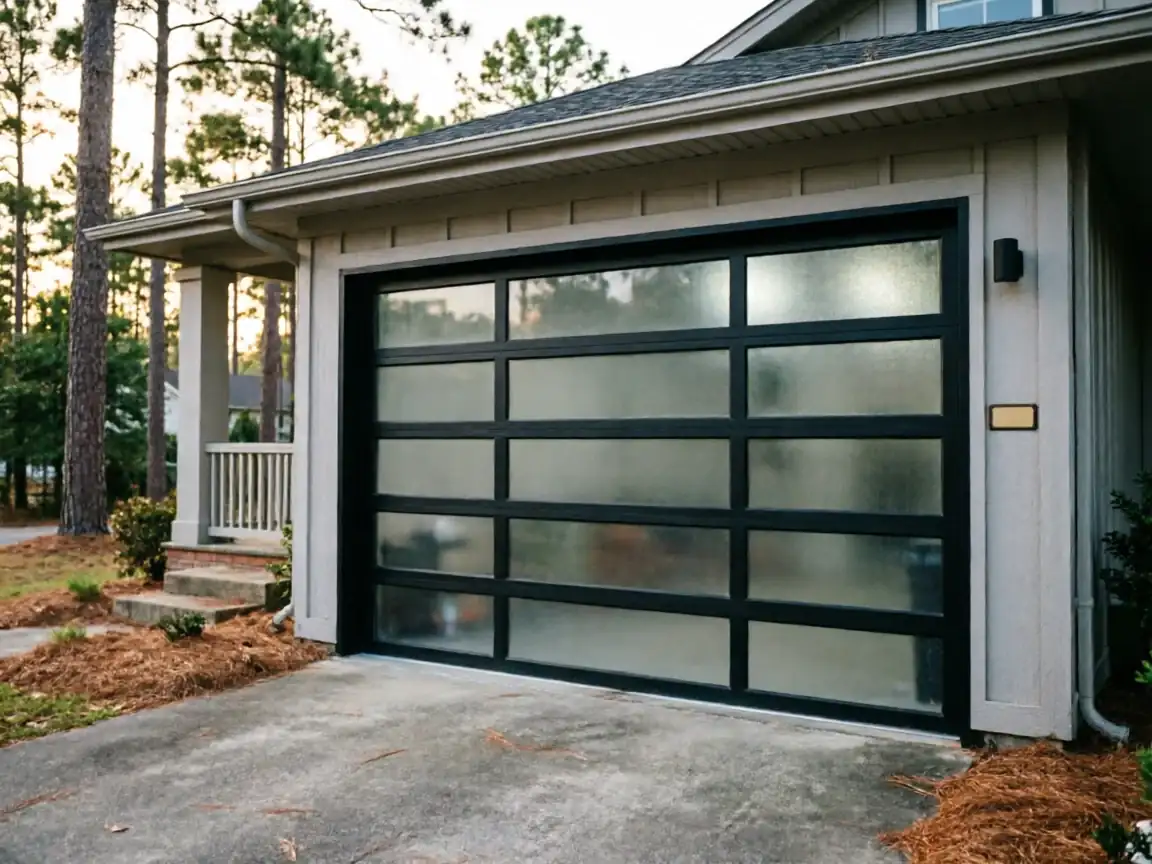
Median household income in Ladonia runs $52,045, noticeably below the $73,654 figure across the wider Columbus service area we cover - we mention that because it shapes the kind of quotes we write here. We're not pushing a top-tier insulated door with glass panels on a house that doesn't need it; we're quoting what the opening and the budget actually call for.
The one number we won't guess at is yours. Get the measurements right - width, height, headroom, and backroom - and the quote comes back tight. Guess at those and the number moves.
What Is on the Truck
For a Ladonia install we stage for 1980s-era openings specifically - the common widths and heights from that build period, plus the torsion spring range that matches them once we've upsized for a modern door. That's different stock than what we'd load for a newer subdivision closer to Columbus.
We carry standard track in the lengths that match low-headroom garages, since a lot of houses from this era were framed with less ceiling clearance above the door than current code calls for. Rollers in both nylon and steel, lift cables rated for single and double doors, and bottom seal in the two track gauges we actually run into out this way.
Openers go on the truck separately from the door - chain and belt drive both, since not everyone wants to replace a working opener just because the door's new. If a job calls for something outside standard stock - a custom width, a specific insulation spec - that's a special order, and we'll say so up front rather than make you wait on-site for a part that isn't coming today.
How to Book
We run out of Columbus, six miles up the road
So Ladonia jobs get scheduled as a trip out, not a drop-in - which just means we plan the truck load for your door before we leave, based on what you tell us about the opening and what's currently installed.
The fastest way to get an accurate quote is to measure the door width and height
Note whether you've got an automatic opener now, and mention if the door's original to the house. That lets us bring the right spring size and track length the first time instead of a second trip.
You can see what else we cover from the Columbus side on our Columbus garage door installation page
Or check the Ladonia service area page for what's specific to this stretch.