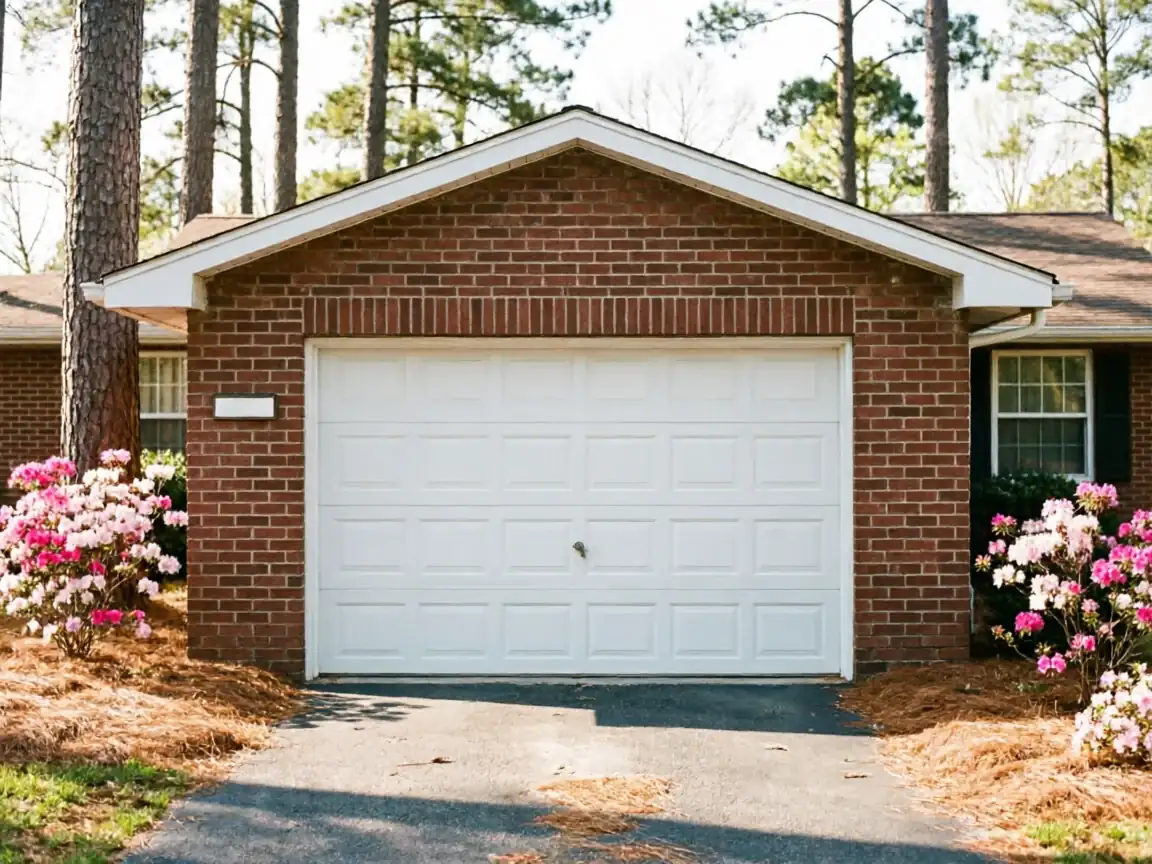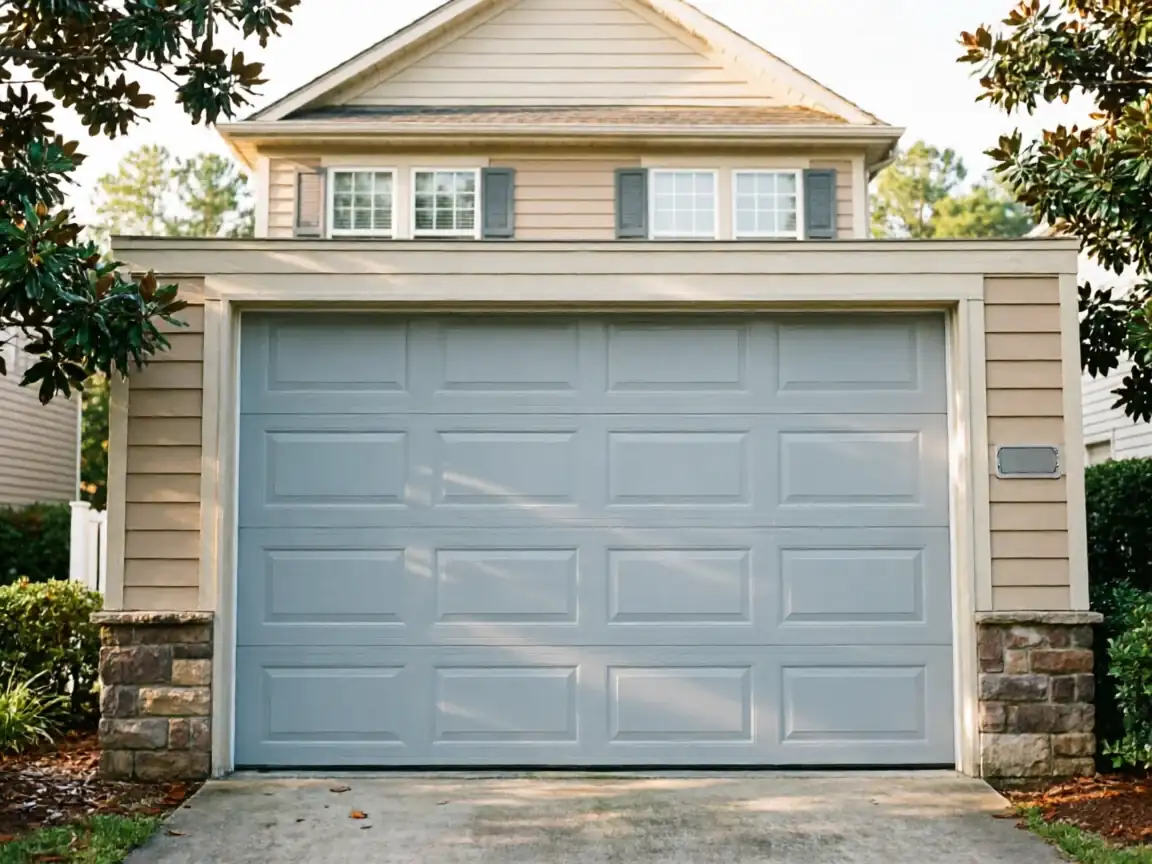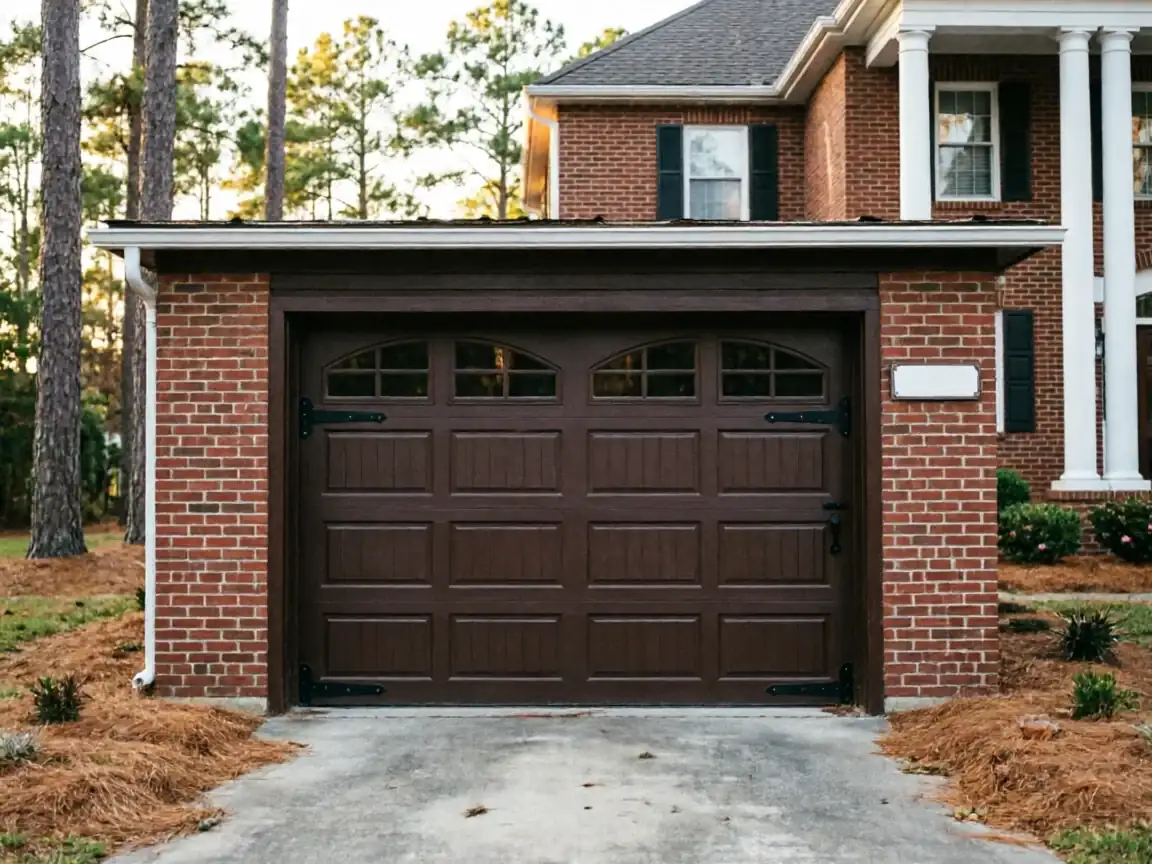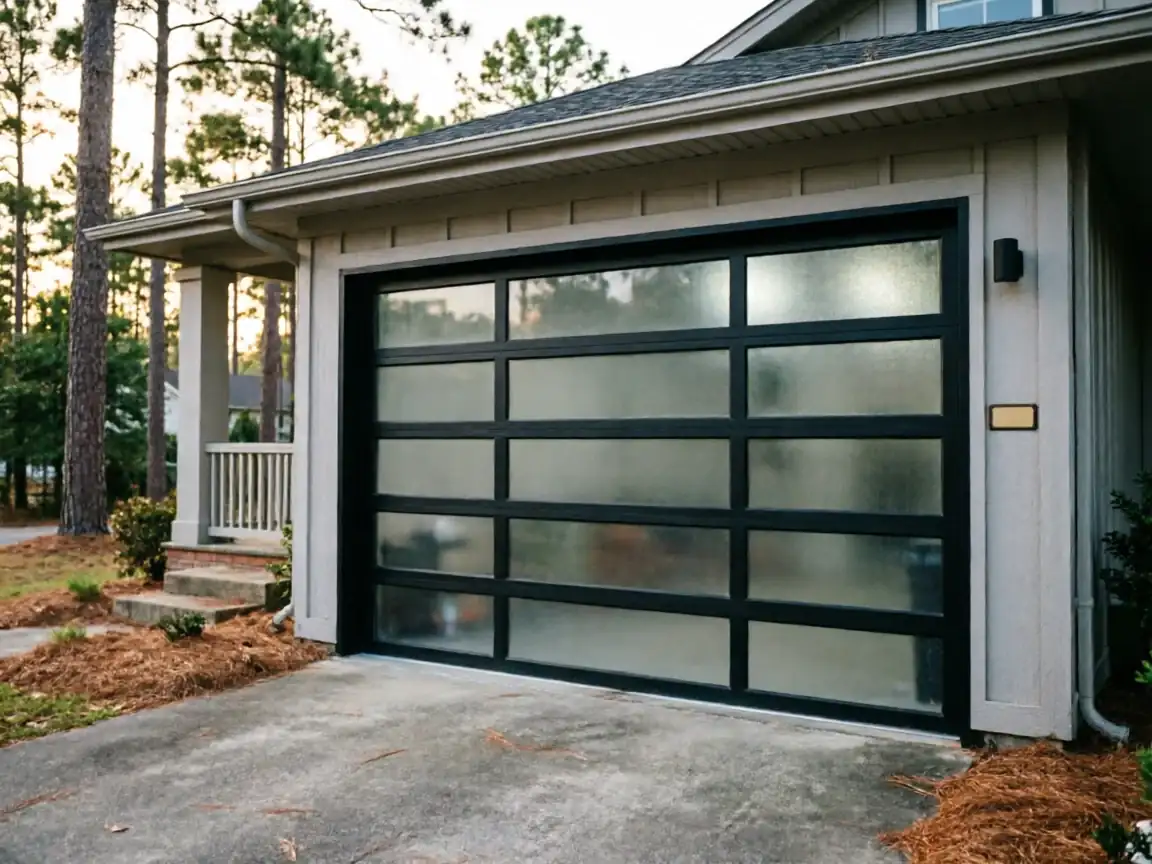
Why It Happens Here
Start with the number that actually matters for a repair call: Hamilton's median household income is $100,503, well above the $73,654 median across the rest of the area we cover. That gap changes the math on whether a door gets fixed or replaced. A $450 repair on a ten-year-old door is an easy yes at this income level - owners aren't stretching a broken spring into another two years the way a tighter budget might require.
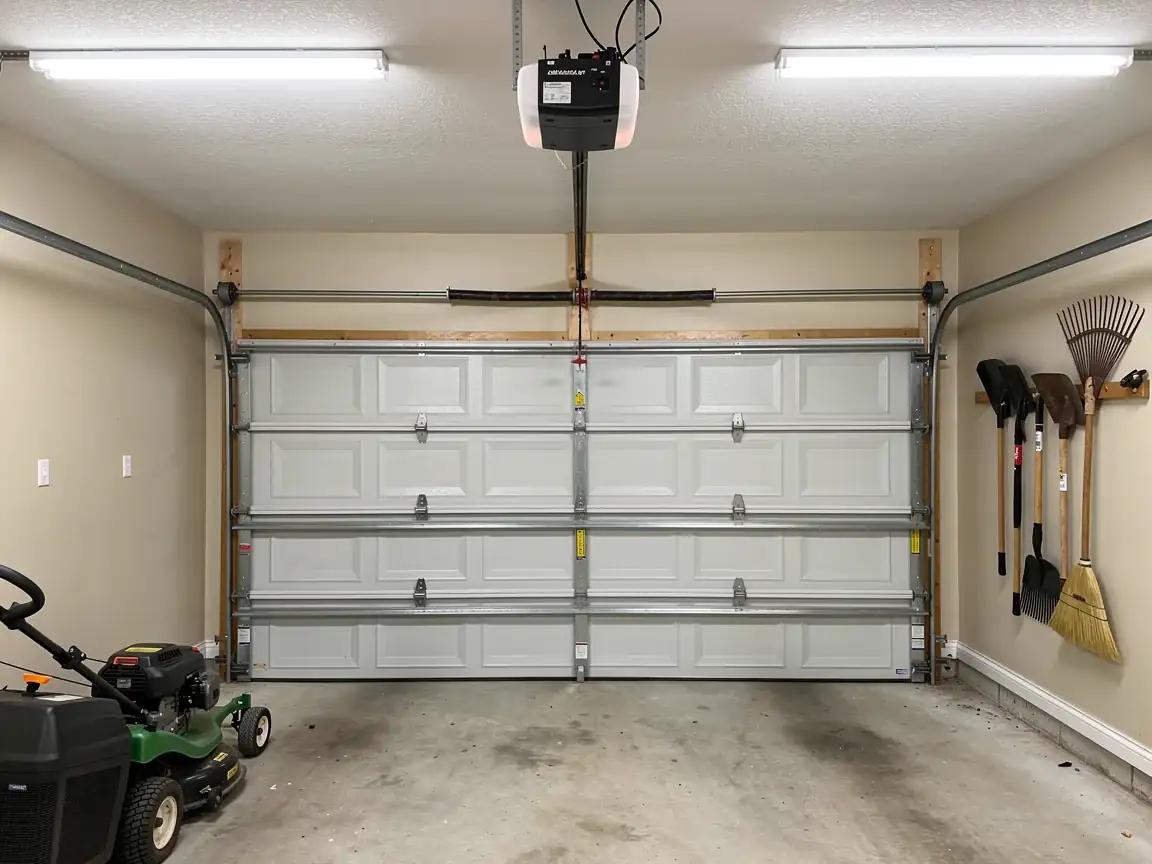
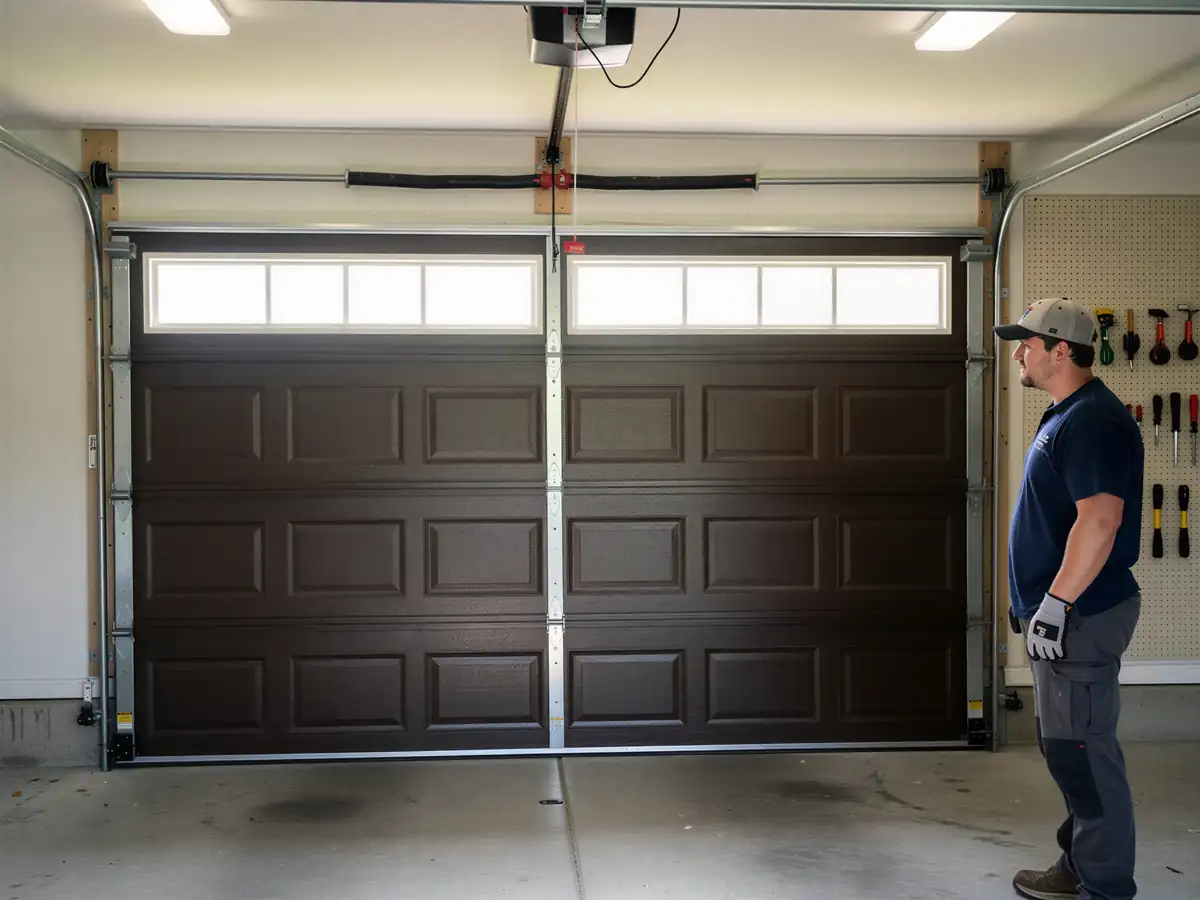
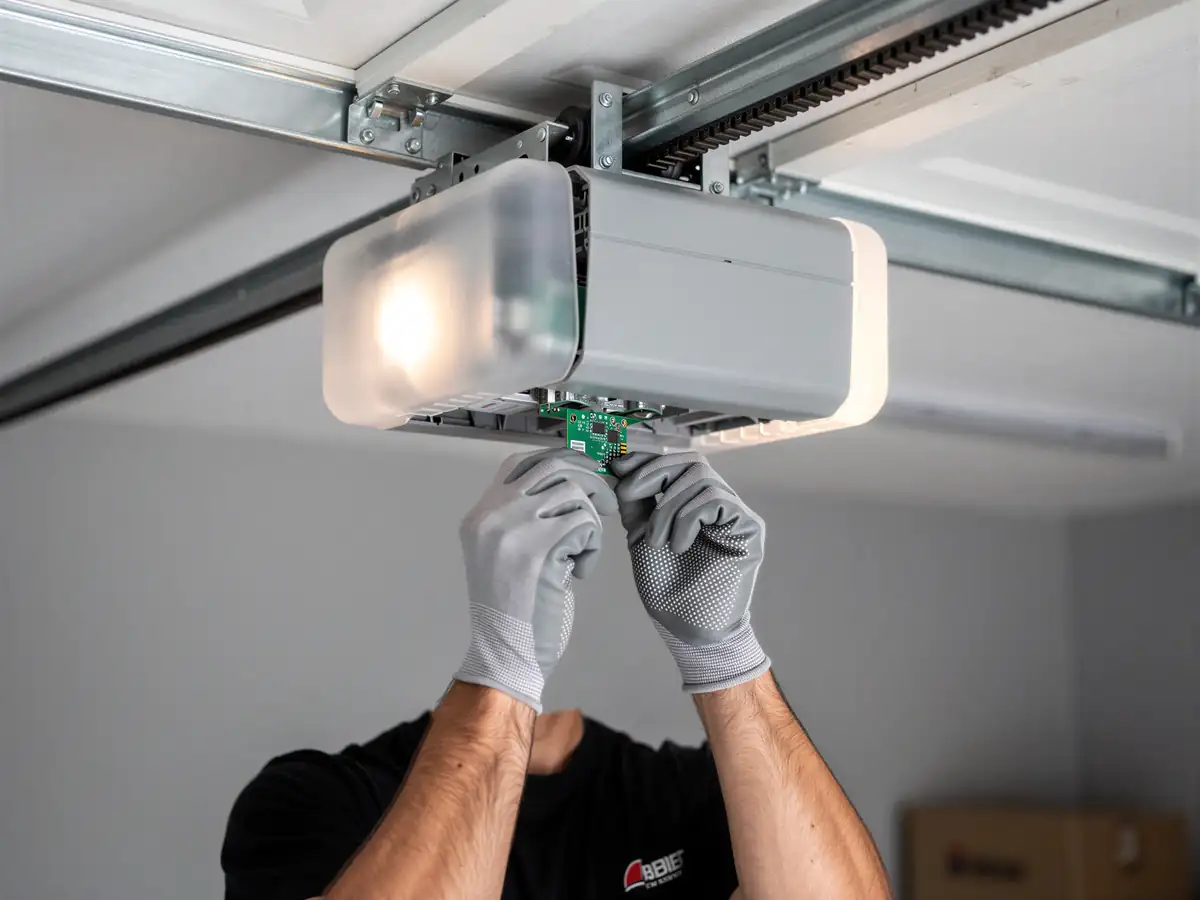
The housing stock backs that up. Hamilton's homes run newer than the area average - median year built around 2011, against a 1991 median across the broader service territory we work in. Newer construction means factory-installed torsion systems, steel sectional doors, and openers with circuit boards and rolling-code remotes rather than the older chain-drive units and mismatched replacement springs we see on 1970s and '80s stock elsewhere. The failures we find in Hamilton tend to be electronic - a failing logic board, misaligned safety sensors, a worn drive belt - more often than the raw spring fatigue that shows up on an older door that's been limping along for two decades.
The region sits in a mild climate with occasional freeze days, which still matters: a steel track that's gone a few years without lubrication can bind and strain the opener on a cold morning, even here.
How to Book
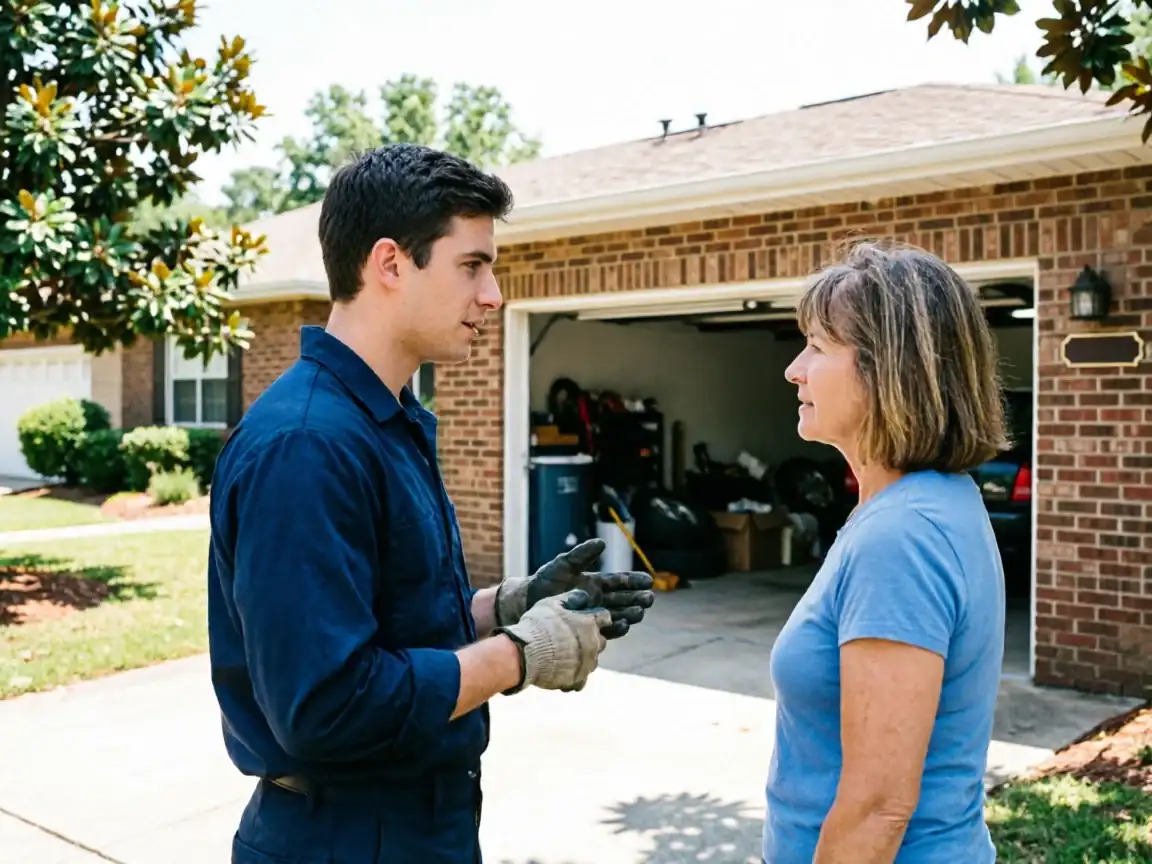
We're based in Columbus and travel out to Hamilton, about 18 miles from our shop. There's no local branch or drop-in counter in Hamilton itself - every job starts with a call so we know what we're driving out for and can bring the right spring size or sensor part the first time. Tell us the symptom: door won't open, opener runs but nothing moves, door reverses partway, remote stopped working. That lets us load the truck correctly before we leave Columbus rather than diagnosing blind and making a second trip.
For the service-area overview and what else we cover from Columbus, see our Hamilton service area page. If you're comparing this against repair work closer to Columbus proper, that's covered separately on our Columbus garage door repair page.
How Long It Takes
We don't post a response-time promise for Hamilton
The honest answer is that it depends on the day's route from Columbus and what's already on the truck. Most single-door repairs, whether it's a broken spring, a bad sensor, or an opener board swap, get finished in one visit once we're on site. What can stretch the timeline is parts: if a newer opener needs a specific control board from the manufacturer rather than a universal part we stock, that's a lead-time item, not a same-day fix. We'll tell you up front if that's the case rather than guessing.
Because Hamilton's housing skews newer, more of the work here involves ordering an exact-match part for a specific opener model instead of a generic torsion spring that fits almost any door - which is part of why we ask for the opener brand and door age on the phone before we drive out
What You Are Seeing
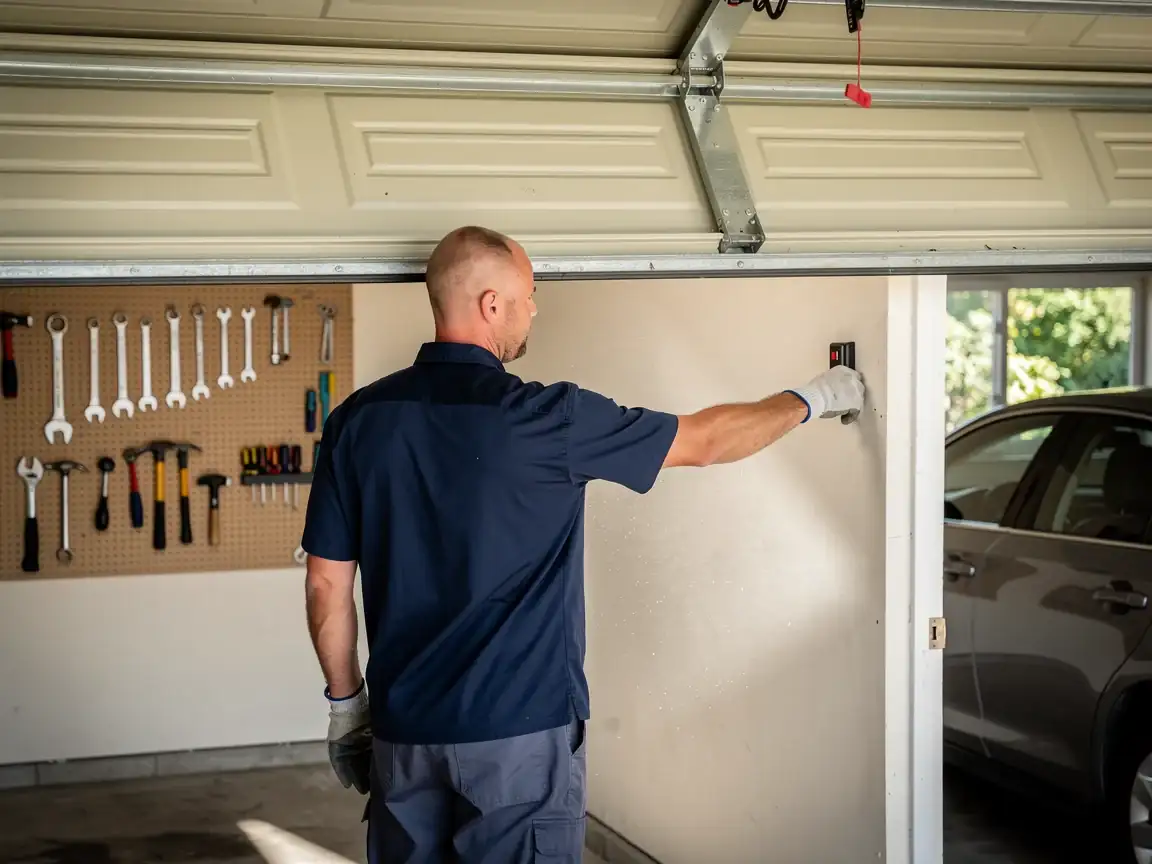
On a door built around the 2011 median for this area, the complaint usually isn't a snapped cable or a rusted-through track - it's electronic. The opener motor hums or runs but the door doesn't move: that's often a stripped drive gear or a disconnected trolley, not the motor itself. A door that reverses halfway up or won't close at all is almost always the safety sensors - the two small eyes near the floor track, a few inches off the ground, that have drifted out of alignment or picked up a smear of dirt on the lens.
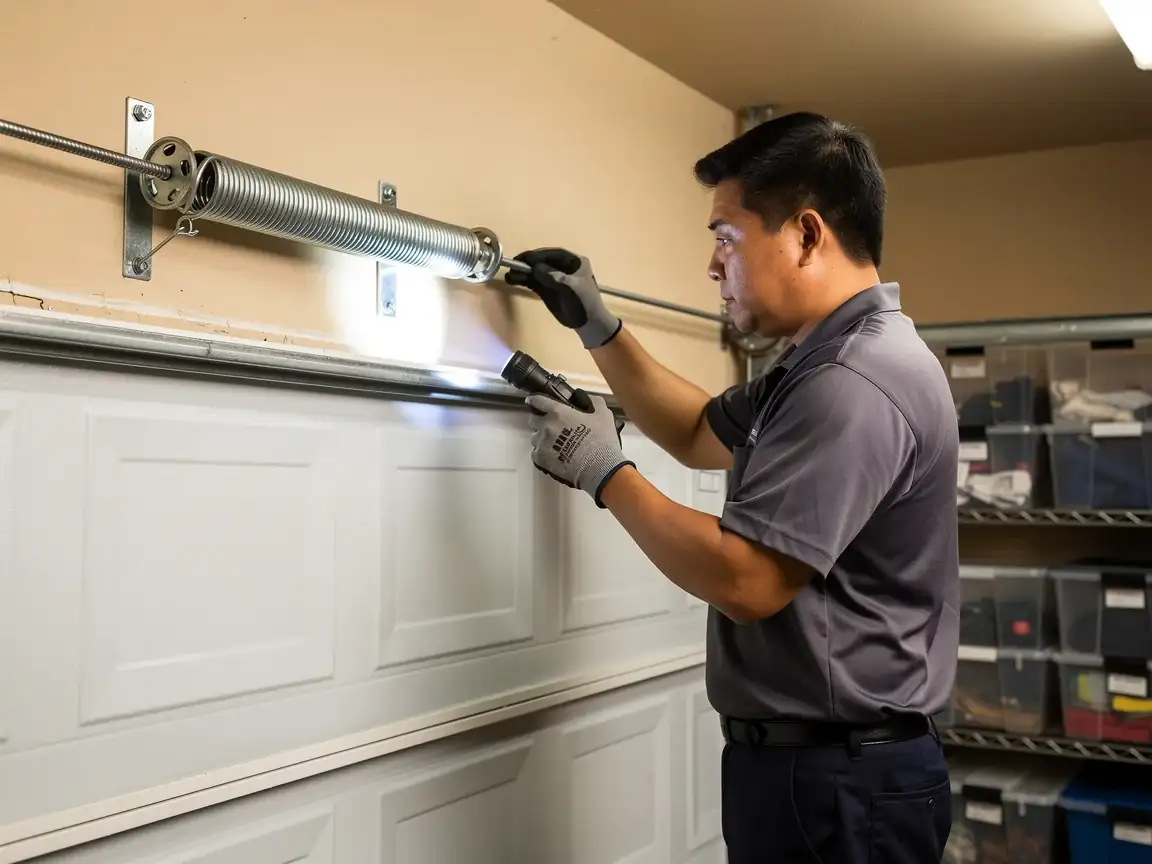
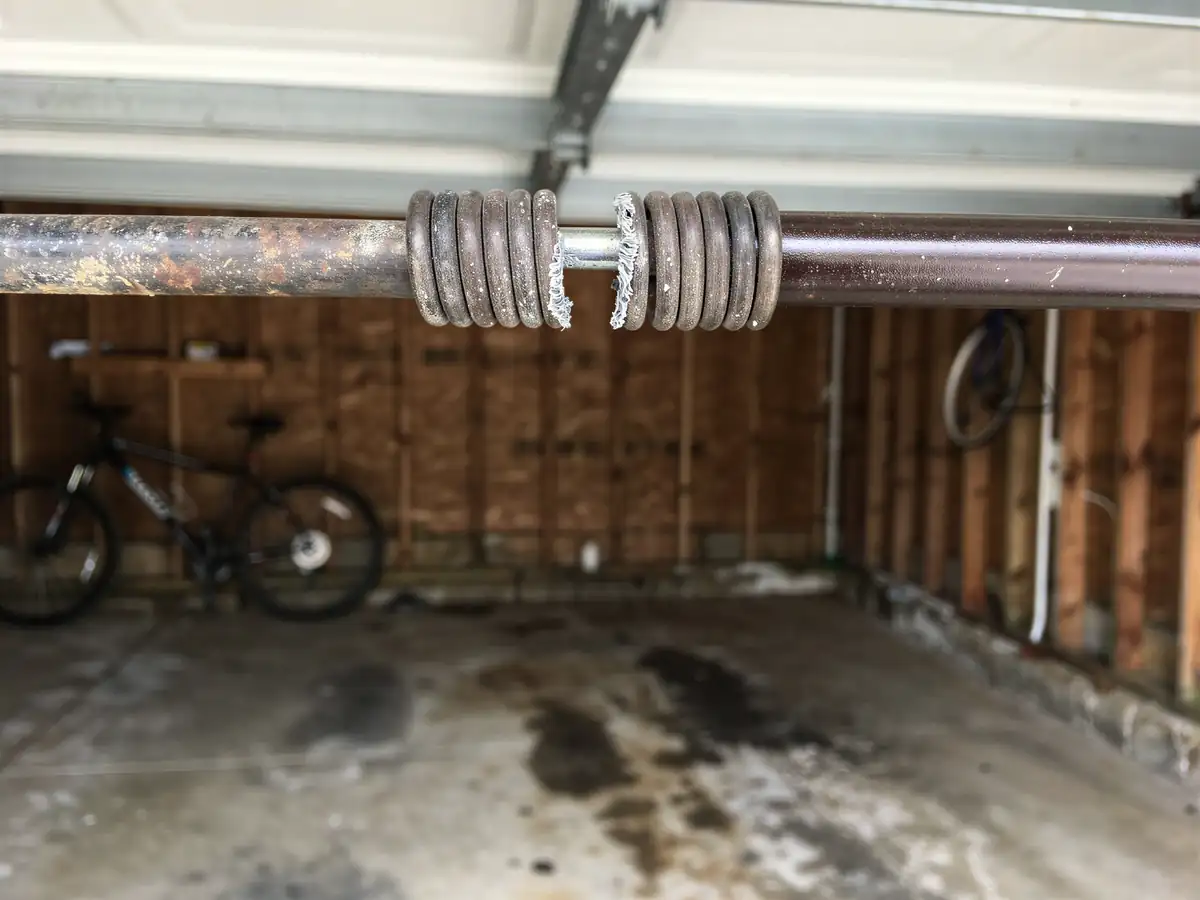
Older-stock symptoms - a spring that's visibly stretched or gapped, a door that feels twice as heavy as it used to - show up less often here, since factory torsion springs on doors this age are usually still inside their rated cycle count. When we do see a spring go on a newer door, it's more likely a one-off defect or a door that's been cycled hard (a home gym, a workshop) than general wear.
Doing It Yourself
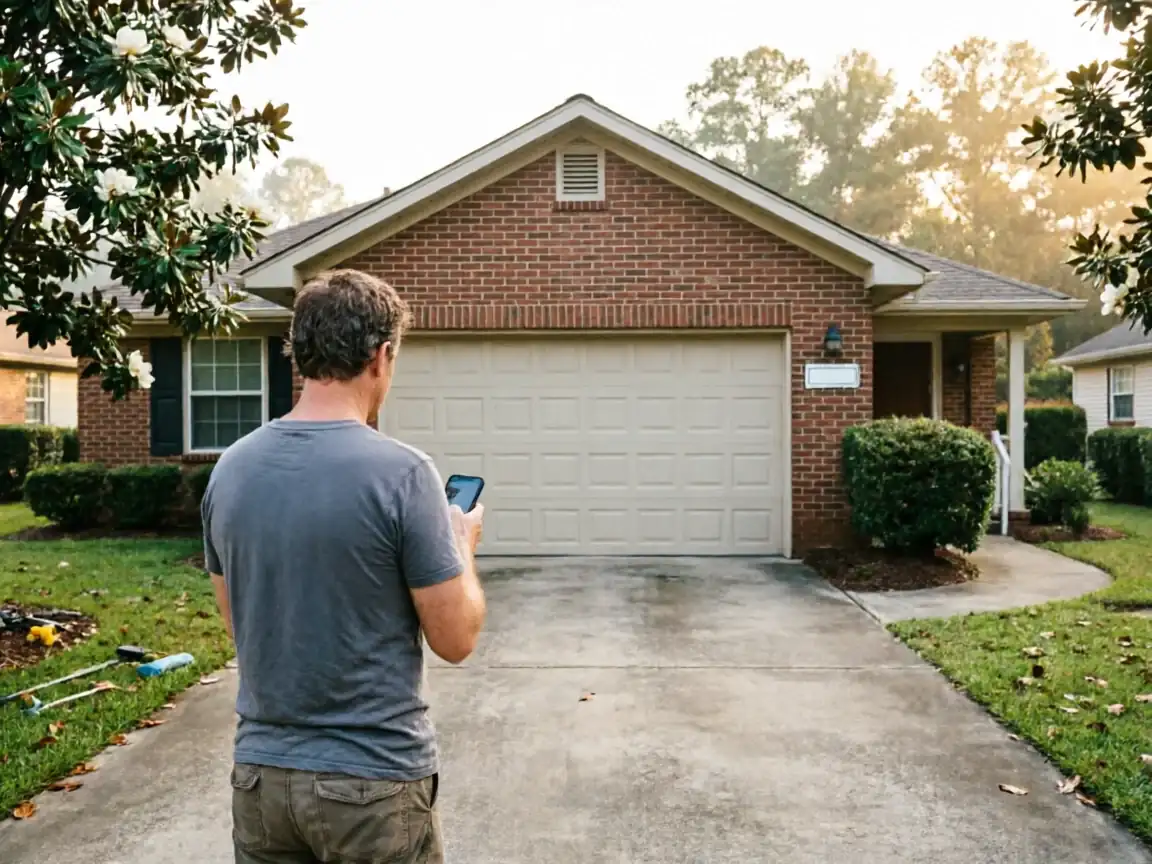
Check the obvious first: wipe the sensor lenses with a dry cloth and make sure nothing's blocking the beam between them - that fixes a surprising share of reversing-door calls with no tools at all. Replace the remote or wall-button battery before assuming the opener itself failed. Both are safe, five-minute checks.
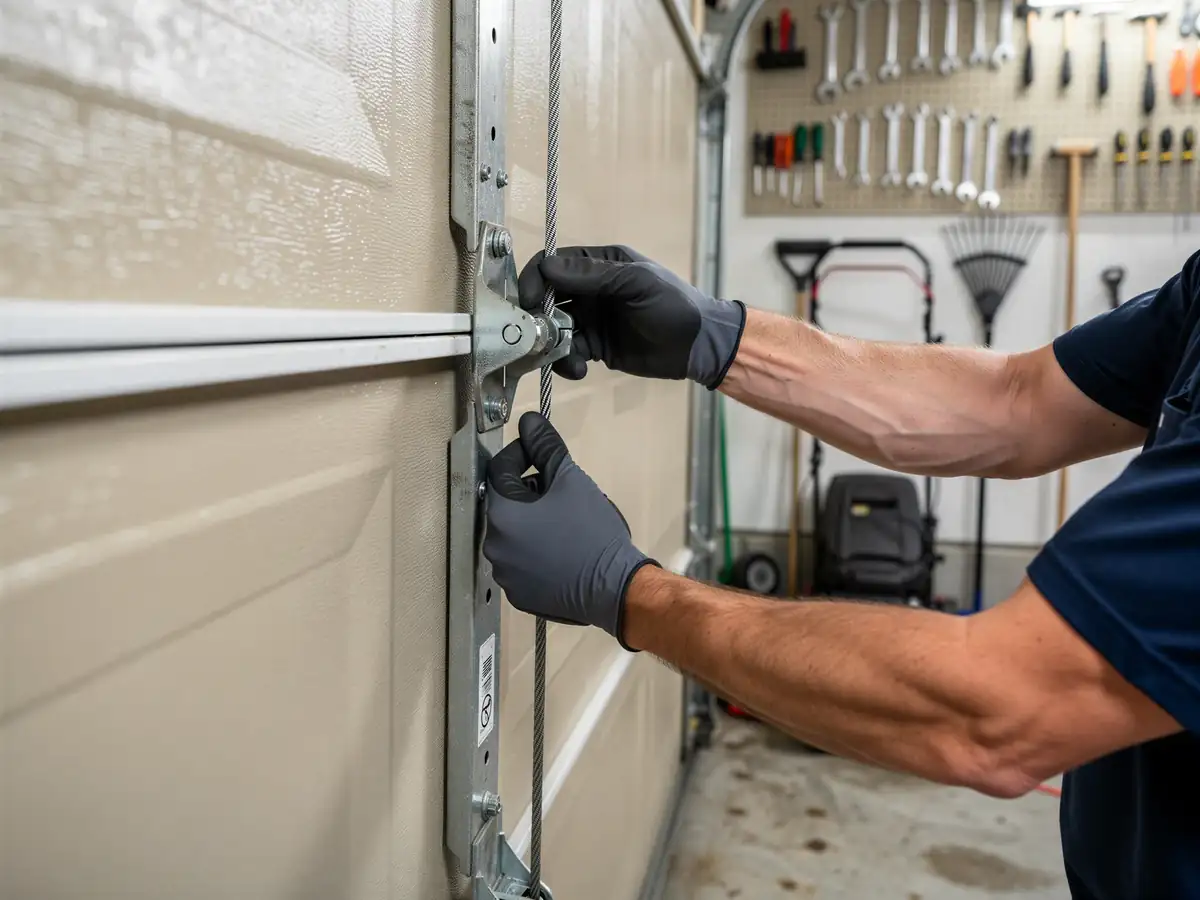
What we won't talk you through over the phone is anything involving the torsion spring or the cables under tension - that's true whether the door is new or old, and it's not about this town, it's about the physics of a spring wound tight enough to lift 150 pounds. If the fix is the opener's logic board, that's also not a DIY swap; a wrong part number on a modern opener can brick the unit. If you've checked sensors and batteries and the door still won't behave, that's the point to call rather than keep guessing.