Why It Happens Here
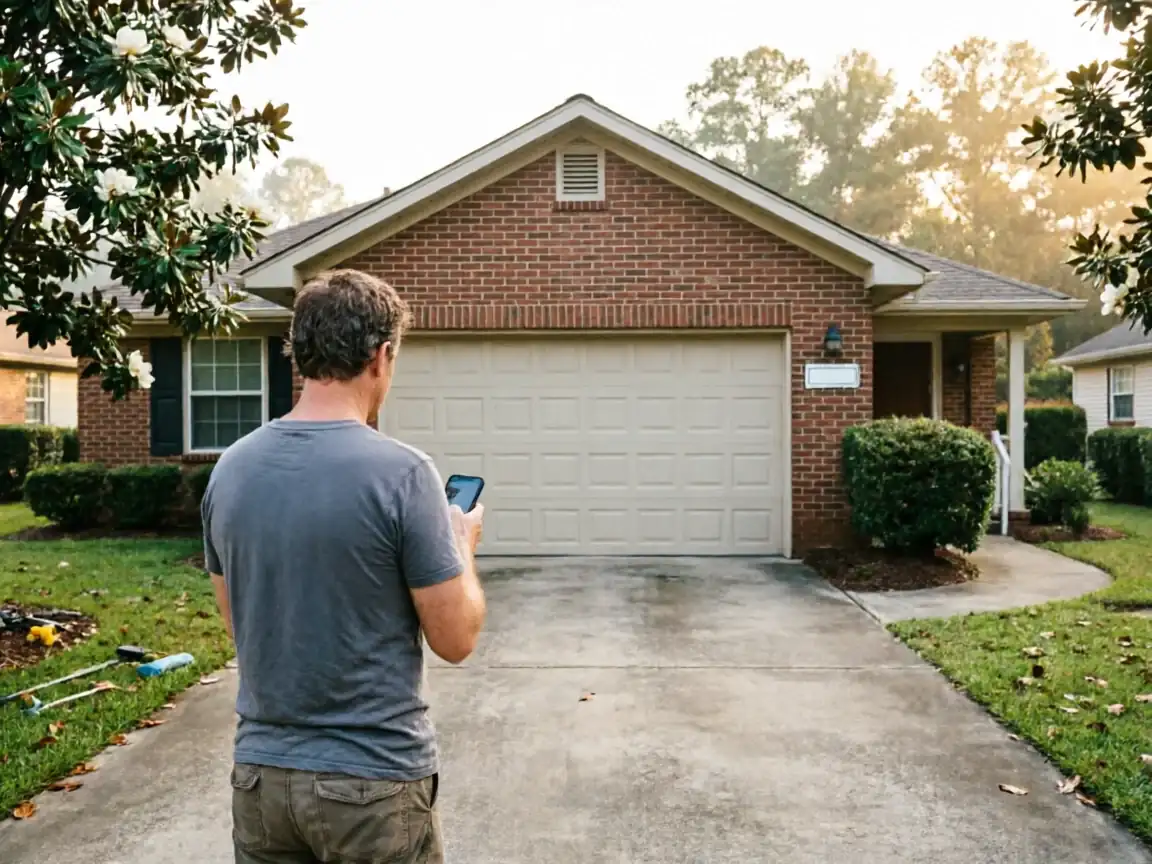
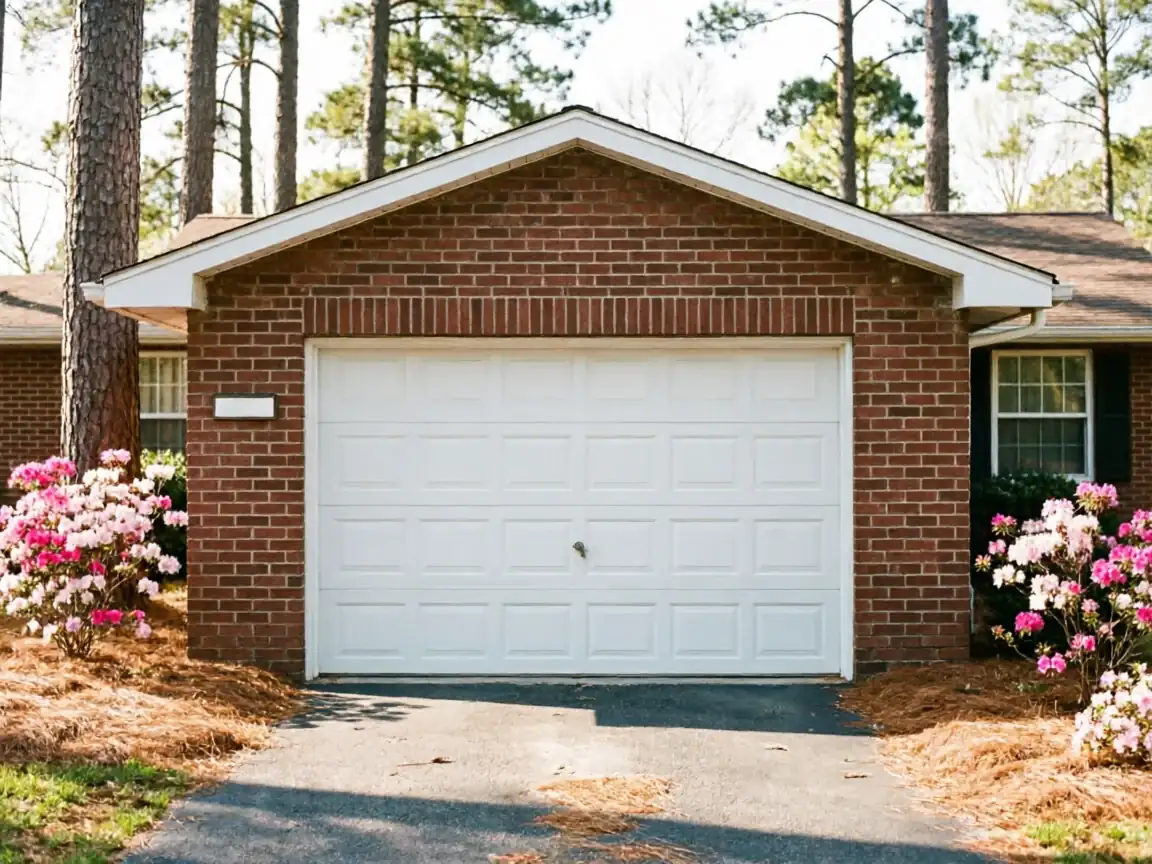
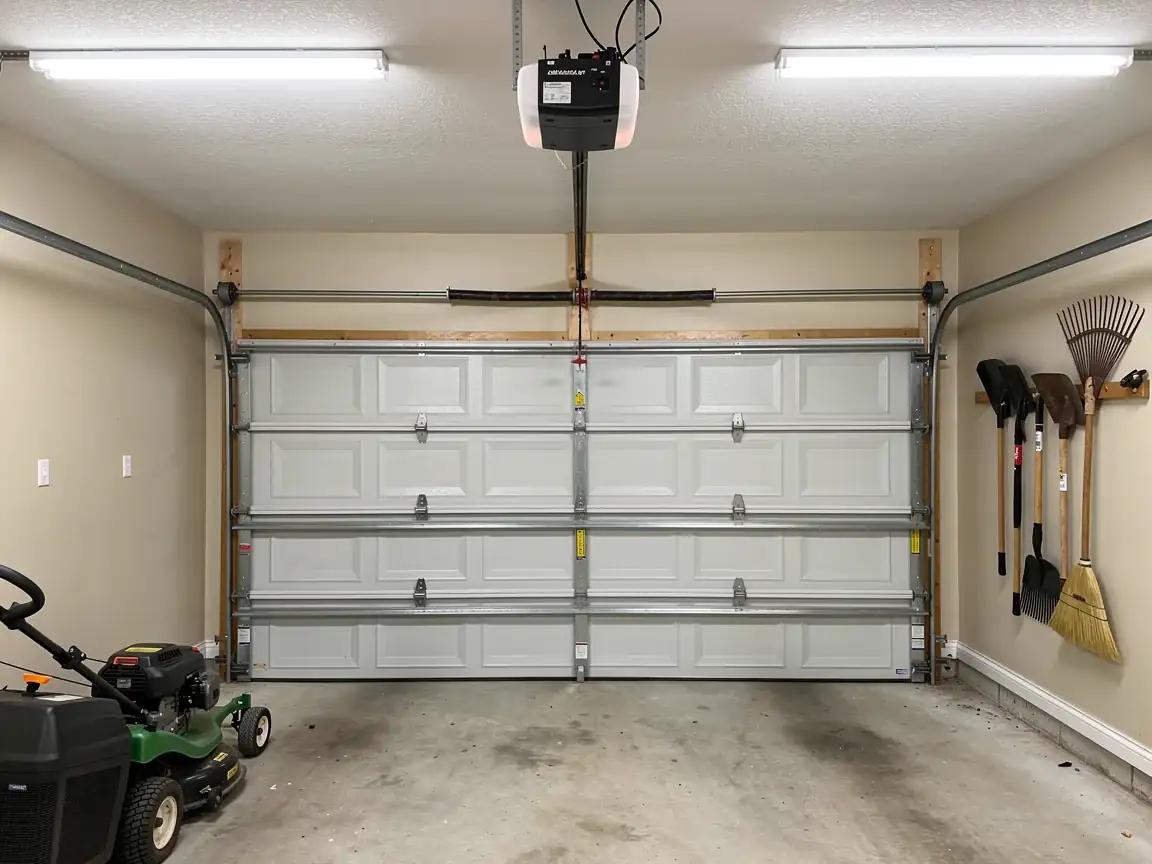
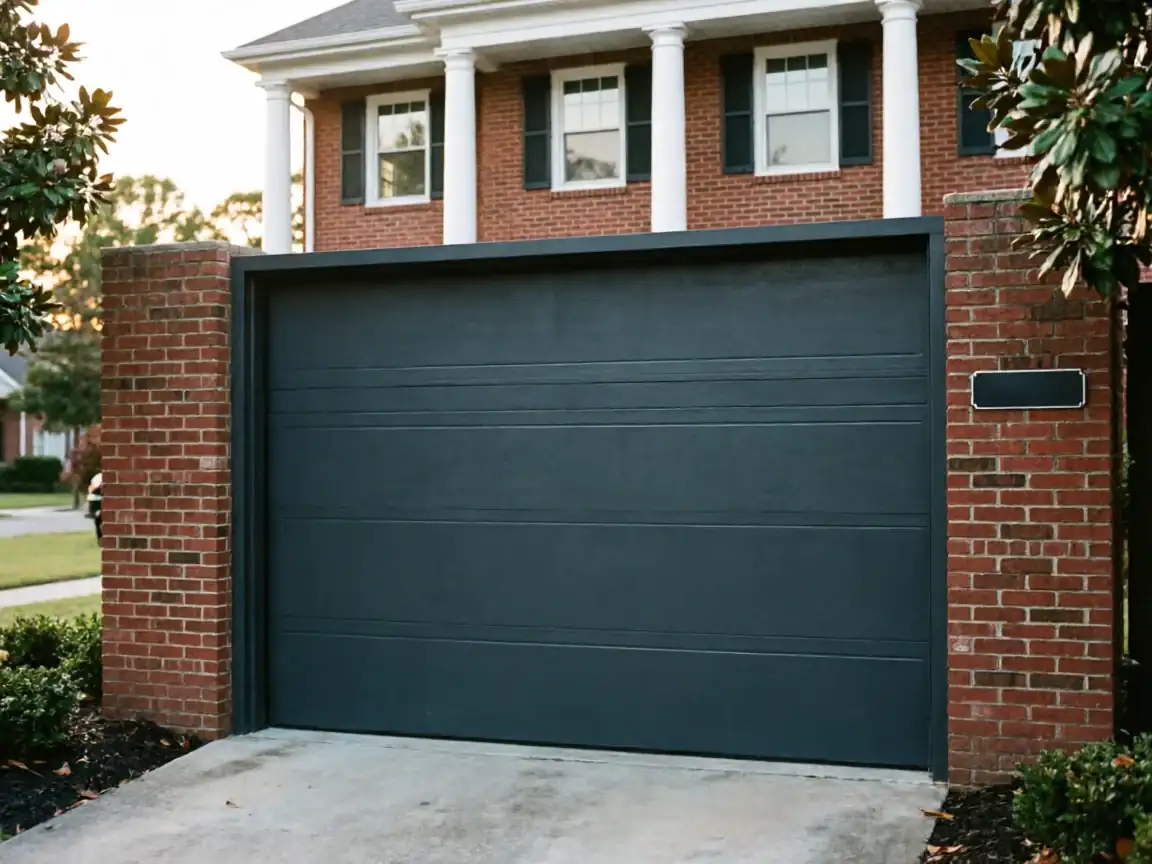
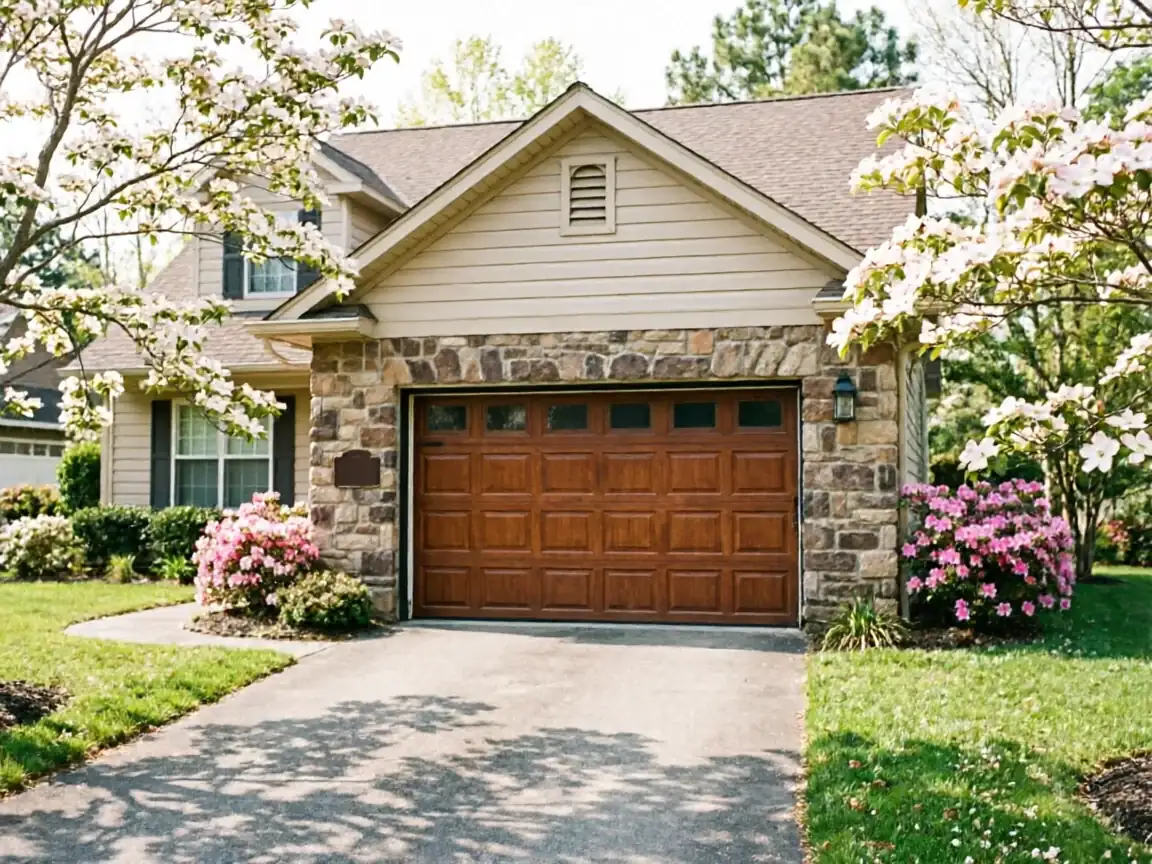
Hamilton skews younger than most of the territory we cover. The median home here went up around 2011, while the broader service area runs 1972 through 2011 with a lot of 1980s-90s stock mixed in. That gap matters for panels. A door installed in 2011 is almost certainly a factory steel sandwich panel - two layers of galvanized steel with foam between them - on a standard torsion spring setup, not the thinner single-skin doors or odd regional hardware you find on an older house built in the 80s.
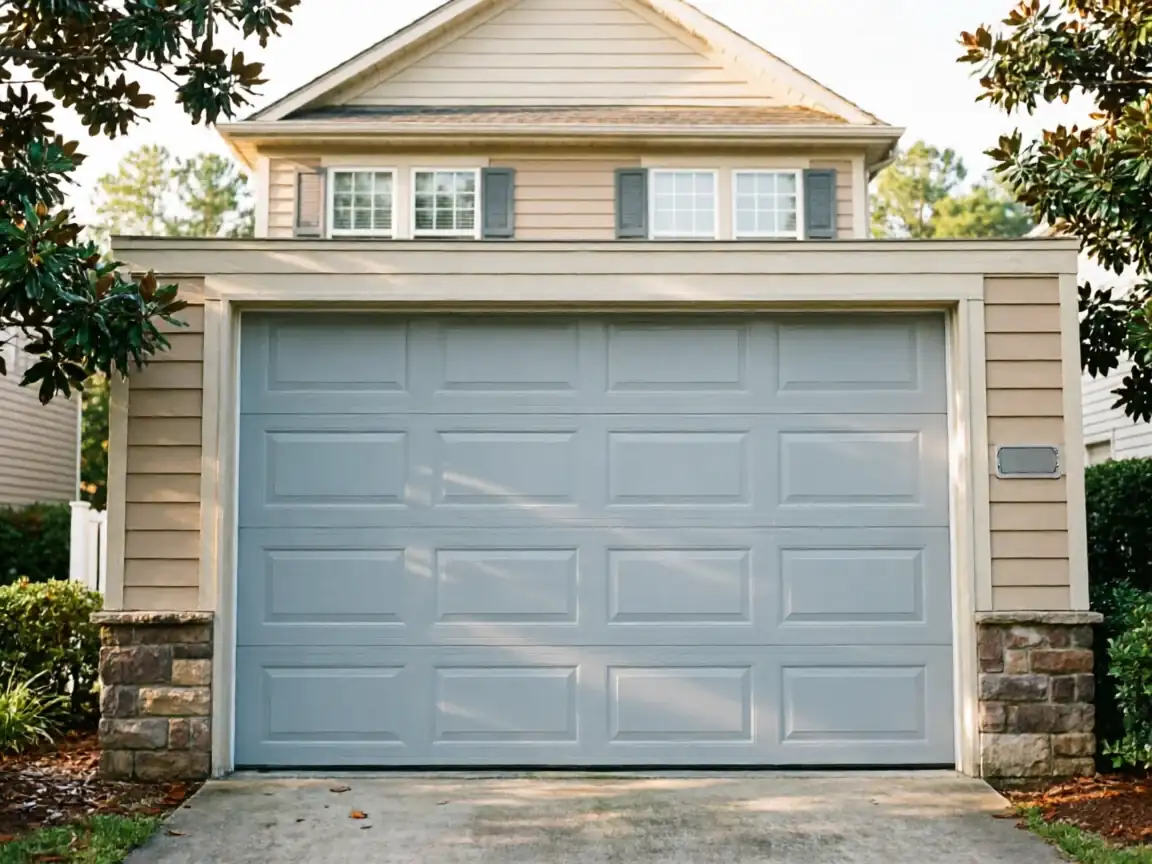
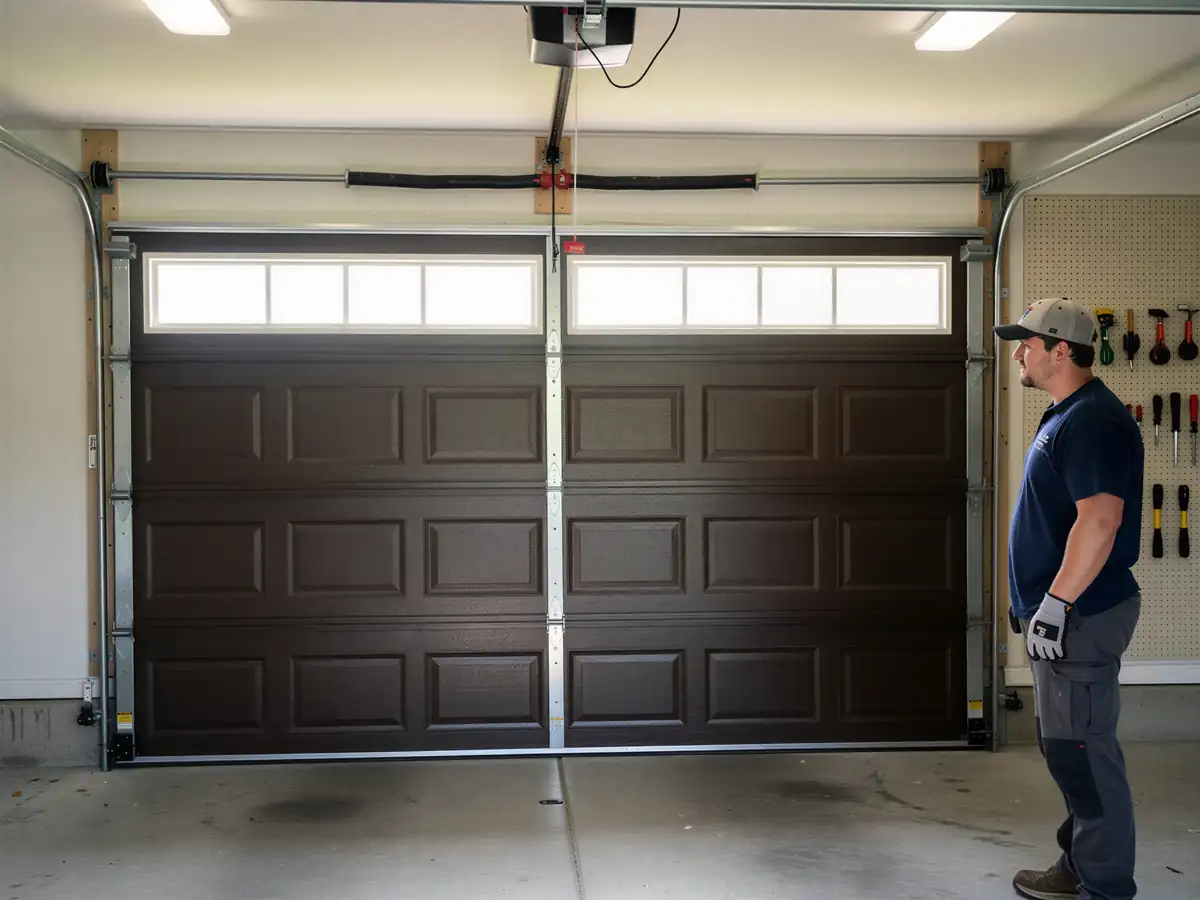
With 585 households in Hamilton and a median income around $100,503, we also see more two-car, wider-span doors here than on some of the older, narrower lots elsewhere in the territory. Wider panels flex more under wind load and take dents differently than a single-car door. The climate band for the territory is mild with the occasional freeze, so you're not dealing with freeze-thaw cracking the way colder regions do - the damage we see tends to be impact dents, a cracked bottom panel from a mower or trailer hitch, or UV fade on the laminate finish after a few Georgia summers.
How to Book
We're based in Columbus and Hamilton sits about 18 miles out, so panel jobs here get scheduled on the truck route rather than walk-up service. Start on the Hamilton service area page to confirm we cover your address, or go straight to the panel replacement overview if you want the full rundown on how we match panels, order color-matched sections, and price the work. We don't keep a branch in Hamilton - every job here is a drive from Columbus, so get your door's brand and panel size ready before you call if you can; it speeds up the ordering step.
What You Are Seeing
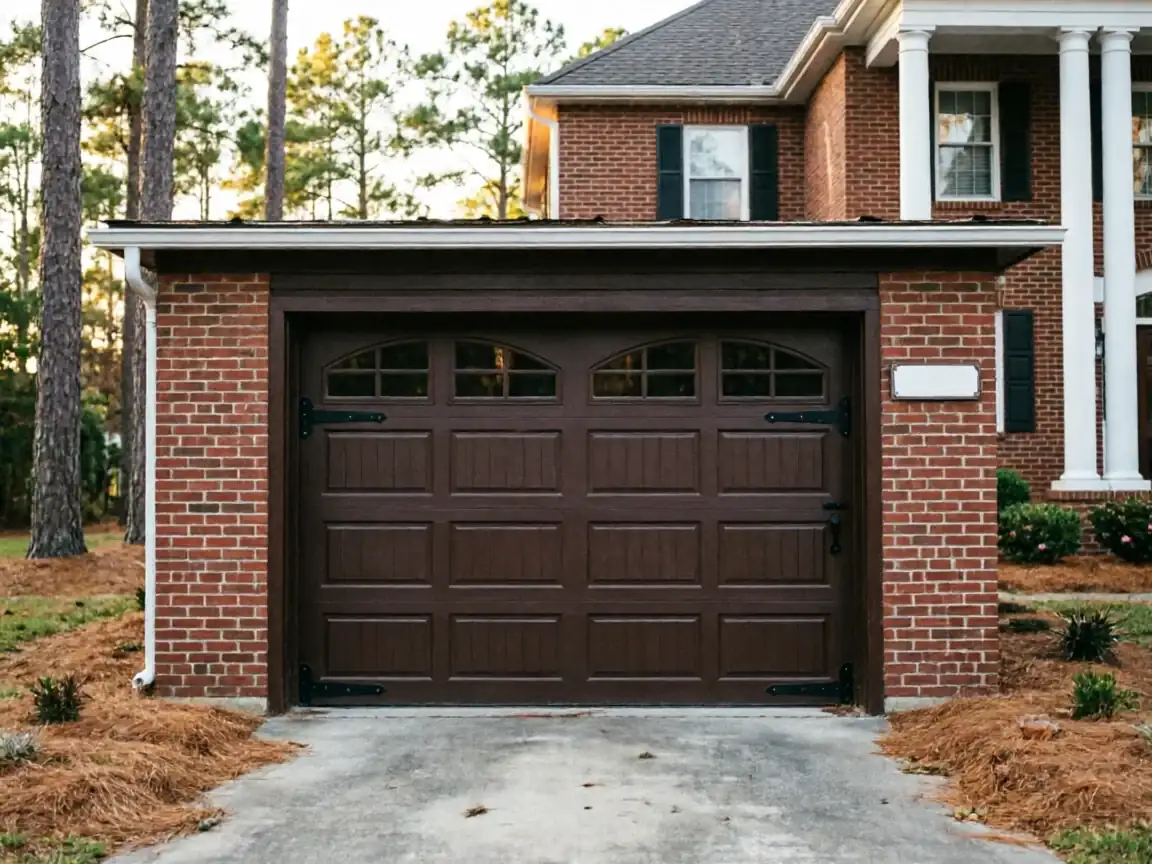
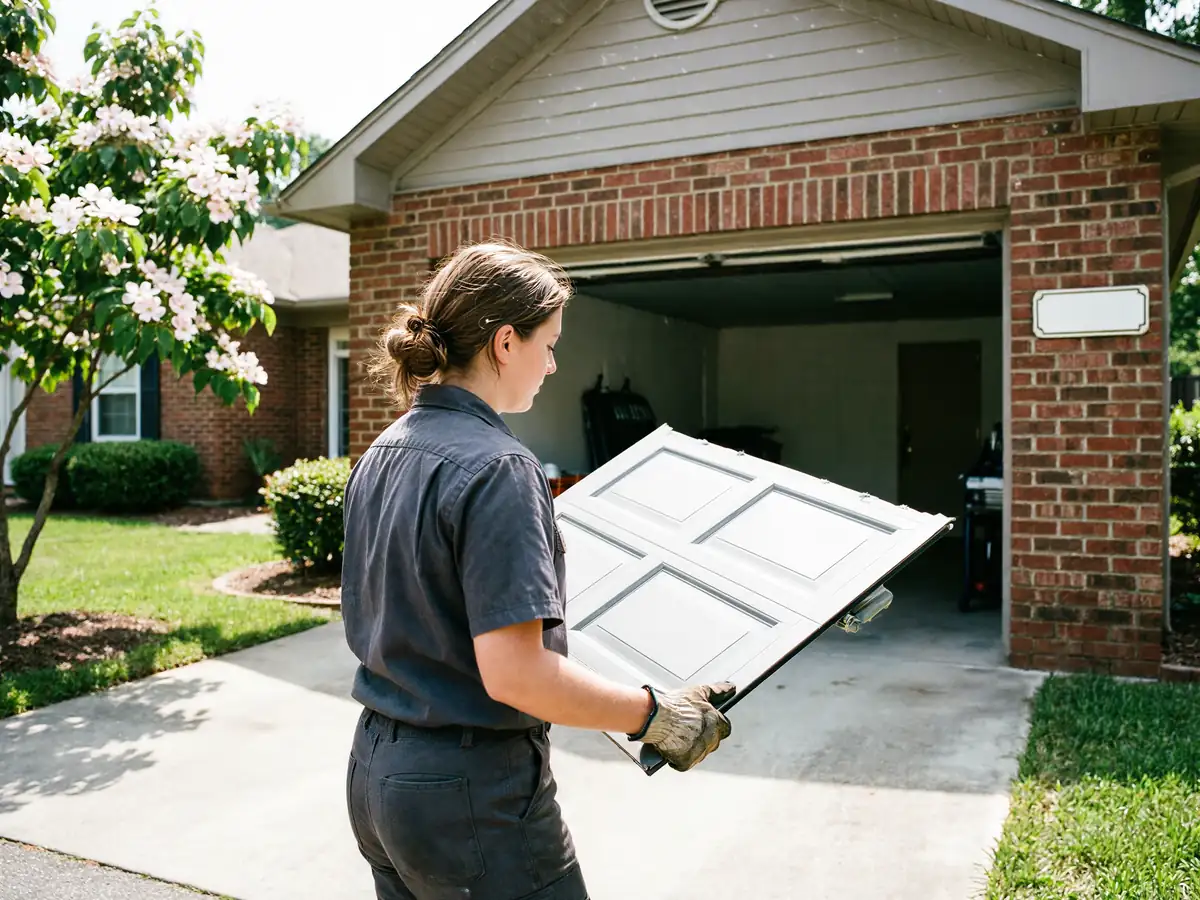
A dented bottom panel usually comes from backing into the door with a car bumper, trailer hitch, or mower - steel dents but rarely tears, so it's a single-panel swap, not a full door. A cracked panel, especially near a hinge, often means something hit it hard enough to stress the steel past its bend, and you'll usually see the crack run along a seam. Bowing across the middle of a wide panel, more common on the larger two-car doors common in Hamilton, points to wind load or a door that's been left open during a storm. Fading or chalky color mismatch between panels is UV wear on the laminate finish - cosmetic, not structural, but it's the reason a replacement panel on an older section sometimes won't match perfectly even when it's the same brand.
Doing It Yourself
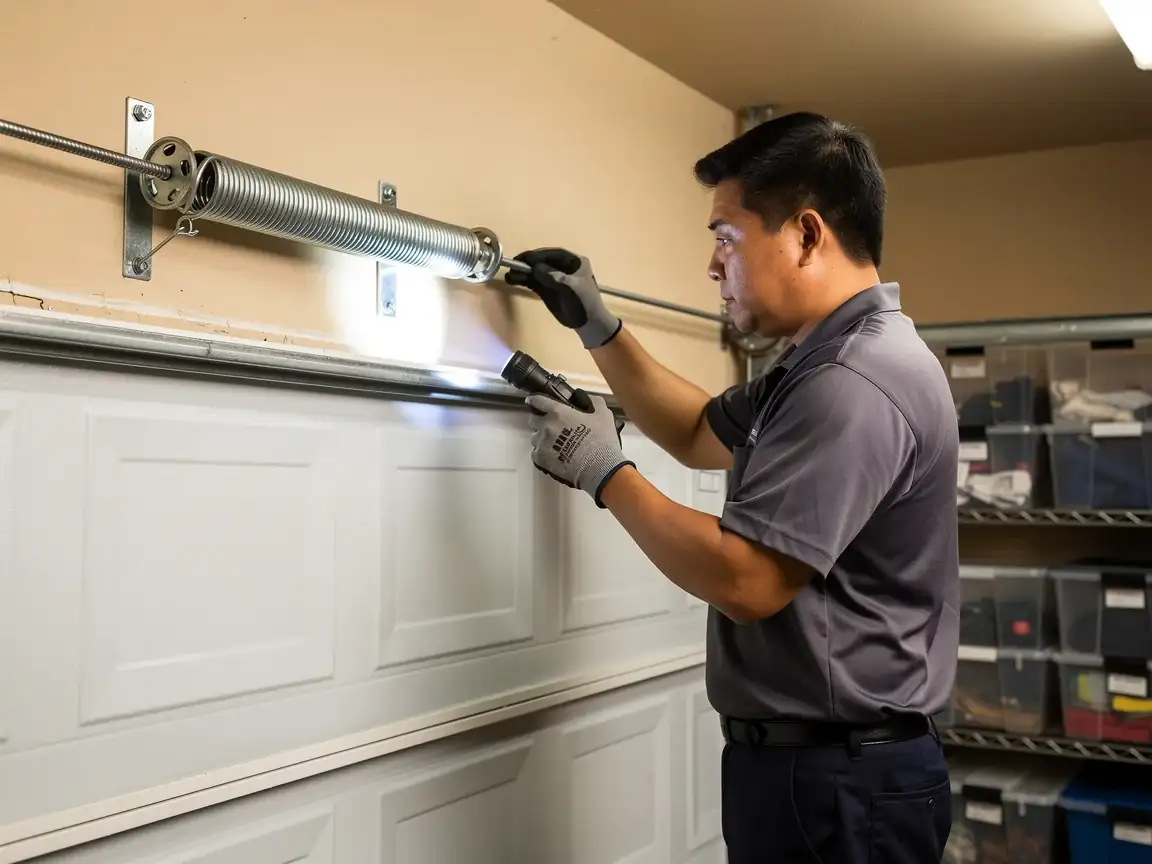
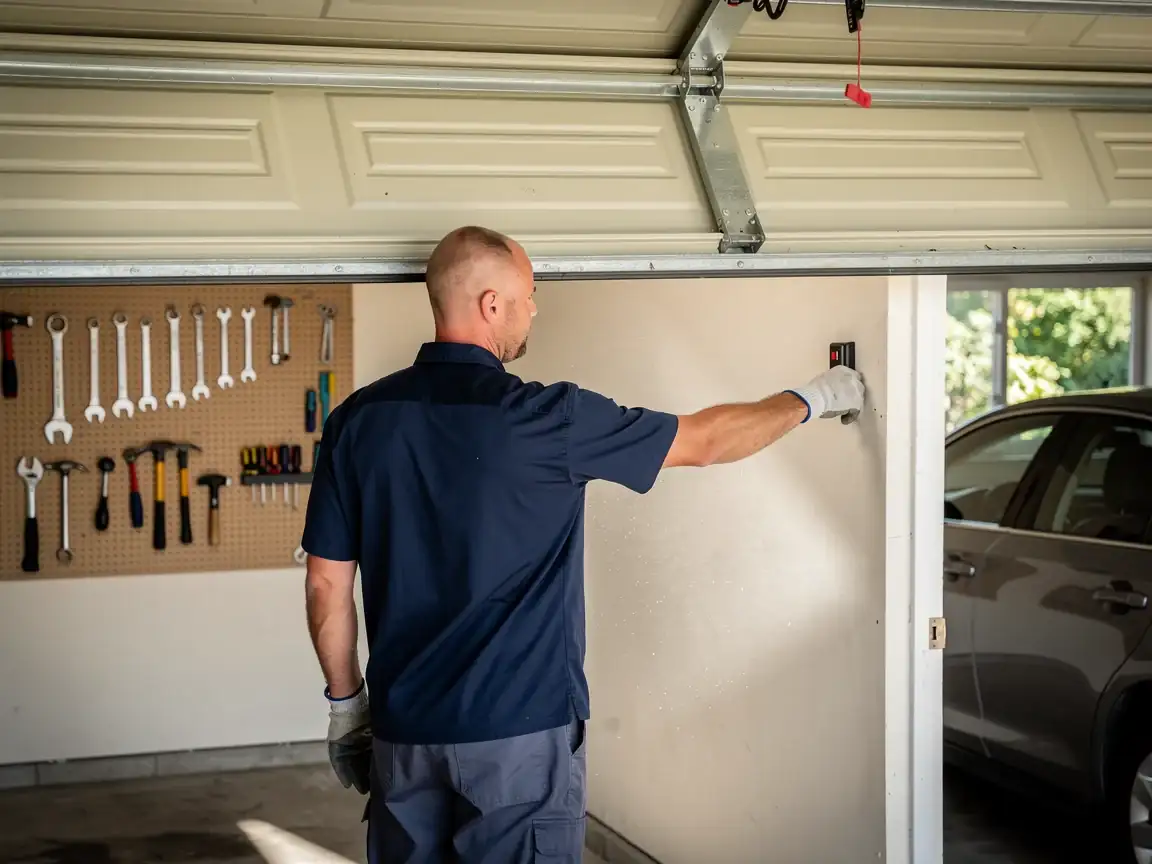
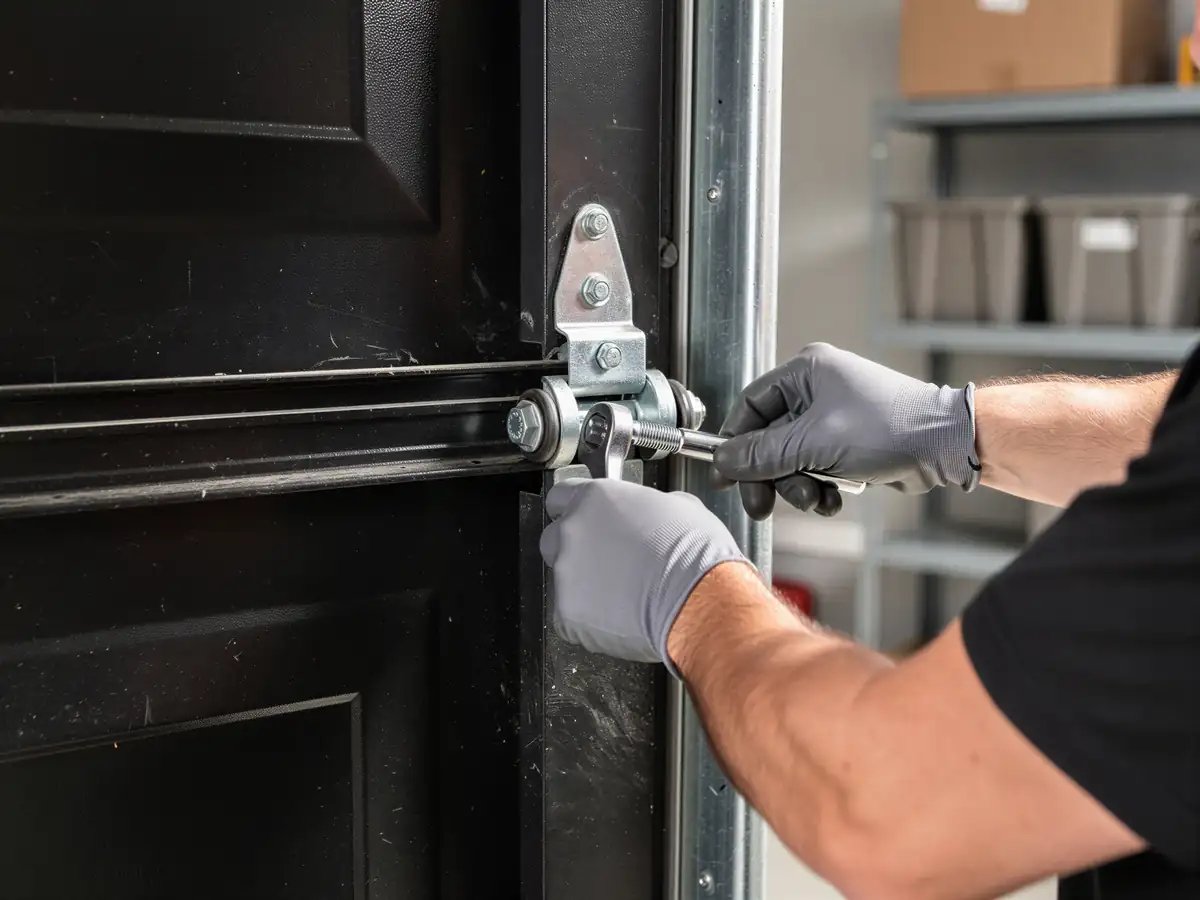
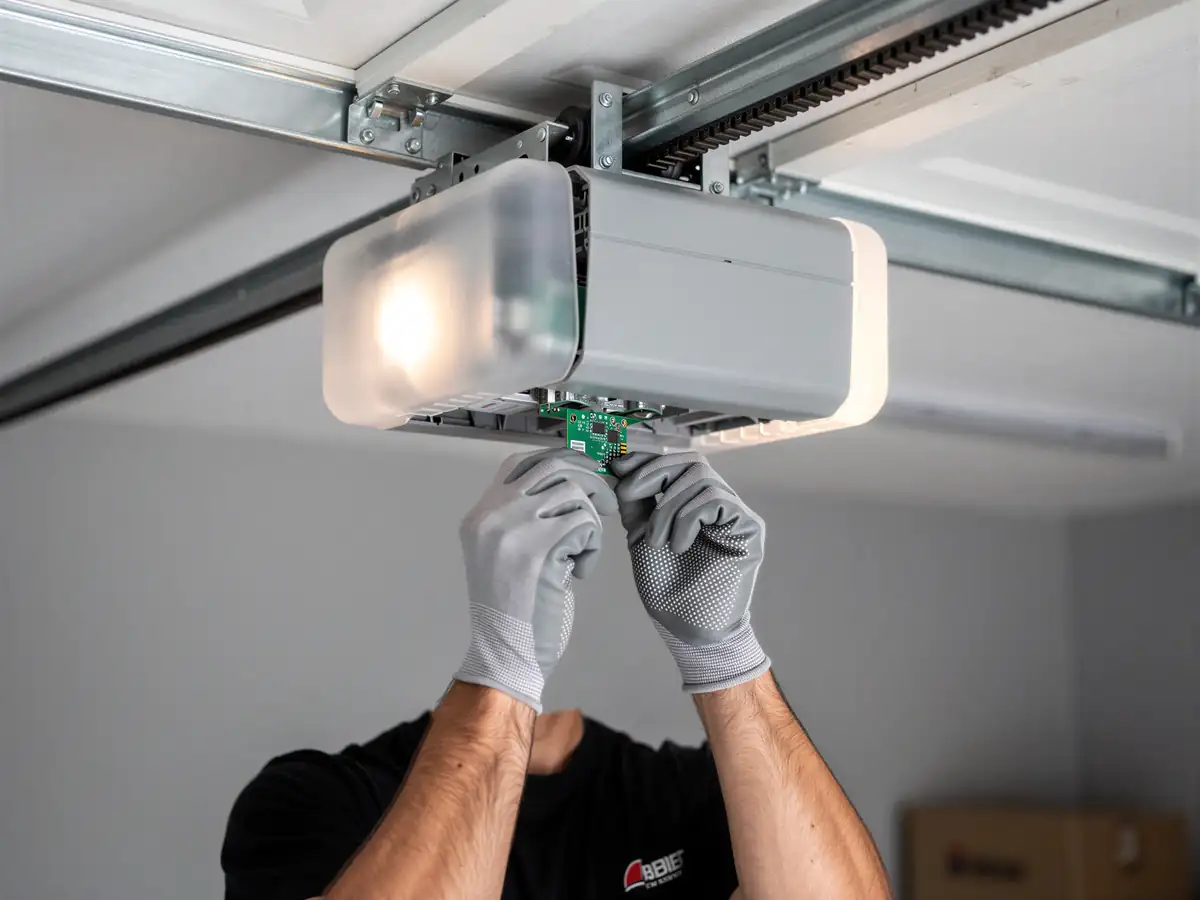
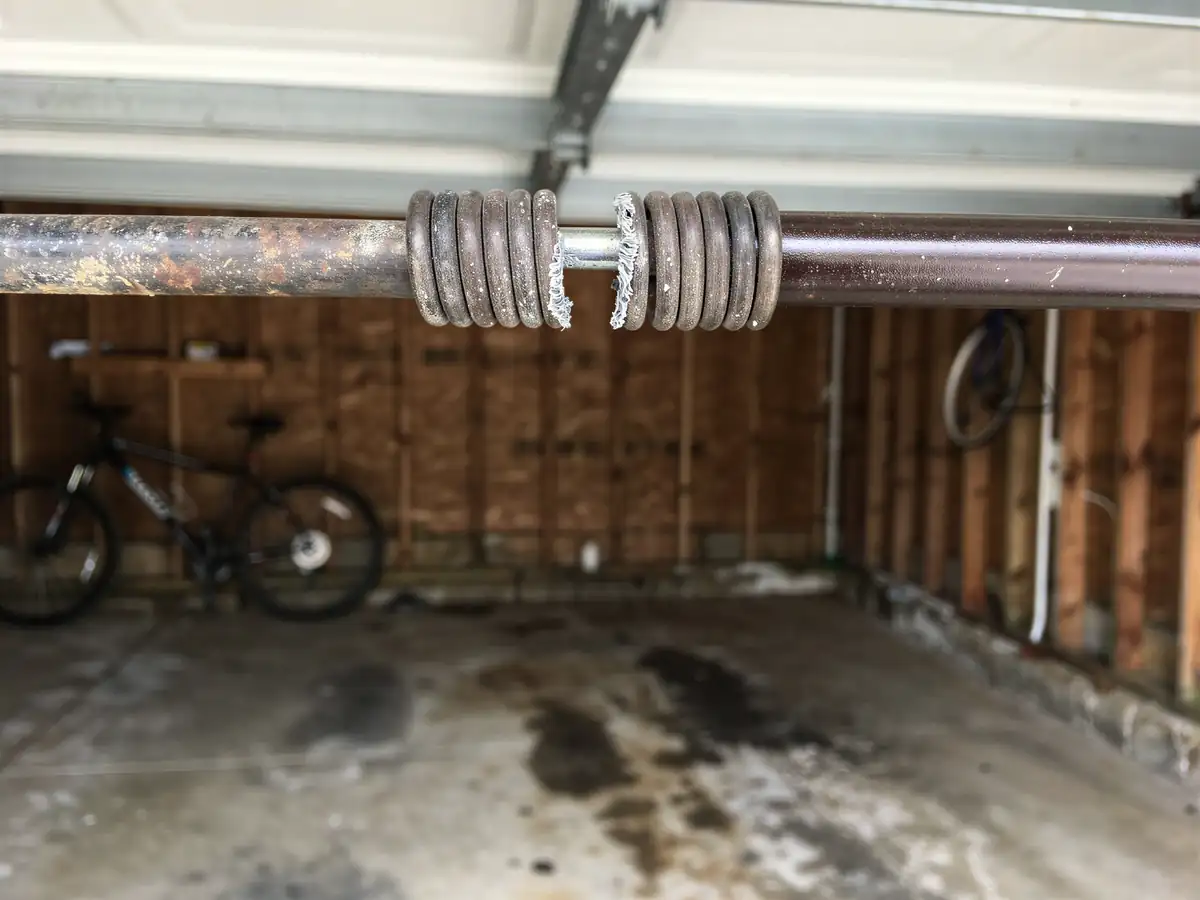
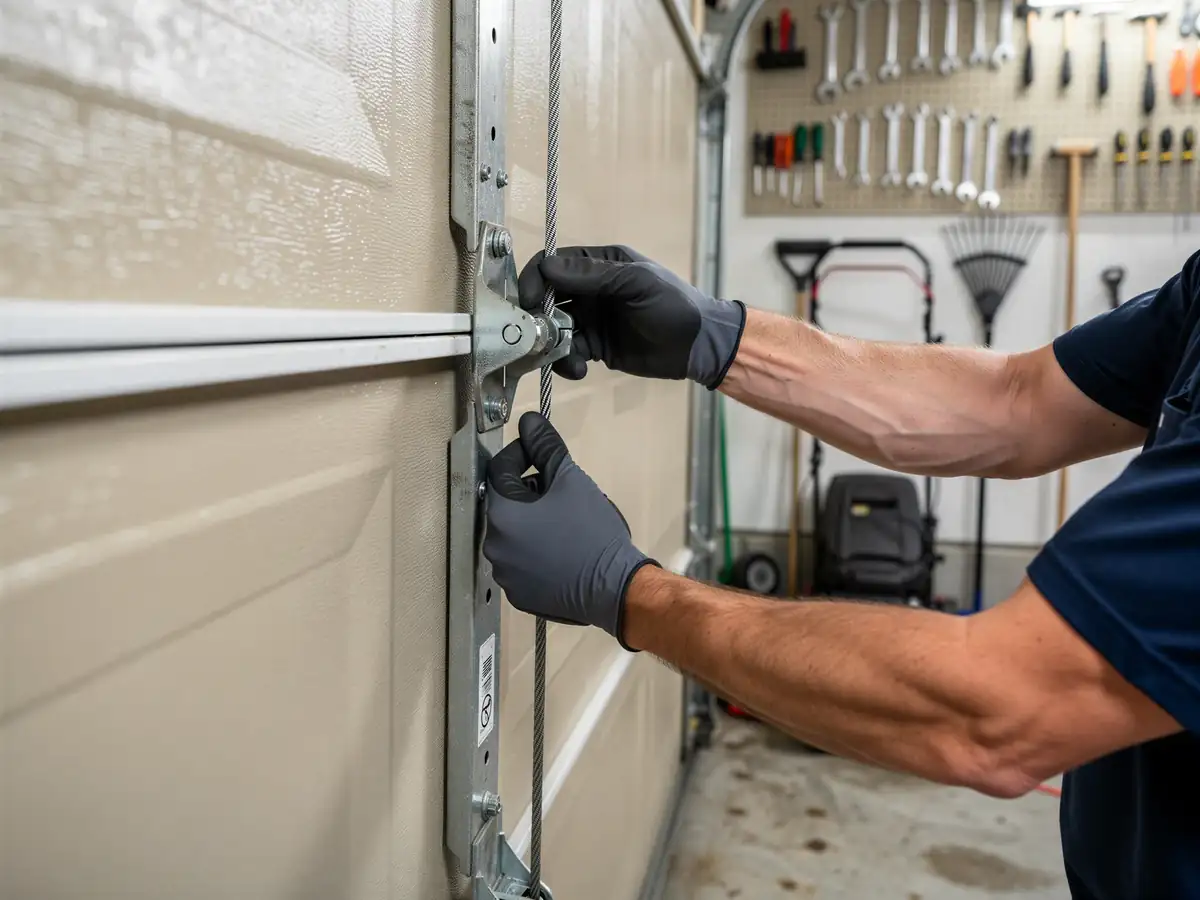
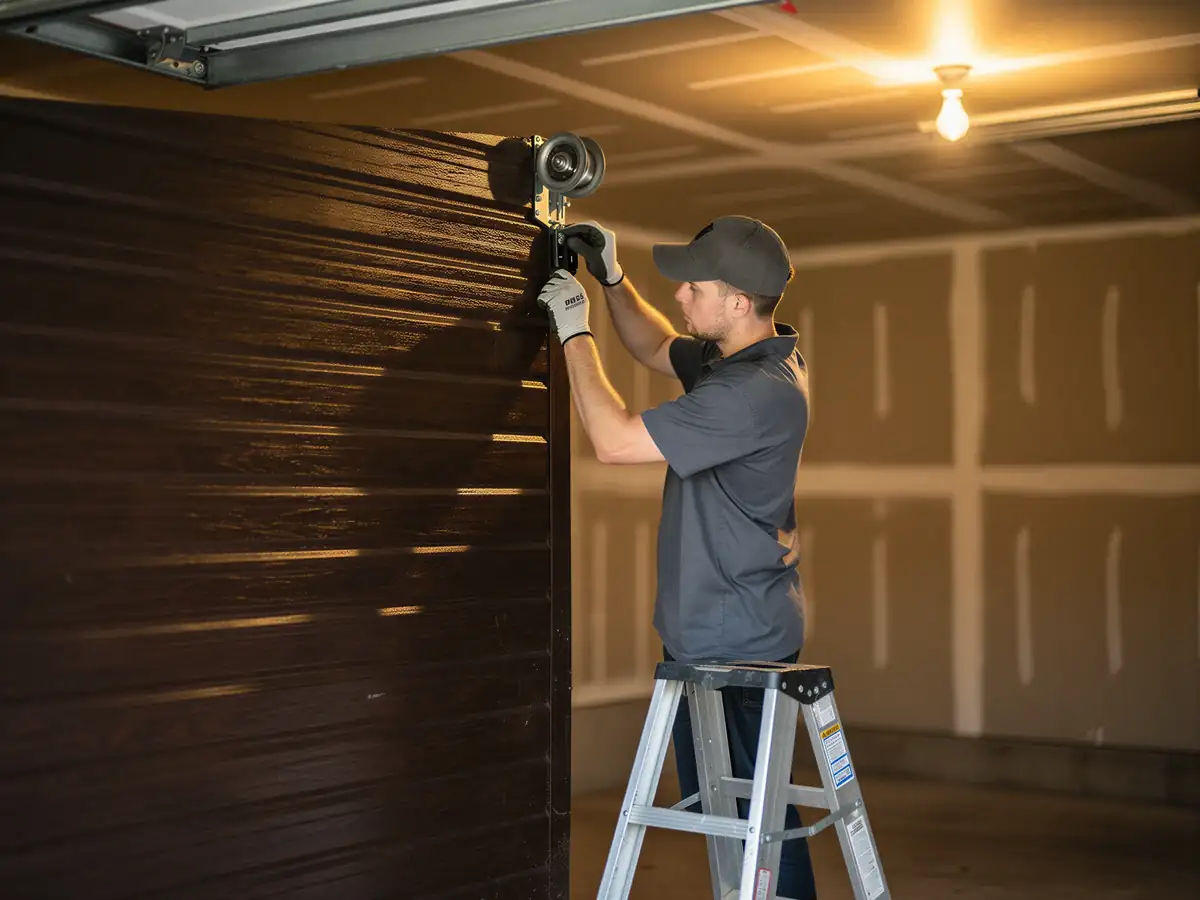
Swapping a single bottom panel on a newer sectional door is one of the more doable DIY garage door jobs - you're usually dealing with a few bolts, roller brackets, and matching hardware rather than touching the spring system. That said, we won't sugarcoat it: any panel above the bottom row means disconnecting the door from the torsion spring and opener first, and that's where people get hurt or bend a track trying to muscle a panel back into alignment. If your door is still under a manufacturer warranty, check that before you open it up yourself - some voids coverage if anyone but a licensed installer touches the panel. When in doubt, it's worth a call before you start pulling bolts.