Why It Happens Here
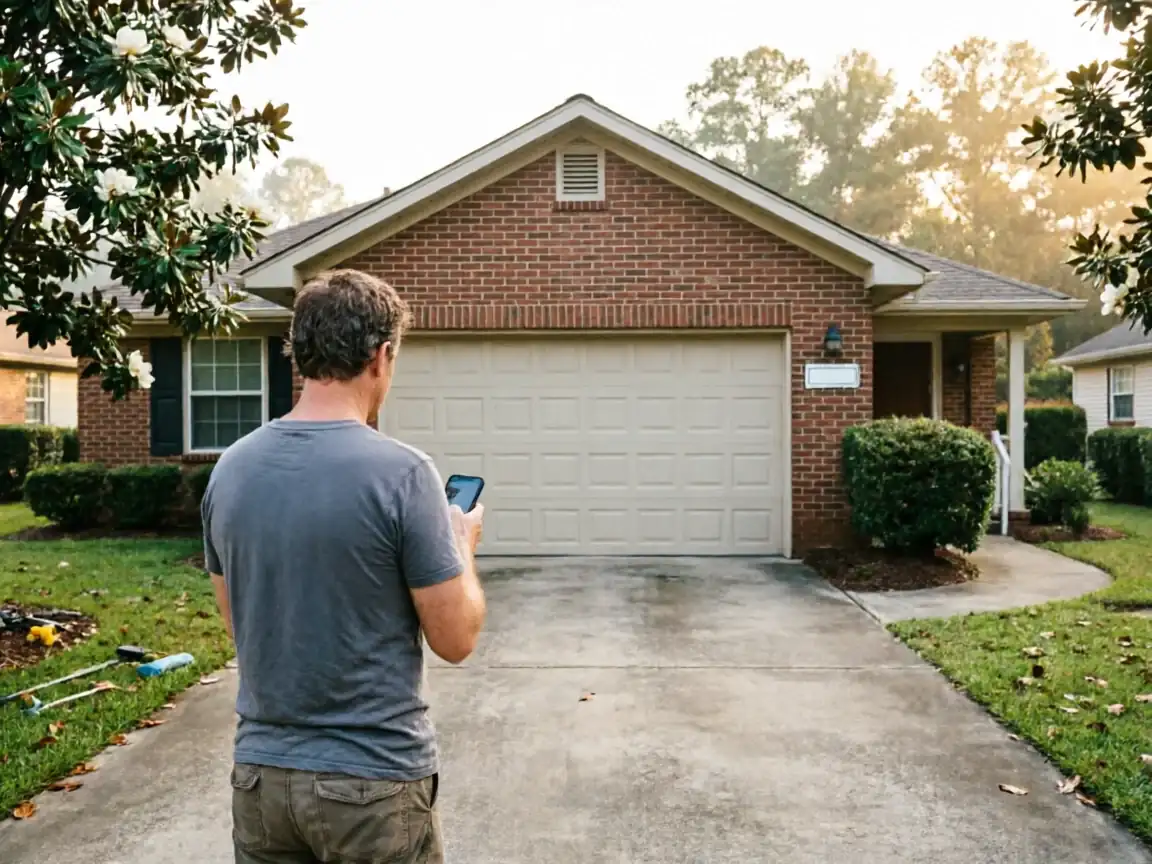
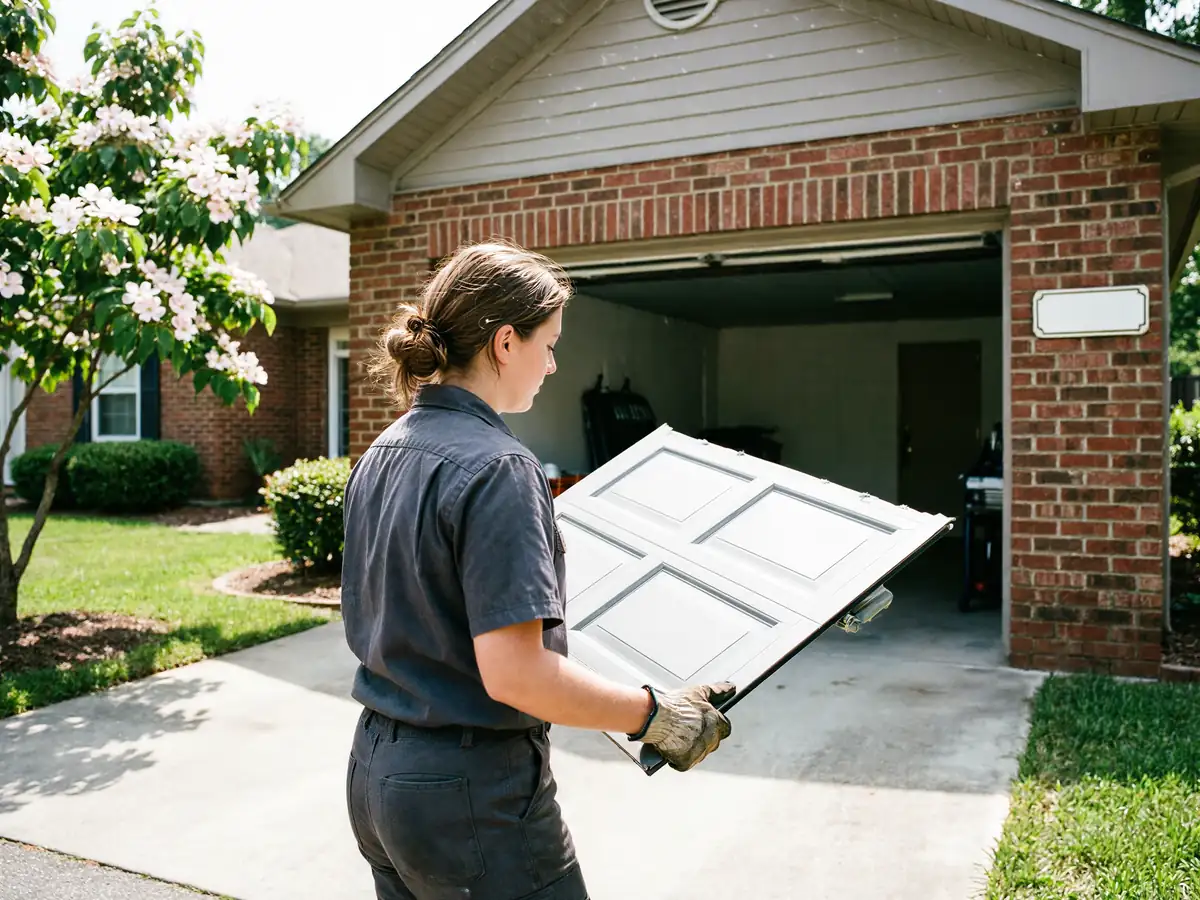
Hamilton sits about 18 miles up from Columbus, which matters more than it sounds like it should. We don't keep a truck parked in town, so a roller call out here gets slotted into a route rather than squeezed in between two Columbus jobs. That's not a complaint about the drive - it's why we ask a few more questions on the phone before we load the truck, so the right rollers are already on board when we pull in.
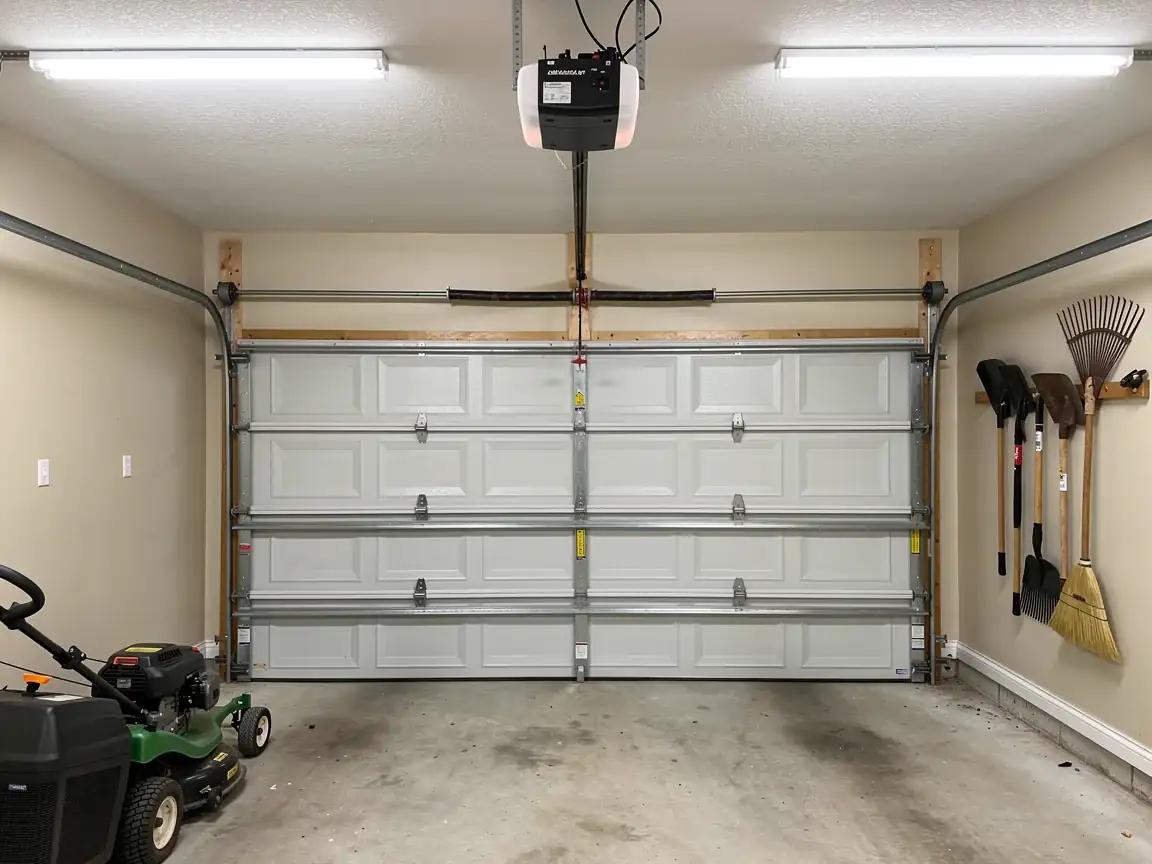
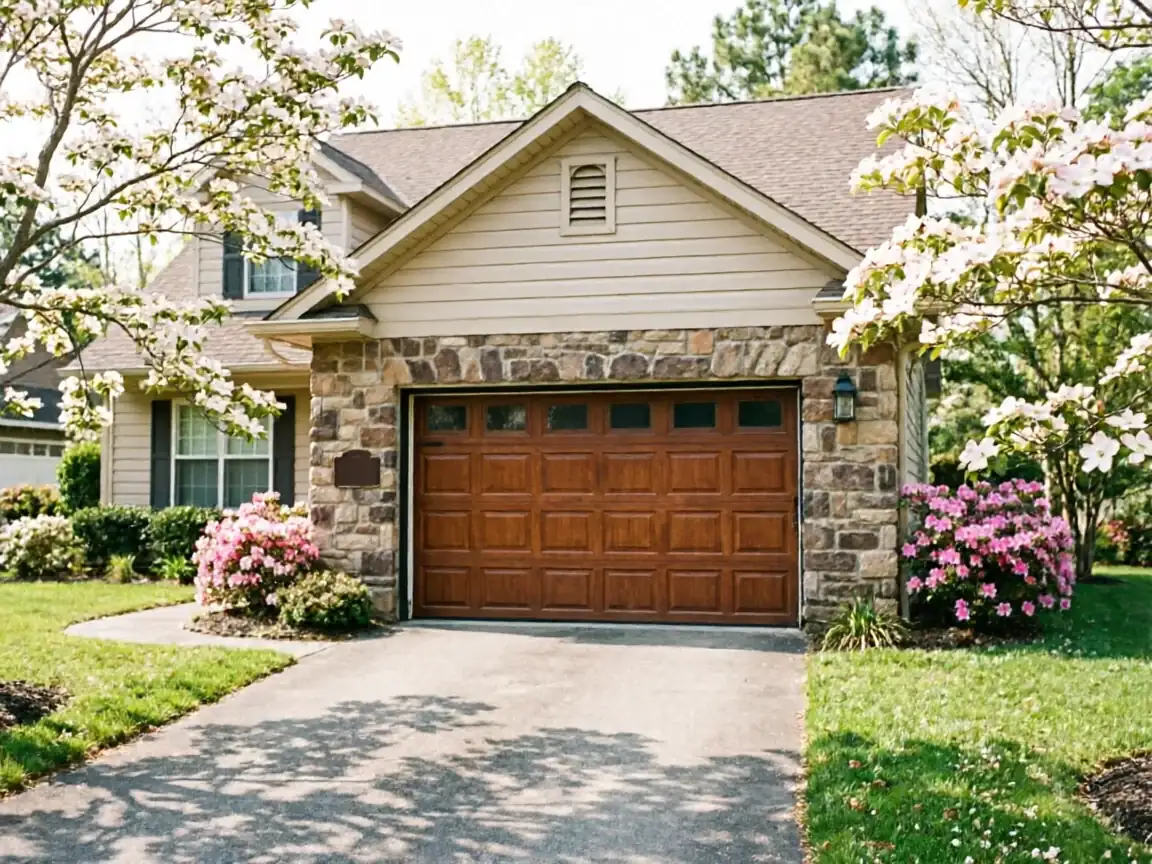
The housing here is also a different animal than the rest of the service area. Across the broader territory the median build year sits around 1991, with a lot of stock going back to the early 1970s. Hamilton's median build year runs closer to 2011 - two decades newer. That means fewer steel rollers on steel track and a lot more factory-installed nylon rollers riding newer galvanized track. The failure mode is different too: it's less about rust pitting the track and more about the roller stem wearing loose in its housing, or the nylon wheel going flat-sided from age and sun through the glass in the top panel.
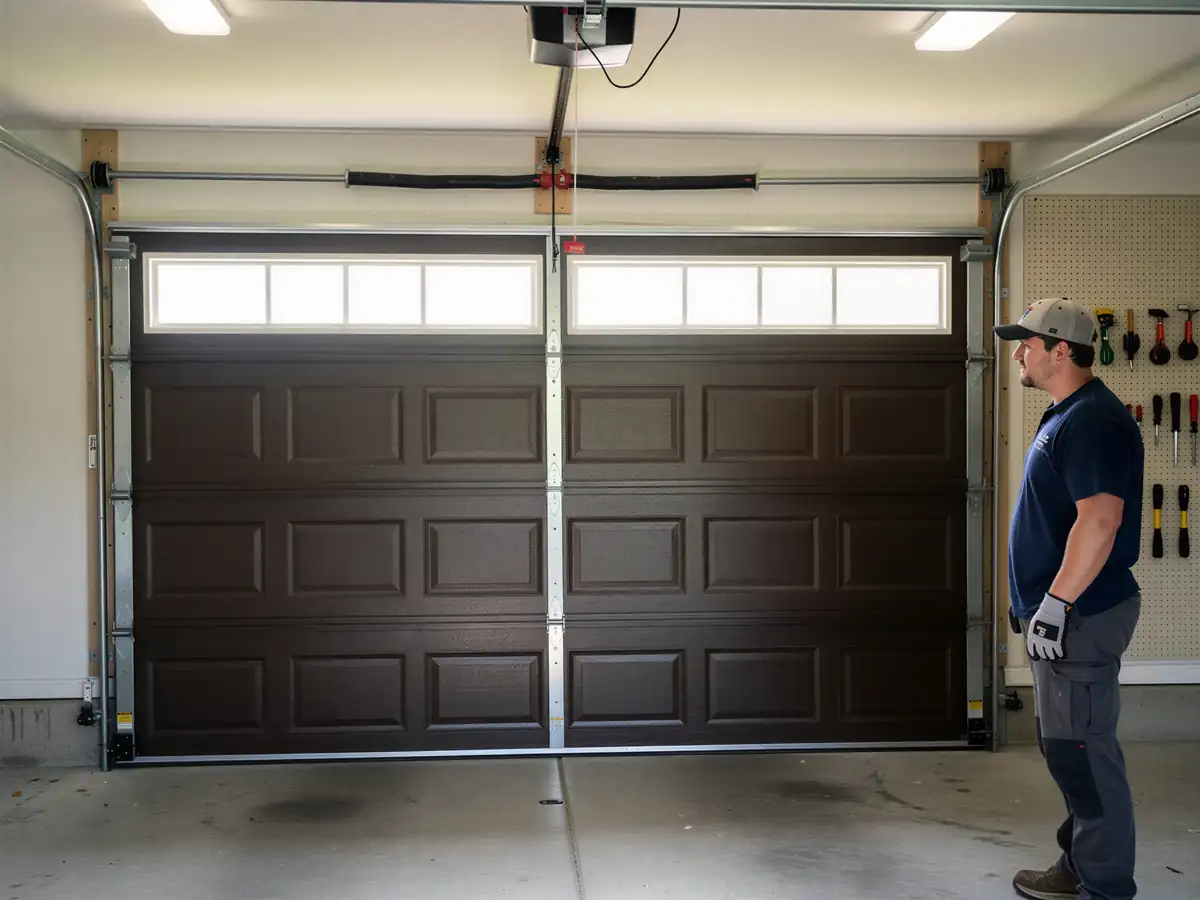
With 585 households and a median income over $100,000, we also see a fair number of heavier insulated doors in Hamilton - two-car sectional doors with steel-and-foam panels that put more weight on each roller than a lightweight single-skin door would. More weight per roller means the stem bends or the bearing seizes sooner than the nylon itself wears out.
How to Book
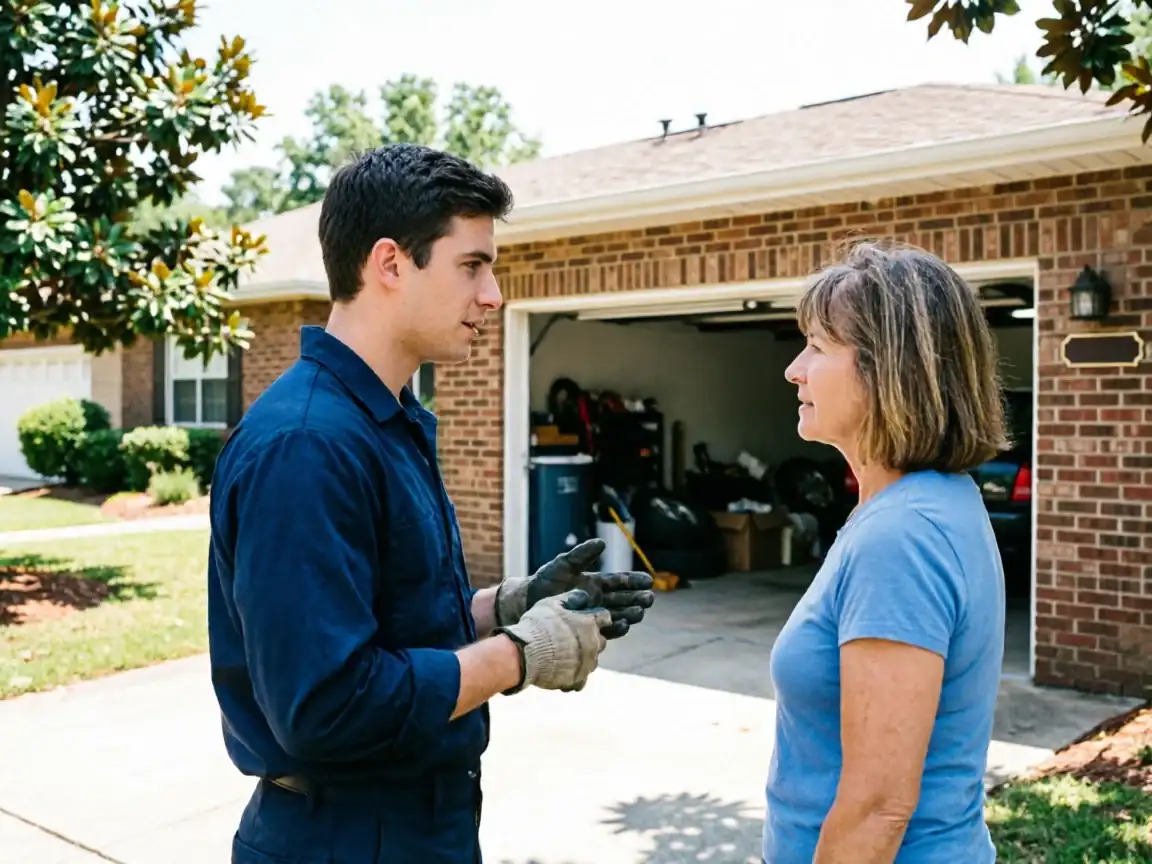
Call and tell us it's a Hamilton address up front - that's what gets your job paired with other work on that side of the county instead of waiting on a Columbus-only slot. Describe what you're hearing: a grinding roller sounds different from a loose track bracket, and a quick description over the phone helps us load the right roller set, whether that's standard nylon, sealed-bearing nylon, or steel for a heavier commercial-style door.
We don't run a branch out of Hamilton, so there's no walk-in counter and no same-day guarantee tied to being local - every job here travels from Columbus first. What we can do is give you a realistic window once we know what's on the truck and what else is booked that day. If you can send a photo of the door and a close-up of the roller track, that usually saves a second trip for the wrong part.
How Long It Takes
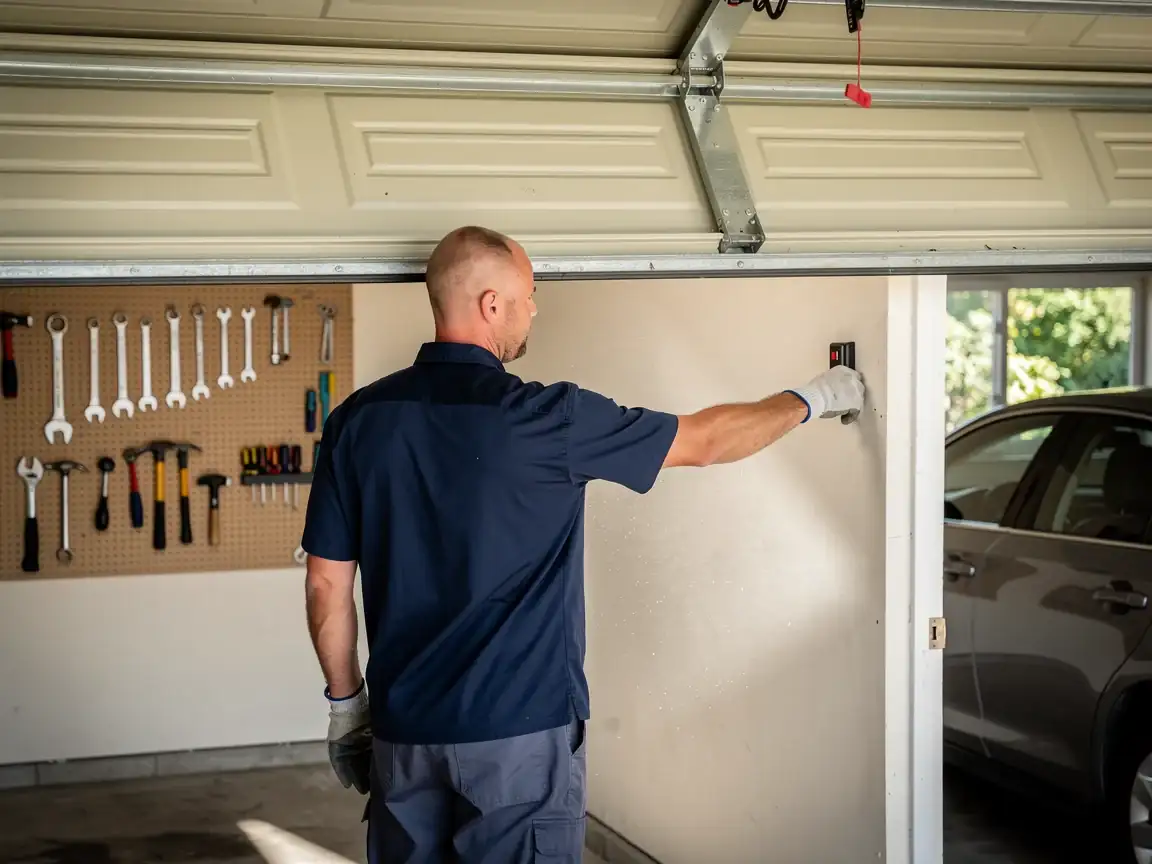
A straight roller swap on a standard two-car sectional door, once we're on site, is a short job
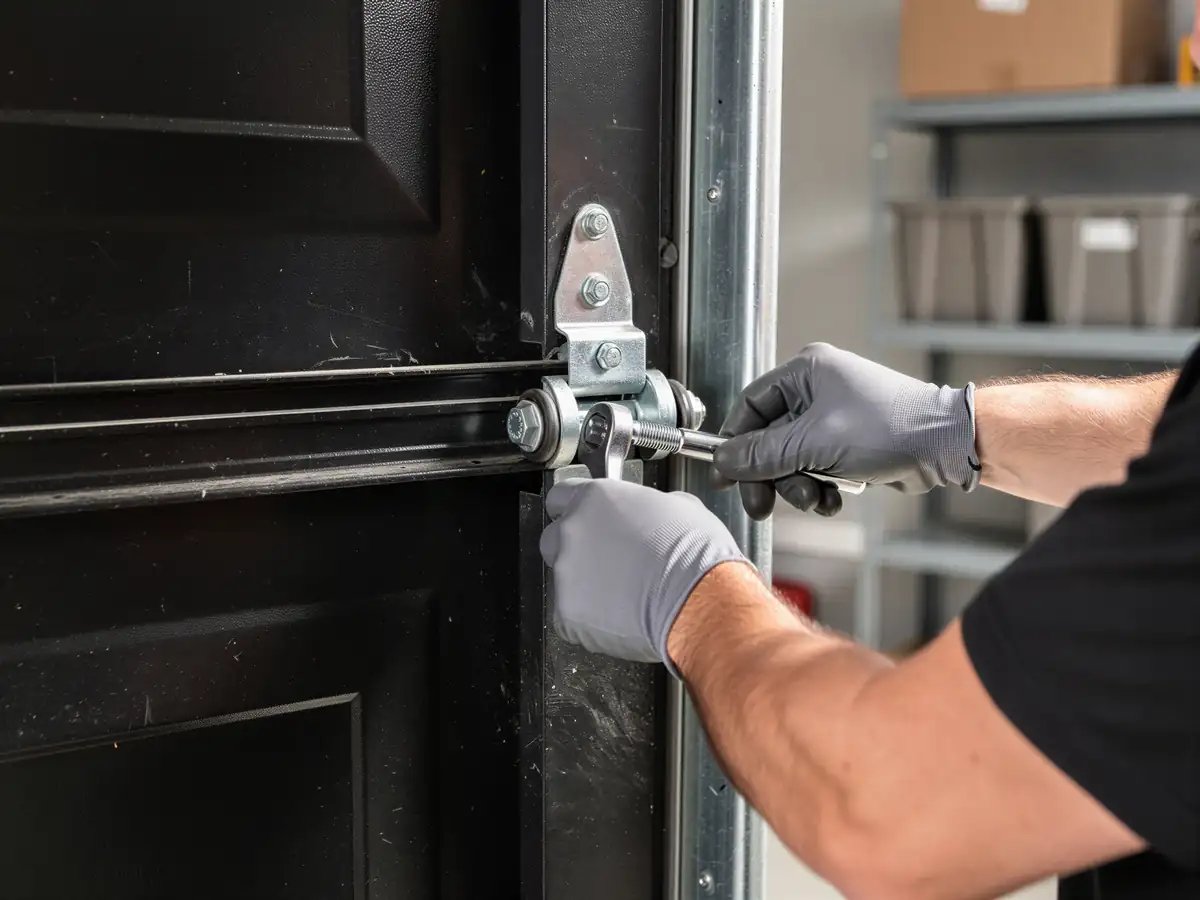
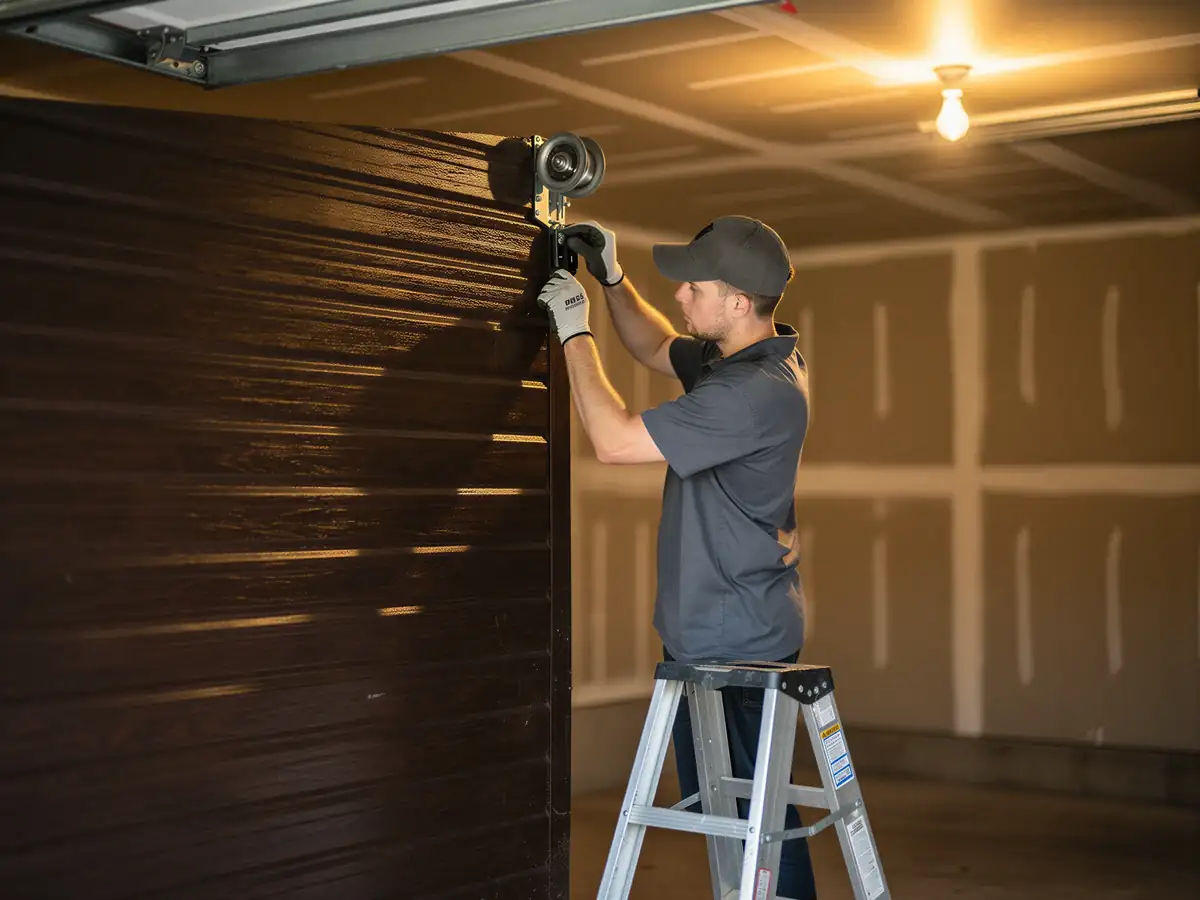
Most of the rollers lift out of the track one at a time without pulling the whole door apart, as long as the cable drums and springs are sound. The time that adds up is the travel, not the wrench work.
Given the 2011-era housing stock here, we're usually dealing with doors still under 15 years old
So the springs and cables are often fine and the job stays contained to rollers and maybe a bent track section. On the older end of Hamilton's stock, or if a roller has been grinding long enough to chew up the track itself, we may need to true up or replace a section of track in the same visit, which adds time but saves you a second call.
- 15 years
What You Are Seeing
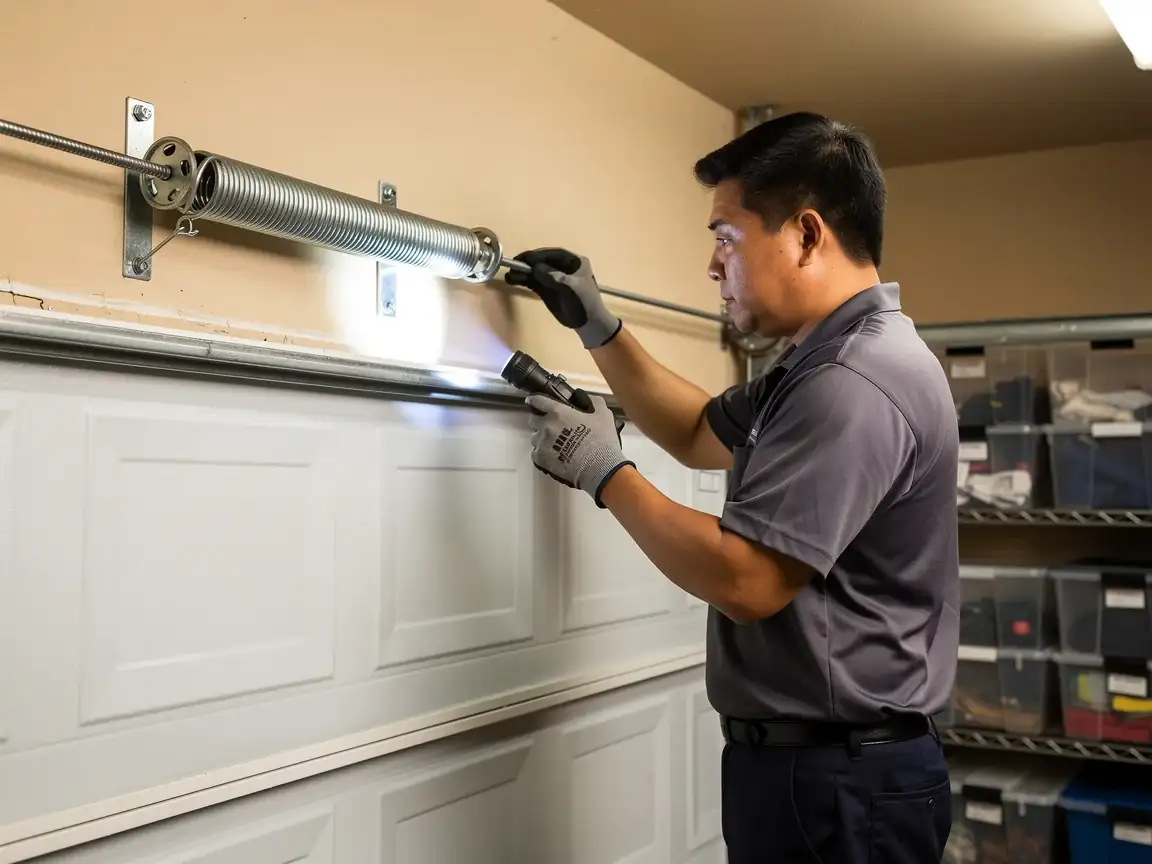
A loud, rhythmic grinding or squeal every time the door moves, worse in the morning, is usually a dry or worn roller bearing, not the opener. If the door shudders or jumps as it passes a certain spot on the track, that's often one roller riding rough rather than a track alignment problem. A roller that's visibly cracked, chipped, or has lost its nylon face down to the bare stem needs replacing before it jumps the track entirely and takes a panel edge with it.
Because the climate here runs mild with only occasional freeze, you're not fighting ice-cracked nylon the way colder regions do - what ages these rollers is UV through glass panels, years of friction, and dried-out factory grease that was never meant to last the life of the door. If a door with 2011-era hardware is already grinding, it's wear, not weather, and it's worth catching before the stem bends and scores the track.
Doing It Yourself
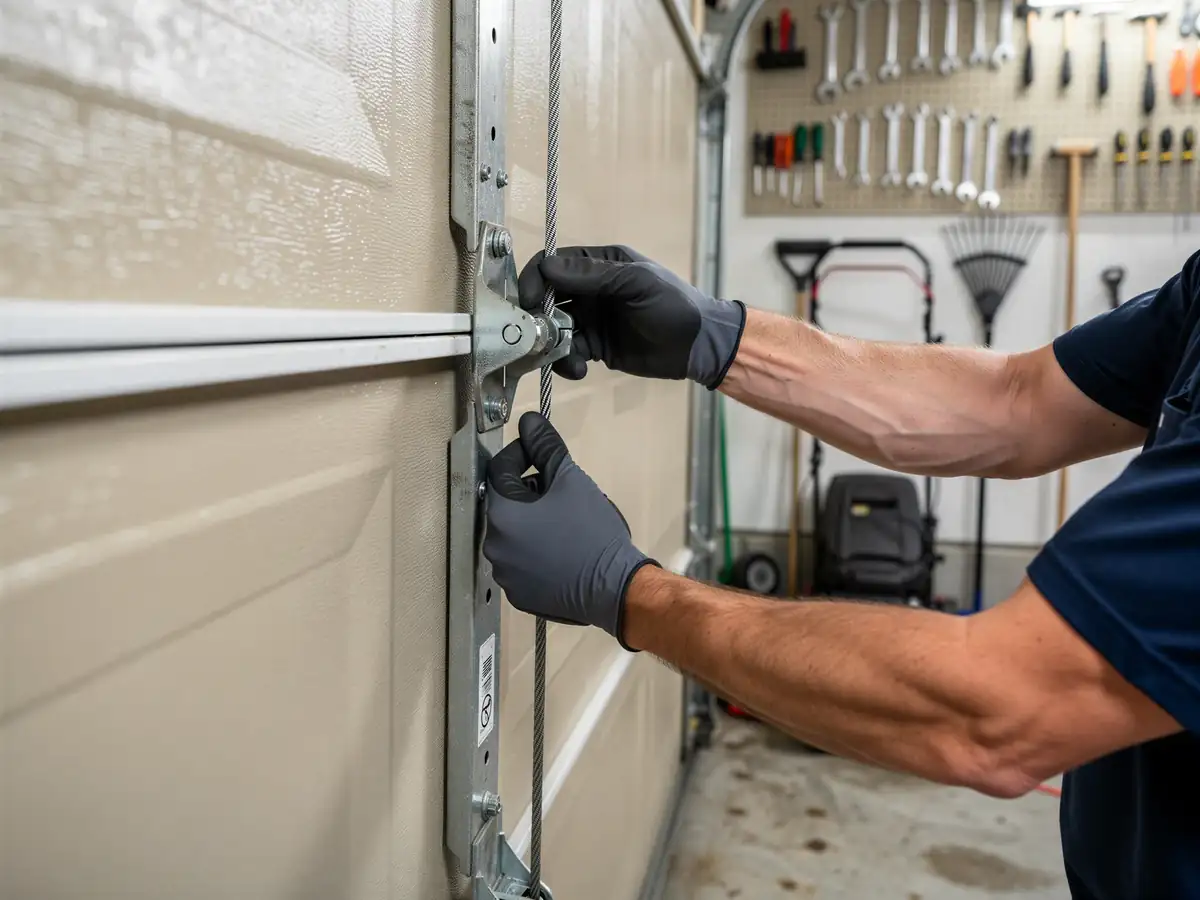
Swapping a single nylon roller on a door that's down and disconnected from the opener is within reach for a careful homeowner - unclip the roller bracket, slide the old roller out, slide the new one in, done. Where this goes wrong fast is the two rollers closest to the bottom bracket on a torsion-spring door: those brackets carry cable tension, and pulling the wrong bolt with the door under spring load can snap a bracket toward you.
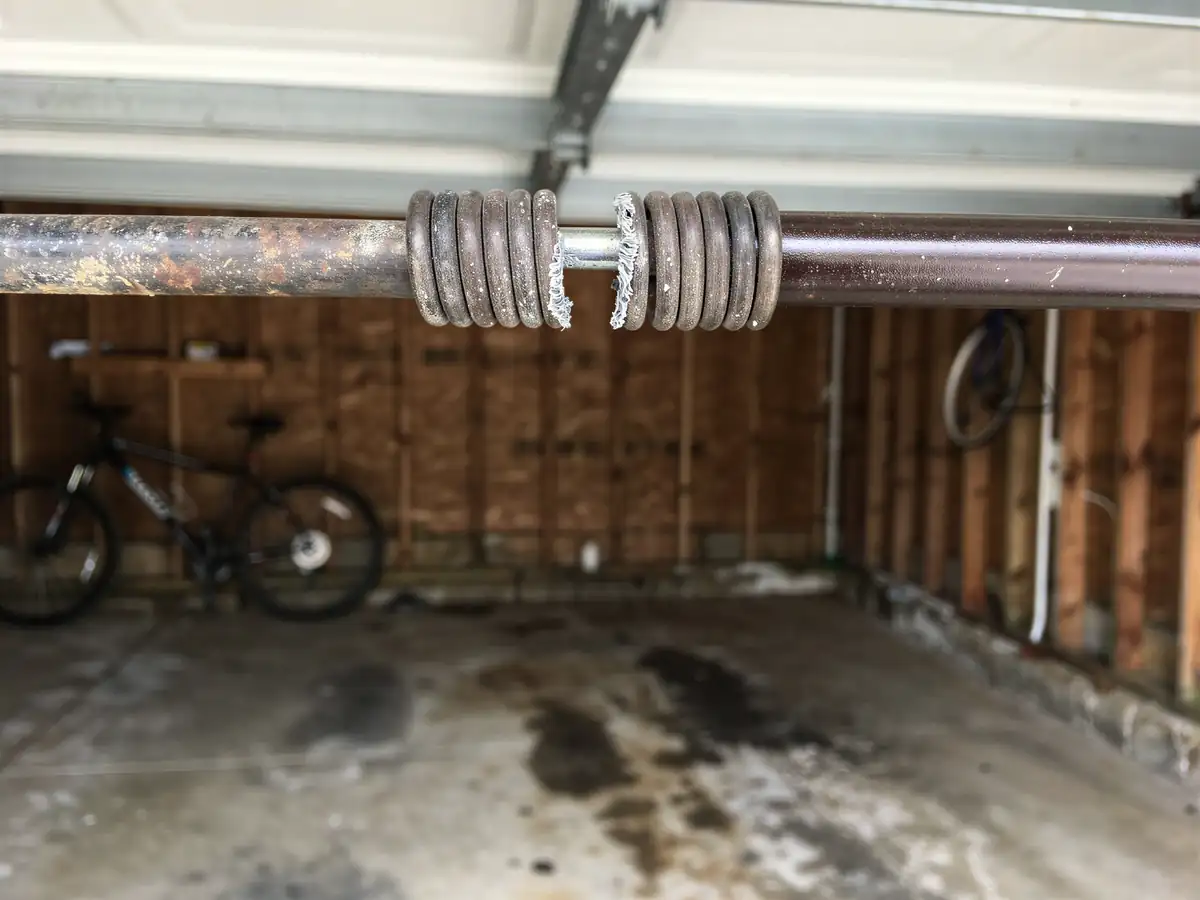
We'll say the honest part plainly: if your springs are original to a 2011-built house, they may still have useful life left, but we won't guess at that over the phone. If you're not sure whether a roller job also needs new springs, that's a judgment call worth having us look at on site rather than finding out when a cable comes off its drum.