Why It Happens Here
Hamilton is a small place - 585 households, by the last count - and that matters for how spring failures show up here compared to the bigger subdivisions closer to Columbus. With a household base that size, you don't get the dense clusters of identical doors failing in the same month that you see in a big tract development. Each call tends to be its own story.
What ties Hamilton's doors together is the age of the housing. The median build year here runs around 2011, newer than a lot of the service area, where stock generally dates back to the 1980s and 90s. Newer doors usually means factory torsion springs sized correctly for the door weight, not the mismatched or home-store replacements you find on older houses. The failure mode we see most in Hamilton is straight fatigue: the spring has done its few thousand cycles and the coil finally lets go, usually on a cold morning. The climate here stays mild with only occasional freeze, so you don't get the ice-jammed track problems of colder regions - the spring itself just wears out on schedule.
Because the homes are newer, we're less likely to find the spring was never sized right in the first place, which is a common issue on older stock elsewhere in the area.
How to Book
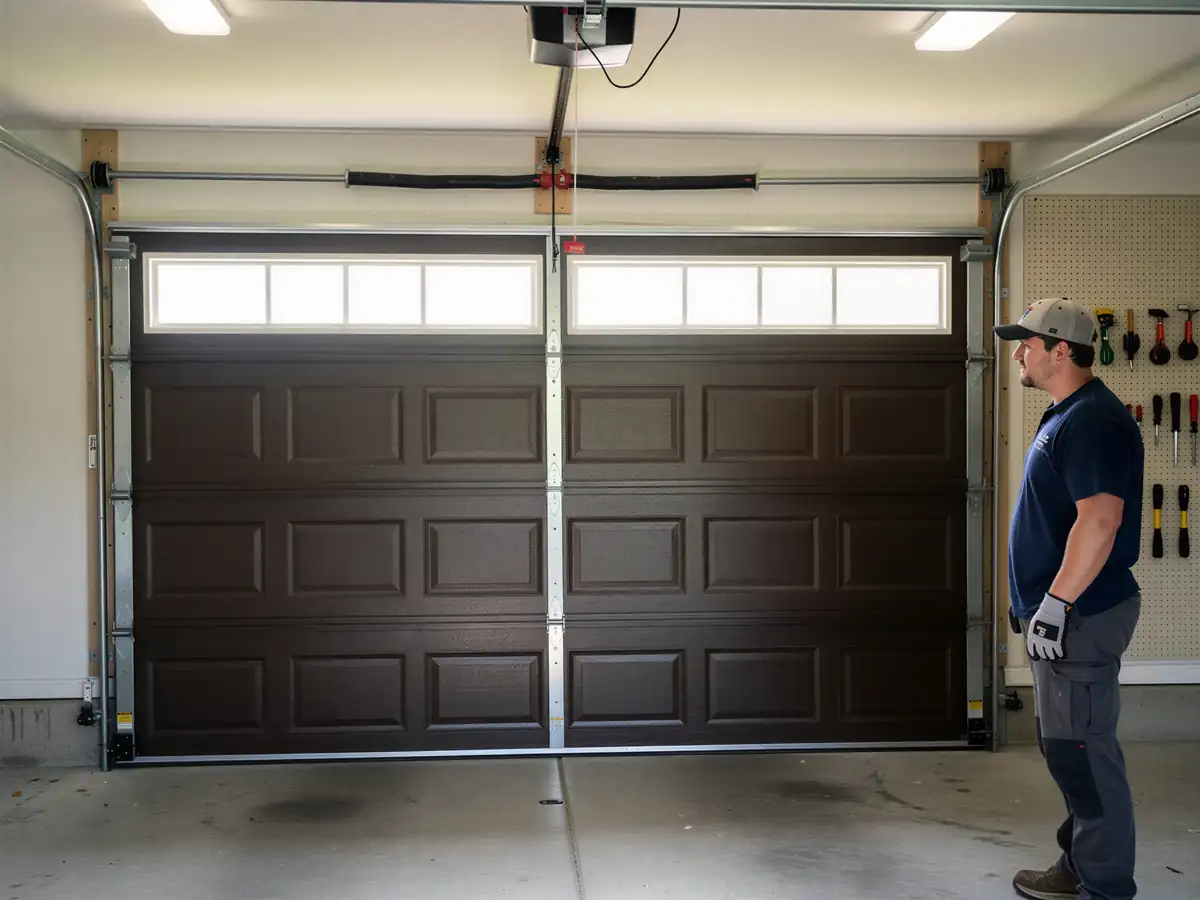
We're based in Columbus, and Hamilton sits about 18 miles out, so a spring call here gets scheduled as a drive-out job, not a drop-in. Call ahead and tell us the door size, whether it's one spring or two, and whether the door is currently stuck up, down, or won't move at all - that changes what we load on the truck before we leave.
We don't keep a branch or a depot in Hamilton, so every job starts with that drive. It's worth mentioning because it's the honest limitation here: we can't promise the same-day turnaround you'd get for an address five minutes from our shop. We'll give you a realistic window when you call, based on where else we're routed that day.
You can see what else we cover around Hamilton on our service area page, or look at how we handle spring repair in Columbus proper if you want the fuller rundown of the service itself.
How Long It Takes
Once we're on site, a standard torsion spring replacement on a Hamilton door
Typically a newer, single double-wide or two single doors given the build era here - runs the same as anywhere else in the service area: it's a parts-and-labor job measured in an hour or so per spring, not a half-day project. The time that varies is the drive.
Where Hamilton differs is parts fit
Because most homes here were built within the last fifteen to twenty years, springs are more likely to match standard factory sizing, which means less time spent cross-referencing wire gauge and winding length against an odd or discontinued part. That's a real advantage of newer housing stock - fewer surprises once the old spring's off the shaft.
If a cable or drum turns out to be damaged along with the spring, that adds time on top, and we won't know that for certain until the door's apart
What You Are Seeing
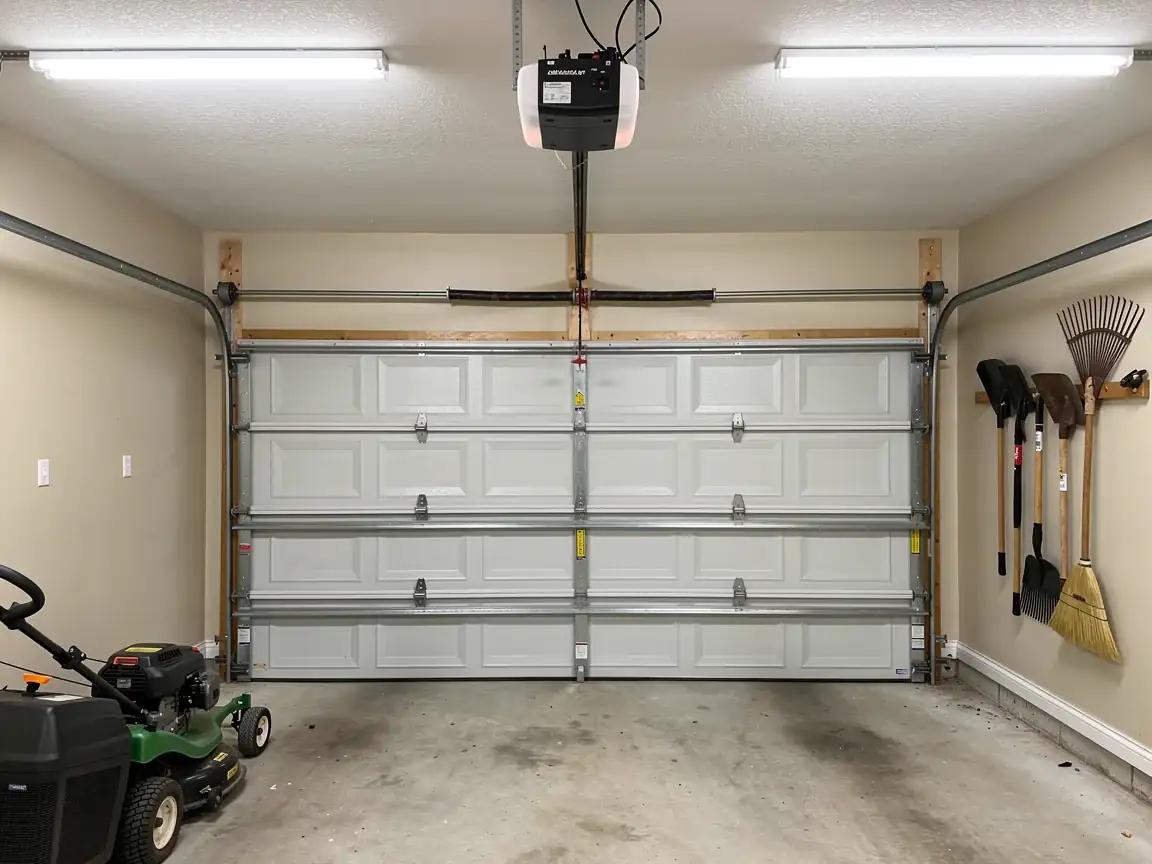
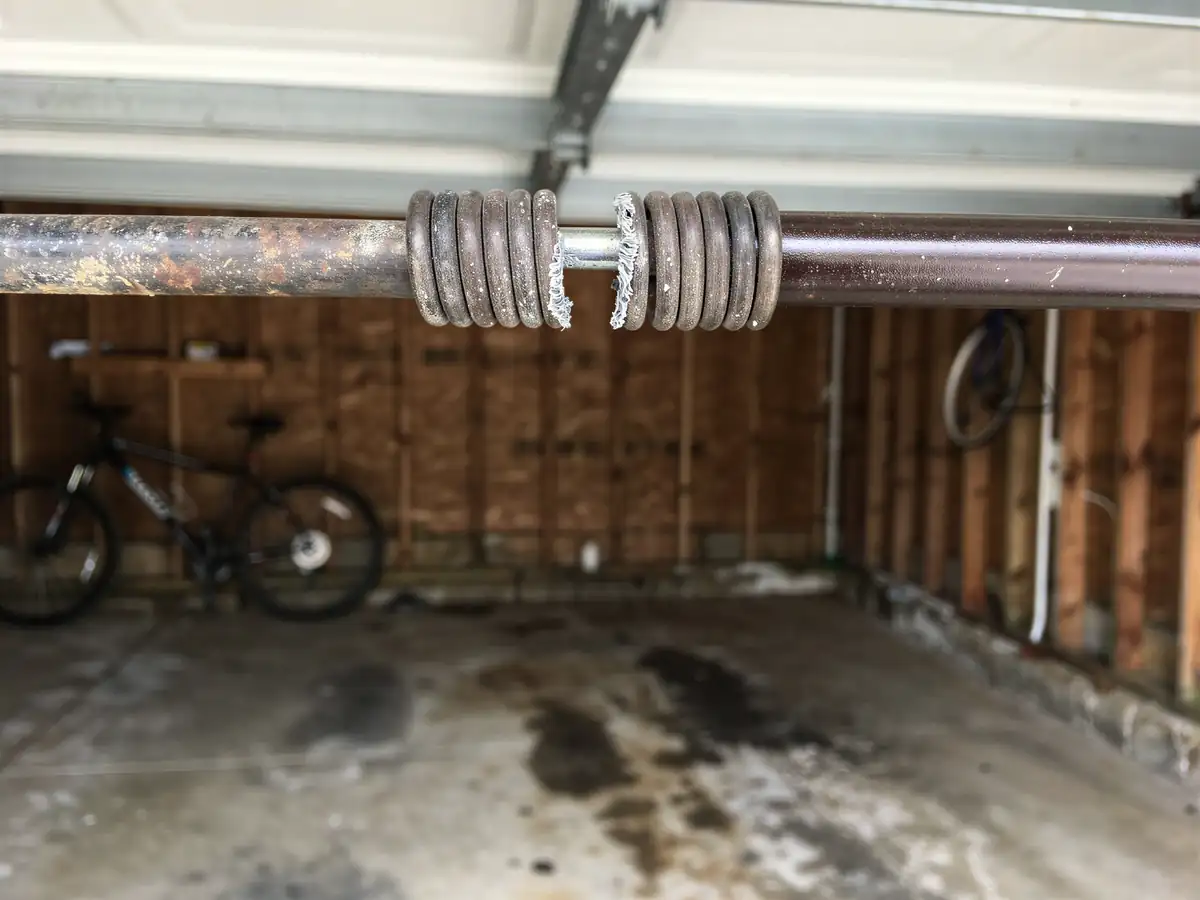
A broken torsion spring usually looks like this: the door won't budge, or it drops hard and heavy the second the opener tries to lift it, because the spring that's supposed to carry most of the weight is no longer doing its job. You might hear a loud bang from the garage at some point before that - that's the coil snapping, often when nobody's even using the door.
An extension spring failure, more common on older setups but still possible on a newer Hamilton install if the builder went that route, tends to show up differently: the door moves unevenly, one side higher than the other, or a cable goes slack and the door hangs crooked in the opening.
Either way, don't keep running the opener once you notice the door isn't lifting cleanly. That's the fastest way to burn out the opener motor trying to do a spring's job, and it turns a spring repair into a spring-and-opener repair.
Doing It Yourself
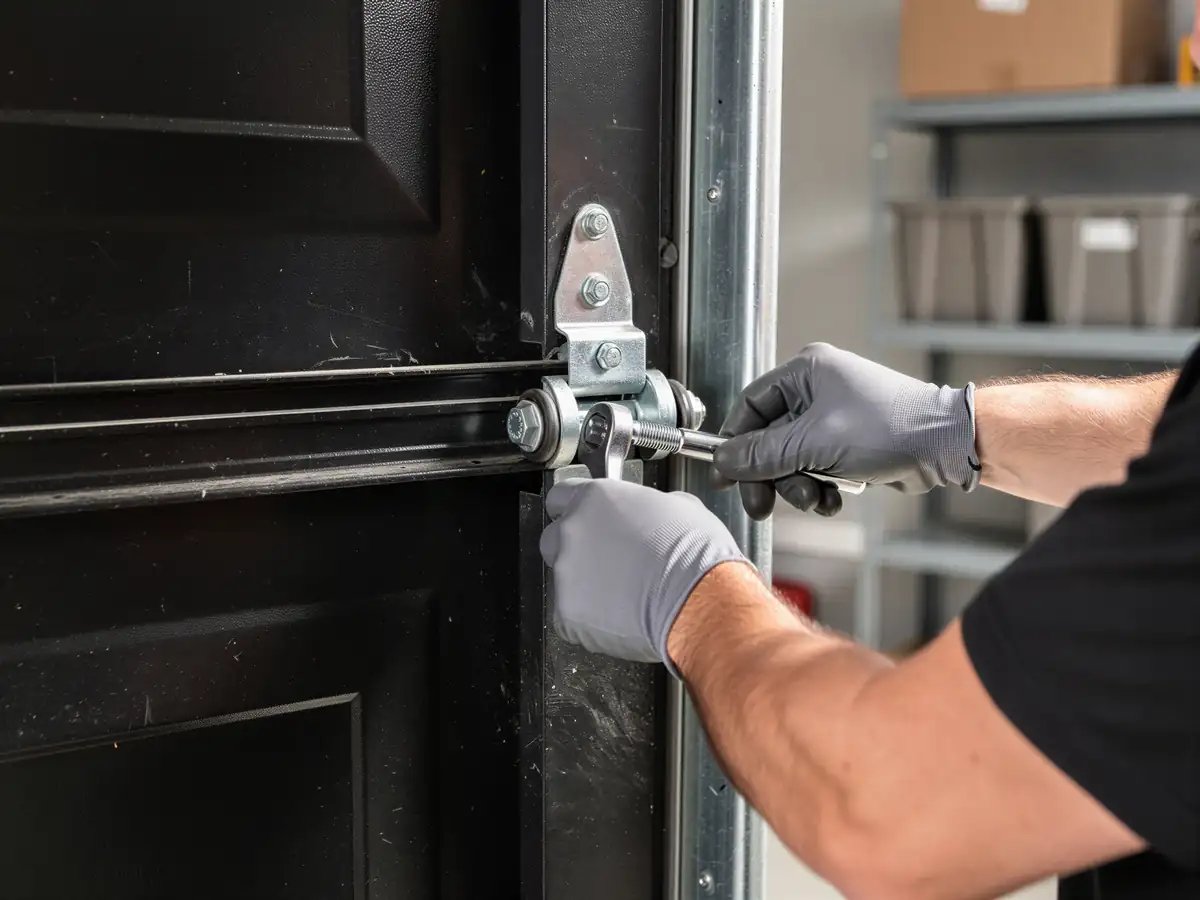
We'll say this plainly: don't replace a torsion spring yourself. It's under enough tension to cause serious injury, and the tools to wind it safely aren't something most households own. That's not a sales pitch - it's the actual risk.
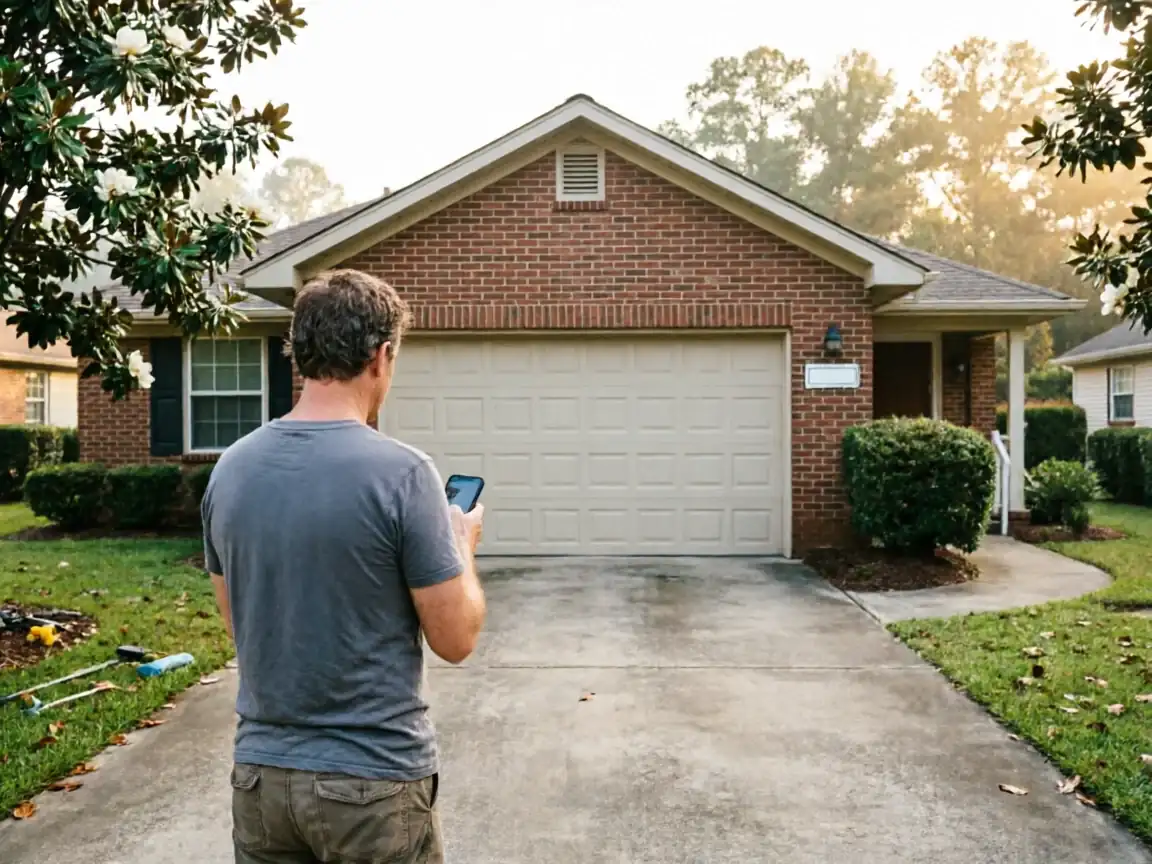
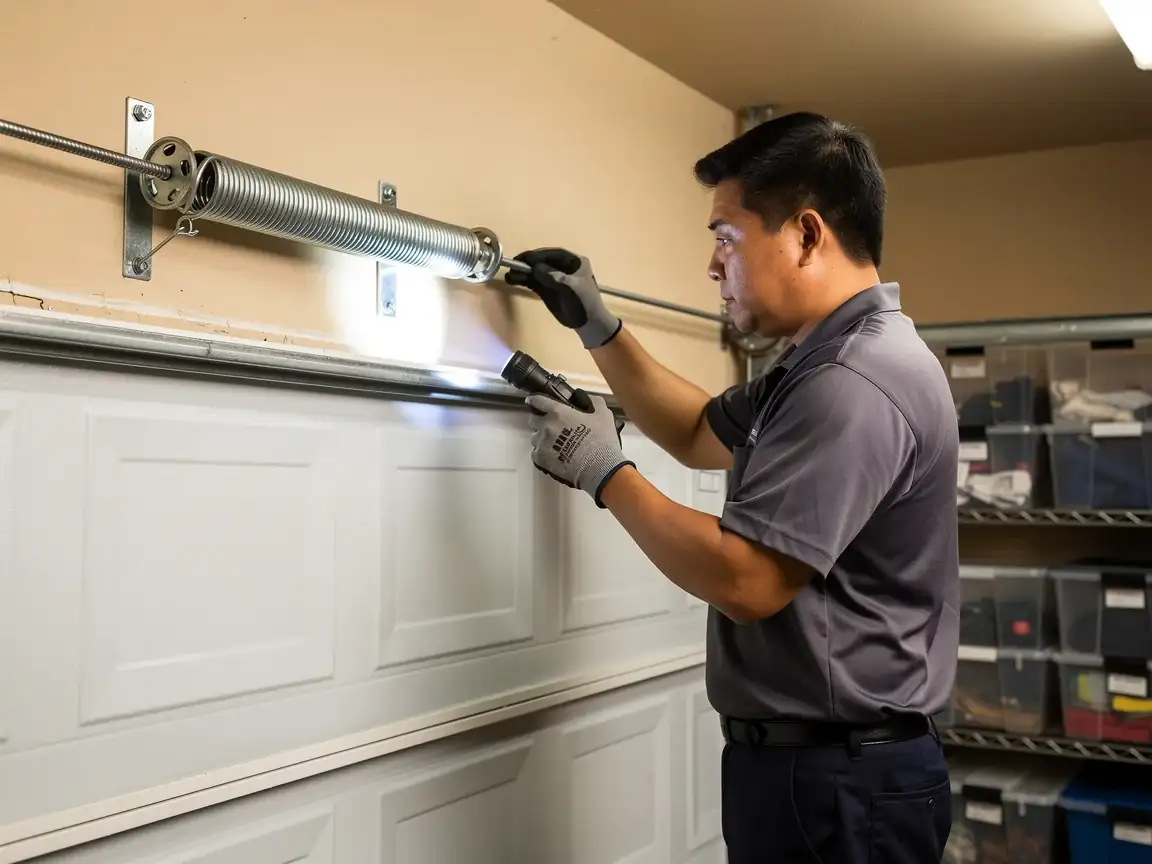
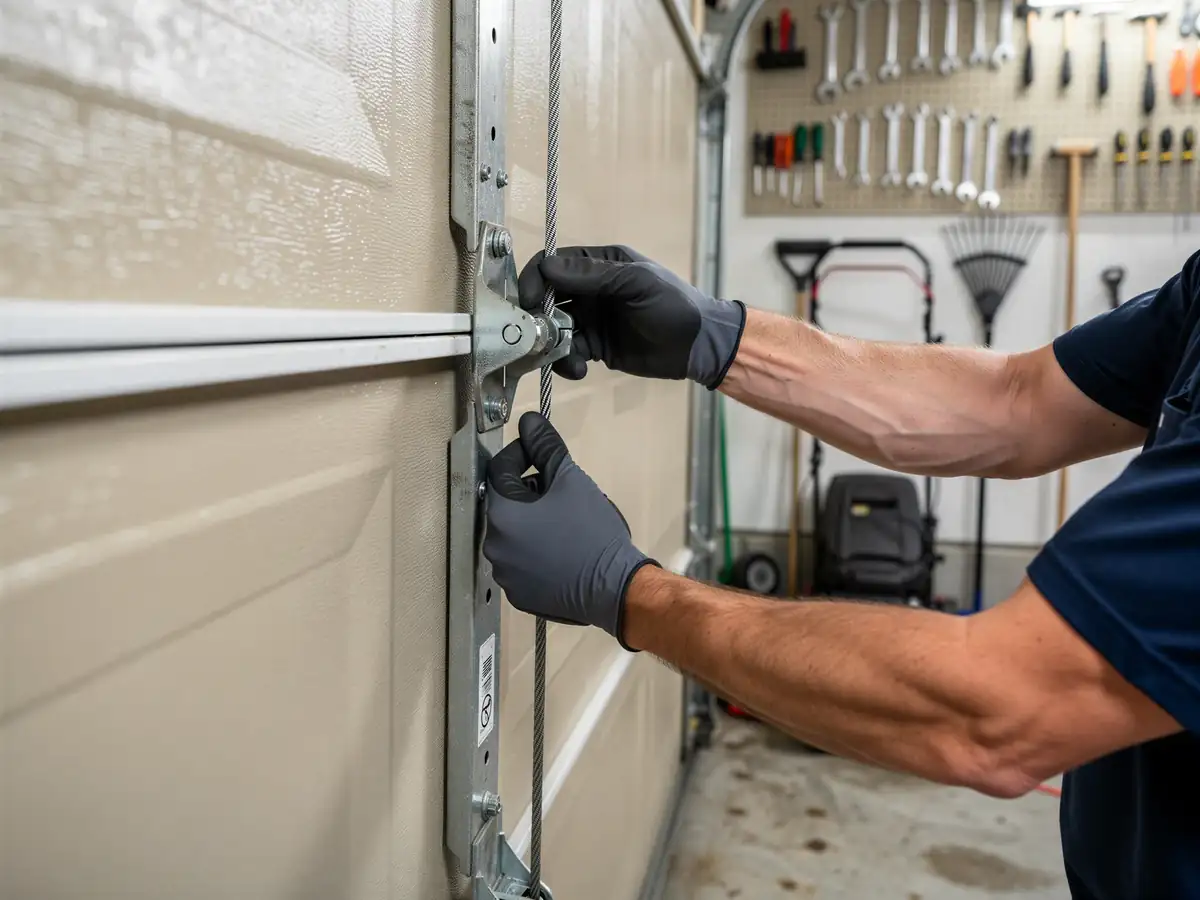
What you can safely do before calling is look. Check whether the spring is visibly separated at the top of the door (a torsion spring in two pieces on the shaft is unmistakable), and check the cables on either side for fraying or slack. Take a photo if you can. It helps us bring the right spring size on the first trip instead of a second drive back out from Columbus.
You can also disconnect the opener and try lifting the door by hand, carefully - if it feels normal-weight and balanced, the spring may not be the problem. If it feels like dead weight, that confirms it.