Why It Happens Here
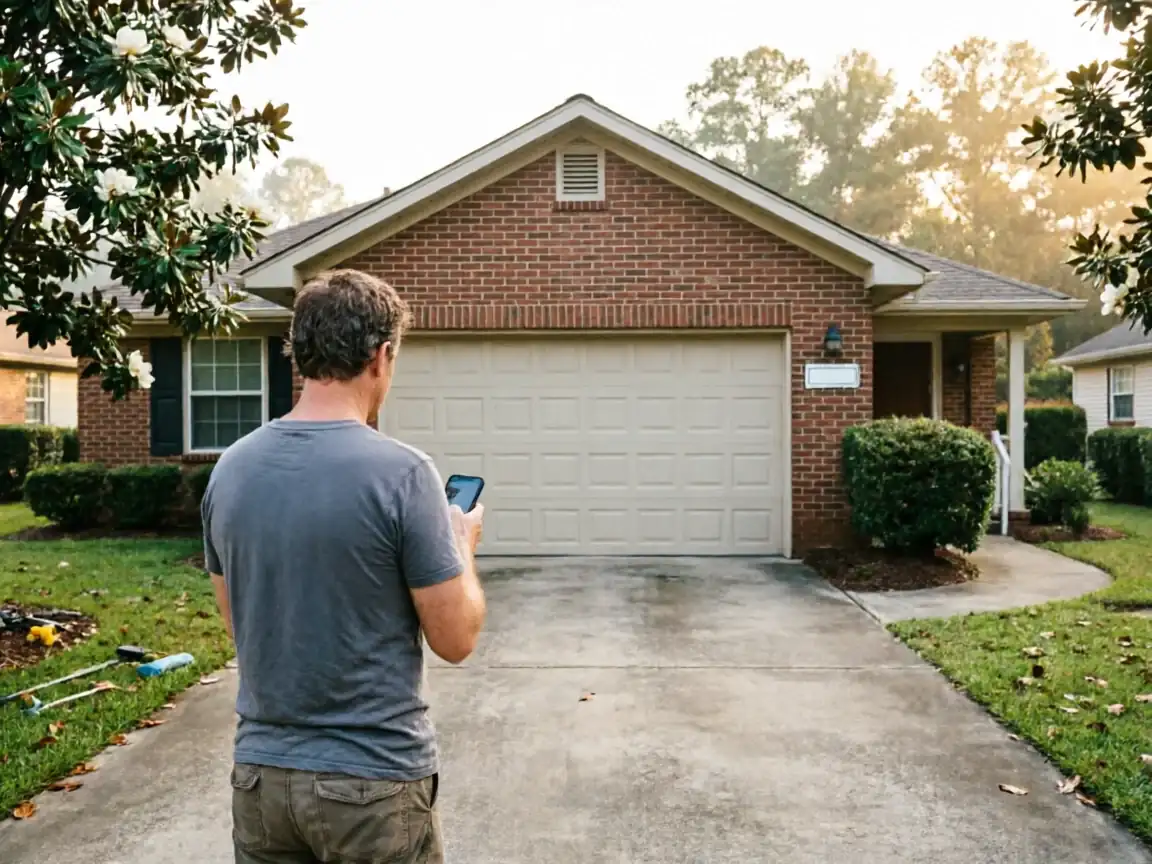
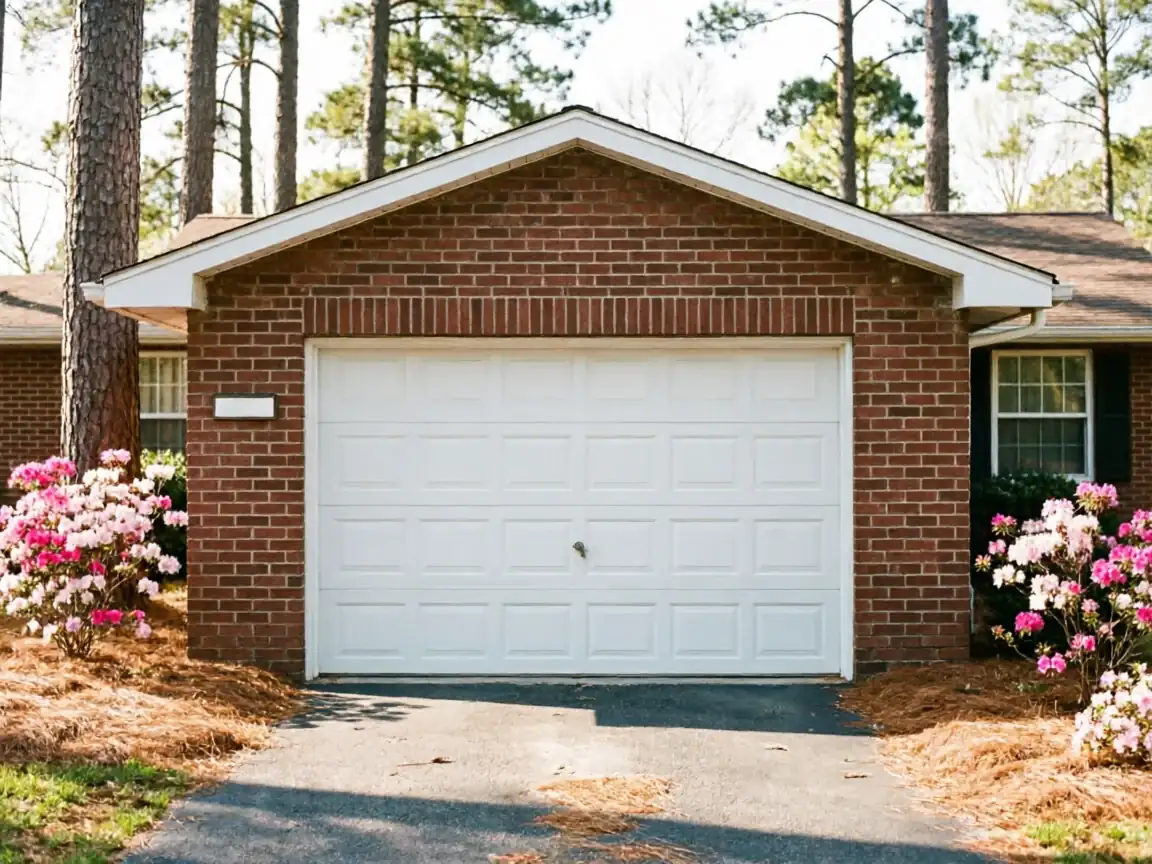
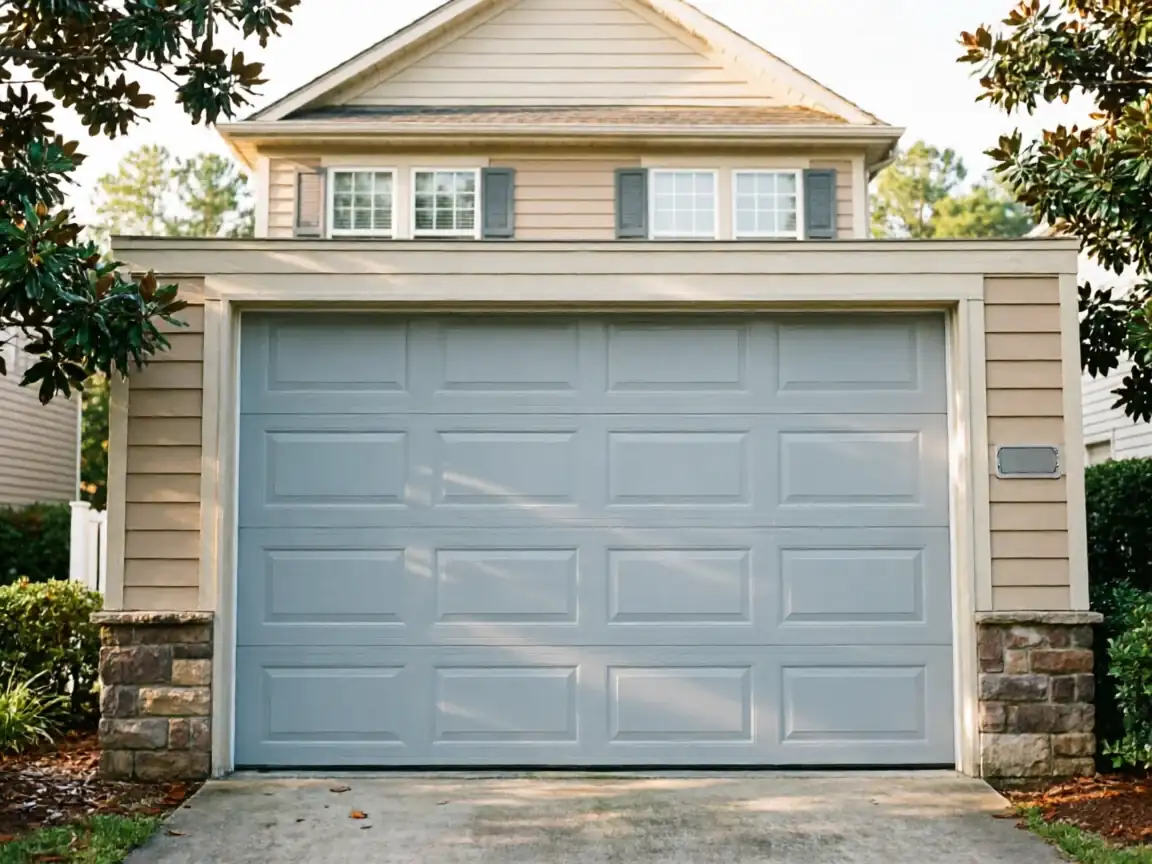
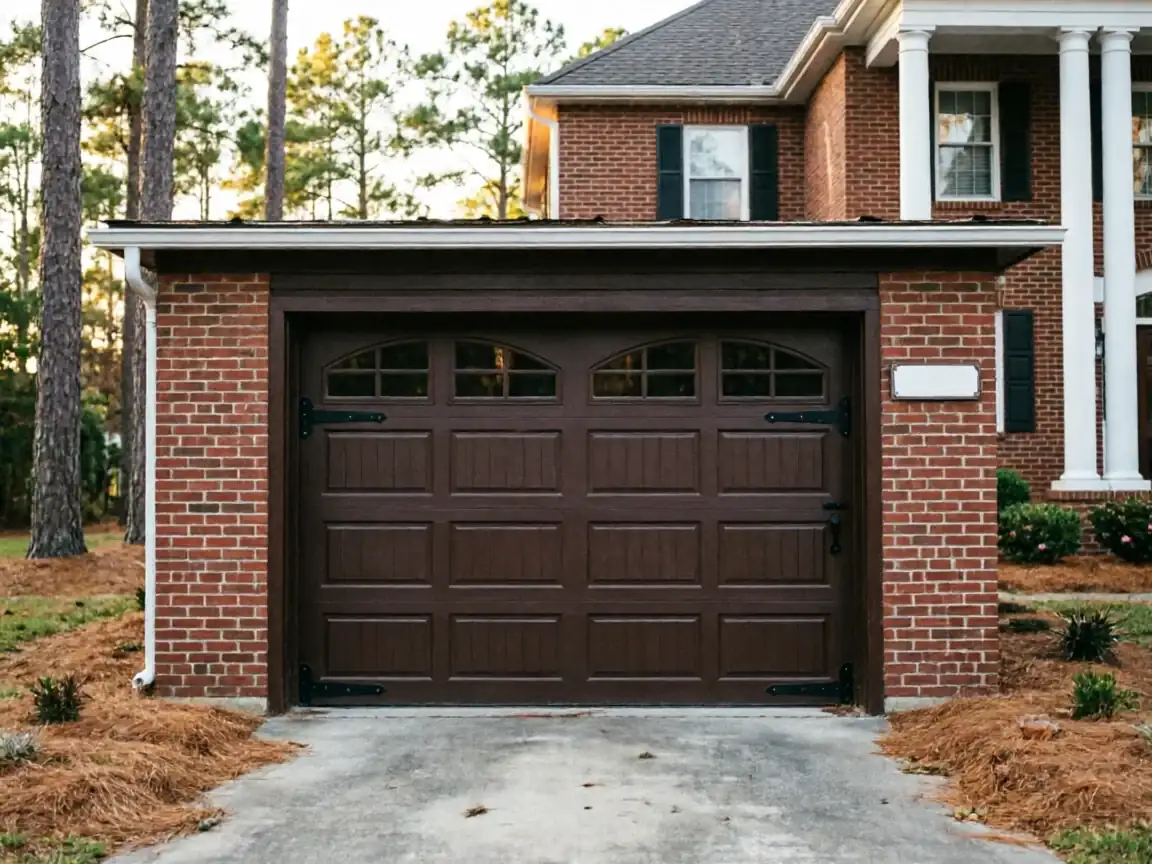
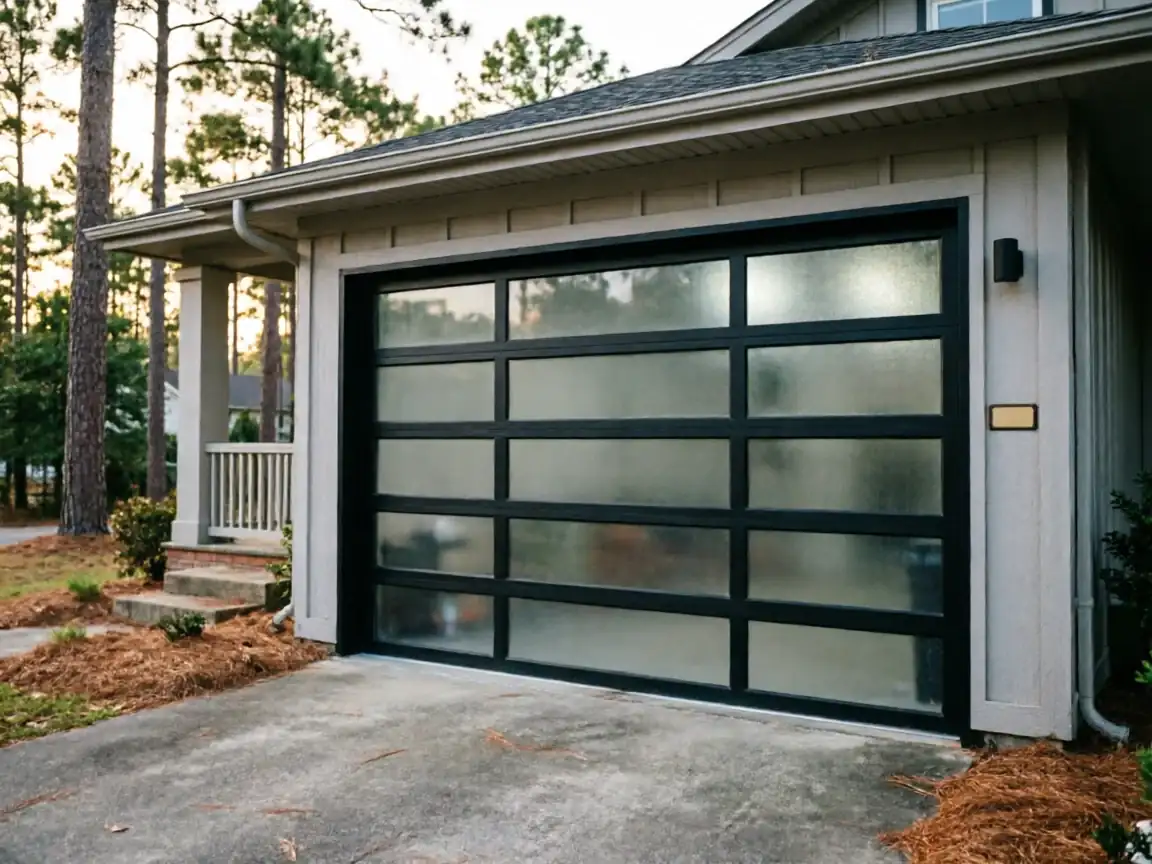
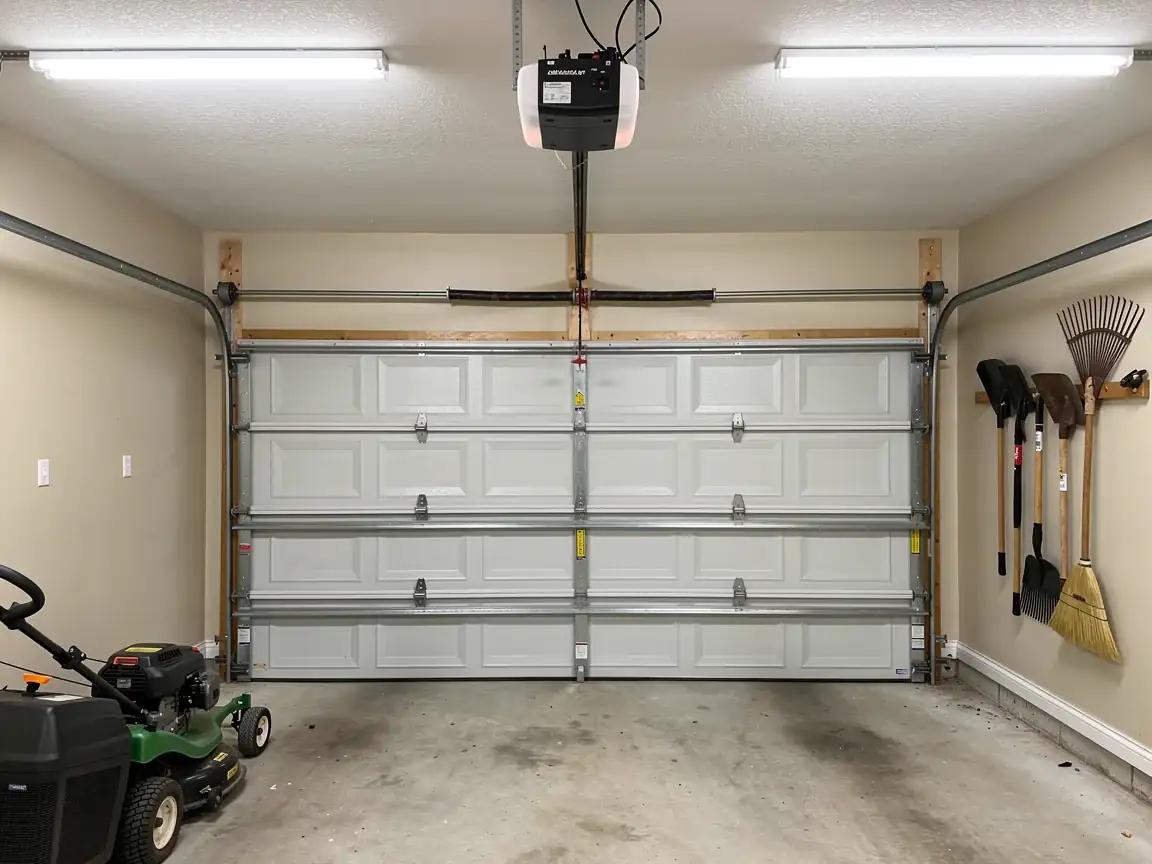
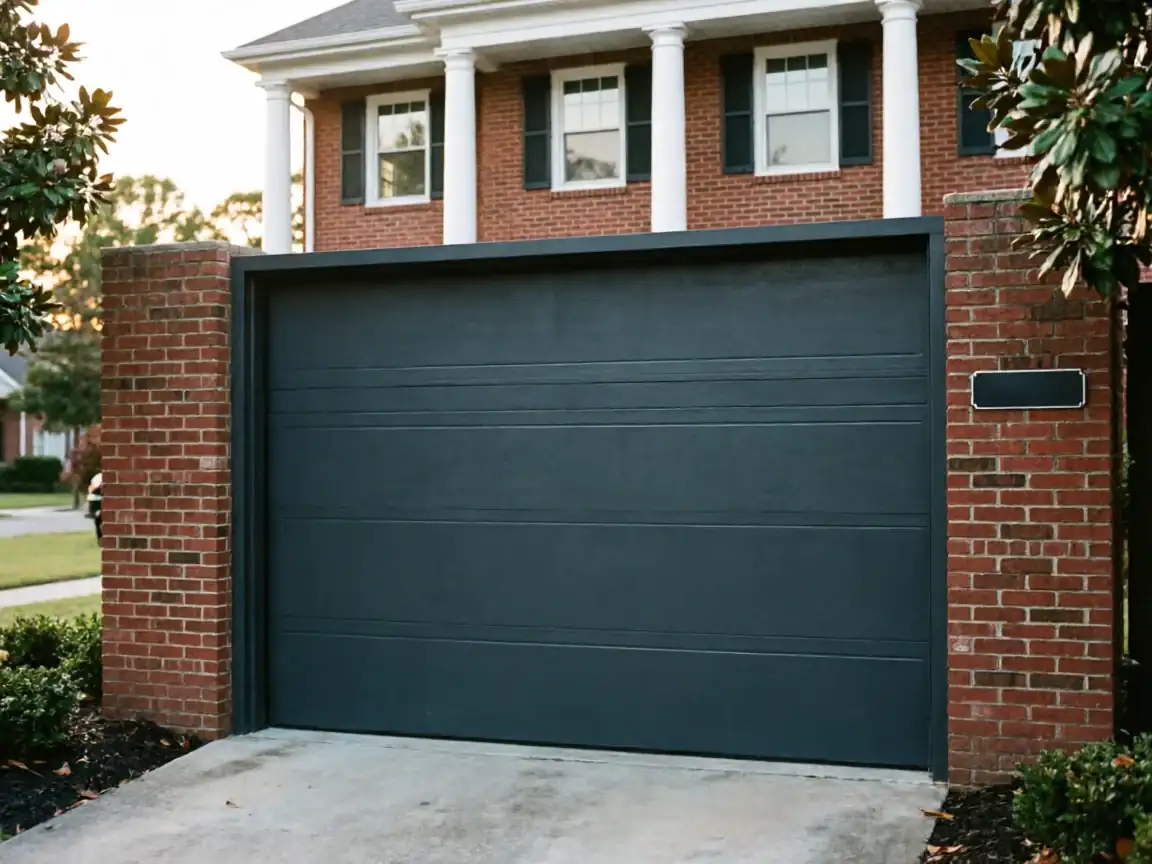
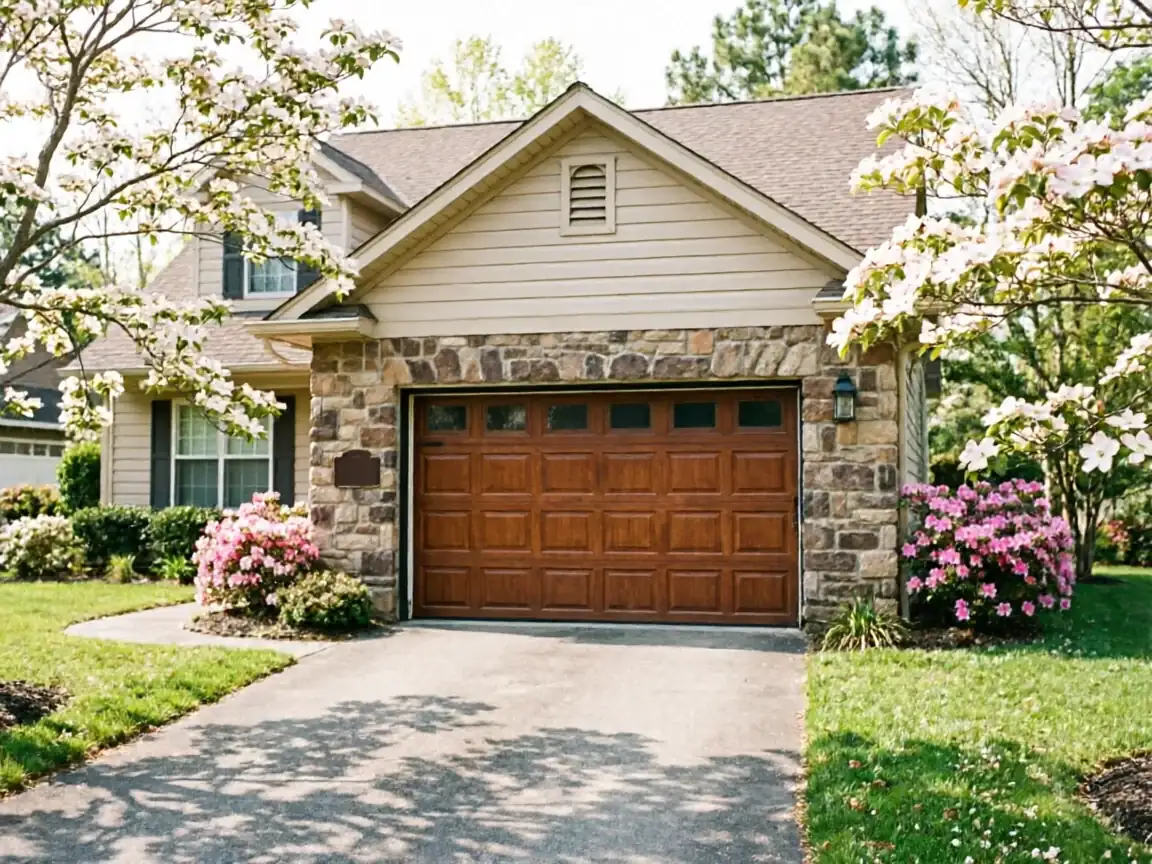
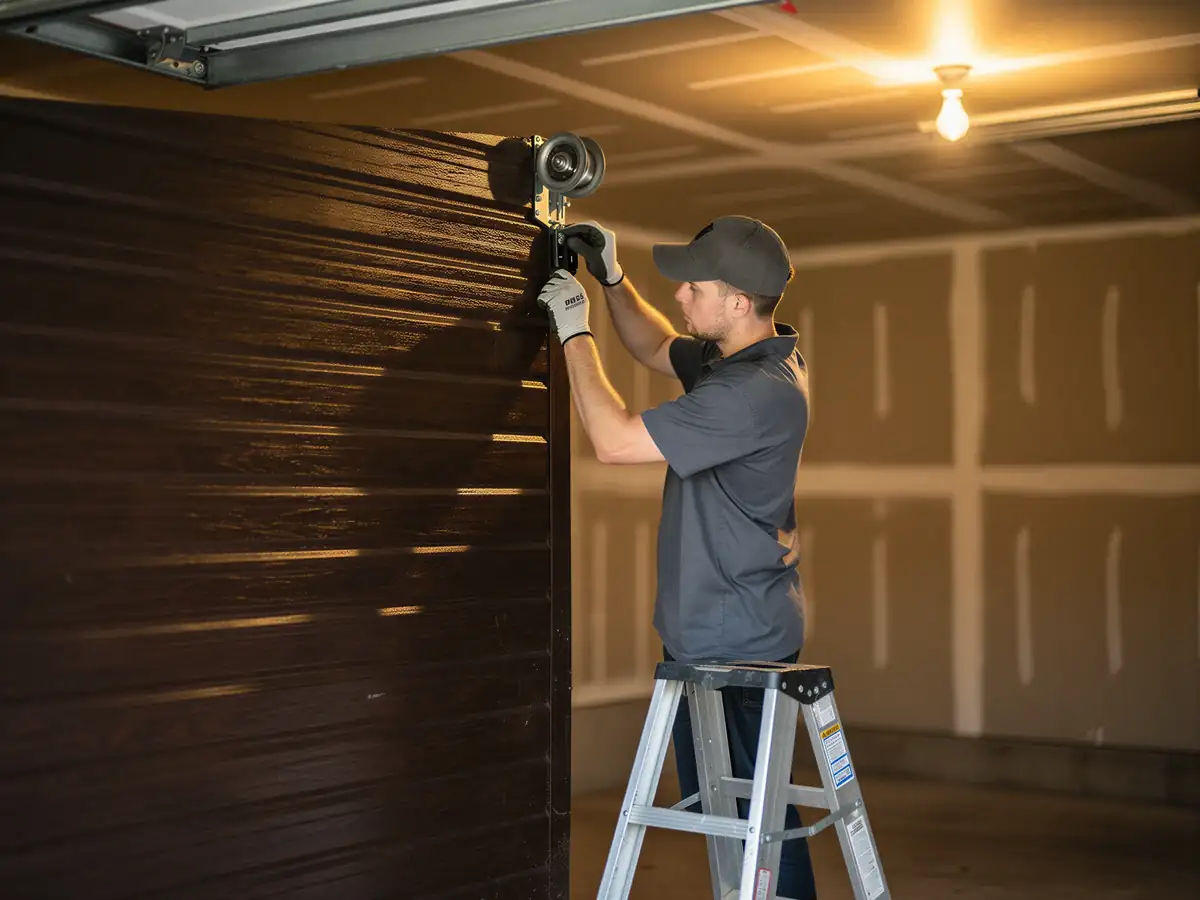
Start with the door, not the fault. Hamilton's housing stock skews new for this part of the service area, with a median build year of 2011 - well past the 1991 midpoint for the wider territory we cover out of Columbus. That means most garages here went up with wider, two-car steel sectional doors and a factory-installed opener bolted in during construction, not added later as an upgrade.
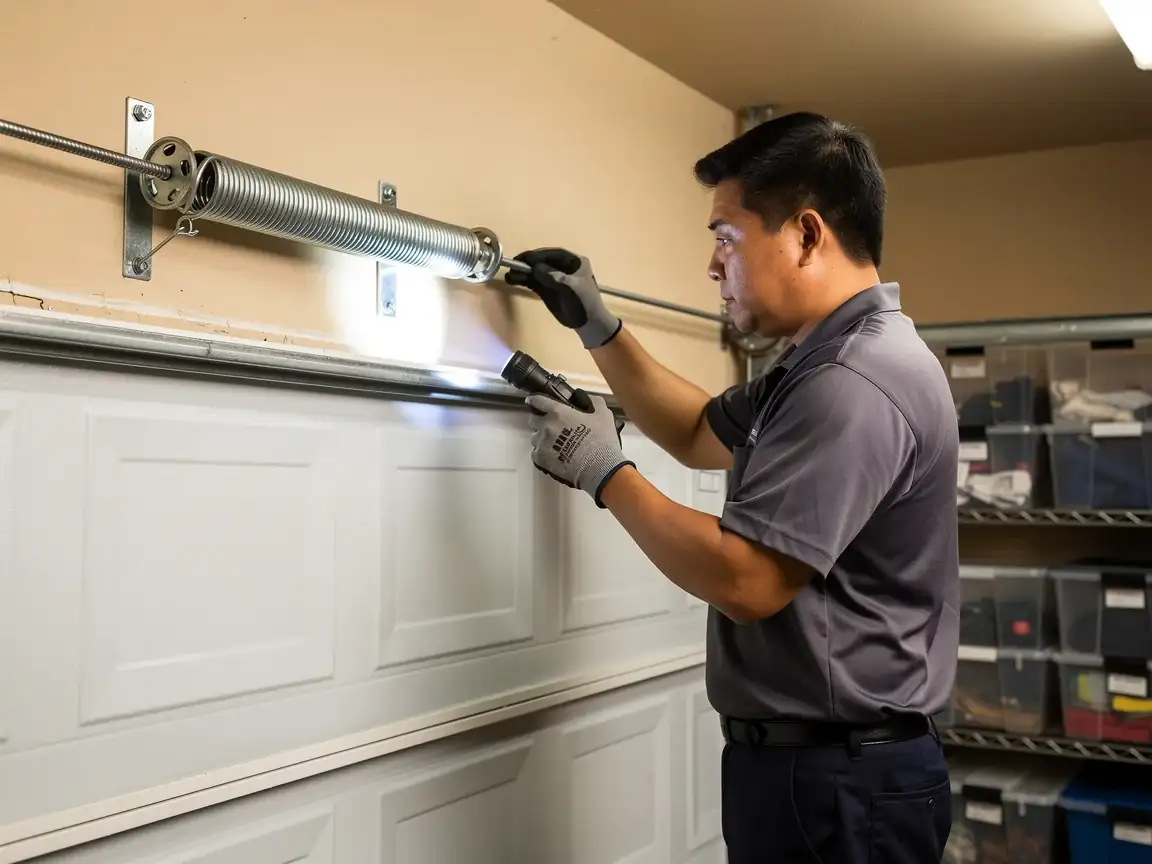
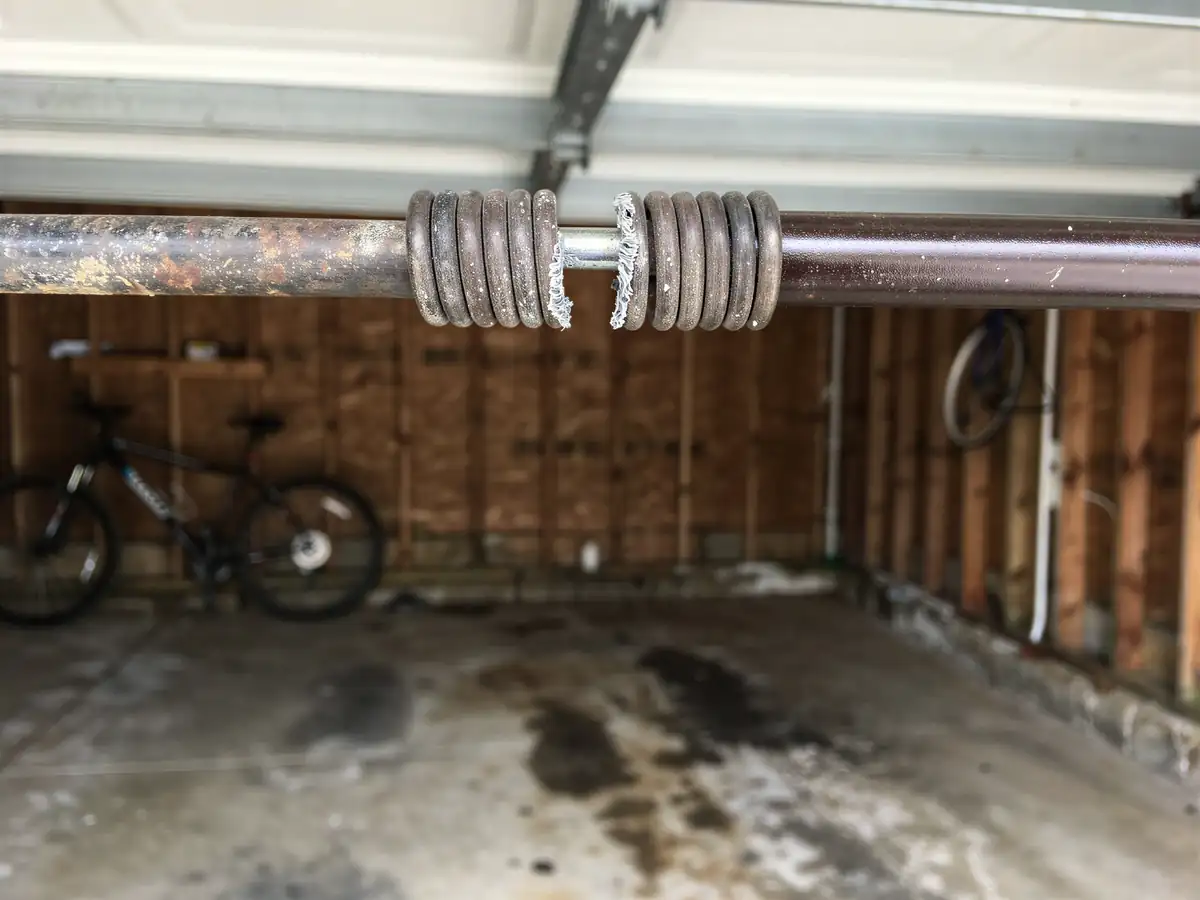
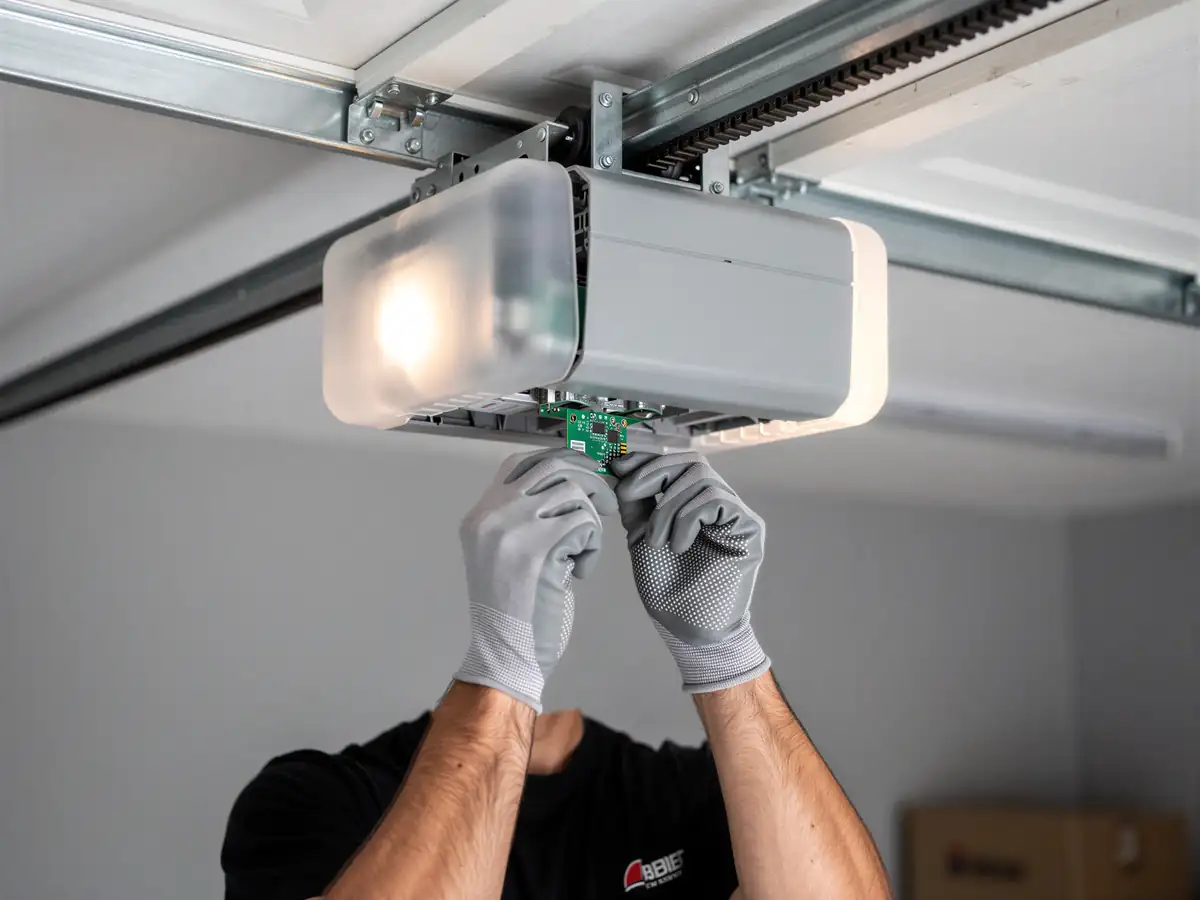
A door from that era is lighter than the older wood-and-steel doors common closer to Columbus, but the opener that came with it is now entering its own failure window. Chain and belt drive openers from the early 2010s are hitting the age where circuit boards degrade, drive gears strip, and logic boards stop talking to remotes and wall buttons reliably. It's less a hardware problem and more an electronics one - a different fault than the rusted torsion springs and worn pulleys you'd expect on an older door.
The climate here is mild with occasional freeze, which isn't hard on an opener the way heavy cold or humidity swings are elsewhere. So when an opener fails in Hamilton, the cause is almost always age and use, not weather. That's worth knowing before you spend money chasing a problem the climate didn't cause.
How to Book
Hamilton sits about 18 miles from our Columbus shop, so a call here means a truck making that drive, not a local branch dropping by. We still take the job the same way: you describe what the opener is doing (or not doing), we figure out if it sounds like a board, a sensor, a gear, or something simpler, and we schedule a visit.
Because we're not based in Hamilton, we don't quote a fixed response window for this town the way a local depot might. What we can do is be straight about the drive time factoring into when we can get there, and we'd rather tell you that upfront than promise something we can't back from Columbus.
If you want to see what we cover across the rest of the service area, or read more on opener repair generally, the links below cover both. Book through the Hamilton service page and we'll confirm scope before the truck rolls.
How Long It Takes
Most opener calls split into two kinds of jobs
Ones we finish in one visit, and ones where a part has to be ordered. A failed logic board or a stripped drive gear on an opener from the early 2010s often means sourcing a part for a model that's no longer the current production run, which can add days rather than hours.
We won't promise a same-day fix on a board we haven't seen yet
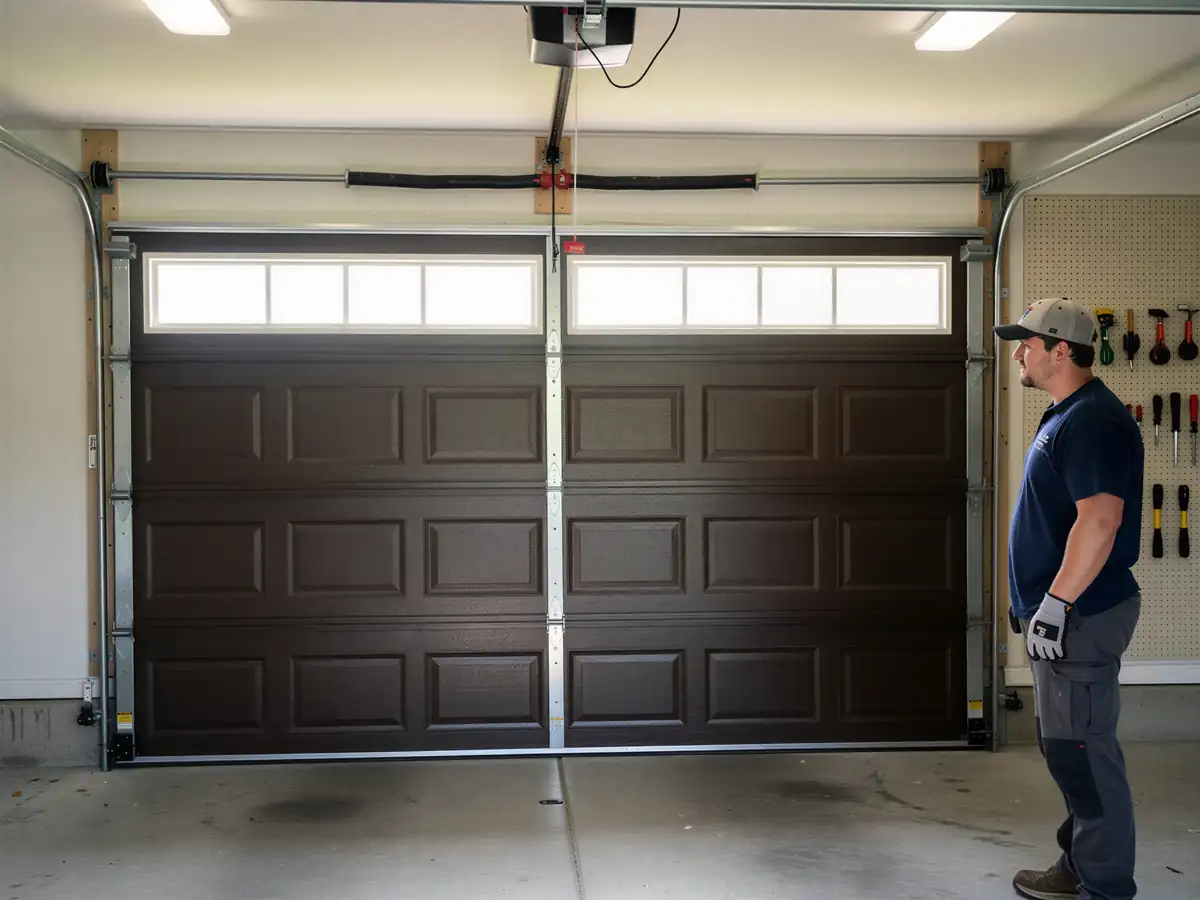
That's the honest limit here - until the tech is in front of the unit and has the model number, we can't say whether the fix is a twenty-minute sensor realignment or a parts-order job. Given the 18-mile drive from Columbus, we try to diagnose thoroughly on the first visit so a second trip isn't needed just to confirm what we already suspected.
What You Are Seeing
If your opener is from around the same build era as the house - likely sometime after 2000 given Hamilton's 2011 median - a few symptoms point toward the common failure points for that age. The motor runs but the door doesn't move: often a stripped gear. The wall button works but the remote doesn't: often a dying logic board or a frequency drift in the receiver. The light blinks a set number of times when you try to close: that's usually the opener telling you which sensor or circuit it thinks has failed, and the blink count maps to a specific fault on most brands.
A door that reverses right before it touches the floor usually means the safety sensors are misaligned or dirty, not a failed opener at all - that one is often free to fix yourself. What's harder to self-diagnose is a board that's simply reached the end of its service life after a decade-plus of daily cycles. That's the point where swapping the logic board, or sometimes the whole unit, makes more sense than chasing parts for something already near the end of what it was built to do.
Doing It Yourself
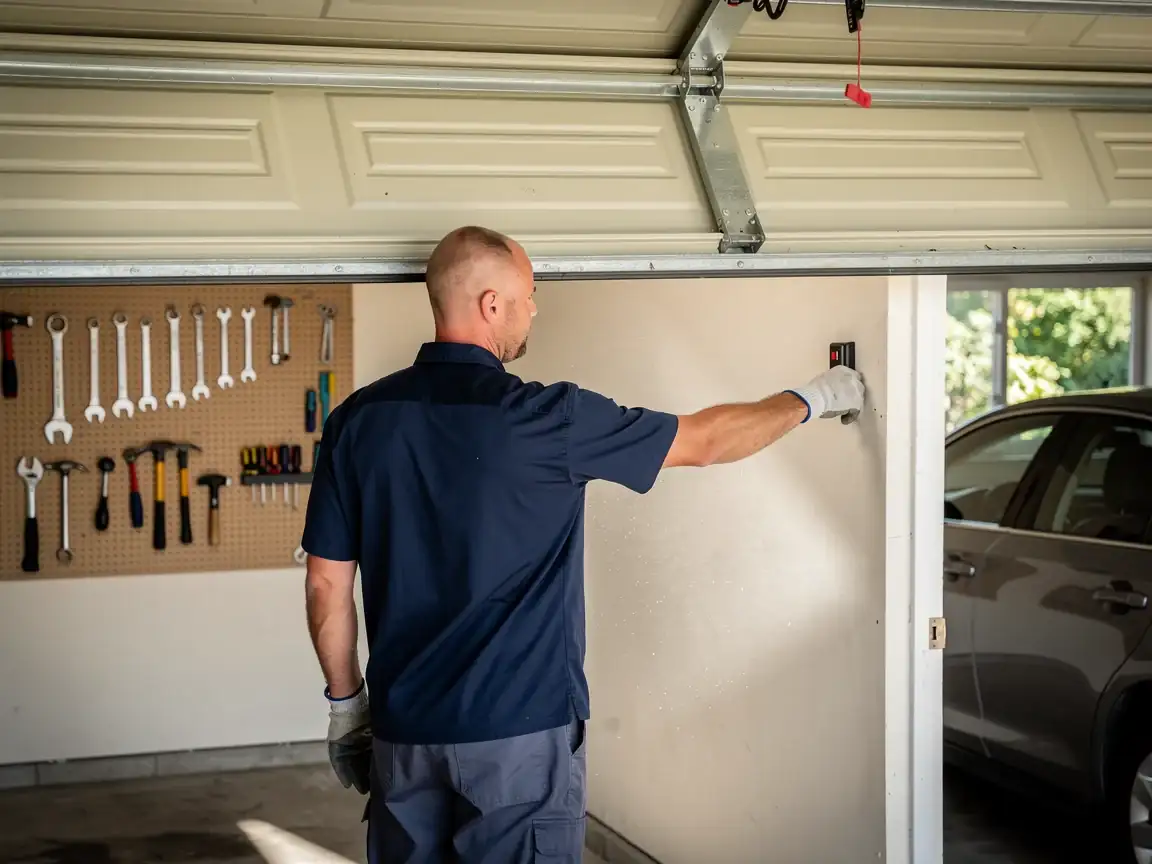
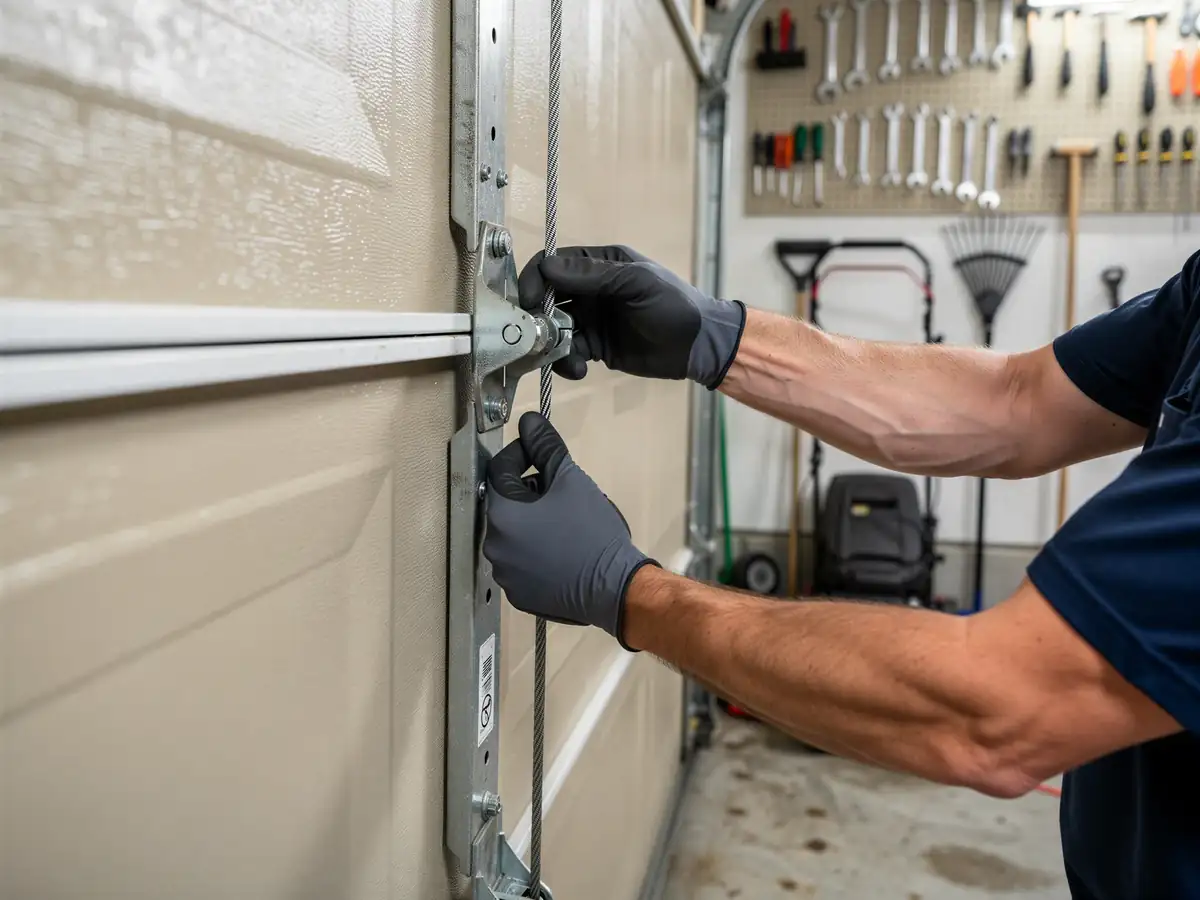
Some of this is worth checking before you call anyone. Swap the remote battery. Wipe down both safety sensors at the base of the tracks and make sure nothing is blocking the beam between them - a spiderweb or a shifted bike is a more common cause of a 'broken' opener than people expect. Check that the wall button still works when the remote doesn't; that narrows the problem to the remote or the receiver, not the whole unit.
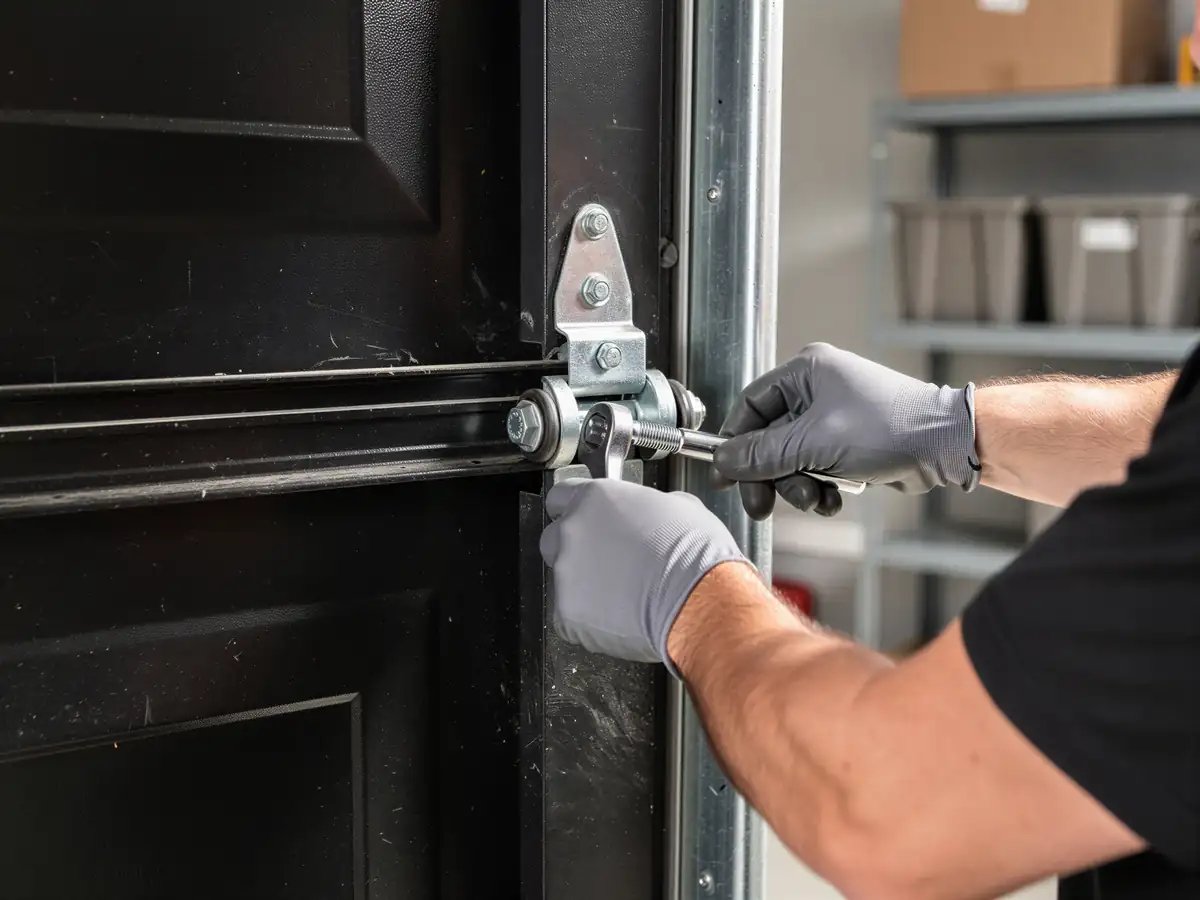
What we don't recommend doing yourself: opening the opener housing to get at the logic board, or working anywhere near the drive gear while the unit is powered. Those repairs involve small components that are easy to damage and a motor that can injure a hand if it engages unexpectedly. If the battery swap and sensor cleaning don't fix it, that's the point where it's a call, not a weekend project.